























Black Tea
About Black Tea
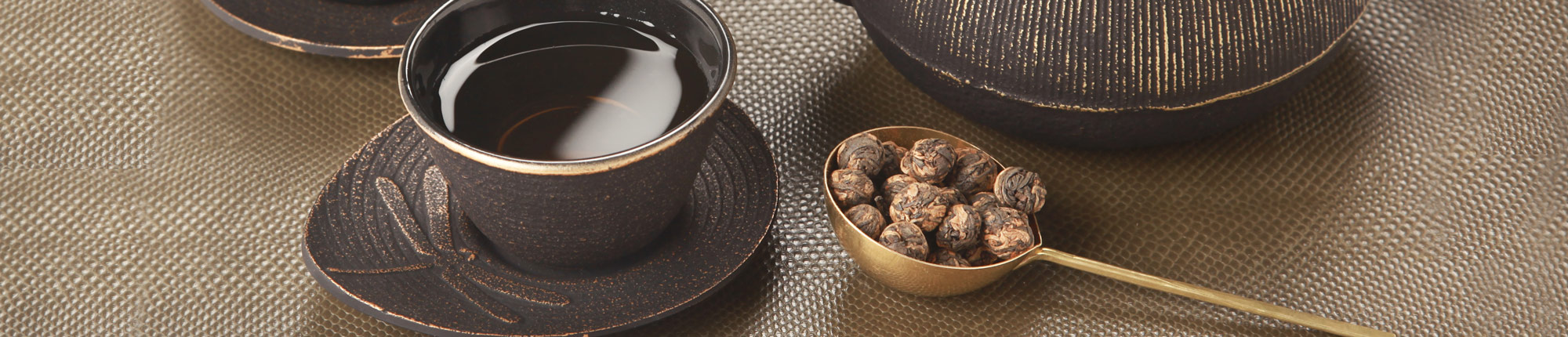
The most widely known variety in the West, Black Tea comes from leaves that are oxidized, or fermented. Classic teas like English Breakfast and Earl Grey fall within this category.
To make black tea, freshly-picked leaves are withered until they are pliable enough to be rolled, releasing juices and enzymes that react with oxygen. Oxidation changes the leaf's properties and accounts for the dark, rich colors and strong, brisk flavors characteristic of this tea type. Essentially, it is this oxidation process that makes black tea different from green tea.
The flavor, color, body, strength and aroma of black tea depend on the tea bush varietal, season of harvest, elevation, country of origin, microclimate and degree of oxidation. In general, black teas yield a vibrant red or golden infusion with brisk, malty flavors and notes of Muscat wine, raisons, spices, sugar dates, chocolate, dark honey, and bold fruit.
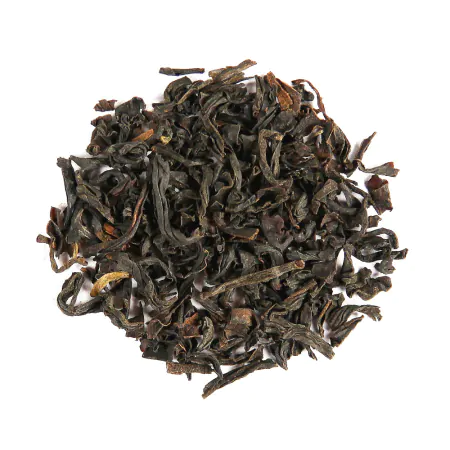
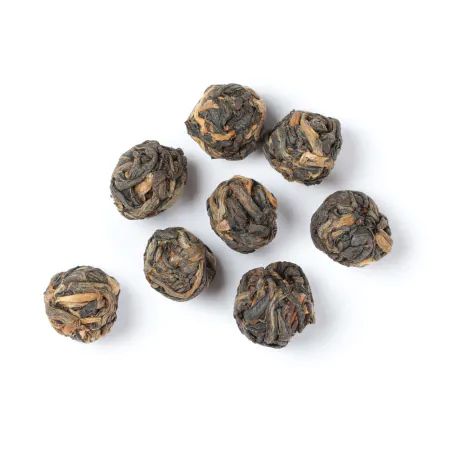
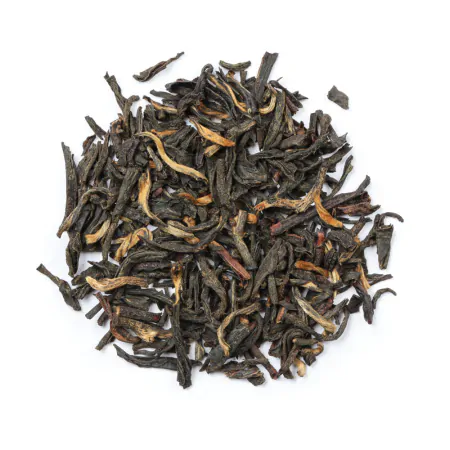
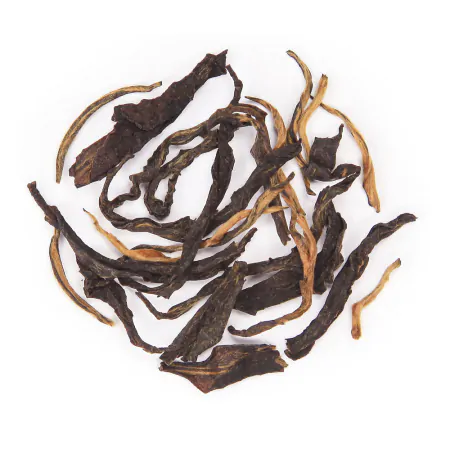
Black tea is often further divided into broken-leaf and full-leaf categories. A broken-leaf tea consists of leaves that have been purposely broken into small pieces during processing. The smaller size allows the water to extract more of the tealeaves’ components in a short period of time. For this reason, broken leaf teas tend to be more brisk and higher in caffeine, making them an excellent morning tea to be paired with milk and sugar. Full-leaf teas, on the other hand, tend to be more refined and gentler on the palate. Broken-leaf teas are not to be confused with "fannings" or "dust" used in common paper tea bags, which consist of the poorest quality tea that becomes stale very quickly due to its powdered consistency and high surface-to-air ratio.
Black teas are especially rich in theaflavins and thearubigens (potent antioxidants) which have shown impressive cholesterol-lowering abilities and cardiovascular benefits.
To make black tea, freshly-picked leaves are withered until they are pliable enough to be rolled, releasing juices and enzymes that react with oxygen. Oxidation changes the leaf's properties and accounts for the dark, rich colors and strong, brisk flavors characteristic of this tea type. Essentially, it is this oxidation process that makes black tea different from green tea.
The flavor, color, body, strength and aroma of black tea depend on the tea bush varietal, season of harvest, elevation, country of origin, microclimate and degree of oxidation. In general, black teas yield a vibrant red or golden infusion with brisk, malty flavors and notes of Muscat wine, raisons, spices, sugar dates, chocolate, dark honey, and bold fruit.
Black tea is often further divided into broken-leaf and full-leaf categories. A broken-leaf tea consists of leaves that have been purposely broken into small pieces during processing. The smaller size allows the water to extract more of the tealeaves’ components in a short period of time. For this reason, broken leaf teas tend to be more brisk and higher in caffeine, making them an excellent morning tea to be paired with milk and sugar. Full-leaf teas, on the other hand, tend to be more refined and gentler on the palate. Broken-leaf teas are not to be confused with "fannings" or "dust" used in common paper tea bags, which consist of the poorest quality tea that becomes stale very quickly due to its powdered consistency and high surface-to-air ratio.
Black teas are especially rich in theaflavins and thearubigens (potent antioxidants) which have shown impressive cholesterol-lowering abilities and cardiovascular benefits.
Black Tea
The most widely known variety in the West, Black Tea comes from leaves that are oxidized, or fermented. Classic teas like English Breakfast and Earl Grey fall within this category.
To make black tea, freshly-picked leaves are withered until they are pliable
(read more...)
+
(read less...)
The most widely known variety in the West, Black Tea comes from leaves that are oxidized, or fermented. Classic teas like English Breakfast and Earl Grey fall within this category.
To make black tea, freshly-picked leaves are withered until they are pliable enough to be rolled, releasing juices and enzymes that react with oxygen. Oxidation changes the leaf's properties and accounts for the dark, rich colors and strong, brisk flavors characteristic of this tea type. Essentially, it is this oxidation process that makes black tea different from green tea.
The flavor, color, body, strength and aroma of black tea depend on the tea bush varietal, season of harvest, elevation, country of origin, microclimate and degree of oxidation. In general, black teas yield a vibrant red or golden infusion with brisk, malty flavors and notes of Muscat wine, raisons, spices, sugar dates, chocolate, dark honey, and bold fruit.
Black tea is often further divided into broken-leaf and full-leaf categories. A broken-leaf tea consists of leaves that have been purposely broken into small pieces during processing. The smaller size allows the water to extract more of the tealeaves’ components in a short period of time. For this reason, broken leaf teas tend to be more brisk and higher in caffeine, making them an excellent morning tea to be paired with milk and sugar. Full-leaf teas, on the other hand, tend to be more refined and gentler on the palate. Broken-leaf teas are not to be confused with "fannings" or "dust" used in common paper tea bags, which consist of the poorest quality tea that becomes stale very quickly due to its powdered consistency and high surface-to-air ratio.
Black teas are especially rich in theaflavins and thearubigens (potent antioxidants) which have shown impressive cholesterol-lowering abilities and cardiovascular benefits.













Octavia Tea Sign In
Create New Account