All true teas — white, green, oolong, black, and pu-erh — come from the same plant, Camellia sinensis. What separates one type from another is oxidation: how much the leaf is exposed to air after picking, which determines everything from color and caffeine level to flavor intensity. Octavia Tea also carries a range of herbal teas, made from leaves, flowers, and roots outside the tea plant entirely.
White Tea — The least processed of all tea types, hand-harvested from young buds and minimally oxidized. Delicate, subtly sweet, and prized for its high antioxidant content.
Green Tea — Steamed or pan-fired immediately after picking to halt oxidation, preserving a fresh, vegetal character. Ranges from grassy and light to nutty and roasted depending on origin.
Oolong Tea — Partially oxidized, landing between green and black tea in both color and flavor. Oolongs can be floral and light or dark and toasty, depending on how long they're oxidized.
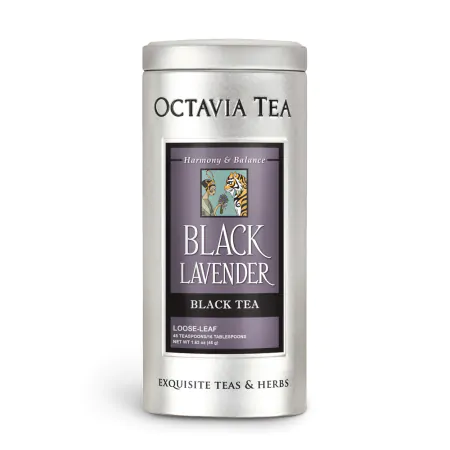
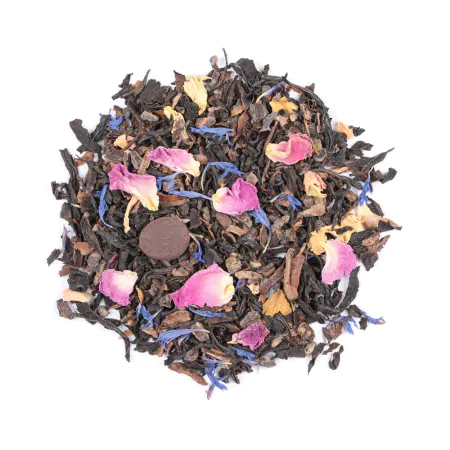
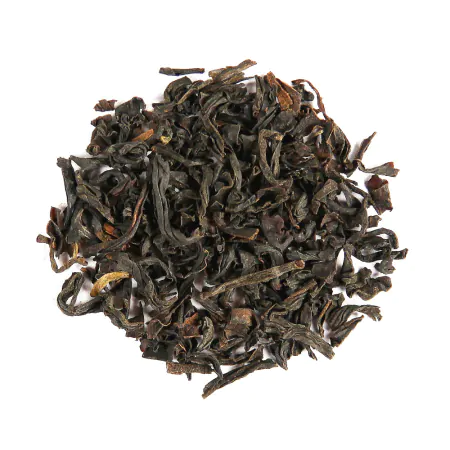
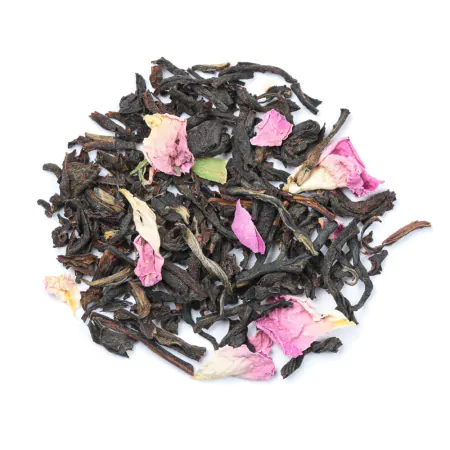
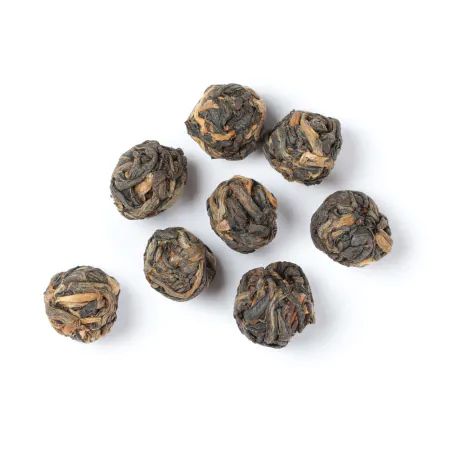
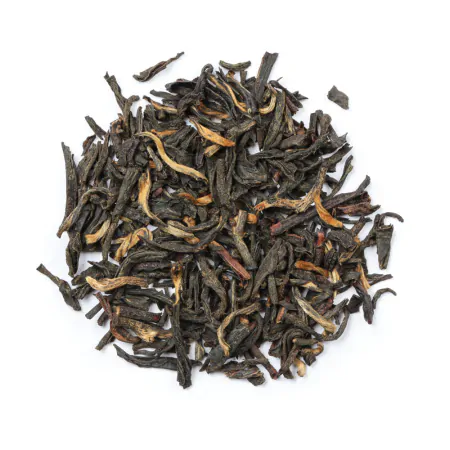
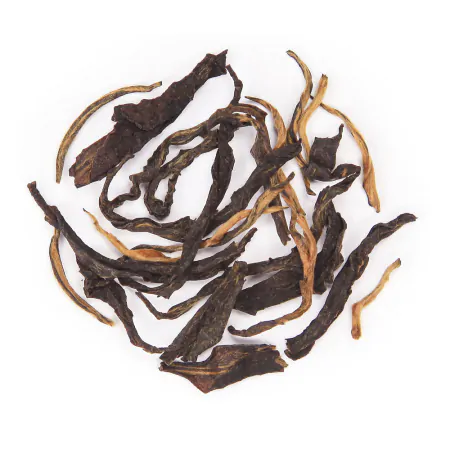
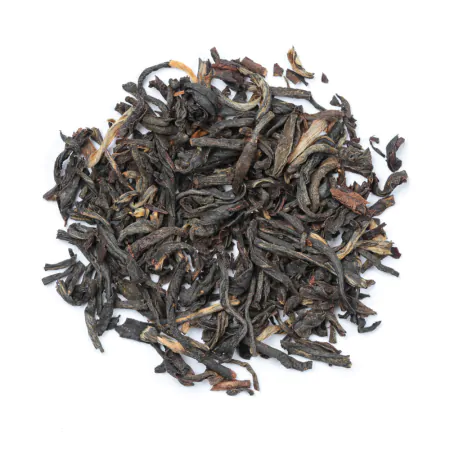
Black Tea — Fully oxidized for a bold, brisk cup with the highest caffeine content of the true teas. Includes classics like English Breakfast and Earl Grey.
Pu-erh Tea — A fermented and aged dark tea from Yunnan, China, known for its deep, earthy flavor that mellows and improves with age.
Herbal Tea — Naturally caffeine-free infusions made from botanicals like chamomile, hibiscus, and peppermint—not from the tea plant at all.
Rooibos Tea — A naturally caffeine-free "red tea" from South Africa, with a smooth, slightly sweet, earthy flavor.
Matcha Tea — Shade-grown green tea leaves stone-ground into a fine powder, whisked directly into water for a concentrated, full-bodied cup.
If there is an account associated with **fill in email address here** you will receive an email with a link to reset your password. If you do not receive an email within a few minutes, please check your spam folder*.
*To ensure you receive our future emails and order updates, please add us to your email account’s address book.
Types of Tea
Types of Tea: A Guide to Our Full Collection
All true teas — white, green, oolong, black, and pu-erh — come from the same plant, Camellia sinensis. What separates one type from another is oxidation: how much the leaf is exposed to air after picking, which (read more...)
+
Types of Tea: A Guide to Our Full Collection
All true teas — white, green, oolong, black, and pu-erh — come from the same plant, Camellia sinensis. What separates one type from another is oxidation: how much the leaf is exposed to air after picking, which determines everything from color and caffeine level to flavor intensity. Octavia Tea also carries a range of herbal teas, made from leaves, flowers, and roots outside the tea plant entirely.
White Tea — The least processed of all tea types, hand-harvested from young buds and minimally oxidized. Delicate, subtly sweet, and prized for its high antioxidant content.
Green Tea — Steamed or pan-fired immediately after picking to halt oxidation, preserving a fresh, vegetal character. Ranges from grassy and light to nutty and roasted depending on origin.
Oolong Tea — Partially oxidized, landing between green and black tea in both color and flavor. Oolongs can be floral and light or dark and toasty, depending on how long they're oxidized.
Black Tea — Fully oxidized for a bold, brisk cup with the highest caffeine content of the true teas. Includes classics like English Breakfast and Earl Grey.
Pu-erh Tea — A fermented and aged dark tea from Yunnan, China, known for its deep, earthy flavor that mellows and improves with age.
Herbal Tea — Naturally caffeine-free infusions made from botanicals like chamomile, hibiscus, and peppermint—not from the tea plant at all.
Rooibos Tea — A naturally caffeine-free "red tea" from South Africa, with a smooth, slightly sweet, earthy flavor.
Matcha Tea — Shade-grown green tea leaves stone-ground into a fine powder, whisked directly into water for a concentrated, full-bodied cup.
All true teas — white, green, oolong, black, and pu-erh — come from the same plant, Camellia sinensis. What separates one type from another is oxidation: how much the leaf is exposed to air after picking, which determines everything from color and caffeine level to flavor intensity. Octavia Tea also carries a range of herbal teas, made from leaves, flowers, and roots outside the tea plant entirely.
White Tea — The least processed of all tea types, hand-harvested from young buds and minimally oxidized. Delicate, subtly sweet, and prized for its high antioxidant content.
Green Tea — Steamed or pan-fired immediately after picking to halt oxidation, preserving a fresh, vegetal character. Ranges from grassy and light to nutty and roasted depending on origin.
Oolong Tea — Partially oxidized, landing between green and black tea in both color and flavor. Oolongs can be floral and light or dark and toasty, depending on how long they're oxidized.
Black Tea — Fully oxidized for a bold, brisk cup with the highest caffeine content of the true teas. Includes classics like English Breakfast and Earl Grey.
Pu-erh Tea — A fermented and aged dark tea from Yunnan, China, known for its deep, earthy flavor that mellows and improves with age.
Herbal Tea — Naturally caffeine-free infusions made from botanicals like chamomile, hibiscus, and peppermint—not from the tea plant at all.
Rooibos Tea — A naturally caffeine-free "red tea" from South Africa, with a smooth, slightly sweet, earthy flavor.
Matcha Tea — Shade-grown green tea leaves stone-ground into a fine powder, whisked directly into water for a concentrated, full-bodied cup.
Types of Tea: A Guide to Our Full Collection
All true teas — white, green, oolong, black, and pu-erh — come from the same plant, Camellia sinensis. What separates one type from another is oxidation: how much the leaf is exposed to air after picking, which




































Octavia Tea Sign In
Create New Account