























Can Tea Improve Arterial Function? What to Know

Last Updated: October 31, 2026
Quick Summary
Tea may support arterial function through polyphenols and catechins like EGCG, which help maintain healthy nitric oxide activity so blood vessels can relax. The effect is modest and builds over weeks of consistent daily intake, so treat tea as a supporting habit rather than a treatment.
- Green tea is the most studied tea for blood pressure, though effects are small and supportive rather than therapeutic.
- Evidence is stronger for modest blood pressure effects than for measurable improvements in arterial stiffness.
- Aim for two to three cups daily, spread across morning and early afternoon.
- Drink tea between meals rather than with them if you are prone to low iron.
- Keep green tea intake consistent if you take warfarin or similar anticoagulants.
Table of Contents
- How Tea Compounds Support Arterial Function
- Green Tea and Blood Pressure: What the Research Shows
- Best Tea for Poor Circulation and Blood Flow
- How to Prepare Heart-Friendly Tea at Home
- Realistic Expectations: Evidence Quality and Effect Sizes
- Safety and Medication Interactions to Know
- Building a Daily Tea Ritual That Fits Your Routine
- Choosing Your First Heart-Healthy Tea
- Frequently Asked Questions
We get asked whether tea is good for blood pressure and heart health, and the honest answer is more nuanced than most headlines. We view tea as an overall positive to all lifestyles and a way to continue to support your body and infuse it with healthy compounds.
How Tea Compounds Support Arterial Function
Can tea support healthier arteries? Tea contains plant compounds that may help blood vessel function, but it is a supporting habit, not a treatment.
Arterial function is the ability of your arteries to widen, tighten, and move blood smoothly as your body's needs change. Healthy arteries stay flexible and keep blood flowing without strain.
Tea contains compounds that may influence that system. A few key terms are worth knowing before we go further:
- Polyphenols are plant compounds with antioxidant activity.
- Catechins are a family of polyphenols found in high amounts in green tea.
- EGCG is the best-studied catechin in green tea.
- Antioxidants have been shown in lab studies to limit oxidative stress, a process linked to artery stiffening over time.
These compounds do not scrub arteries clean. What they may do is help protect the lining of your blood vessels and support normal function.
Polyphenols, Catechins, and What They Do
The inner lining of your arteries, called the endothelium, is where much of this action happens. Endothelial cells help regulate blood flow and vessel tone.
Catechins may support endothelial function by helping your body maintain healthy nitric oxide signaling. Nitric oxide is a molecule that tells blood vessels to relax. That is the mechanism behind most of the arterial benefits you read about.
Tea is a nudge in the right direction, not a switch.
Green Tea and Blood Pressure: What the Research Shows
Green tea is the most studied tea for blood pressure, but the research is often summarized more confidently than the data supports. Some studies associate regular green tea intake with small reductions in blood pressure, though the effect is modest and should be viewed as supportive rather than therapeutic (ncbi.nlm.nih.gov).
Research on green tea catechins, especially EGCG, suggests they may influence blood vessel function, with proposed pathways involving nitric oxide signaling and oxidative stress. Neither pathway is a switch; any effect is expected to build over weeks of consistent intake rather than appear after a single cup.
It is worth separating two outcomes that get blurred together. Blood pressure is a reading, the force of blood against artery walls. Arterial function is the behavior of the vessel itself: how well the endothelium regulates tone, how flexible the artery stays under changing demand, and how efficiently blood moves. Tea research touches both, but the evidence is stronger and more consistent for small blood pressure effects than for measurable improvements in arterial stiffness. If you want to track whether tea is doing anything for you, a home blood pressure cuff used consistently tells you more than how you feel after a cup.
Evidence quality varies by study type. Laboratory work on cells and animals shows clear catechin activity on endothelial tissue, but those findings do not translate directly to human outcomes. Human randomized trials tend to be small and short, often running a few weeks to a few months, and they frequently use concentrated green tea extracts rather than brewed cups. Observational studies link habitual tea drinking to cardiovascular outcomes, but they cannot separate tea from the many other habits that travel with it.
Dose and consistency are where the signal lives. A cup here and there will not move the needle. Daily intake over weeks and months is where the modest effect appears, and most human trials that show a signal involve multiple cups per day. If you drink one cup occasionally, enjoy it, just do not expect it to register on a blood pressure cuff.
For a deeper look at which teas support heart health and blood pressure, our guide on the best organic tea for heart health breaks down the blends worth trying.
Best Tea for Poor Circulation and Blood Flow
Green tea is a common starting point for people interested in circulation, given its catechin content and the amount of research on it.
That said, "best" depends on what you tolerate. Some people find green tea on an empty stomach too astringent. Others prefer caffeine-free options in the evening.
A practical ranking for circulation support:
- Green tea for catechin content and research depth
- Hibiscus tea for blood pressure support
- Rooibos for a caffeine-free, antioxidant-rich alternative
- Oolong for a middle ground between green and black tea
For a green tea option, our Jasmine Green is a gentle, approachable place to start.

Hibiscus, Rooibos, and Herbal Options
Hibiscus tea has its own body of research around blood pressure. It is tart, caffeine-free, and easy to drink iced. For a caffeine-free berry and hibiscus blend, see Berry Cabernet. If you take blood pressure medication, talk to your doctor or pharmacist before making hibiscus a daily habit. It can lower blood pressure, and the effect can add to your medication's. If you tend to have low blood pressure, go easy
Rooibos is naturally caffeine-free, which many people find suits an evening cup. Chamomile is better known for calm than circulation, so treat it as a comfort tea rather than a cardiovascular one.
Tea | Best for | Key difference |
|---|---|---|
Green tea | Catechin content and research depth | Most studied tea for blood pressure |
Hibiscus tea | Blood pressure support | Tart, caffeine-free, easy to drink iced |
Rooibos | Caffeine-free, antioxidant-rich alternative | Naturally caffeine-free, suits an evening cup |
Oolong | Middle ground between green and black tea | Contains caffeine like green and black |
How to Prepare Heart-Friendly Tea at Home
How you brew matters as much as what you brew. Oversteeping green tea makes it bitter, and bitterness is the fastest way to quit a daily habit.
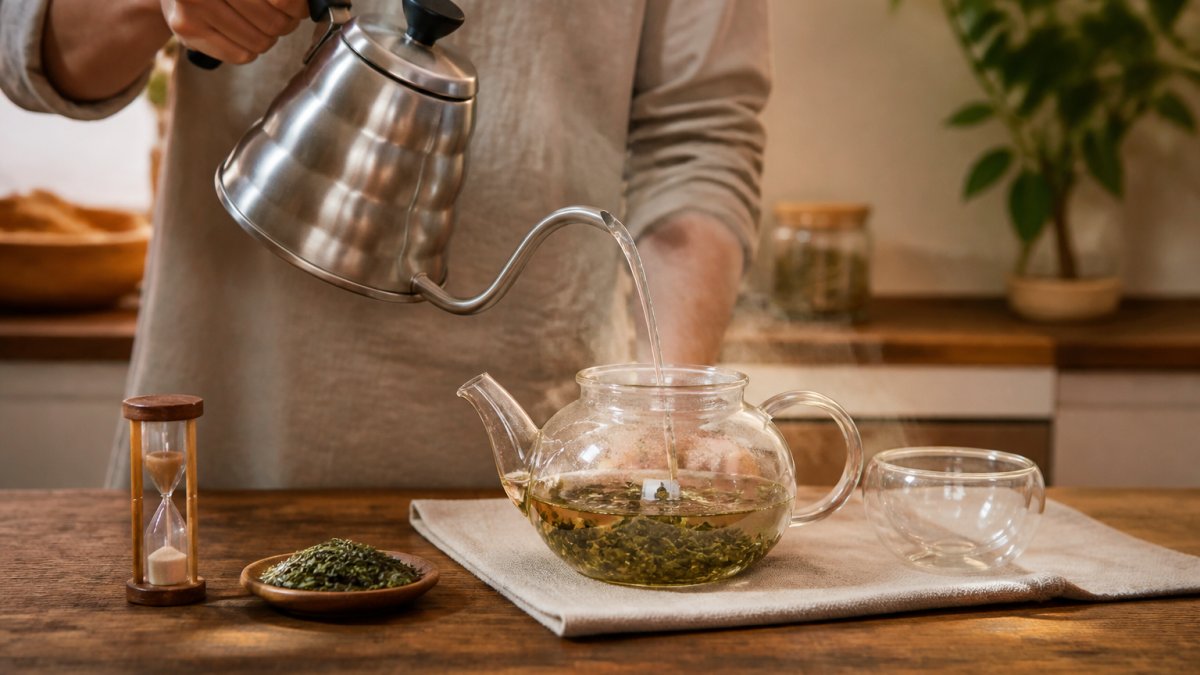
Here is how we would do it:
- Heat water to a moderate temperature suited to green tea; check the product page for specific brewing guidance. (about 160-180°F)
- Use a moderate amount of loose leaf per cup, adjusting to taste. (About 1-3 teaspoons of loose leaf per 8 ounces
- Steep briefly 1-3 min, then taste, adding time gradually as needed.
- Skip sugar. Unsweetened tea is the point; added sugar works against the goal.
- Drink it hot or iced. Both count.
Our Sencha Kagoshima is a grassy, umami-rich green tea.
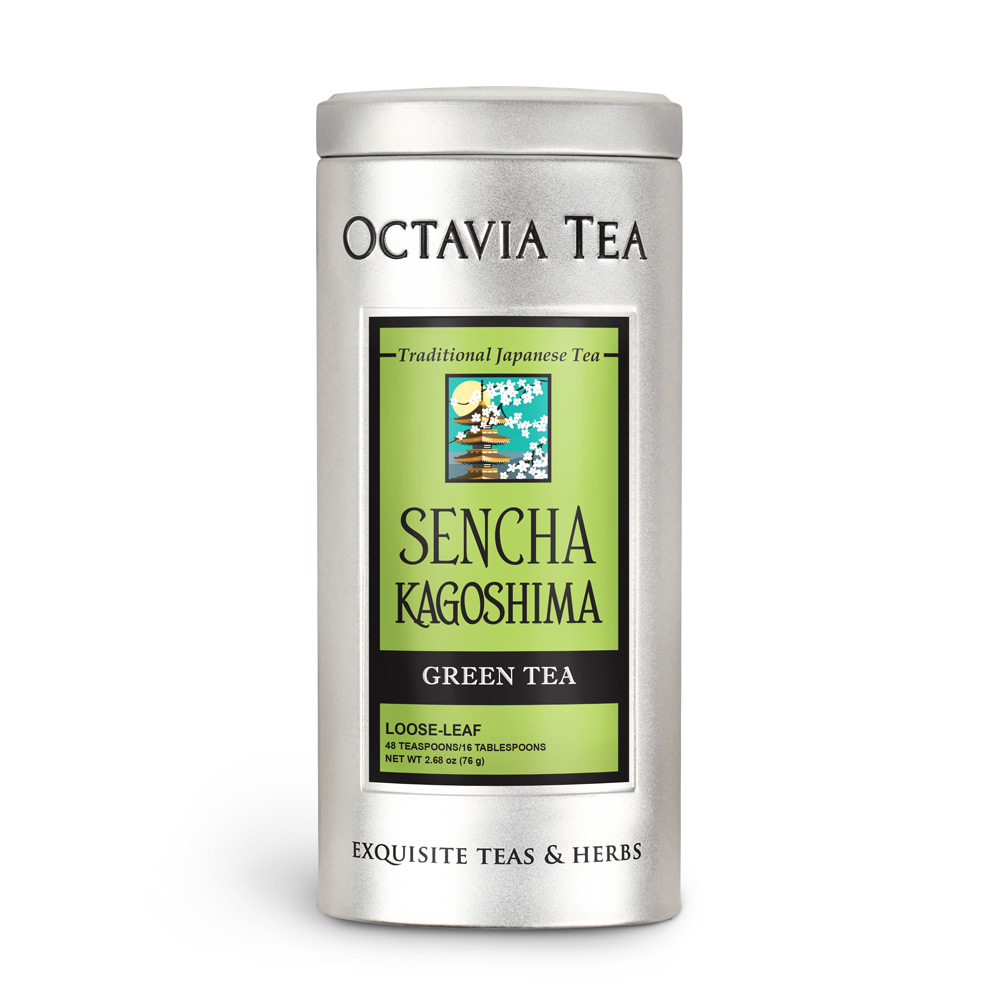
Watch out: steeping green tea in fully boiling water for several minutes turns it harsh and bitter, which is the most common reason people abandon loose leaf.
Realistic Expectations: Evidence Quality and Effect Sizes
Tea is not a treatment for arterial plaque. At most tea is associated with modest support for blood vessel function and blood pressure.
Effect sizes in the research are generally small and appear over time rather than after a single cup.
That is not a reason to skip tea. It is a reason to pair it with the things that move the needle more: regular movement, sleep, and a diet built around plants.
Safety and Medication Interactions to Know
Tea is generally safe for most healthy adults, but the picture can change when managing a cardiovascular condition or taking daily medication. The cautions below are the ones that matter most for people drinking tea specifically for arterial function.
Caffeine sensitivity and blood pressure. Green, black, and oolong teas contain caffeine, and caffeine can produce a short-term bump in blood pressure in people who are sensitive to it. That bump is usually small and temporary, but if you are monitoring your readings, it is worth knowing that a cup can show up on a cuff taken shortly afterward.
Iron absorption. Tea contains compounds that can bind iron from food and reduce how much you absorb, particularly non-heme iron from plant sources (Inhibition of non-haem iron absorption in man by polyphenolic-containing beverages). If you are prone to low iron or take an iron supplement, drinking tea between meals rather than with them is the practical fix.
Blood pressure medication. If you take medication for hypertension, tea is not a substitute and should not be treated as one. The concern is not usually a dangerous interaction with brewed tea, but rather the risk of attributing a good reading to tea and easing off prescribed treatment.
Anticoagulants and antiplatelet drugs. Green tea contains vitamin K, which can interact with warfarin and similar anticoagulants, so people on these medications should keep their intake consistent. If you take a blood thinner, talk to your doctor or pharmacist before making green tea a daily habit, and keep your intake steady rather than swinging from none to several cups.
Pregnancy and supplements. Green tea extracts sold as supplements can deliver much higher catechin doses than brewed tea, and those concentrated doses carry different cautions than a cup. If you are pregnant, nursing, or taking a green tea supplement, check with your clinician rather than extrapolating from brewed-tea guidance.
When tea is the wrong tool. Tea should never delay evaluation for cardiovascular symptoms. The NIH Office of Dietary Supplements publishes plain-language guidance on supplement and food interactions worth reading, and your pharmacist is a good first stop for questions about a specific medication.
Building a Daily Tea Ritual That Fits Your Routine
The best tea ritual is the one you will actually repeat. Two to three cups a day, spread across the morning and early afternoon, is a realistic target for most people.
Anchor it to something you already do: after breakfast, mid-morning, after lunch. Habit stacking beats willpower.
Keep a small tin at your desk and one at home. Convenience drives consistency, and consistency is where the benefits live.
Choosing Your First Heart-Healthy Tea
Start with one green tea and one caffeine-free option. That gives you a daytime cup and an evening cup without overthinking it.
Our Green blends include sencha and matcha for a rich, vivid green cup and is a strong first pick if you want a bolder flavor.
Best for: daily green tea drinkers who want a bolder cup. Skip if: you prefer light, delicate greens.
Frequently Asked Questions
Can tea unclog arteries?
No tea unclogs arteries. Atherosclerosis involves plaque buildup inside artery walls, and no beverage removes it. Research on tea compounds is ongoing, and the effects, if any, are generally considered modest. Think of tea as one supportive habit within a broader heart-health routine that includes diet, exercise, and medical care, not as a treatment for existing plaque.
Which tea is best for poor circulation?
Green tea and hibiscus tea have the most research behind them for supporting blood vessel function and blood pressure. Green tea's catechins, especially EGCG, are linked to improved endothelial function, while hibiscus has been studied for its blood pressure effects. Oolong and black tea offer similar polyphenols. Choose unsweetened tea, drink it consistently, and pair it with movement and a balanced diet for circulation support.
How much green tea should I drink daily for heart benefits?
Research on green tea and cardiovascular health uses a range of intake levels, and the right amount for you depends on your health and caffeine tolerance. Talk with your clinician about what makes sense for you. If you are sensitive to caffeine, choose lower-caffeine options like hibiscus or rooibos, or drink your green tea earlier in the day.
Does adding milk or sugar to tea cancel its benefits?
Milk: the evidence is mixed. One small study found that adding milk reduced tea's short-term effect on blood vessel function, while other work hasn't, so if you're drinking tea specifically for this reason, you may prefer it plain. Sugar: added sugar adds calories and works against blood pressure and metabolic goals, so most people do better unsweetened. If you want a little sweetness, a small amount of honey is still sugar, so keep it minimal
Building a heart-healthy habit should not feel like a chore, and it should not taste like one either. Octavia Tea offers over 120 organic loose leaf teas sourced direct from estate gardens, hand-blended with natural flavor essences and pure essential oils, with no artificial ingredients. Every blend is USDA certified organic, and retail orders over $65 ship free. Get started with Octavia Tea and find the daily cup you will actually look forward to.


Octavia Tea Sign In
Create New Account