























Best Organic Tea for Heart Health

Table of Contents
- Why Organic Tea Matters for Cardiovascular Health
- How to Identify High-Quality Organic Tea
- Green Tea and Catechins: The Heart Health Connection
- Rooibos Tea and Blood Pressure Regulation
- Black Tea, Oolong, and Arterial Function
- Drug-Herb Interactions and Caffeine Sensitivity
- Brewing Temperature, Steeping Time, and Bioavailability
- Benefits of Organic Loose Leaf Tea for Daily Wellness
- Frequently Asked Questions
Last Updated: September 1, 2026
Why Organic Tea Matters for Cardiovascular Health
Daily choices compound over time. Drinking organic tea for heart health fits seamlessly into your routine while delivering cardiovascular benefits. Unlike supplements requiring prescriptions or diets demanding complete lifestyle shifts, tea is accessible, affordable, and enjoyable.
The cardiovascular system depends on reducing oxidative stress and inflammation. Organic teas, grown without synthetic pesticides or chemical fertilizers, retain higher concentrations of natural protective compounds. When consumed daily, the purity and potency of what you're drinking directly affects whether you receive therapeutic benefit.
At Octavia Tea, we source teas from estate gardens prioritizing plant health over yield. Our organic teas contain the full spectrum of polyphenols, catechins, and flavonoids that research suggests support arterial function and healthy blood pressure. This guide explores which organic teas deliver cardiovascular benefits, how to identify quality, and how brewing technique affects bioavailability.
How to Identify High-Quality Organic Tea
Organic certification guarantees teas were grown without synthetic chemicals, but doesn't ensure potency, freshness, or the presence of compounds you seek for cardiovascular health.
Start with the source. Estate-grown teas traced to specific gardens tend to have higher concentrations of beneficial polyphenols. Altitude, climate, and harvest timing directly influence the tea plant's production of catechins and antioxidants. Higher-altitude teas typically develop more protective compounds.
Choose loose leaf over tea bags. Loose leaf contains whole or large-cut leaves with more surface area for steeping and better flavor extraction. Tea bags often contain "dust", broken fragments with fewer intact compounds. Octavia Tea uses whole leaves and large pieces that unfurl during brewing, delivering the full therapeutic dose.
Freshness matters. Tea oxidizes over time, degrading polyphenols and reducing antioxidant power. Seek tea packaged within the last 6-12 months. Vacuum-sealed packaging in opaque containers preserves freshness better than clear bags. High-quality organic tea should smell vibrant and complex, not flat or musty.
Third-party testing provides transparency. Some companies publish lab results showing polyphenol content, pesticide screening, and heavy metal testing, going beyond organic certification to confirm therapeutic value and safety.
| Quality Indicator | What It Means | Why It Matters | | --- | --- --- | | Estate-grown origin | Tea from a single, identified garden | Higher polyphenol concentration | | Loose leaf format | Whole or large-cut leaves | Better compound extraction during brewing | | Recent harvest | Packaged within 6-12 months | Maximum antioxidant potency | | Vacuum-sealed packaging | Opaque, airtight containers | Prevents oxidation and flavor degradation | | Third-party testing | Lab verification of compounds and purity | Confirms therapeutic value and safety |
Green Tea and Catechins: The Heart Health Connection
Green tea is the cardiovascular workhorse. It contains catechins, polyphenols that survive the minimal processing defining green tea production. Black and oolong teas undergo more oxidation, transforming some catechins into other compounds. Green tea's light processing preserves catechins in their most bioavailable form.
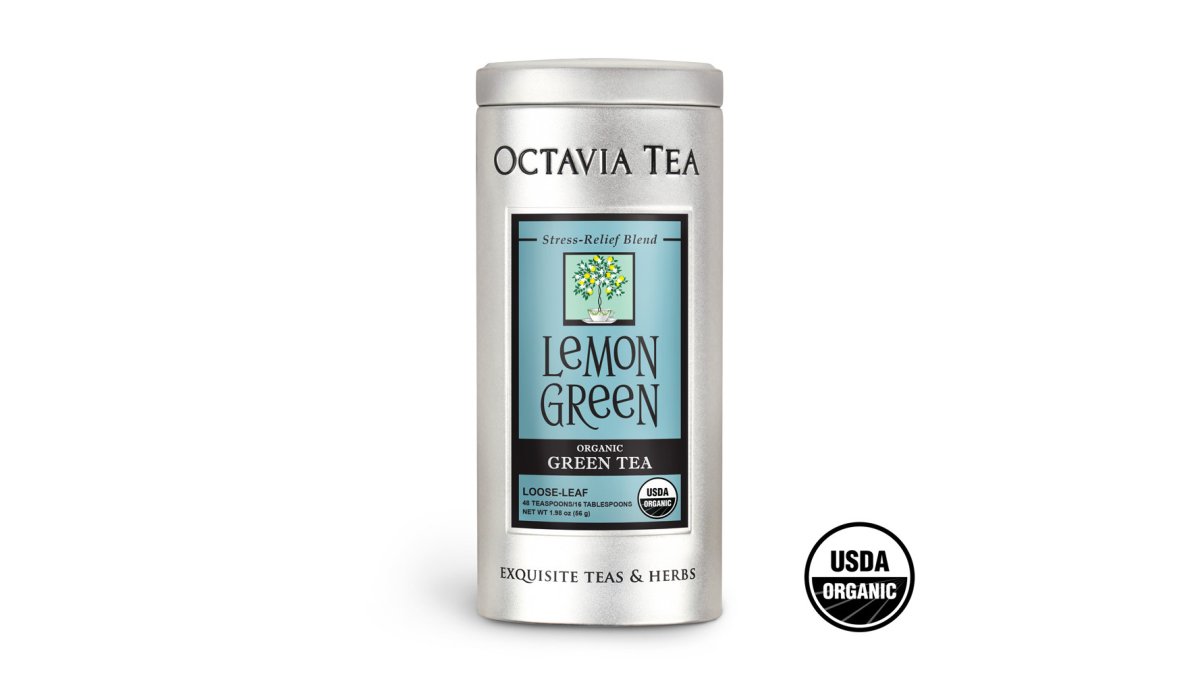
Catechins reduce oxidative stress in arterial walls by neutralizing free radicals before they damage the endothelium, the delicate inner lining of arteries (peer-reviewed research). They also support nitric oxide production, a molecule that helps arteries relax and maintain healthy blood flow.
The best organic green tea comes from a single origin and has been stored properly. Matcha, powdered green tea, delivers even higher catechin concentration because you consume the entire leaf. Octavia Tea's Matcha is a tea rich in catechins while remaining approachable for daily drinking.
Steep green tea at 160-180°F for 2-3 minutes. Water that's too hot damages catechins and creates bitter flavors that discourage regular consumption.
:::pro-tip Green tea's catechin content peaks around 2-3 minutes of steeping. Longer steeping doesn't extract more beneficial compounds; it just makes the tea taste worse and over-extracts caffeine. :::
Antioxidants and Polyphenols Explained
Polyphenols are plant compounds with multiple phenol groups. They're why plants have color, astringency, and protective properties. When you drink tea, you consume polyphenols the plant developed to protect itself from UV damage and pests. Your body repurposes these compounds to fight oxidative stress and inflammation.
Different tea types contain different polyphenol profiles. Green tea is rich in catechins. Black tea contains theaflavins and thearubigins, polyphenols forming during oxidation. Oolong sits between green and black. Rooibos contains aspalathin and nothofagin, unique polyphenols not found in true teas.
Cardiovascular benefits come from polyphenols' ability to reduce inflammation and support healthy cholesterol levels. They prevent LDL cholesterol oxidation, a key step in plaque formation, and support blood vessel flexibility and tone, helping maintain healthy blood pressure.
Bioavailability, how much of what you consume reaches your bloodstream, varies by polyphenol type and tea preparation. Catechins are more bioavailable when steeped at lower temperatures and consumed without prolonged storage. Adding lemon juice to green tea increases catechin absorption. These details matter because high polyphenol content prepared incorrectly delivers less benefit than optimal preparation.
Rooibos Tea and Blood Pressure Regulation
Rooibos is an herbal infusion from the Aspalathus linearis plant native to South Africa. It deserves consideration for cardiovascular health, particularly for people sensitive to caffeine or seeking caffeine-free evening options.
Rooibos contains compounds supporting healthy blood pressure through multiple mechanisms. Its polyphenols help relax blood vessel walls, reducing arterial resistance, particularly relevant for managing hypertension. Unlike caffeine, which temporarily elevates blood pressure, rooibos supports relaxation.
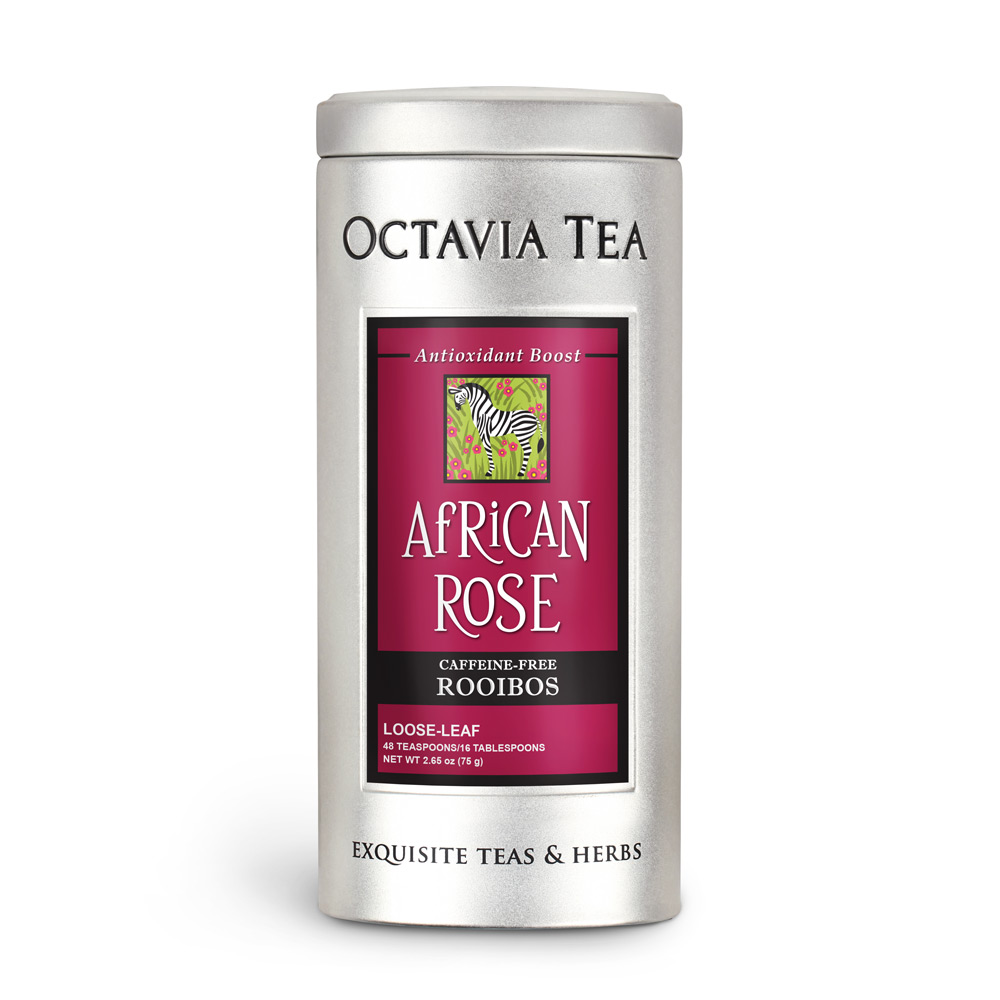
Octavia Tea's African Rose blends rooibos with linden and rose, enhancing rooibos's naturally sweet character while adding complementary botanicals. Linden has a long history supporting cardiovascular function. Rose adds aromatic complexity and additional polyphenols.
Rooibos contains iron, calcium, and magnesium, minerals supporting healthy arterial function and cardiovascular muscle tone. Because it's caffeine-free, it's suitable for afternoon and evening consumption without disrupting sleep. Since cardiovascular health depends on consistent daily habits, having multiple teas you enjoy at different times increases long-term adherence.
Brew rooibos at full boiling temperature (212°F) for 5-7 minutes. Unlike green and black teas, rooibos benefits from hotter water and longer steeping.
Black Tea, Oolong, and Arterial Function
Black tea undergoes full oxidation, transforming catechins into theaflavins and thearubigins. These oxidized polyphenols maintain cardiovascular benefits through different mechanisms than green tea, making black tea a valuable complement to a diverse tea routine.
Theaflavins in black tea reduce oxidative stress in the endothelium. When endothelial cells remain healthy, they produce adequate nitric oxide, allowing arteries to dilate and maintain healthy blood flow. Black tea's polyphenols also support blood vessel wall integrity, reducing arterial stiffening likelihood.
Oolong sits between green and black on the oxidation spectrum, typically 20-80% oxidized. This creates a unique polyphenol profile supporting cardiovascular health through multiple pathways. Oolong's complexity makes it excellent for people seeking variety in daily tea consumption.
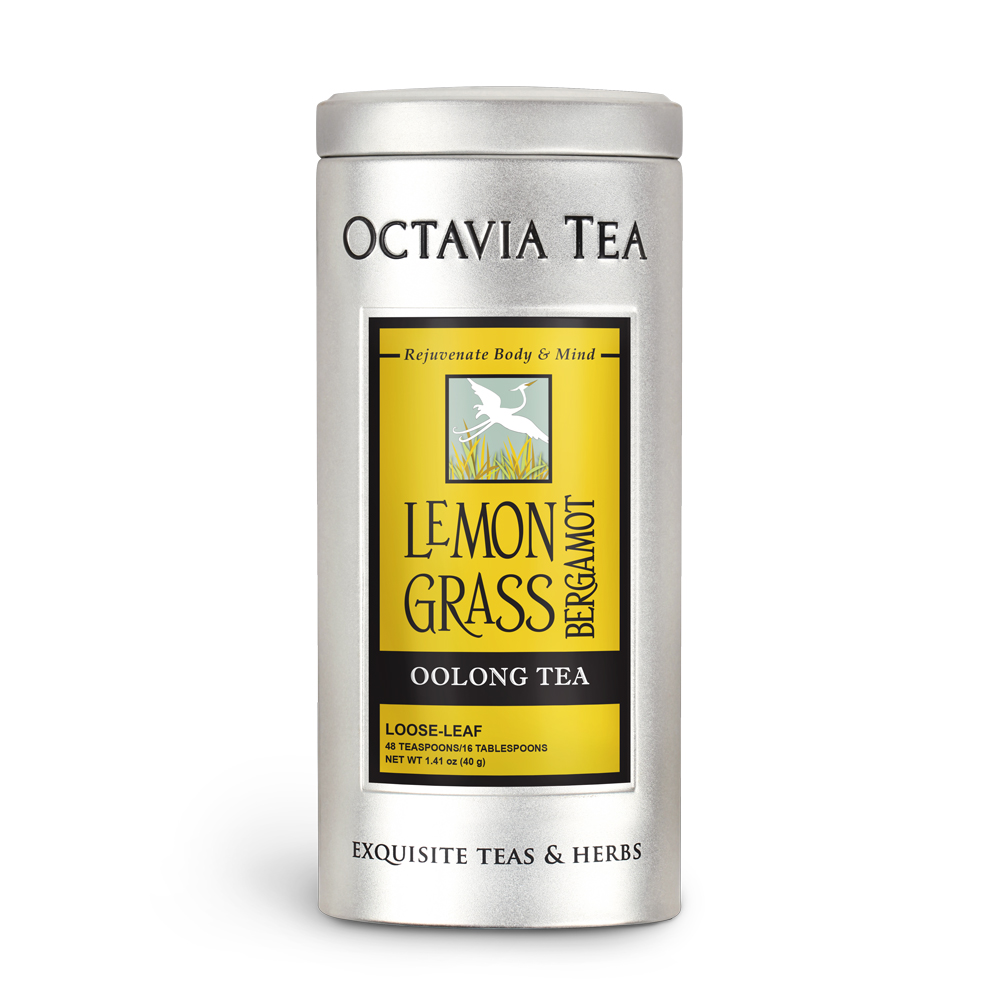
Octavia Tea's Lemongrass oolong combines oolong's naturally sweet character with bright citrus notes. Our Silver Mountain Water is a reserve-grade Taiwanese oolong showcasing depth possible with high-altitude growth and precision processing.

Black and oolong teas tolerate higher brewing temperatures than green tea. Steep black tea at 200-212°F for 3-5 minutes. Oolong typically brews best at 195-210°F for 3-5 minutes, depending on style.
Drug-Herb Interactions and Caffeine Sensitivity
Certain teas can interact with common cardiovascular medications. Green tea, black tea, and oolong contain compounds affecting how your body metabolizes some drugs. Polyphenols can inhibit liver enzymes that break down medications, potentially increasing medication levels in your bloodstream.
If you're taking warfarin or other anticoagulants, green tea's vitamin K content becomes relevant (the NIH). Vitamin K promotes blood clotting, potentially reducing anticoagulant effectiveness. Maintain consistent consumption and inform your doctor about tea habits. Sudden consumption changes can affect your INR if you're on warfarin.
Caffeine affects blood pressure and heart rate. For most people, tea's caffeine content (25-50mg in black tea, 25-50mg in oolong, 20-30mg in green tea) produces minimal cardiovascular effects (the FDA). But for people with certain arrhythmias, severe hypertension, or caffeine sensitivity, even this amount matters. Discuss caffeine tolerance with your cardiologist before significantly increasing tea consumption.
Rooibos and herbal infusions like Octavia Tea's Turmeric Ginger are caffeine-free alternatives bypassing these concerns. Turmeric contains curcumin, a polyphenol with anti-inflammatory properties. Ginger supports healthy circulation with mild anticoagulant properties.
Start with one tea, maintain consistent consumption for 2-4 weeks, and monitor how you feel. If you're on medications, inform your healthcare provider about tea consumption. Make significant changes gradually and observe any shifts in how you feel or medication effectiveness.
Brewing Temperature, Steeping Time, and Bioavailability
How you prepare tea determines what compounds reach your bloodstream.
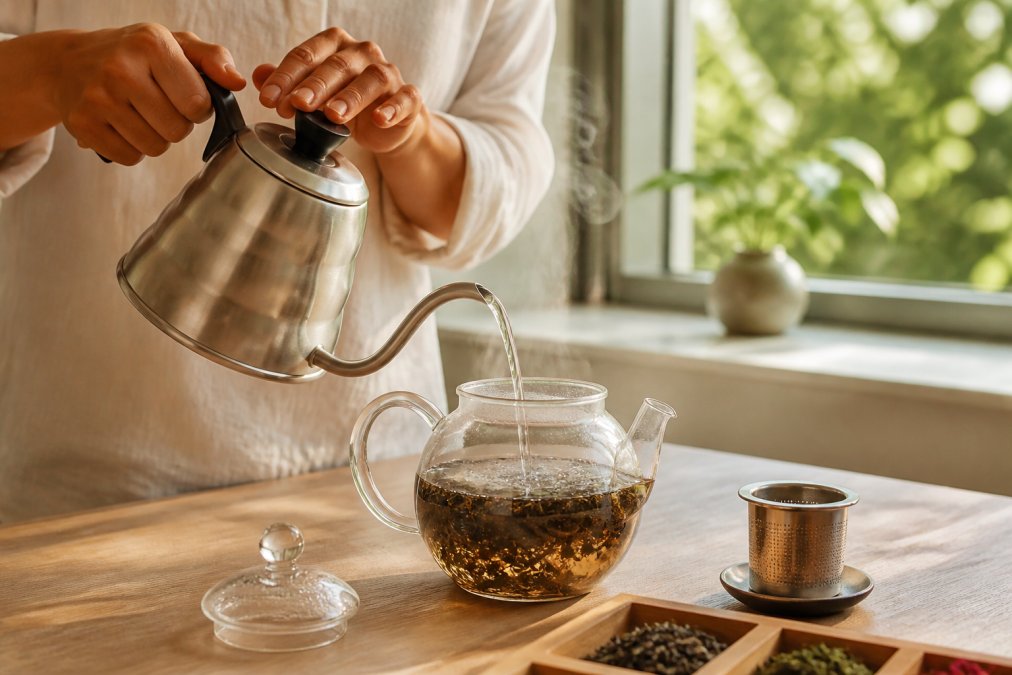
Temperature affects which compounds extract. Lower temperatures extract catechins and delicate polyphenols preferentially. Higher temperatures extract more tannins, creating astringency. For green tea, temperatures above 180°F degrade catechins and extract excessive tannins. For black tea and oolong, higher temperatures are appropriate because oxidation has already altered polyphenol structure.
Steeping time compounds the temperature effect. The sweet spot for most teas is 2-5 minutes. Beyond 5 minutes, you're adding bitterness and caffeine without proportionally increasing desired polyphenols. The first 2-3 minutes extract most beneficial compounds.
Water quality matters. Chlorine and minerals in tap water can interfere with polyphenol extraction and affect flavor. Filtered water is preferable. For very hard water, consider distilled or reverse-osmosis water for delicate green teas.
Glass or ceramic brewing vessels allow observation and don't interact with polyphenols. Metal can interact with certain compounds, potentially reducing bioavailability. Ceramic infusers or glass teapots are ideal.
Consume tea with food, particularly meals containing fat or protein, to increase polyphenol absorption. Tea on an empty stomach may pass through your digestive system too quickly for optimal absorption. Drink tea with breakfast or lunch rather than immediately upon waking.
Store tea in opaque, airtight containers away from direct sunlight and heat. A cool, dark cupboard is ideal. Properly stored tea maintains polyphenol content for 6-12 months. After a year, polyphenol degradation accelerates noticeably.
Benefits of Organic Loose Leaf Tea for Daily Wellness
The best organic tea for heart health is one you'll actually drink consistently. Loose leaf tea wins over alternatives here.
Loose leaf tea offers superior flavor, making you more likely to drink it daily without added sweeteners or milk that might reduce polyphenol absorption. When tea tastes genuinely good, it becomes a ritual you look forward to rather than a health obligation.
Loose leaf tea is more economical at scale. A single serving costs less than premium tea bags. Octavia Tea's organic loose leaf teas start at $3.50 per ounce, translating to roughly 10-15 servings. Compare that to boutique tea bags at $1-2 per bag, and loose leaf becomes the clear value choice.
Loose leaf tea is environmentally responsible. You're not generating tea bag waste; many contain plastics that don't biodegrade. Used leaves can be composted or added to garden soil. Packaging is minimal compared to individually wrapped tea bags.
Preparing loose leaf tea, measuring leaves, heating water to the right temperature, watching leaves unfurl, creates a mindful pause in your day. This ritual has its own cardiovascular benefits. Stress reduction and deliberate slowing support healthy blood pressure and arterial function.
Octavia Tea's hand-blended organic loose leaf teas combine ritual with genuine cardiovascular benefit. Our blends use whole leaves and large pieces providing an engaging brewing experience. Each is formulated to deliver polyphenols and beneficial compounds with flavor profiles making daily consumption genuinely enjoyable.
Building cardiovascular health requires consistency, and consistency requires choosing practices you'll maintain. The best organic tea for heart health is ultimately the one fitting your taste preferences, schedule, and values. Whether drawn to green tea's bright character, oolong's complexity, black tea's warmth, or rooibos's caffeine-free comfort, organic loose leaf options deliver both genuine flavor and cardiovascular support. At Octavia Tea, we've curated over 120 organic blends specifically to make that choice easier. Our USDA certified teas are sourced directly from estate gardens and hand-blended using only natural flavor essences and pure essential oils, no artificial ingredients. Start with a blend appealing to you, brew it properly, and drink it consistently. That's where the real benefits begin.
Frequently Asked Questions
What is the healthiest organic tea to drink for heart health?
Green tea, particularly varieties like matcha and sencha, tops the list for cardiovascular support due to their high catechin and polyphenol content. Rooibos tea offers caffeine-free cardiovascular benefits, while black and oolong teas provide flavonoids that support arterial function. Blueberry Green combines antioxidant-rich green tea with blueberries, delivering enhanced polyphenols in a single cup. The best choice depends on your caffeine sensitivity and personal health goals.
How do antioxidants in organic tea support cardiovascular health?
Antioxidants and polyphenols in organic tea reduce oxidative stress and inflammation, both key factors in heart disease development. Catechins in green tea improve vascular health by enhancing arterial function and helping regulate blood pressure. These compounds work by protecting blood vessels from damage and supporting healthy cholesterol levels. Regular consumption as part of a wellness routine contributes to long-term metabolic health and reduced cardiovascular risk.
Are there caffeine-free organic tea options for evening consumption?
Yes. Rooibos tea, like African Rose, contains zero caffeine while delivering substantial antioxidant and polyphenol benefits for heart health. Herbal blends such as Turmeric Ginger provide anti-inflammatory support without caffeine. These caffeine-free alternatives are ideal for evening consumption and work well for individuals sensitive to caffeine or taking ACE inhibitors and other heart medications, where caffeine interactions may be a concern.
How much organic tea should you drink daily for heart health benefits?
Most clinical studies suggest 2-3 cups daily provides meaningful cardiovascular benefits. Green tea studies often use 200-400 mg of catechins daily, roughly equivalent to 2-3 cups of brewed tea. Consistency matters more than volume; daily intake supports sustained reduction in blood pressure and cholesterol levels. Start with one cup and increase gradually, adjusting based on caffeine sensitivity and any interactions with medications.


Octavia Tea Sign In
Create New Account