























Blueberry Green Tea: A Complete Brewing Guide

Table of Contents
- What Makes Blueberry Green Tea Special
- Organic Loose Leaf Tea Benefits for Daily Wellness
- How to Brew Green Tea Without Bitterness
- Hot and Iced Preparation Methods
- Culinary Pairings and Flavor Combinations
- Why Organic Sourcing and Sustainability Matter
- Frequently Asked Questions
Last Updated: August 31, 2026
What Makes Blueberry Green Tea Special
Blueberry green tea combines two nutritional powerhouses into a single, elegant infusion. At its core, blueberry green tea pairs the delicate, grassy notes of green tea with the rich, jammy sweetness of blueberries, creating a flavor profile that appeals to both seasoned tea enthusiasts and newcomers alike. What makes this blend genuinely special isn't just the taste; it's the synergy between the botanical compounds in each ingredient.
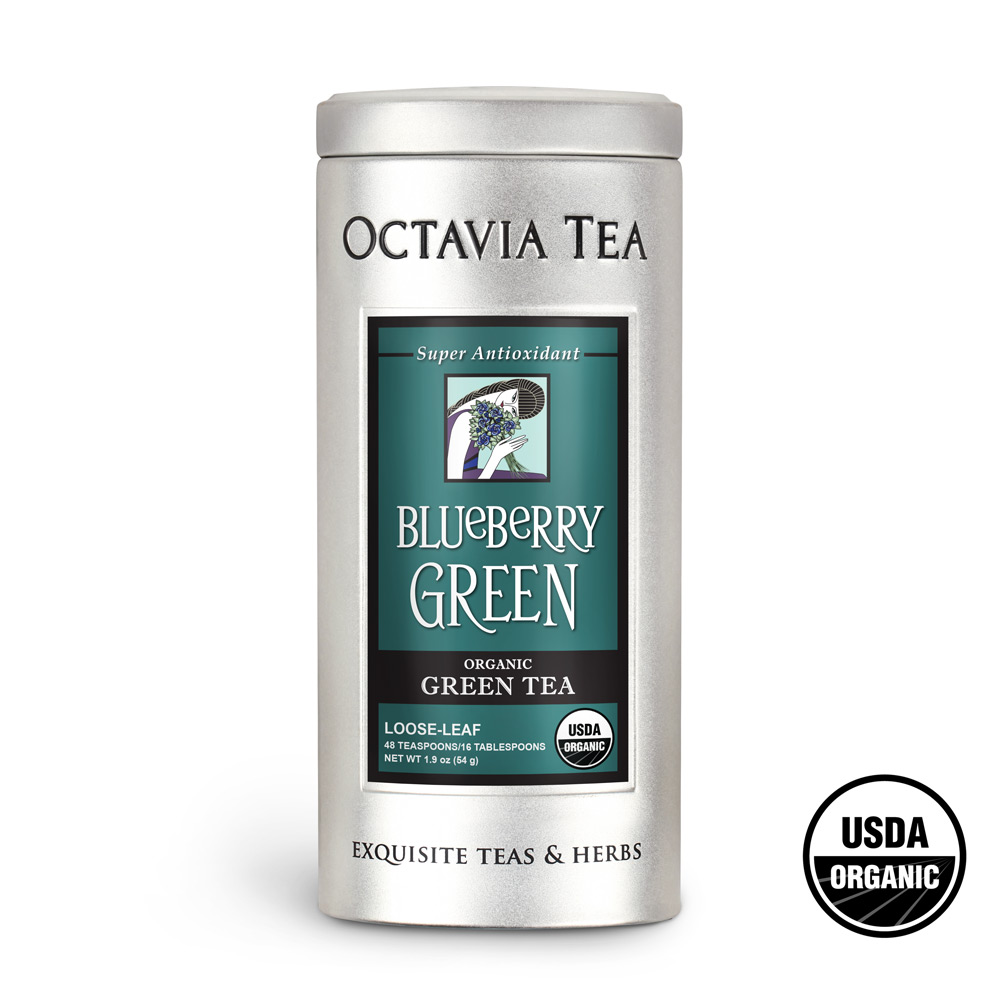
Green tea delivers catechins and polyphenols, while blueberries contribute anthocyanins, all potent antioxidants that work together to support overall wellness (the NIH). Unlike many fruit-forward teas that rely on artificial flavoring to mask inferior tea leaves, authentic blueberry green tea uses natural flavor essences and real fruit, allowing the true character of the tea to shine through. At Octavia Tea, we hand-blend our blueberry green tea using only natural flavor essences and pure essential oils, with no artificial ingredients, ensuring you're getting the full botanical benefit with every cup.
The tartness of blueberries cuts through the sometimes-astringent notes that can emerge from improperly brewed green tea, making this blend forgiving for those still perfecting their brewing technique. This balance is why blueberry green tea has become a customer favorite: it tastes sophisticated enough to impress, yet approachable enough for daily enjoyment. Whether you're drawn to it for its health benefits or simply for the refreshing, fruit-forward flavor, this blend delivers on both fronts.
Organic Loose Leaf Tea Benefits for Daily Wellness
The difference between loose leaf tea and tea bags goes far deeper than convenience. Loose leaf organic tea preserves the integrity of the botanical material in ways that mass-produced tea bags cannot (peer-reviewed research). When tea leaves are whole or in large pieces, they retain their essential oils, volatile compounds, and structural integrity, all of which contribute to a more aromatic, flavorful, and nutritionally complete infusion.
Organic cultivation matters because it eliminates synthetic pesticides and chemical residues that can accumulate in tea leaves over time. Since tea leaves are steeped directly in water you consume, choosing organic means you're avoiding unnecessary chemical exposure. The farming practices behind organic tea also tend to support soil health and biodiversity, which creates a more stable growing environment for the tea plant itself.
Loose leaf organic tea also allows for better water circulation during steeping, which means more efficient extraction of catechins, anthocyanins, and other beneficial compounds. A tea bag's compressed leaf material and paper barrier can actually impede this process, resulting in a weaker infusion and fewer of the antioxidants you're seeking. When you brew loose leaf blueberry green tea, you're getting maximum access to the botanical compounds that support metabolic function, immune response, and cellular protection against free radicals.
For daily wellness rituals, loose leaf tea becomes more than a beverage, it becomes a practice. The act of measuring, steeping, and waiting for your tea to develop creates a moment of intentionality in your day. Many people find that this ritual, combined with the superior flavor and health benefits of quality loose leaf tea, makes it worth the minimal extra effort compared to grabbing a tea bag.
How to Brew Green Tea Without Bitterness
The most common mistake people make with green tea is treating it like black tea. Green tea is far more delicate and requires a lighter touch with water temperature and steeping time. Bitterness in green tea almost always comes from water that's too hot or leaves that have steeped too long, both easily preventable with the right approach.
Water Temperature and Steeping Time
The ideal water temperature for green tea is between 160°F and 180°F, significantly lower than the 200°F+ used for black tea (peer-reviewed research). If you don't have a thermometer, a practical guideline is to let boiled water cool for 3-5 minutes before pouring. This single adjustment eliminates the majority of bitterness complaints.
Steeping time for loose leaf blueberry green tea should be 2-3 minutes for the first infusion. Many quality loose leaf teas can be steeped multiple times, a practice called "re-steeping", with subsequent infusions often tasting smoother and more nuanced than the first. The second steep typically takes 3-4 minutes, and a third steep can go even longer without becoming unpleasantly bitter because the most soluble compounds have already been extracted.
Temperature and steeping time work together. If your water is on the cooler end of that 160-180°F range, you can steep slightly longer. If you're closer to 180°F, keep it to the shorter end of the 2-3 minute window. This flexibility means you can adjust based on your preference and your specific water temperature.
Loose Leaf vs. Tea Bags
Loose leaf tea offers superior control over the brewing process because the leaves have room to expand and move freely in the water. Tea bags compress the material, limiting water flow and creating uneven extraction. With loose leaf blueberry green tea, you can see exactly how much tea you're using, adjust the amount to your taste preference, and ensure even steeping.
The quality difference is also significant. Premium loose leaf tea uses whole leaves or large leaf fragments, while many tea bags contain "fannings", the dust and broken pieces left over after processing. These smaller particles over-extract quickly, leading to harsh, bitter flavors. When you choose loose leaf organic tea from a reputable source like Octavia Tea, you're getting the actual tea plant material, not its byproducts.
For brewing loose leaf tea, you'll need an infuser, a mesh basket, ball, or small pot designed to hold leaves while allowing water to circulate freely. The investment is minimal, and they last indefinitely. Many people find that the improved flavor makes the small additional effort completely worthwhile.
Hot and Iced Preparation Methods
Blueberry green tea is remarkably versatile, performing beautifully in both hot and cold preparations. The key difference lies in extraction time and temperature, both of which change how the flavor compounds develop.

Hot preparation follows the guidelines outlined above: 160-180°F water, 2-3 minutes steeping time. Serve immediately in a prewarmed cup to preserve the aromatic qualities and heat. The hot infusion brings out the floral, grassy notes of the green tea while the blueberry sweetness rounds out the finish.
Cold brewing is an entirely different process that produces a smoother, naturally sweeter result. Cold brew requires no heat, simply place loose leaf blueberry green tea in cold water and let it steep in the refrigerator for 6-12 hours. The extended steeping time at low temperature extracts the flavor compounds more gradually and gently, resulting in a tea that's naturally refreshing without any bitterness or astringency. A common ratio is one tablespoon of loose leaf tea per cup of cold water.
Iced hot tea is another option: brew your tea hot using the standard method, then pour it over ice immediately. This creates a more concentrated flavor than cold brew, though it will dilute slightly as the ice melts. Some people prefer this method because it delivers the full aromatic experience of hot tea while still providing a chilled beverage.
The choice between these methods depends on your schedule and flavor preference. Cold brew requires planning ahead but offers convenience and a naturally sweeter profile. Hot brewing followed by icing gives you more immediate results with a bolder flavor. Both methods showcase blueberry green tea beautifully.
Culinary Pairings and Flavor Combinations
One of the underrated aspects of blueberry green tea is its versatility as a culinary ingredient, not just a beverage. The tartness and subtle sweetness of the brew complement both sweet and savory dishes in ways that most people haven't explored.
With desserts, blueberry green tea pairs exceptionally well with lemon-based pastries, vanilla custards, and light cheesecakes. The tea's natural tartness cuts through richness without overwhelming delicate flavors. For something more adventurous, try serving it alongside dark chocolate, the antioxidants in both the tea and chocolate create an interesting sensory experience, and the blueberry notes bridge the gap between bitter and sweet.
In savory applications, brewed blueberry green tea can be used to poach chicken or fish, infusing the protein with subtle botanical flavor without overpowering the natural taste. The tea also works beautifully in vinaigrettes or as a reduction to glaze roasted vegetables. The anthocyanins and polyphenols in blueberries pair surprisingly well with roasted beets and leafy greens, creating a cohesive flavor profile with genuine nutritional synergy.
For a simple at-home pairing, consider serving blueberry green tea with fresh berries, mild cheeses, and whole grain crackers. The refreshing infusion complements this combination without competing for attention. This approach works equally well for casual afternoon gatherings or more formal entertaining.
The key to successful culinary pairing is recognizing that blueberry green tea isn't just a beverage, it's a flavor component with its own character. Its aromatic quality, tartness, and subtle sweetness make it a natural fit alongside foods that share similar flavor notes or that benefit from the contrast it provides.
Why Organic Sourcing and Sustainability Matter
The journey of your tea from plant to cup involves countless decisions about farming practices, processing methods, and supply chain transparency. Choosing organic loose leaf tea means you're supporting agricultural systems that prioritize soil health, biodiversity, and long-term sustainability over short-term yield maximization.
Conventional tea farming often relies on synthetic pesticides and fertilizers that can accumulate in the soil and water systems surrounding tea estates. Organic farming prohibits these inputs, instead building soil fertility through composting, crop rotation, and integrated pest management. This approach takes longer and requires more active management, but it results in healthier plants, more resilient ecosystems, and tea leaves free from chemical residues.
Sustainability extends beyond pesticide use. It encompasses fair labor practices, water conservation, and forest preservation. Many tea-growing regions face water scarcity, making efficient irrigation critical. Sustainable estates invest in water management systems that minimize waste while maintaining plant health. They also often preserve surrounding forests, which provide habitat for pollinators and help regulate local climate and water cycles.
When you purchase organic loose leaf tea from a source like Octavia Tea that sources directly from estate gardens, you're supporting farmers who have made the commitment to these practices. Direct sourcing relationships mean that profits flow more directly to the people growing your tea, rather than being distributed across multiple middlemen. This creates incentive for continued quality and sustainability rather than race-to-the-bottom pricing that encourages cutting corners.
The environmental impact of your tea choice compounds over time. A single cup of blueberry green tea may seem like a small decision, but when multiplied across thousands of daily tea drinkers choosing organic, the aggregate effect on farming practices, chemical use, and agricultural sustainability becomes significant. Choosing organic loose leaf tea is a tangible way to align your daily consumption with your values around environmental stewardship.
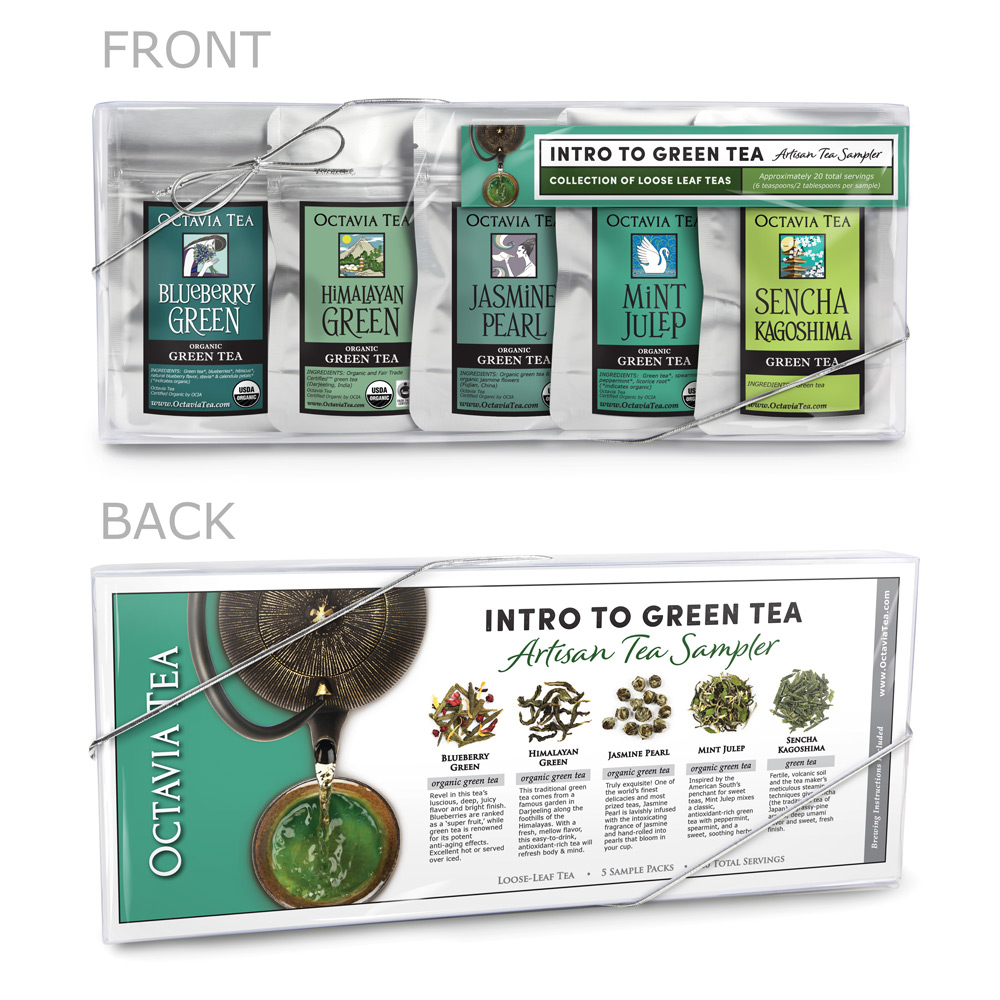
Brewing the perfect cup of blueberry green tea requires attention to just a few key variables, water temperature, steeping time, and leaf quality, but the payoff is substantial. When you start with premium organic loose leaf tea like Octavia Tea's Blueberry Green, you're beginning with leaves that have been hand-blended using only natural flavor essences and pure essential oils, with no artificial ingredients. The result is a tea that tastes genuinely good, delivers real health benefits through antioxidants like catechins and anthocyanins, and supports sustainable farming practices. Whether you're brewing hot for a morning ritual or cold-steeping for afternoon refreshment, this blend offers sophistication and wellness in every cup. Explore the Blueberry Green blend, or start with the Intro to Green Tea Sampler to discover your preferred brewing style.
Frequently Asked Questions
What are the health benefits of blueberry green tea?
Blueberry green tea combines two powerful sources of antioxidants: catechins from green tea and anthocyanins from blueberries. Together, they support immune function, help neutralize free radicals, and may promote healthy metabolism. The polyphenols in both ingredients work synergistically to deliver anti-aging benefits, making this blend a smart choice for daily wellness rituals.
How do you brew the perfect cup of loose leaf blueberry green tea?
Use water heated to 160-180°F and steep loose leaf tea for 2-3 minutes. Use about one teaspoon of tea leaves per 8 ounces of water. Avoid boiling water, which extracts excessive tannins and creates bitterness. Loose leaf tea allows leaves to expand fully, releasing more flavor and antioxidants than compressed tea bags. Start with 2 minutes and adjust to your taste preference.
Can you drink blueberry green tea every day?
Yes, blueberry green tea is safe for daily consumption. A typical cup contains about 25-50 mg of caffeine, making it gentler than black tea or coffee. Since it's made from organic loose leaf tea with natural fruit essences and no artificial ingredients, you can enjoy it daily as part of your wellness routine. Just monitor your total caffeine intake if you drink multiple cups.
What's the difference between flavored green tea and natural fruit infusions?
Premium blends like Octavia Tea's Blueberry Green use natural flavor essences and pure essential oils without artificial additives. This means the flavor comes from real botanical sources rather than synthetic compounds. Natural fruit infusions preserve the integrity of the ingredients and deliver cleaner taste profiles. Organic loose leaf varieties ensure no pesticide residues, offering pure, additive-free tea that aligns with health-conscious values.


Octavia Tea Sign In
Create New Account