























Gyokuro Imperial Green Tea: A Complete Brewing Guide

Table of Contents
- What Is Gyokuro Imperial Green Tea?
- Flavor Profile and What Makes Gyokuro Taste Exceptional
- How to Brew Gyokuro the Right Way
- Gyokuro vs. Sencha: Key Differences
- Gyokuro Caffeine Content and L-Theanine Synergy
- Health Benefits and Wellness Impact
- Getting Started With Gyokuro Imperial
- Conclusion
Last Updated: August 30, 2026
What Is Gyokuro Imperial Green Tea?
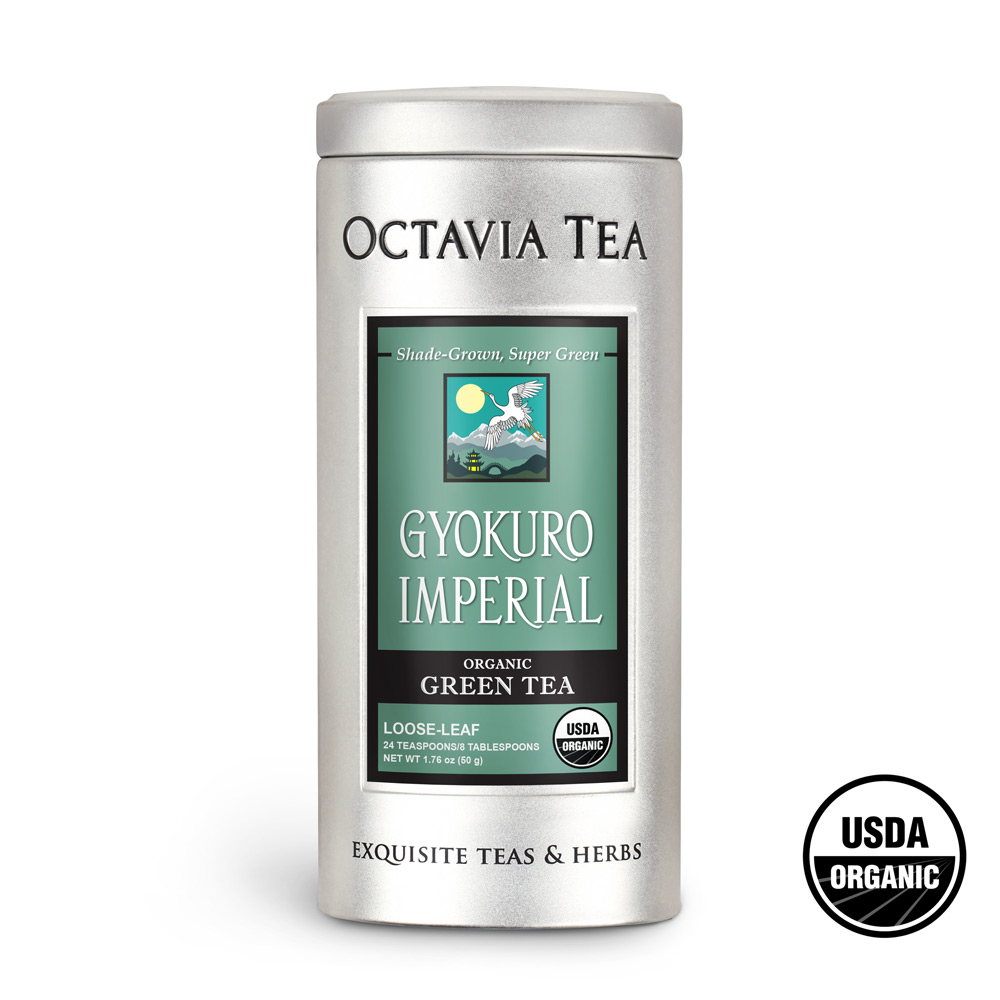
Gyokuro imperial green tea is one of the world's most prized teas, cultivated through a labor-intensive shade-growing process that transforms ordinary tea plants into producers of extraordinary leaves. The name translates to "jade dew," a poetic reference to the jewel-like quality of the finished tea. At Octavia Tea, we source gyokuro imperial green tea directly from estate gardens where this meticulous cultivation method has been perfected over centuries.
What separates gyokuro imperial green tea from other green teas is the deliberate reduction of sunlight during the final weeks before harvest. This shade-growing technique triggers biochemical changes in the leaves that fundamentally alter their flavor, aroma, and nutritional profile. The result is a tea that tastes nothing like standard green tea, instead of grassy, vegetal notes, gyokuro imperial green tea delivers complex, oceanic sweetness with umami depth. The leaves themselves are deep, almost black-green, a visual indicator of the chlorophyll and amino acid concentrations that make this tea exceptional.
The Shade-Grown Process
The shade-growing process begins about three weeks before harvest, when tea farmers cover their plants with bamboo tarps or shade cloth. This reduction of direct sunlight forces the tea plant to work harder, increasing chlorophyll production and triggering the synthesis of L-theanine and other amino acids. The plant concentrates nutrients as a survival response to limited light.
Farmers must carefully monitor the amount of shade, ensuring plants receive just enough light to photosynthesize but not so much that the shade becomes ineffective. Most gyokuro imperial green tea comes from specific regions in Japan, particularly Yame in Fukuoka Prefecture, where climate and soil conditions create ideal growing environments. The handcrafted nature of shade-grown cultivation means labor costs are substantial, farmers must manually apply and remove shade cloth, carefully tend each plant, and hand-harvest leaves at precisely the right moment. This labor-intensive approach explains why gyokuro imperial green tea commands premium prices compared to other green teas.
Why It Commands Premium Prices
Gyokuro imperial green tea typically costs more than other premium green teas because the shade-growing process requires significant infrastructure investment and months of careful attention to each crop. When you reduce sunlight, you reduce total biomass production, meaning farmers get fewer leaves per plant and must cultivate more plants to achieve the same volume. This compounds labor and resource requirements.
Additionally, gyokuro imperial green tea has a short shelf life compared to other teas. The delicate leaves oxidize quickly, and subtle flavor compounds degrade over time. This creates pressure to sell quickly rather than stockpile, further justifying the higher price point.
Flavor Profile and What Makes Gyokuro Taste Exceptional
The first sip of gyokuro imperial green tea reveals mellow, almost buttery sweetness with oceanic undertones. The flavor is delicate yet complex, with layers that unfold across your palate. Many drinkers describe it as silky, a texture that comes from amino acids and reduced tannins created by shade-growing.
The aromatics are equally distinctive, fresh and slightly sweet, with hints of seaweed and ocean spray. This aroma results from the shade-growing process; increased amino acid content creates volatile compounds that simply don't exist in non-shaded teas. The shade-growing process increases chlorophyll content, contributing to the tea's deep color and sweet undertones. More importantly, it triggers L-theanine and other amino acid production that create umami, that savory, mouth-filling sensation that makes gyokuro imperial green tea feel substantial and satisfying.
Umami, L-Theanine, and Amino Acid Content
Umami is often called the fifth taste, alongside sweet, salty, sour, and bitter. In gyokuro imperial green tea, umami comes from amino acids, particularly L-theanine, which accumulates during shade-growing. This amino acid creates natural sweetness and depth that elevates the entire tasting experience.
L-theanine is more than a flavor compound, it's a bioactive substance known for promoting relaxation and mental clarity, a combination that makes gyokuro imperial green tea popular among people seeking a calming beverage without jittery caffeine effects. The shade-growing process concentrates L-theanine to levels significantly higher than in standard green teas. The amino acid profile extends beyond L-theanine, creating the oceanic, slightly sweet character that distinguishes gyokuro imperial green tea from other teas.
How to Brew Gyokuro the Right Way
Brewing gyokuro imperial green tea correctly is essential to experience what makes this tea special. The delicate leaves and subtle flavor compounds require precision, too much heat or too long a steep, and you'll extract bitterness that masks the tea's natural sweetness. The traditional Japanese method uses small cups, modest amounts of tea, and multiple short infusions rather than one long steep, maximizing flavor while minimizing over-extraction.
Water Temperature and Steeping Time
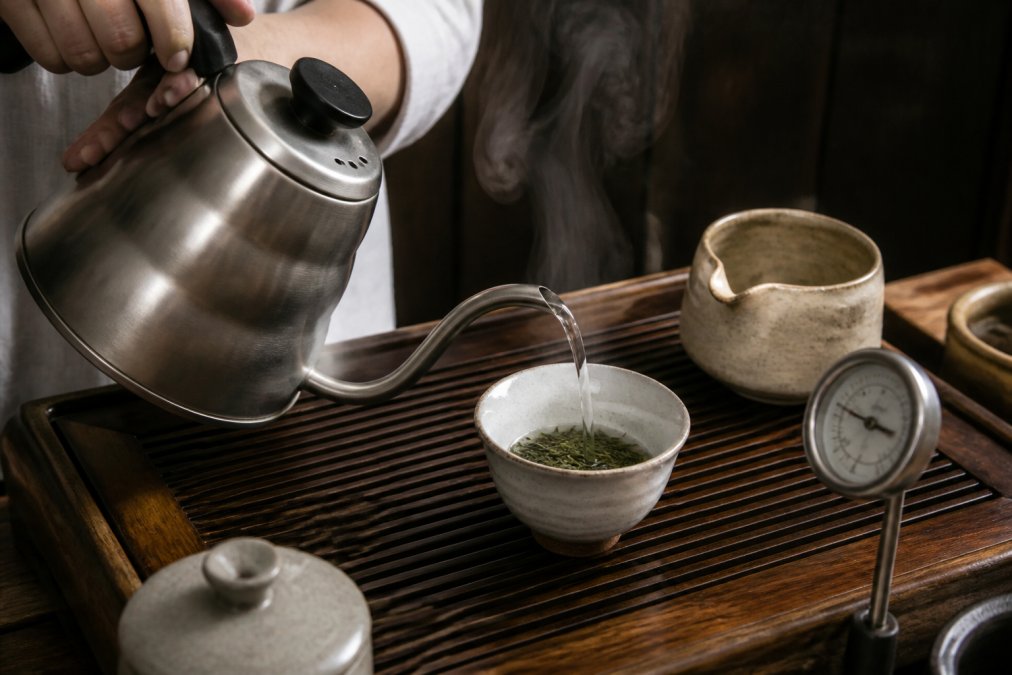
Water temperature is the single most critical variable when brewing gyokuro imperial green tea. The ideal range is between 50-60°C (122-140°F), considerably cooler than the boiling water many people use for other teas (peer-reviewed research). At this lower temperature, you extract sweet, umami-rich compounds while avoiding harsh tannins.
If you don't have a thermometer, boil water and let it cool for about 5-7 minutes before pouring. For more consistency, invest in an inexpensive kitchen thermometer or an electric kettle with temperature control.
Steeping time for gyokuro imperial green tea should be short, typically 90 seconds to 2 minutes for the first infusion. Start at 90 seconds and adjust from there. If the tea tastes too weak, increase steeping time by 15-20 seconds rather than raising water temperature. Most gyokuro imperial green tea can be steeped multiple times, with subsequent steeps lasting 60-90 seconds. A single serving typically yields 3-4 good infusions before the flavor becomes thin.
Brewing Troubleshooting Guide
Problem: The tea tastes bitter or astringent
This is almost always caused by water that's too hot or steeping time that's too long. Reduce water temperature by 5°C and shorten your steep time by 20-30 seconds. Astringency can also result from using too much tea, try reducing the amount of leaves by about 25%.
Problem: The tea tastes weak or flavorless
Water temperature that's too cool or steeping time that's too short both cause weak-tasting tea. Increase water temperature by 5°C and extend steeping time by 30 seconds. If you're already at 60°C, use slightly more tea leaves instead of raising temperature further.
Problem: The tea smells off or tastes stale
Gyokuro imperial green tea deteriorates quickly once the package is opened. Store it in an airtight container away from light, heat, and strong-smelling foods. If your tea has been open for more than a few weeks, the flavor compounds have likely begun degrading.
Problem: The leaves don't seem to open or fully infuse
This usually means your water temperature is too cool. Try increasing water temperature to 55-60°C and see if the leaves open more fully.
Gyokuro vs. Sencha: Key Differences
Sencha is Japan's most popular green tea and is often confused with gyokuro imperial green tea because both are Japanese green teas. However, the differences are substantial.
Sencha is grown in full sunlight without shade cloth, producing higher levels of catechins that create characteristic vegetal, grassy flavor. The leaves are typically flatter and more uniform in color. Sencha is more affordable because the cultivation process is simpler and requires less labor.
Gyokuro imperial green tea is shade-grown, which reduces catechin production while increasing amino acid and chlorophyll content. This creates sweeter, more umami-rich flavor with oceanic undertones. The leaves are darker and more tightly rolled. In terms of brewing, sencha tolerates slightly hotter water, around 70-80°C, and can handle longer steeping times. Gyokuro imperial green tea requires cooler water and shorter steeps.
Which tea is better depends on what you're looking for. Sencha is an excellent everyday tea that's approachable and forgiving to brew. Gyokuro imperial green tea is a special-occasion tea that rewards careful attention and precision.
Gyokuro Caffeine Content and L-Theanine Synergy
Gyokuro imperial green tea contains moderate caffeine, typically 25-35 mg per 8 oz cup, depending on the amount of tea and steeping time (peer-reviewed research). This is less than black tea or coffee but more than many herbal infusions.
What makes gyokuro imperial green tea unique is the interaction between caffeine and L-theanine. When consumed together, L-theanine appears to smooth out caffeine's stimulating effects, creating calm yet alert state rather than the jittery energy associated with coffee (peer-reviewed research). This synergy is why many people describe drinking gyokuro imperial green tea as relaxing and focusing simultaneously. The caffeine provides mental stimulation and energy, while the L-theanine creates calm and reduces anxiety.
The exact ratio of caffeine to L-theanine varies between batches. Younger leaves typically contain more L-theanine, while older leaves have proportionally more caffeine. This is one reason why the first flush, the earliest harvest of the season, is prized for gyokuro imperial green tea.
Health Benefits and Wellness Impact
Gyokuro imperial green tea contains numerous bioactive compounds that may support overall wellness. The high chlorophyll content may contribute to antioxidant effects. L-theanine promotes relaxation and mental clarity. The amino acid profile supports various physiological processes, though more research is needed to understand the full scope of these benefits.
The shade-growing process concentrates these beneficial compounds to levels higher than in standard green teas. Many people find that the act of brewing and drinking gyokuro imperial green tea becomes a mindfulness practice. The precision required, attention to temperature and timing, and sensory engagement with the tea's aroma and flavor all encourage present-moment awareness.
Getting Started With Gyokuro Imperial
If you're new to gyokuro imperial green tea, starting with a small quantity makes sense. Octavia Tea's Gyokuro Imperial is available for $5.00, which lets you experience this tea without overcommitting financially.
Begin by investing in basic brewing equipment: a small teacup or traditional Japanese tea bowl, a way to measure water temperature, and a timer. These tools cost very little but make a dramatic difference in brewing consistency. If you're coming from standard green tea, expect gyokuro imperial green tea to taste quite different. Give yourself a few cups to adjust your palate before deciding whether you enjoy it.
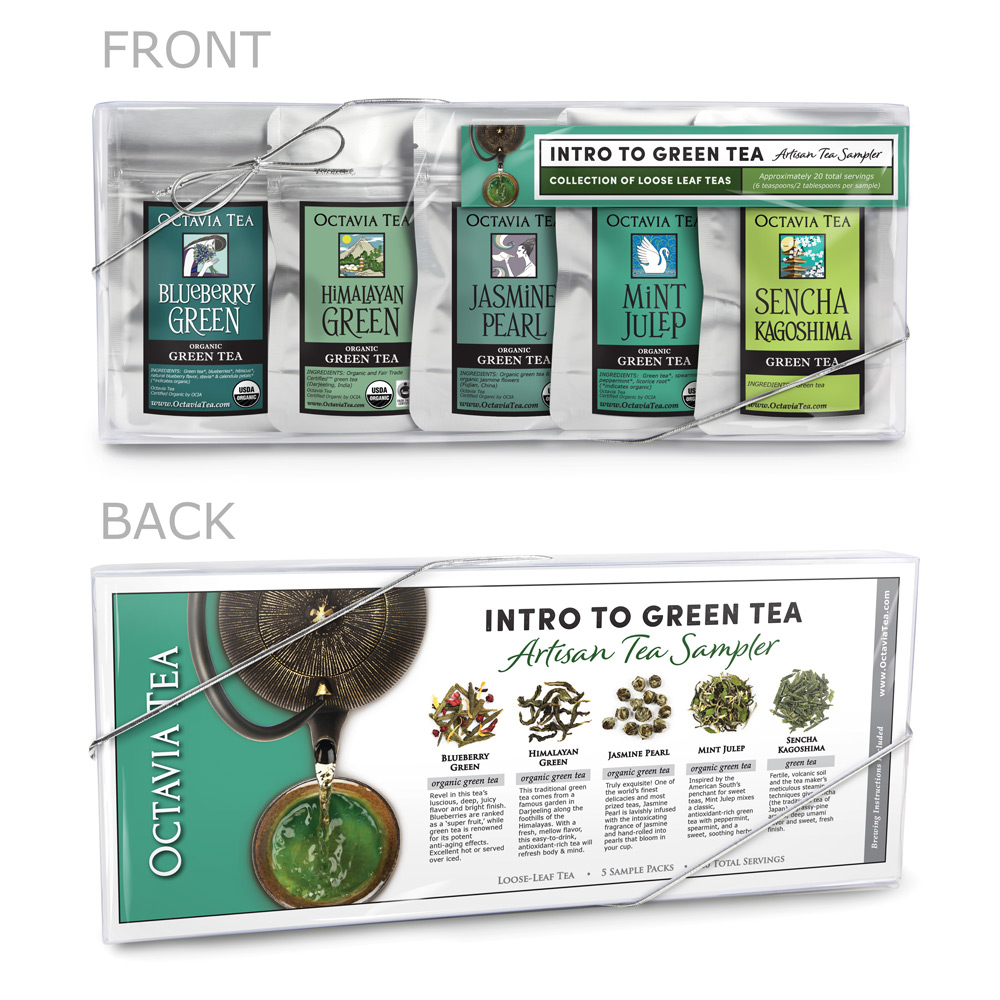
For those interested in exploring different premium Japanese green teas, Octavia Tea's Intro to Green Tea Sampler for $25.00 offers an excellent starting point, including Sencha Kagoshima for useful comparison. The tea community is generally welcoming to newcomers, don't hesitate to ask questions about brewing, sourcing, or flavor profiles. The investment in learning to brew gyokuro imperial green tea properly pays dividends in genuinely exceptional cups of tea.
Gyokuro imperial green tea represents the pinnacle of Japanese tea cultivation, demanding precision in both growing and brewing. The shade-growing process creates a tea unlike any other, with umami depth and L-theanine content that make it worth the investment for anyone serious about tea. Getting started requires attention to water temperature and steeping time, but the reward is a cup that justifies centuries of tradition and careful craftsmanship. Octavia Tea's Gyokuro Imperial brings this exceptional tea directly from estate gardens to your cup, with the freshness and quality that makes the difference between a good tea experience and an unforgettable one. Start with our premium loose leaf tea selection and discover why discerning tea enthusiasts return to gyokuro imperial green tea again and again.
Aspect | Gyokuro Imperial | Sencha |
|---|---|---|
Growing Method | Shade-grown with bamboo tarps | Full sunlight cultivation |
Flavor Profile | Sweet, umami-rich, oceanic | Vegetal, grassy, fresh |
Leaf Appearance | Dark green, tightly rolled | Lighter green, flatter |
Water Temperature | 50-60°C (122-140°F) | 70-80°C (158-176°F) |
Steeping Time | 90 seconds to 2 minutes | 2-3 minutes |
L-Theanine Content | High | Moderate |
Price Point | Premium | Moderate |
Best Use | Special occasions, meditation | Daily drinking |
Frequently Asked Questions
What is gyokuro imperial green tea good for?
Gyokuro imperial green tea delivers mood-enhancing and relaxation benefits thanks to its high L-theanine content, an amino acid that promotes calm focus. The shade-growing process boosts chlorophyll and nutrient density, supporting antioxidant intake and overall wellness. It's ideal for morning rituals or afternoon mindfulness moments when you want a premium, health-conscious beverage.
How does the shading process affect gyokuro's taste and nutrients?
When tea bushes are shaded for weeks before harvest using bamboo tarps, reduced sunlight triggers the plant to produce more chlorophyll and amino acids—especially L-theanine. This creates gyokuro's signature oceanic, mellow, and silky texture with a sweet finish. The shade-grown method concentrates umami and vegetal notes while reducing astringency, resulting in a more complex infusion than unshaded green teas like sencha. This biochemical shift is why gyokuro commands premium prices and delivers exceptional depth.
Is gyokuro tea high in caffeine?
Gyokuro contains moderate caffeine—roughly 25-50 mg per 8 oz cup depending on steeping time and leaf quantity. What sets it apart is the L-theanine synergy: this amino acid works alongside caffeine to produce calm, focused energy rather than jittery alertness. The combination promotes alpha brain waves, enhancing relaxation and mental clarity simultaneously. If you're caffeine-sensitive, use less leaf or shorter steeping times (30-60 seconds) to dial down the caffeine while preserving the mellow flavor.
What's the difference between gyokuro and sencha green tea?
Sencha is a traditional Japanese green tea grown in full sunlight, while gyokuro is shade-grown for 3-4 weeks before harvest. This shading process makes gyokuro significantly more expensive and nutrient-dense, with higher L-theanine and umami. Gyokuro tastes sweeter, silkier, and more oceanic; sencha is grassier and more vegetal. Gyokuro brews at lower temperatures (50-60°C) with shorter steeping times, while sencha tolerates 70-80°C water. Both are premium loose-leaf options, but gyokuro represents the pinnacle of Japanese tea craftsmanship.


Octavia Tea Sign In
Create New Account