























Buy Organic Loose Leaf Tea: Top Picks for 2026

Table of Contents
- What Makes Organic Loose Leaf Tea Worth Buying
- Benefits of Organic Loose Leaf Tea for Daily Wellness
- Top Organic Loose Leaf Teas to Buy Right Now
- Sustainability Beyond Certification: Fair Trade and Direct-Trade Sourcing
- Loose Leaf Tea Brewing Guide: Ratios, Temperature, and Steep Time
- How to Store Loose Leaf Tea to Preserve Freshness
- Bulk Purchasing and Wholesale Options
- Conclusion
Last Updated: August 24, 2026
Organic loose leaf tea is whole-leaf tea grown without synthetic fertilizers, herbicides, or pesticides, certified to USDA organic standards and sold unbagged so the full leaf can expand and release its complete flavor profile during steeping. At Octavia Tea, we've built an entire catalog around this premise: more than 120 USDA certified organic loose leaf teas, sourced directly from estate gardens and hand-blended without a single artificial ingredient. This guide covers everything you need to make a confident purchase decision, from reading certification labels and tea grading systems to brewing ratios, water temperature, and long-term storage.
Quick Picks:
- Best Overall: Octavia Tea, 120+ USDA certified organic varieties, estate-direct sourcing, no artificial ingredients
- Best for Herbal Blends: Mountain Rose Herbs, wellness-focused botanicals, high-quality single-ingredient tisanes
- Best for Gifting: Tea Forté, premium organic loose leaf with elegant presentation
What Makes Organic Loose Leaf Tea Worth Buying
Conventional tea farming commonly applies synthetic pesticides and herbicides that concentrate in dried leaf material. Whole-leaf loose tea contains higher density polyphenols and antioxidants than broken-leaf dust used in tea bags, because intact leaf cell walls release compounds more gradually during steeping, producing a more complex flavor profile and cleaner cup (peer-reviewed research).
USDA Organic Certification: What It Actually Guarantees
USDA Organic certification is a federal standard administered by the USDA National Organic Program. To carry the USDA Organic seal, a tea must be grown on land free from prohibited synthetic substances for at least three years, processed without synthetic additives, and verified by an accredited certifying agent through annual inspections.
What the seal does NOT guarantee: flavor quality, freshness, or fair wages for farm workers. Certification confirms the absence of prohibited inputs, not the presence of excellence. Octavia Tea carries USDA certified organic status across its entire catalog, including hand-crafted flavored teas.
Tea Grading Systems and How to Read Them
Tea grading describes leaf size, integrity, and processing method, directly predicting cup quality. For black tea, the hierarchy runs from whole-leaf grades (OP, or Orange Pekoe, and FOP, Flowery Orange Pekoe) down to broken grades (BOP) and fannings and dust used in most tea bags. For green tea, grades are less standardized and more origin-specific: Japanese teas use terms like Gyokuro and Sencha, while Chinese teas reference production methods such as Dragonwell or Gunpowder. White tea and oolong grades emphasize bud-to-leaf ratios. When you buy organic loose leaf tea from an estate-direct source, you can trace the grade back to a named garden and harvest date, which tells you far more than a generic "premium quality" label.
Benefits of Organic Loose Leaf Tea for Daily Wellness
Organic loose leaf tea delivers antioxidants, primarily catechins in green tea and theaflavins in black tea, which belong to a class of polyphenols studied for their effects on oxidative stress. Caffeine levels vary significantly by type: white and green tea tend toward the lower end, while black tea and pu-erh sit higher. Herbal tisanes and caffeine-free infusions contain no tea plant at all, making them genuinely caffeine-free. Whole leaf tea gives you the complete chemical profile of the plant, including aromatic volatile compounds that degrade quickly in broken-leaf or dust form.
Top Organic Loose Leaf Teas to Buy Right Now
The organic loose leaf tea market offers a wide quality range across distinct categories, sourcing philosophies, and use cases.
Green Tea Varieties: Single-Origin and Blended Options
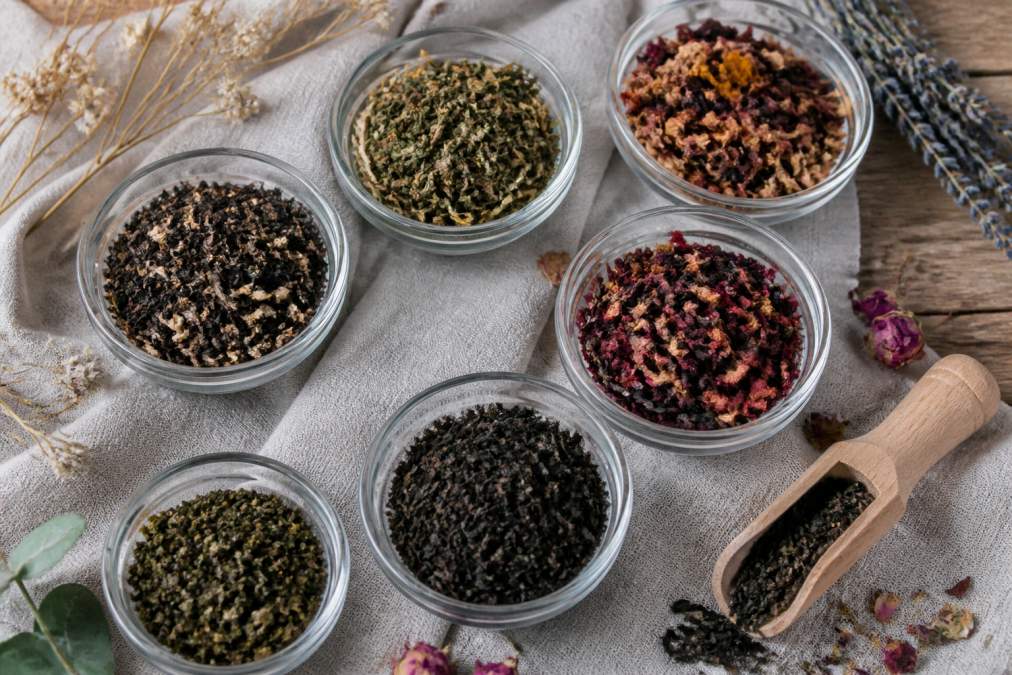
Green tea is the most studied tea category for antioxidant content. Single-origin green teas reveal terroir distinctly: a Darjeeling first-flush green and a Japanese Gyokuro taste nothing alike, despite both being unoxidized, because soil composition, altitude, and shading practices shape the flavor profile entirely. Octavia Tea offers single-origin and blended green teas across its 120+ variety catalog, all USDA certified organic and sourced direct from estate gardens. For matcha lovers, seek ceremonial-grade matcha from shade-grown, stone-milled sources: the amino acid L-theanine concentrates in shaded leaves and contributes the characteristic umami and calm-alertness effect.
Black Tea Selections: From Everyday Brews to Estate Picks
Black tea is fully oxidized, producing the tannin-forward, malty, or brisk character most people associate with "tea." Estate-sourced organic black teas tell a story that blended commodity teas cannot. An Assam TGFOP (Tippy Golden Flowery Orange Pekoe) from a named garden in India's Brahmaputra valley tastes different in June than in October, because the harvest season affects leaf character. For everyday brewing, a certified organic English Breakfast or Irish Breakfast blend is practical and bold. Octavia Tea's black tea selection spans both categories, all grown without synthetic fertilizers and hand-blended to spec.
Oolong, White Tea, and Pu-erh: The Specialty Tier
Oolong is partially oxidized, placing it between green and black tea. Oxidation level varies from roughly 15% (closer to green, floral, and light) to 85% (closer to black, roasted, and complex). Taiwanese high-mountain oolongs like Ali Shan are aromatic and delicate; Chinese Wuyi rock oolongs are mineral-heavy with a long finish.
White tea undergoes minimal processing: leaves are simply withered and dried. Silver Needle, made from unopened buds, has the subtlest flavor of any tea and the lowest tannin content.
Pu-erh is fermented tea, unique in the category. Sheng (raw) pu-erh ages like wine, developing complexity over years. Shou (ripe) pu-erh undergoes accelerated fermentation and tastes earthy and smooth from the start. Certified organic pu-erh is rarer than other categories, making sourcing transparency especially important.
Herbal Tisanes and Caffeine-Free Infusions
Technically, a tisane is not tea at all. It contains no leaves from the Camellia sinensis plant. Chamomile, rooibos, peppermint, hibiscus, and elderflower are all tisanes, and the best organic versions use whole botanicals rather than powdered or extract forms. Rooibos deserves special mention: native to South Africa's Cederberg region, certified organic rooibos is naturally caffeine-free, low in tannins, and high in antioxidants. Mountain Rose Herbs is a strong option for single-ingredient organic botanicals.
Sustainability Beyond Certification: Fair Trade and Direct-Trade Sourcing
USDA Organic certification tells you what wasn't used on the farm. It says nothing about whether workers were paid fairly or whether the farming community benefits from downstream revenue. Fair Trade certification and direct-trade sourcing become meaningful here. According to Fair Trade USA's certification standards, Fair Trade certified tea operations must meet minimum price floors, pay a community development premium, and comply with labor standards that prohibit child labor and unsafe working conditions.
Direct-trade goes further by removing intermediaries entirely. When a tea company sources direct from estate gardens, as Octavia Tea does, the relationship between buyer and farmer is transparent, prices are negotiated directly, and quality feedback flows both ways. Ask your supplier for documentation. Octavia Tea's sourcing is estate-direct, and its USDA organic certification is independently verified, which is the minimum transparency bar worth holding any supplier to.
Loose Leaf Tea Brewing Guide: Ratios, Temperature, and Steep Time
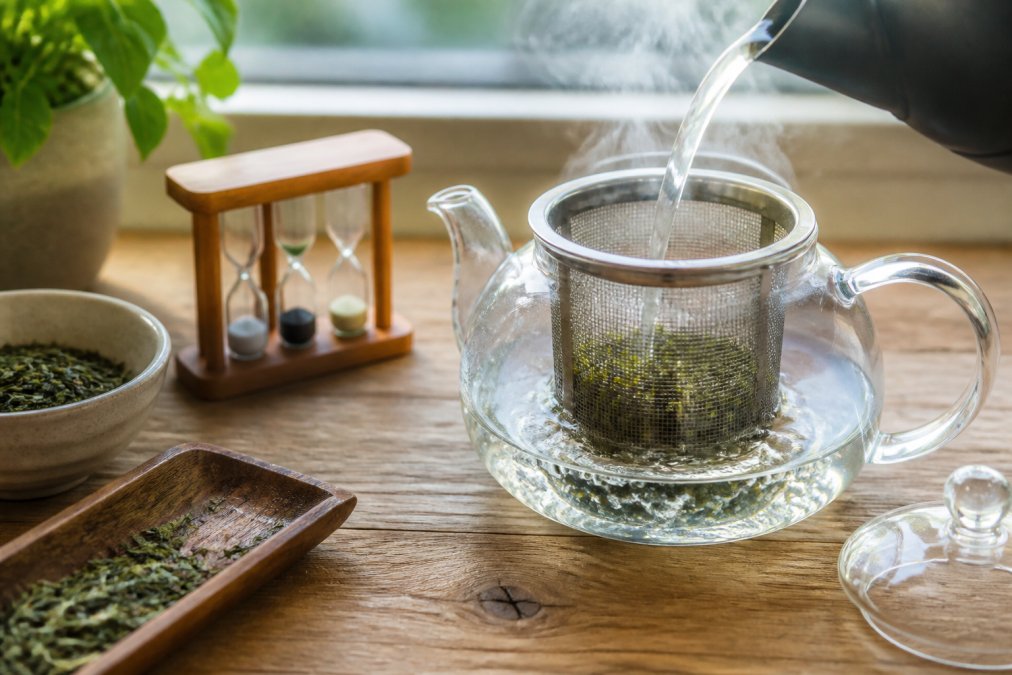
Brewing organic loose leaf tea correctly is the difference between a cup that justifies the price and one that doesn't. The three variables that matter most are leaf-to-water ratio, water temperature, and steep time. A general starting point for most loose leaf teas is one teaspoon (approximately 2-3 grams) of leaf per 8 ounces of water.
| Tea Type | Water Temperature | Steep Time | Brew Ratio |
|---|---|---|---|
| Green Tea | 160-180°F (71-82°C) | 1-3 minutes | 1 tsp per 8 oz |
| White Tea | 170-185°F (77-85°C) | 2-4 minutes | 1-2 tsp per 8 oz |
| Oolong | 185-205°F (85-96°C) | 2-5 minutes | 1-2 tsp per 8 oz |
| Black Tea | 200-212°F (93-100°C) | 3-5 minutes | 1 tsp per 8 oz |
| Pu-erh | 200-212°F (93-100°C) | 3-5 minutes | 1-2 tsp per 8 oz |
| Herbal Tisane | 200-212°F (93-100°C) | 5-7 minutes | 1-2 tsp per 8 oz |
Water Quality and Temperature Science
Tea is approximately 99% water, so mineral content and treatment directly affect the cup. Chlorinated tap water suppresses aromatic compounds. Distilled water produces a flat, lifeless brew because it lacks minerals that carry flavor. The best water for brewing organic loose leaf tea is filtered water with moderate mineral content, roughly 50-150 ppm total dissolved solids. A simple carbon filter removes chlorine without stripping minerals. Temperature precision matters most for green and white teas: boiling water applied to delicate green tea denatures catechins and releases excess tannins, producing bitterness. A variable-temperature electric kettle is the single most useful brewing tool you can own.
Flavor Wheel and Tasting Notes: How to Evaluate What You're Drinking
Professional tea tasters use cupping, which standardizes brew ratio and steep time to isolate the tea's intrinsic character. Primary flavor categories in tea are: floral, vegetal, fruity, earthy, roasted, spicy, and marine. A Darjeeling muscatel has distinctive grape-like fruitiness. A Japanese Gyokuro reads as marine and umami. When you receive a new organic loose leaf tea, brew it plain first, without milk, sweetener, or additions.
How to Store Loose Leaf Tea to Preserve Freshness
Proper storage is the most underrated part of the loose leaf tea experience. The enemies of tea freshness are light, moisture, oxygen, and heat, in roughly that order of damage.
Best practices for how to store loose leaf tea:
- Store in an opaque, airtight container, tin or dark glass works best
- Keep away from direct sunlight and heat sources (not above the stove)
- Avoid storing near strongly aromatic foods or spices; tea absorbs odors readily
- Do not refrigerate unless the tea is a fresh Japanese green (Shincha) intended for short-term storage
- Keep green and white teas separate from black and oolong teas to prevent flavor transfer
- Label containers with the purchase date; most loose leaf teas are best within 12-24 months
The most common storage mistake is using the bag the tea arrived in after it's been opened. Once exposed to air, a resealable bag is a significant downgrade from an airtight tin.
Bulk Purchasing and Wholesale Options
Buying organic loose leaf tea in bulk makes economic sense for frequent drinkers, café operators, and boutique retailers. The cost-per-cup drops substantially at larger quantities, and you reduce packaging waste per serving. For wholesale buyers, key considerations beyond price are minimum order quantities, restock lead times, and certification documentation. Octavia Tea offers wholesale accounts with low minimums, which is a genuine advantage for boutique gift shops and small café operators who can't commit to large volume orders. All wholesale teas carry the same USDA certified organic status as retail products, and the estate-direct sourcing model means freshness is consistent across order sizes.
When evaluating bulk organic loose leaf tea suppliers, request a sample before committing to a large order. Any reputable supplier will accommodate this. Pay attention to how the sample is packaged: proper nitrogen-flush or vacuum sealing indicates the supplier understands freshness.
| Buyer Type | Best Format | Key Consideration | Minimum to Ask For |
|---|---|---|---|
| Home enthusiast | 2-4 oz retail | Freshness, variety | Sample availability |
| Café operator | 1 lb bulk bags | Consistency, restock speed | Wholesale account terms |
| Boutique retailer | Tin and bulk mix | Low minimums, certification | USDA certificate copy |
| Spa or hotel | Branded wholesale | Presentation, customization | Brand alignment review |
Choosing where to buy organic loose leaf tea is ultimately a sourcing decision as much as a flavor one. The certification, the grading, the supply chain, and the brewing knowledge all converge in the cup. Octavia Tea brings together USDA certified organic status, estate-direct sourcing across 120+ varieties, and hand-blending with natural flavor essences and pure essential oils, with no artificial ingredients and free domestic shipping on retail orders over $65. Add to Bag and taste the difference that sourcing transparency actually makes.
Frequently Asked Questions
How can you tell if organic loose leaf tea is high quality?
High-quality organic loose leaf tea has whole or near-whole leaves with a consistent appearance, vivid color, and a strong aromatic scent before brewing. Broken dust and fannings signal lower grades. Look for USDA organic certification, clear sourcing information (single-origin or named estate gardens), and a harvest season or flush date on the label. When steeped, the liquor should be clear, not murky, with a flavor profile that matches the tea type.
Does organic loose leaf tea have more antioxidants than tea bags?
Whole-leaf loose tea generally retains more polyphenols and antioxidants than the broken fannings used in most tea bags, because the intact leaf structure slows oxidation during storage. Organic certification adds another layer: without synthetic fertilizers, herbicides, or pesticides, the plant produces more of its own protective compounds. The difference is most pronounced in green and white teas, where minimal oxidation during processing preserves the highest concentration of catechins.
Where can I buy good quality organic loose leaf tea?
Specialty online retailers that source directly from estate gardens and carry USDA certified organic teas are the most reliable option. Octavia Tea, for example, offers over 120 organic loose leaf varieties hand-blended with natural flavor essences and pure essential oils, with free domestic shipping on retail orders over $65. Avoid mass-market grocery store options that rarely disclose terroir, harvest season, or tea grading, as these details signal genuine quality and traceability.
What is the correct brew ratio for loose leaf tea?
A standard starting point is 1 teaspoon (roughly 2-3 grams) of loose leaf tea per 8 ounces of water. Denser teas like pu-erh or tightly rolled oolong need slightly less by volume; light, fluffy herbal tisanes often need more. Water temperature matters as much as the ratio: green and white teas brew best between 160-180°F, while black tea and rooibos handle a full 212°F boil. Adjust steep time between 2 and 5 minutes based on your preferred strength.
What does USDA organic certification mean for tea?
USDA organic certification, governed by the National Organic Program (NOP), requires that tea be grown without synthetic fertilizers, herbicides, or prohibited pesticides for at least three years before certification. The farm and any processing facility must pass third-party audits annually. For loose leaf tea, this means the whole leaf you steep is pesticide-free from soil to cup. Always look for the green USDA Organic seal on the packaging, not just the word 'organic' in the product name.
This article was written using GrandRanker


Octavia Tea Sign In
Create New Account