























Caffeine Free Tea: Types, Benefits & Brewing

Table of Contents
- What Is Caffeine Free Tea?
- Caffeine-Free Tea Types: Herbal, Rooibos, and Beyond
- Is Decaf Tea Caffeine-Free?
- Caffeine-Free Tea Benefits for Health and Wellness
- Best Caffeine-Free Tea for Sleep
- Choosing Your Caffeine-Free Tea
- Frequently Asked Questions
Last Updated: October 8, 2026
We get a lot of questions from customers who want to be sure the tea in their cup has no caffeine, and it's easy to see why. Between herbal infusions, rooibos, decaf, and blends built on yerba maté (which does have caffeine), the labels are confusing. Here's how we sort it out.
What Is Caffeine Free Tea?
At Octavia Tea, we define caffeine free tea as naturally caffeine-free botanical blends and herbal infusions crafted from plants that never contained caffeine in the first place, distinct from decaffeinated tea, which undergoes processing to remove caffeine from caffeinated tea leaves.
Decaffeinated tea loses some flavor in processing. Herbal infusions never go through that step. Herbal infusions, rooibos, and botanical blends fall into this category. These teas deliver the ritual and warmth of a traditional tea experience without keeping you awake at night or causing afternoon jitter
Many people reach for caffeine free tea for evening relaxation, but the real value extends far beyond bedtime. Whether you're sensitive to caffeine, managing anxiety, or simply want to enjoy multiple cups throughout the day without overstimulation, these teas let you drink as many cups as you like without the stimulant effect.
Caffeine-Free Tea Types: Herbal, Rooibos, and Beyond
Herbal Infusions
Herbal infusions represent the broadest category of caffeine free tea. These blends combine dried flowers, leaves, roots, and spices from plants that naturally contain no caffeine. Common herbal infusions include chamomile, peppermint, ginger, lemongrass, and hibiscus, each bringing unique flavor and potential benefits. A few herbal ingredients, such as yerba maté and guayusa, naturally contain caffeine, so check the label
Chamomile delivers a gentle, apple-like sweetness and has been prized for centuries for its soothing properties. Peppermint offers bright, cooling notes and aids digestion. Ginger provides warmth and spice with a reputation for supporting circulation and immunity. Herbal infusions are versatile: you can enjoy them hot, iced, or blended with other botanicals to create custom flavor combinations.
Octavia Tea's Lemon Ginger combines citrus-scented botanicals with ginger's warming properties, creating a naturally caffeine-free blend that supports circulation and digestion. This herbal infusion works equally well as a morning wake up flavor without caffeine's stimulating effects.
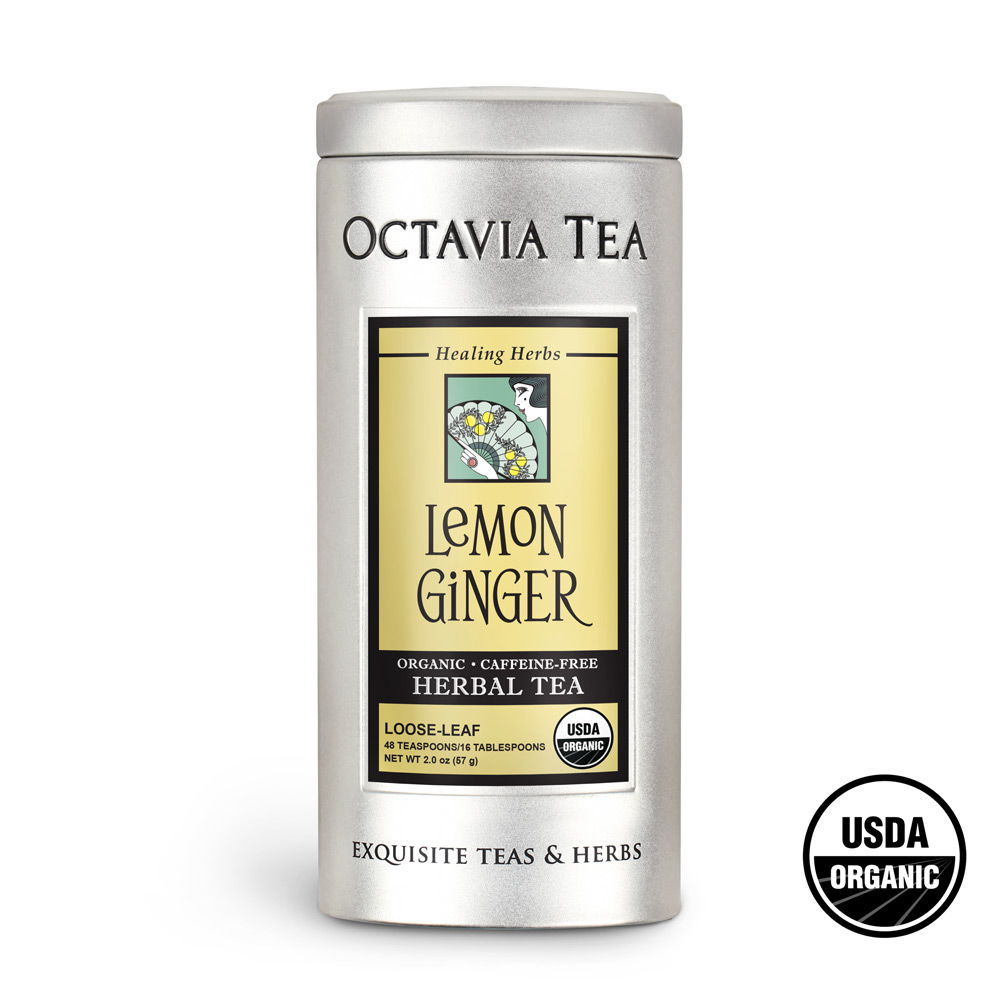
Lemon Ginger
Rooibos Tea
Rooibos, a naturally caffeine-free plant native to South Africa, produces a deep red-brown liquor with a naturally sweet, slightly fruity character. Unlike true tea (which comes from the Camellia sinensis plant), rooibos is technically an herbal infusion, but its strong flavor profile and full-bodied nature make it feel more substantial than many other botanical blends.
Rooibos contains antioxidants and pairs beautifully with fruits, spices, and floral elements. Its naturally sweet taste means many rooibos blends require no added sweeteners. The flavor holds up well to both hot and cold brewing, making it an excellent choice for iced tea enthusiasts seeking a tea that doesn't taste thin or watery.
Octavia Tea's Berry Lullaby blends antioxidant-rich rooibos with blueberries, hibiscus, and chamomile to create a full-bodied, berry-forward tea. The combination works hot or over ice, offering flexibility for any season or time of day.
Botanical Blends
Botanical blends represent the artistry of mixing several plants. These mixtures combine multiple plant sources, herbs, flowers, fruits, roots, and spices, to achieve complex flavor profiles and targeted wellness intentions. A single botanical blend might include chamomile for calm, hibiscus for tartness, rose hips for brightness, and a touch of lavender for aromatics.
The advantage of botanical blends is their ability to deliver multiple flavor notes in a single cup. Rather than drinking plain chamomile, you might experience chamomile with tropical fruit undertones, or hibiscus with berry brightness. This complexity makes these teas feel more like a deliberate choice than a compromise.
Octavia Tea's Berry Cabernet exemplifies this approach: organic fruits, rose hips, and hibiscus create a deep, juicy blend with a brilliant ruby-red liquor. The blend works beautifully as a cold-brewed iced tea, just mix one tablespoon per 8 ounces of cold water, refrigerate for 6-10 hours, and serve over ice for a naturally caffeine-free beverage that rivals wine in visual appeal.
Is Decaf Tea Caffeine-Free?
Decaffeinated tea is not the same as naturally caffeine-free tea, though both belong in the broader category of caffeine free tea options.
Decaffeinated tea begins as true tea, leaves from the Camellia sinensis plant that naturally contain caffeine. Manufacturers then remove most of the caffeine through chemical or water-based processes. While decaffeination removes the majority of caffeine, trace amounts typically remain.
Naturally caffeine-free tea, by contrast, contains zero caffeine from the start because the plants themselves never produced it. Herbal infusions, rooibos, and botanical blends fall into this category. No processing required, no caffeine removal, no chemical treatment, no residual traces.
The practical difference: if you're avoiding caffeine for health reasons, pregnancy, or late-day consumption, naturally caffeine-free tea offers more certainty. If you enjoy the taste of traditional tea but want to reduce caffeine intake, decaffeinated tea provides a middle ground, though some flavor complexity is lost in the decaffeination process.
Caffeine-Free Tea Benefits for Health and Wellness
People choose caffeine free tea for reasons beyond avoiding stimulation.
Herbal infusions like chamomile have been used in traditional medicine to support relaxation and sleep quality. Ginger may support circulation and aid digestion. Hibiscus offers tartness and antioxidants. Rooibos contains polyphenols like aspalathin that show antioxidant activity in lab studies, though human evidence is limited.
The ritual itself carries value. The act of brewing a cup, holding warmth in your hands, and taking time to sip deliberately signals to your nervous system that it's time to slow down.
Our customers often enjoy replacing afternoon coffee or evening black tea with caffeine free tea improves sleep quality, reduces anxiety, and supports digestive comfort.
Best Caffeine-Free Tea for Sleep
If sleep quality is your primary goal, certain caffeine-free teas deliver targeted support better than others. The best choice depends on your specific needs and flavor preferences.
Chamomile Blends
Chamomile is the most familiar sleep-focused caffeine free tea. This delicate flower has been prized for thousands of years for its nurturing, soothing effects. With a fragrance reminiscent of honey, fruit blossoms, and apples, chamomile creates a tranquil tea experience perfect for winding down.
Chamomile may help ease stress, may sometimes relieve headaches, and enhance peaceful sleep. The mechanism appears to involve compounds that promote relaxation without sedation. Many people find that a cup of chamomile 30-60 minutes before bed creates the ideal transition into sleep.
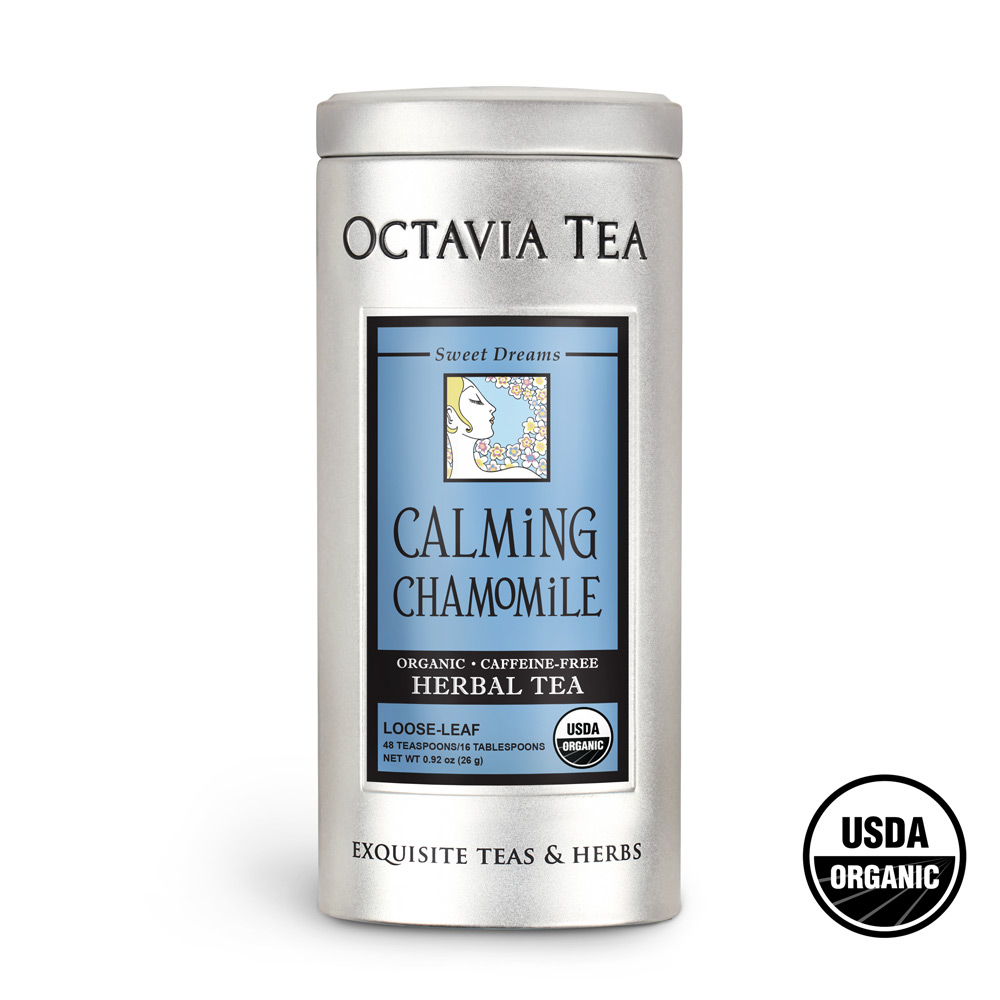
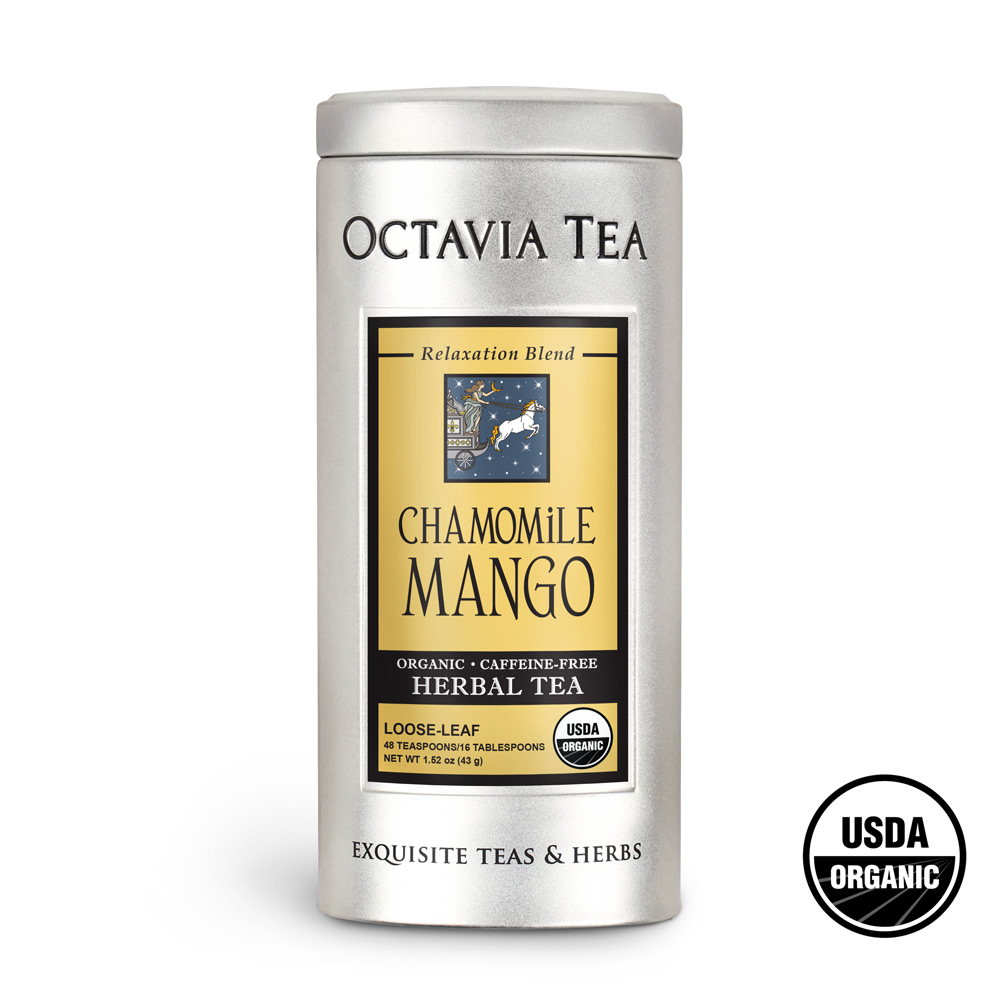
Octavia Tea offers several chamomile options, two are my personal favorite. Our Calming Chamomile features the highest quality whole chamomile flowers to maximize flavor and wellness benefits. For those seeking a more complex profile, Chamomile Mango blends golden chamomile with tropical fruit notes, delivering chamomile's calming properties alongside subtle sweetness that makes the tea feel more indulgent than medicinal.
Rooibos and Hibiscus Combinations
While chamomile claims the sleep spotlight, rooibos and hibiscus blends offer excellent alternatives, particularly for those who find chamomile's flavor too subtle or floral.
Rooibos brings natural sweetness and a full-bodied character that feels substantial in a cup. Hibiscus adds tartness, brightness, and antioxidants. Together with supporting botanicals like blueberries and a touch of chamomile, these ingredients create a caffeine-free tea that delivers more complex flavor than chamomile alone.
Octavia Tea's Berry Lullaby combines antioxidant-rich rooibos, juicy blueberries, sweet-tart hibiscus, and chamomile into a full-bodied blend. The berry-forward flavor makes this caffeine free tea feel like a treat rather than a wellness obligation, which often means people actually drink it consistently.
Choosing Your Caffeine-Free Tea
Selecting the right caffeine free tea depends on three factors: flavor preference, intended use, and brewing flexibility.
Flavor Preference Matters
Do you prefer subtle, delicate flavors or bold, complex tastes? Chamomile delivers gentle, floral notes, perfect if you enjoy a softer cup. Rooibos and hibiscus blends offer stronger, fruitier profiles, ideal if you want your tea to feel substantial.
Intended Use Shapes Your Choice
If sleep is your goal, chamomile-based offers a gentile option. For digestive support, ginger-forward blends like Lemon Ginger may deliver targeted benefits alongside enjoyable flavor.
Brewing flexibility
Octavia Tea's loose-leaf caffeine free tea offers superior flavor and freshness compared to tea bags. Whole leaves and flowers retain more essential oils and aromatic compounds.
Octavia Tea's collection of over 120 organic loose-leaf teas includes carefully curated caffeine-free options hand-blended using only natural flavor essences and pure essential oils, no artificial ingredients.
USDA organic certification standards
Tea and health benefits overview
Herbal tea composition and properties
Lemon Ginger
Frequently Asked Questions
What is the difference between caffeine-free tea and decaf tea?
Naturally caffeine-free teas like herbal infusions, rooibos, and chamomile contain no caffeine by nature because they don't naturally produce caffeine. Decaffeinated tea starts as regular tea and undergoes processing to remove caffeine, which may leave trace amounts. Naturally caffeine-free options provide a pure, unprocessed alternative without any chemical extraction.
Is caffeine-free tea really caffeine-free?
Naturally caffeine-free teas are genuinely free of caffeine. Herbal teas, rooibos, chamomile, hibiscus, and ginger infusions contain zero caffeine. However, decaffeinated tea processed from true tea leaves may retain trace amounts of caffeine. If you need absolute zero caffeine, choose herbal or botanical blends instead.
Which caffeine-free teas are best to drink at night?
Chamomile and rooibos blends are ideal evening choices. Chamomile is traditionally used to ease stress and support restful sleep. Blends like Berry Lullaby combine rooibos, hibiscus, and chamomile for a soothing, full-bodied flavor that won't disrupt sleep. Herbal teas with ginger or lemongrass also work well in the evening.
What are the health benefits of caffeine-free tea?
Caffeine-free teas offer antioxidants and plant-based wellness support. Chamomile may help reduce anxiety and improve sleep quality. Rooibos is rich in antioxidants. Ginger-based blends may aid digestion. Hibiscus contributes tartness and antioxidants. These botanical blends provide comfort and daily wellness benefits without caffeine's stimulating effects.


Octavia Tea Sign In
Create New Account