























Which Tea Actually Eases Menstrual Cramps?

Last Updated: November 22, 2026
Quick Summary
Ginger-based blends such as Turmeric Ginger and Lemon Ginger are the most commonly chosen teas for menstrual cramp relief in our range. Pacific Peppermint, Calming Chamomile and Lavender Lemongrass round out the list for nausea, bloating and evening wind-down. The warmth of a cup helps comfort, but no tea replaces medical care.
- Turmeric Ginger costs $4.00 and suits a warming cup when cramps feel heavy.
- Lemon Ginger costs $3.50 and is naturally caffeine-free, useful for a queasy stomach.
- Pacific Peppermint suits bloating and cramping after meals.
- Heat from a warm cup is a real comfort, even when the herb itself does little.
- See a doctor if cramps keep you from work or school or pain is getting worse.
Table of Contents
- 5 Best Teas for Menstrual Cramp Relief: Quick Comparison
- How Tea Can Help With Menstrual Cramps, and Where the Evidence Stops
- Ginger Tea for Menstrual Cramps: The Best-Studied Option
- Peppermint and Chamomile: Best Tea for Period Cramps and Nausea
- Teas to Avoid During Menstruation and Who Should Be Careful
- How to Choose the Right Tea for Your Symptoms
- When Period Pain Needs a Doctor's Visit
- Trying a Cramp-Calming Tea This Cycle
- Frequently Asked Questions
5 Best Teas for Menstrual Cramp Relief: Quick Comparison
Octavia Tea's blends are a practical place to start when you want something warm and soothing during your period, and they can be part of a routine focused on menstrual cramp relief. No tea replaces medical care, but a daily cup can make the week feel more manageable.
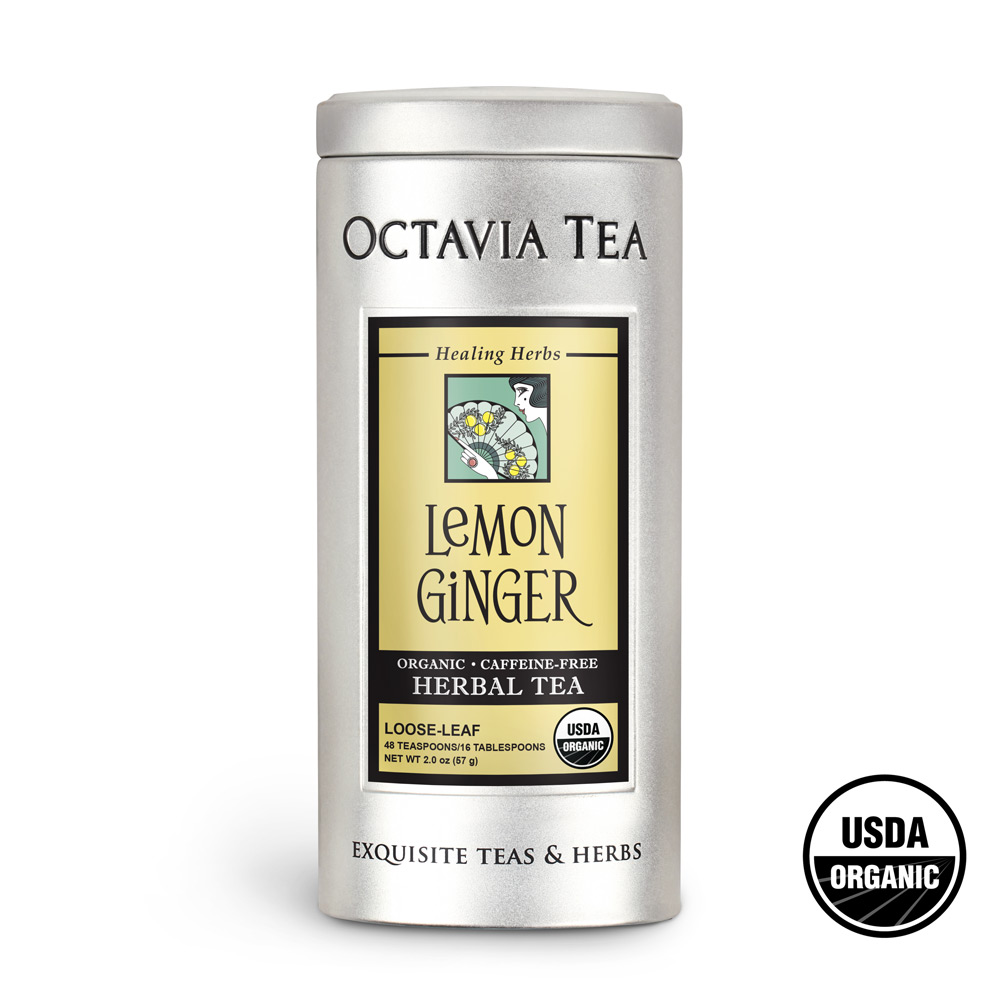
The five teas below are the ones in our own range that people most often reach for during their cycle. For a warming ginger blend with turmeric, see the Turmeric Ginger blend, which adds golden turmeric and lemon. For a caffeine-free ginger option, see the Lemon Ginger blend, which pairs citrus with ginger. Each is a herbal blend, so none contains caffeine.
Quick comparison:
| Tea | Price | Why people reach for it | Best for |
|---|---|---|---|
| Turmeric Ginger | $4.00 | Zesty ginger with golden turmeric and lemon | A warming cup when cramps feel heavy |
| Lemon Ginger | $3.50 | Citrus and ginger, naturally caffeine-free | Settling a queasy stomach |
| Pacific Peppermint | $3.50 | Crisp, cooling peppermint | Bloating and cramping after meals |
| Calming Chamomile | $3.50 | Honeyed, soft chamomile flowers | Winding down in the evening |
| Lavender Lemongrass | $4.00 | Honeyed lavender on a lemongrass base | A calm, relaxing ritual |
Price
How Tea Can Help With Menstrual Cramps, and Where the Evidence Stops
I want to be honest with you here, because this is the part most tea articles gloss over. A warm cup does two things at once: it delivers heat to your abdomen, and it slows you down long enough to notice your body. Heat itself is a well-established comfort measure for cramping, a hot water bottle is the classic example, and a mug of tea is essentially a gentler version of the same idea. That comfort is real even when the herb in the cup is doing very little.
The herb part is where the evidence gets uneven. Menstrual cramps come from prostaglandins, the signaling compounds your uterus releases during your period that make it contract (Period Pain | Menstrual Cramps). So the honest way to read this article is as a ranking of how confident you can be in each tea, not a promise that any of them will stop your pain.
Here is how I'd sort the five teas by evidence quality, because that is the comparison most articles skip:
A word on dose and timing, since nobody seems to agree on it: there is no established brewing standard for cramp relief. Watch out: if you find yourself escalating to many cups a day hoping for more relief, that is a sign to talk to a clinician rather than to brew a stronger pot.
For general guidance on what doctors recommend for menstrual cramps, the National Institutes of Health's MedlinePlus resource is a reasonable starting point (MedlinePlus menstrual cramps overview). Treat any herbal tea as a supporting habit, not a treatment.
Ginger Tea for Menstrual Cramps: The Best-Studied Option
At Octavia Tea, our Turmeric Ginger blend and Lemon Ginger blend both lead with ginger. Lemon Ginger is naturally caffeine-free. Turmeric Ginger adds golden turmeric to its zesty ginger, fragrant citrus and sweet roots. If you want to read more about ginger's benefits and the science behind it, our Organic Ginger Tea for Nausea: Benefits & Science article goes deeper.
Peppermint and Chamomile: Best Tea for Period Cramps and Nausea
Peppermint and chamomile are the two teas people ask about most when cramps come with nausea or bloating.
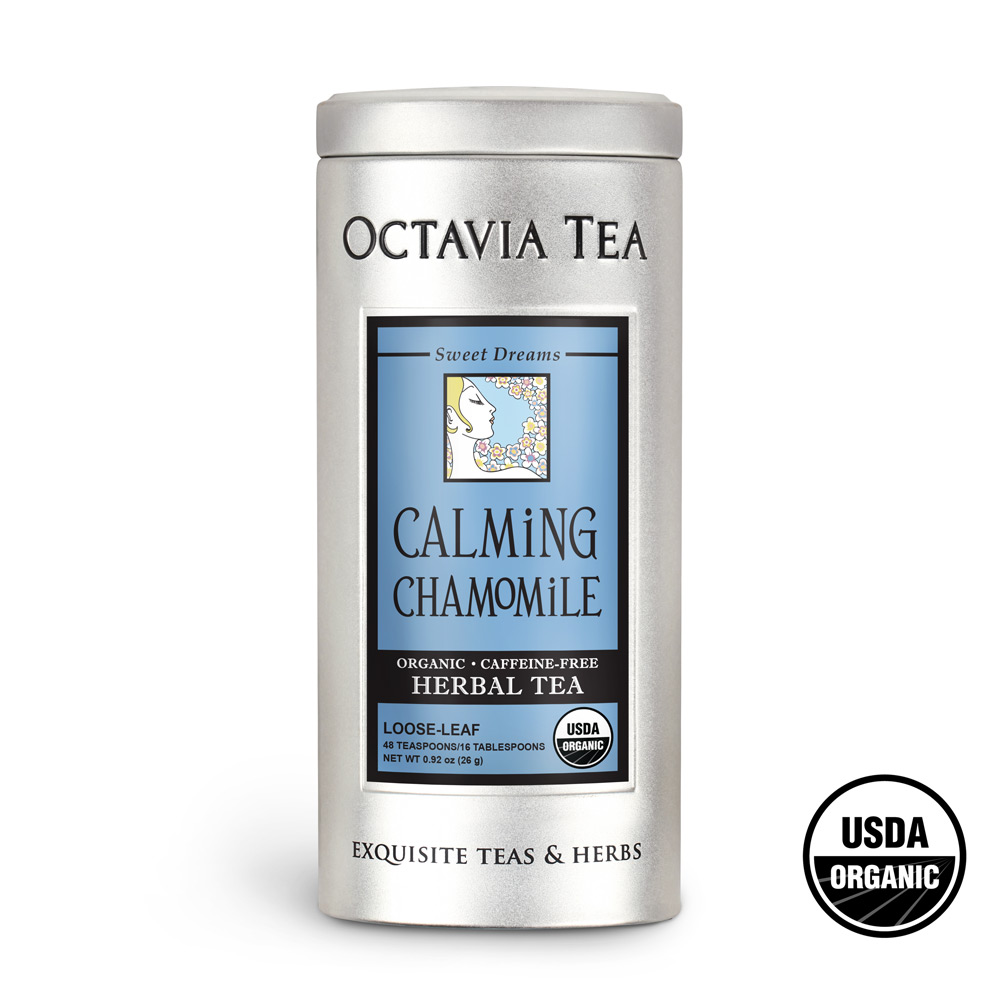
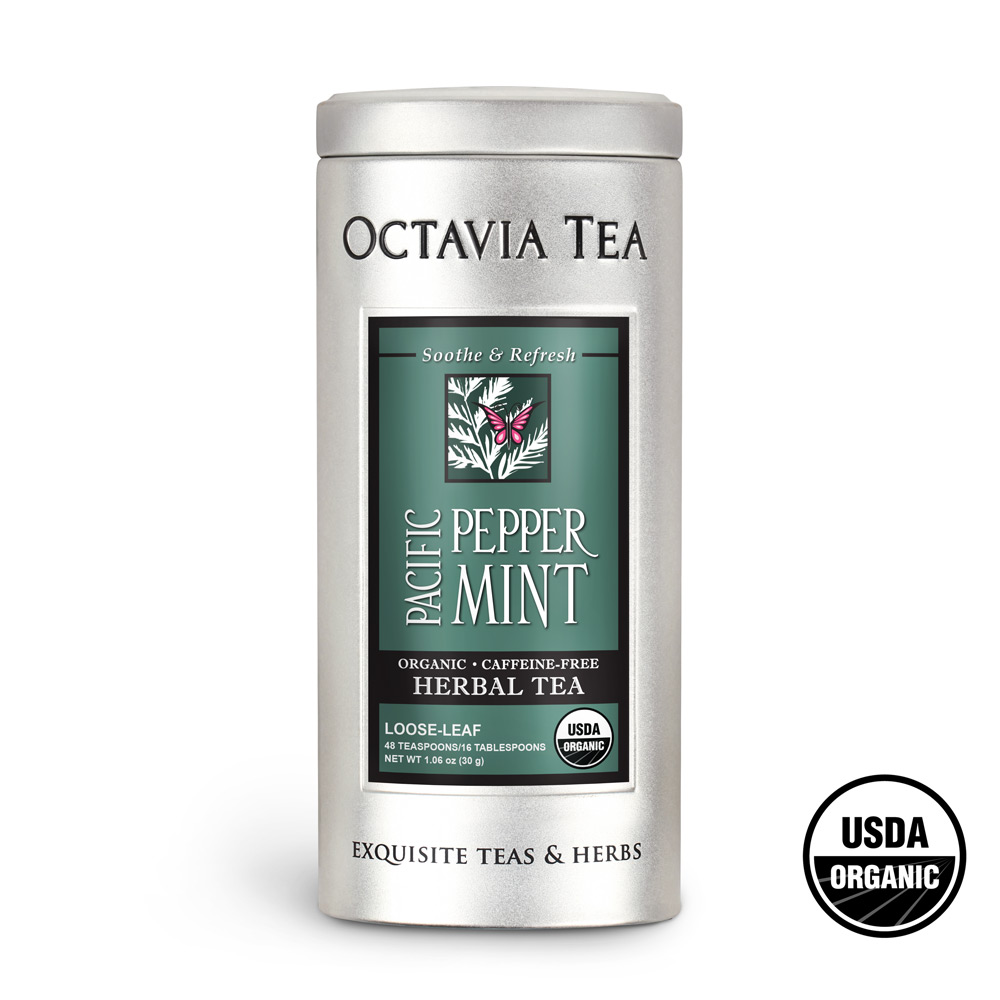
Pacific Peppermint is a crisp choice grown in the Pacific Northwest. For a softer, bedtime-friendly option, Calming Chamomile is made from whole chamomile flowers with a fragrance of honey and apple.
Teas to Avoid During Menstruation and Who Should Be Careful
Herbal does not automatically mean harmless, and this is the section I wish more tea articles took seriously. Your pharmacist or clinician knows your situation better than any article can.
Medication interactions. If you take prescription medicine for a chronic condition, ask your pharmacist whether any of these herbs interact with it before you make a daily habit of one.
Caffeine. This is the gap most tea lists ignore. The herbal blends in our range are caffeine-free. For some people a caffeinated cup in the afternoon is enough to disrupt sleep. If you know caffeine keeps you up, stick to the caffeine-free blends, especially in the evening.
Conditions that warrant a check-in first. Talk to a clinician before drinking herbal teas regularly if you are pregnant, breastfeeding, or have a medical condition. This is not meant to scare you off tea; it is meant to keep the habit a safe one.
Signs to stop. If a tea gives you an upset stomach, a rash, or a headache after you start drinking it, stop and mention it to a clinician.
None of this is a reason to avoid tea altogether. It is a reason to know what is in your cup and to ask a question when you are unsure.
How to Choose the Right Tea for Your Symptoms
Start with the feeling you want from your cup. The warming ginger and turmeric blends, the cooling mint in Pacific Peppermint, and the honeyed chamomile and Lavender Lemongrass each have their own character.
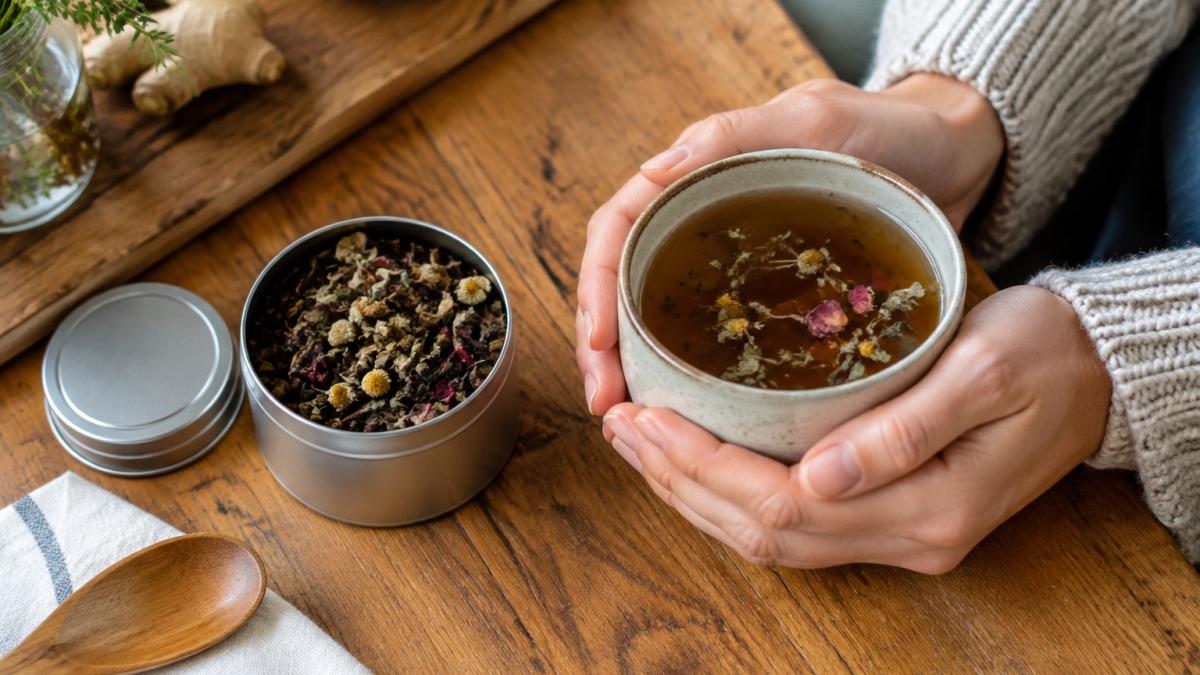
Brewing matters too. Steep herbal blends in water just off the boil, then taste and adjust the time next time.
!Hands holding a warm mug of herbal tea beside a small tin of loose-leaf tea on a wooden kitchen counter
When Period Pain Needs a Doctor's Visit
Tea is not the right answer for every kind of pain. See a doctor if cramps are severe enough to keep you from work or school, if pain is getting worse over time, if you bleed heavily, or if you have pain outside your period. The American College of Obstetricians and Gynecologists explains when period pain warrants an evaluation (ACOG guidance on painful periods).
Ask a clinician before relying on herbs alone for ongoing pain.
Trying a Cramp-Calming Tea This Cycle
Pick one tea from the comparison above and drink it at the same time each day for a few days. Notice how you feel. Keep a simple note of cramp intensity and any side effects.
If you want a starting point, we would suggest Turmeric Ginger for its warm, zesty flavor or Calming Chamomile for evenings. Both are available on our site, and both are caffeine-free.
Frequently Asked Questions
What is the best tea to drink for period cramps?
There is no single winner. Many people find a warm cup helps simply by slowing down and relaxing the body. If your cramps are severe, a cup of tea is a supportive habit, not a substitute for medical care.
Can ginger tea help with menstrual cramps and nausea?
Ginger is a flavorful herb in many of our blends. People taking blood thinners or planning surgery should check with a doctor before drinking it regularly.
What teas should you avoid during your period?
Most people do not need to avoid any tea during their period, but caffeine deserves a closer look. Strong black tea, green tea, and oolong contain caffeine, which can make some people feel jittery, can worsen headaches, or can disturb sleep. Switching to a caffeine-free herbal option in the evening is a simple adjustment.
Is black tea good for period cramps?
Black tea is not among the teas with the strongest evidence for menstrual cramps. It contains caffeine, and many people find a caffeine-free blend more comfortable during their period. Persistent or severe pain deserves a conversation with a healthcare provider.


Octavia Tea Sign In
Create New Account