























The Best Bulk Green Tea for Cafes, Shops and Daily Brewing

Last Updated: November 18, 2026
Quick Summary
The best bulk green tea balances freshness, leaf quality, organic integrity and a responsive supplier, not just price per pound. Buy loose leaf in a format that matches your turnover, since green tea fades with age and the last pound should taste like the first.
- Green tea does not improve with age; its bright vegetal character fades once exposed to air, light and heat.
- Octavia Tea sources over 120 organic loose leaf teas directly from estate gardens.
- Compare bags by cost per good cup, dividing cost per ounce by good servings per ounce.
- Sencha Kagoshima brews at 180°F for two minutes and suits daily café service and iced tea.
- Split a bulk bag into smaller airtight containers on arrival and open only one at a time.
Table of Contents
- What Separates the Best Bulk Green Tea From the Rest
- A Quick Comparison of Our Organic Green Teas
- How to Choose a Green Tea Supplier You Can Rely On
- Bulk Organic Green Tea: What Certification Actually Tells You
- Loose Leaf Green Tea in Bulk: Package Sizes and Real Value
- The Best Green Tea for Cafes and Coffee Shop Menus
- Storing Bulk Green Tea So It Stays Fresh to the Last Cup
- Ordering Your First Bulk Green Tea Selection
- Frequently Asked Questions
What Separates the Best Bulk Green Tea From the Rest
A café owner once asked me why our green tea cost more per pound than the boxed stuff at the restaurant supply house. The honest answer has nothing to do with marketing. It comes down to what is actually inside the leaf, how recently it was harvested, and whether anyone along the way treated it like a fresh food or a shelf-stable commodity.
Finding the best bulk green tea means balancing four things at once: freshness, leaf quality, organic integrity, and a supplier who will still answer your email in month six. Most buyers fixate on price per pound and skip the rest. That is a mistake, because stale tea at a low price is the most expensive purchase you can make.
Octavia Tea sources over 120 organic loose leaf teas directly from estate gardens.
Why Freshness Beats Almost Every Other Selling Point
Green tea is not wine. It does not improve with age. The bright, vegetal character that makes a good green tea worth drinking starts fading the moment the leaf is exposed to air, light, and heat. A two-year-old green tea can still be drinkable, but the aroma flattens and the finish turns dull and papery.
Ask any supplier how long their current lot has been sitting, since the answer tells you more about freshness than most labels do.
A Quick Comparison of Our Organic Green Teas
Here is how our green teas differ, so you can match the leaf to the way you actually brew and serve it.
| Tea | Origin | Flavor Profile | Best For |
|---|---|---|---|
| Sencha Kagoshima | Japan | Grassy-pine, deep umami, sweet finish | Daily café service, iced tea |
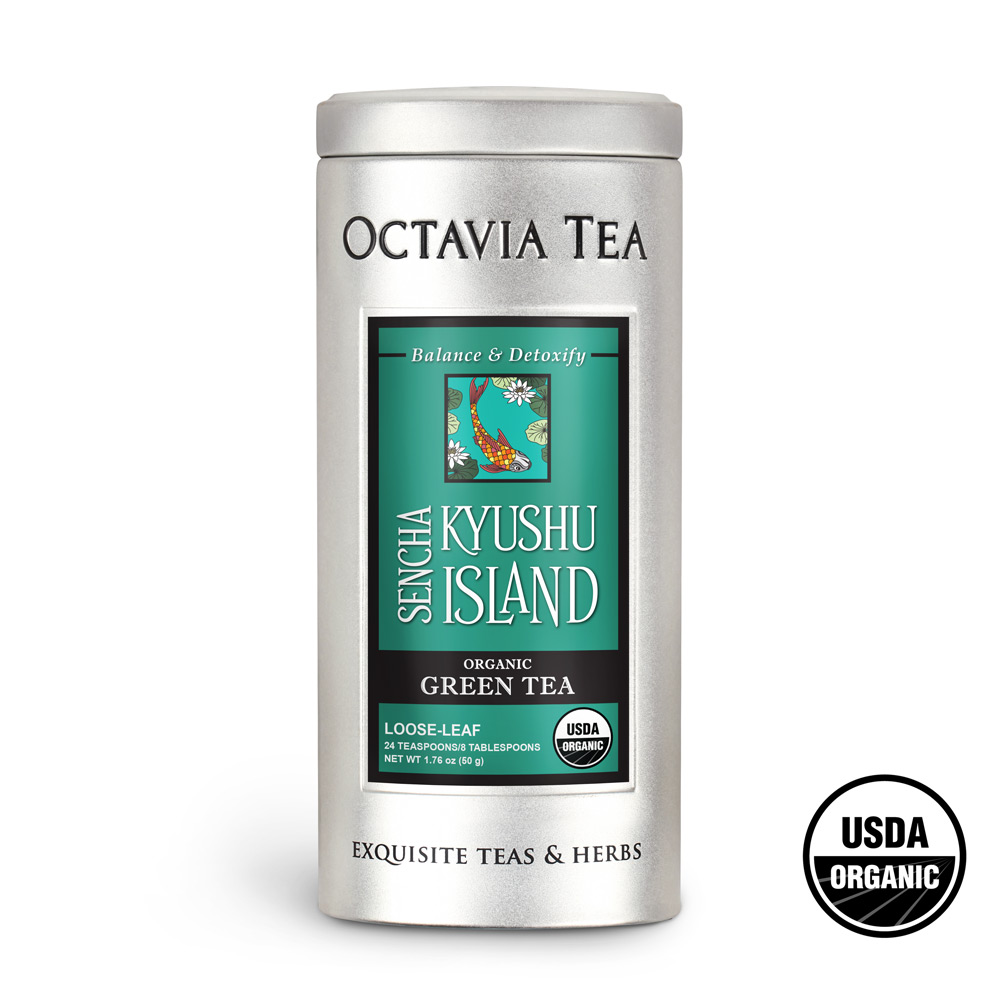
| Sencha Kyushu Island | Japan | Bright vegetal, buttered snow peas | Reserve menus, tea flights |
| Dragonwell | China | Orchid aroma, roasted chestnut, earthy | Retail shelves, gifting |
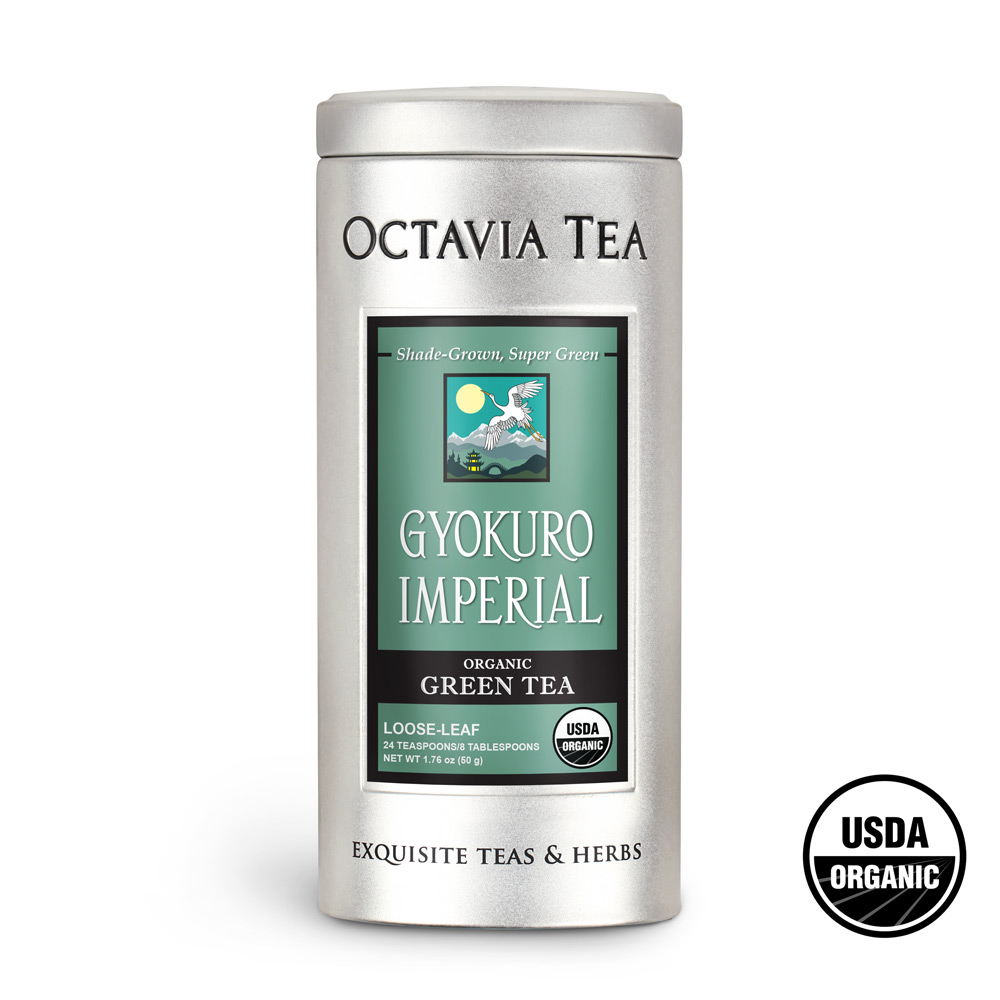
| Gyokuro Imperial | Japan | Deep vegetal sweetness, velvety umami | Premium tasting, special service |
| Jasmine Green | China | Sweet wild jasmine fragrance | Approachable entry point, retail |
| Kukicha Green | Japan | Creamy herbs, chestnut, wood | Caffeine-sensitive customers |
| Moroccan Mint | Blend | Crisp peppermint over green tea | Iced tea, summer menus |
| Himalayan Green | India | Mellow, earthy, floral | All-day drinking, bulk value |
| Bi Luo Chun | China | Buttery, dewy, spring clover | Connoisseur retail, sampling |
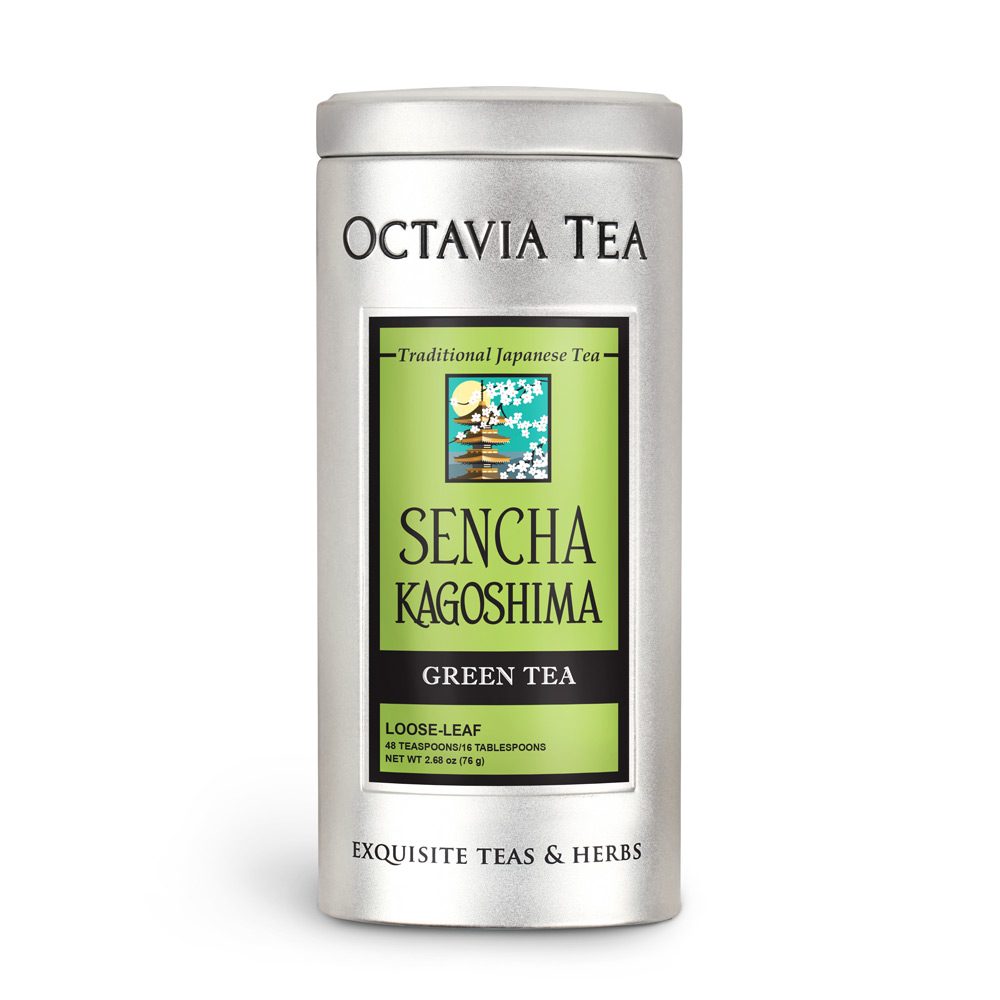
For a Japanese green tea you can put on a menu, Sencha Kagoshima is a solid choice. The product page recommends brewing at 180°F for two minutes.
How to Choose a Green Tea Supplier You Can Rely On
Choosing a green tea supplier is less about the catalog and more about the relationship. A good supplier knows their lots, tells you when a harvest shifts character, and does not disappear when you need a restock in a hurry.
Start with these questions:
- Do they source direct from estates, or buy through brokers?
- Can they tell you the harvest season of the current lot?
- What is their minimum order, and does it fit a small shop?
- How fast can they restock a bestseller?
- Are their organic claims third-party certified?
If you are weighing a larger commitment, our guide to loose leaf tea wholesale suppliers walks through the sourcing questions in more depth before you place a volume order.
Questions Worth Asking Before You Commit to a Volume Order
The conversation before your first order is where you learn the most. Ask how the supplier stores green tea between harvest and shipping. Ask whether they blend in small batches or hold large lots. Ask what happens if a shipment arrives stale.
A supplier who answers these plainly is telling you they have nothing to hide. One who deflects toward pricing is telling you something too.
Bulk Organic Green Tea: What Certification Actually Tells You
USDA organic certification is a verified claim that a tea was grown and handled according to the USDA National Organic Program standards, which cover farming practices, pest management, and the separation of organic from conventional product. It is not a flavor guarantee, but it is a paper trail.
For a shop or café, that paper trail matters. Customers ask. They want to know the leaf was not sprayed with synthetic pesticides, and they want to see it in writing. Octavia Tea's organic teas are USDA certified organic.
Loose Leaf Green Tea in Bulk: Package Sizes and Real Value
Loose leaf green tea in bulk almost always costs less per cup than bagged tea, and the gap widens as your volume grows.
Value, though, is not just price per pound. It is price per good cup. A tea that brews two solid infusions gives you more servings per ounce than one that fades after the first steep.
Here is a simple way to compare bag sizes when deciding whether a bigger bag is actually a better deal.
- Convert everything to cost per ounce. Divide the package price by the net weight in ounces. A 4 oz tin and a 1 lb bag are only comparable once both are expressed the same way. Note that a pound is 16 ounces, so a 1 lb bag is four times the leaf of a 4 oz tin.
- Estimate servings per ounce. This is where leaf style matters. A fine, broken leaf gives up its flavor quickly and often yields one good steep. A whole-leaf or stem-and-leaf tea typically gives two, sometimes three. Rather than trust a label, brew a measured sample and count the steeps you would actually serve.
- Divide cost per ounce by good servings per ounce. That number, cost per good cup, is the only figure worth comparing across suppliers.
- Add the waste factor. If a tea turns bitter on the second steep or your staff oversteeps it during a rush, the cheap leaf stops being cheap. A forgiving tea that survives a busy bar is worth more per ounce than a delicate one that gets dumped.
A common pattern is that the largest bag is not always the best value per good cup.
Format matters too. If you want to see how a larger loose format works in practice, our Kukicha Green in a 1 lb bulk package is a good example of a stem-and-leaf tea that stretches well across multiple steeps.
Watch out: comparing a sale price on a small bag against the list price of a large one tells you nothing.
The Best Green Tea for Cafes and Coffee Shop Menus
The best green tea for cafes is one that brews consistently under pressure, holds its character in iced service, and does not punish a busy barista for a thirty-second oversteep. That rules out delicate, temperamental leaves for your house pour.
Here are a few teas that suit a café menu:
- House green: Sencha Kagoshima, forgiving at 180°F, grassy and clean
- Iced green: Moroccan Mint, lively over ice with a mint garnish
- Premium upsell: Gyokuro Imperial, brewed at 160°F for a special service
- Retail bagged for takeaway: Jasmine Green, approachable and aromatic
Water temperature matters for green tea, and product brewing guidance on each tea page is the best reference.
Storing Bulk Green Tea So It Stays Fresh to the Last Cup
Buying in bulk only pays off if the last cup tastes like the first. Green tea is sensitive to three things: air, light, and heat. Keep it away from all three and it will hold its character for months.
The mechanism is oxidation. The compounds that give green tea its bright, vegetal character react with oxygen and degrade, and heat speeds that reaction up.
A practical routine for a large quantity:
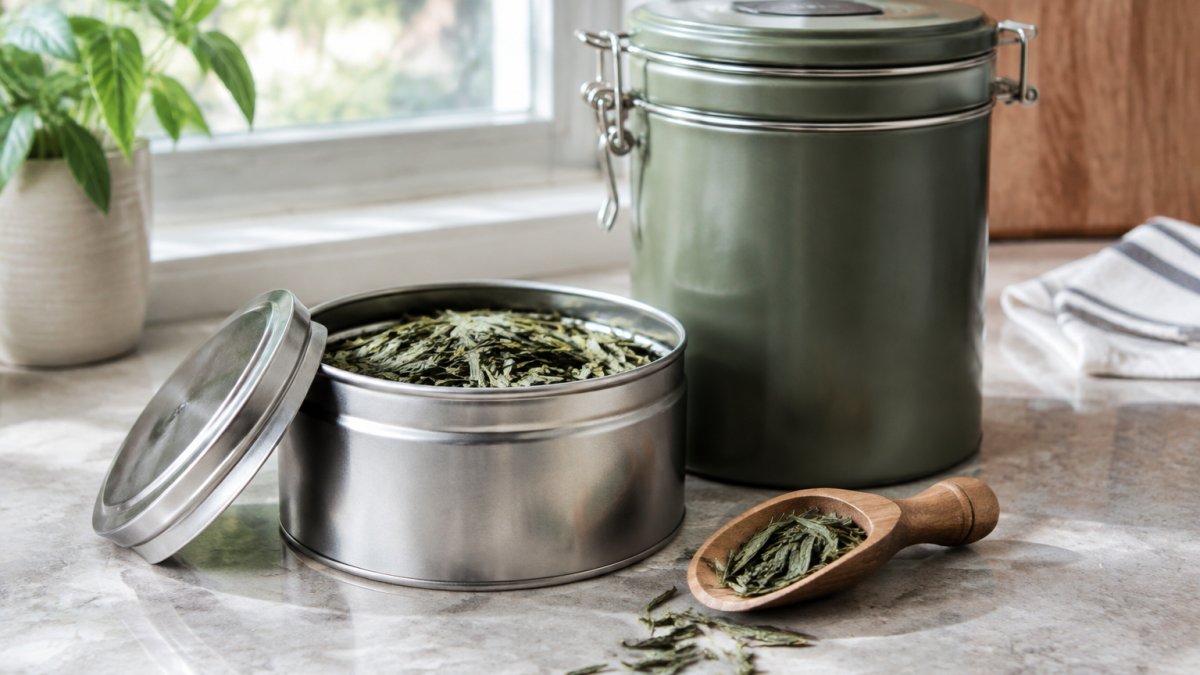
- Divide before you store. Split a bulk bag into smaller airtight containers the day it arrives, and open only one at a time. The rest stays sealed.
- Use opaque, airtight containers. A dark canister or a bag with the air pressed out and the top folded and clipped works better than a clear jar on a sunny shelf.
- Keep it cool and dark. A cupboard away from the stove and the window is fine. Avoid the fridge unless the container is truly sealed, because condensation and food odors find their way into tea.
- Label the harvest or arrival date. You cannot manage turnover you cannot see.
How long will it last? Opened green tea is generally best used within a few months, and it tends to fade over time.
Watch out: buying the biggest bag to chase a discount and then storing it in the original open sack on a warm shelf is the fastest way to waste the savings.
For a deeper look at keeping larger quantities fresh, our guide on how to store bulk herbal tea covers the same principles that protect green tea.
Ordering Your First Bulk Green Tea Selection
The best approach to a first order is a small flight rather than a single big commitment. Pick three or four teas that cover your likely uses, brew them side by side, and see which ones your customers actually finish. Then scale the winners.
What most buyers miss is that a supplier's willingness to start small tells you a lot. Low minimums mean you can test before you commit, and that is how you avoid sitting on a pound of leaf nobody orders.
Watch out for the trap of ordering by price alone. A cheap lot that arrives flat costs you more in wasted cups and disappointed customers than a fresher leaf ever will.
The hardest part of buying green tea in bulk is trusting that what arrives will taste as good as what you sampled. That trust is built on freshness, direct sourcing, and a supplier who stands behind the leaf.
Frequently Asked Questions
Which brand of green tea is considered the best quality?
Quality comes down to leaf grade, freshness and how the tea was processed, not a single brand name. Look for whole leaves rather than dust and fannings, a clear harvest and origin story, and organic certification you can verify. Japanese sencha and gyokuro are steamed soon after picking to lock in their green flavor, while Chinese styles like Dragonwell are pan-fired. Octavia Tea sources over 120 organic loose leaf teas directly from estate gardens.
Where can I buy bulk green tea for a cafe or shop?
You can buy bulk green tea directly from a specialty importer, from a wholesale distributor, or from a local retail store that special orders for you. Buying direct from the source usually gives you the freshest leaf and the clearest answer on harvest dates. Octavia Tea sells both to retail customers and to wholesale partners, with low minimums so a small cafe or boutique can start with a modest order and scale up as demand grows. Ask suppliers about restock timing before you commit to a menu.
How can you tell whether loose leaf green tea is fresh?
Fresh green tea leaves smell sweet, grassy or vegetal, never dusty or like hay. The leaves should look whole and evenly colored, with a lively green or deep jade tone rather than a dull brown. Brew a cup: fresh tea gives a bright, clean flavor with a smooth finish, while stale leaf turns flat and bitter. Ask the supplier for the harvest date and how the tea is stored. Buying in quantities you will use within a few months matters as much as the quality of the leaf itself.
What should a business look for in a bulk green tea supplier?
Start with certification you can check, a clear origin for each tea, and a stated harvest date. Then look at minimum order size, restock speed and whether the supplier can recommend bestsellers for your type of business. Ask how the tea is stored and shipped, because heat and moisture damage green leaf quickly. A supplier who answers these questions plainly and offers samples before a large commitment is usually the safer partner for a cafe, spa or gift shop.


Octavia Tea Sign In
Create New Account