























Best Healthy Tea Blends for Energy: 7 Top Picks

Table of Contents
- What Makes a Healthy Tea Blend for Energy
- Quick Comparison: 7 Healthy Tea Blends for Energy
- 1. Pineapple Guava Mate: Best Black Tea Blend for Steady Focus
- 2. Sencha Kyushu Island: Best Green Tea for Calm Focus
- 3. Matcha Powder: Highest Caffeine Per Serving
- 4. Citrus Breakfast: Best Morning Black Tea
- 5. Hot Cinnamon Spice: Sugar-Free Green Tea Energy
- 6. Rainforest Mint: Best Herbal Tea Blends for Energy
- 7. Spiced Chai Mate: Best Spiced Afternoon Tea
- How to Choose Based on Caffeine Sensitivity and Schedule
- Frequently Asked Questions
Last Updated: October 5, 2026
I wanted to write this because we get asked by our customers all the time about how to pick the best teas for different times of day. Often they want tea in the morning that gives them more of an energy jump start. But then in the afternoon they want something that will get them through but not keep them up all night. We put this guide today based on requests and blends that people ask us about.
Here is how we think about it:
What Makes a Healthy Tea Blend for Energy
A healthy tea blend for energy combines tea leaves, herbs, and botanicals that support alertness through caffeine and L-theanine rather than sugar or synthetic stimulants. At Octavia Tea, we hand-blend over 120 organic loose-leaf teas, and our energy blends follow one rule: the lift should come from the leaf, not the label.
Most commercial "energy teas" fail that test, leaning on added sweeteners, flavor powders, or caffeine loads that spike and drop within an hour. The blends worth your shelf space earn their lift from three things.
Criteria: Caffeine, Ingredients, and L-Theanine
Caffeine is the headline number, but it means little without context. A cup of black tea carries roughly half the caffeine of the same volume of coffee, and the exact amount depends on the leaf, dose, and steep time, so we treat steep time as part of the recipe.
Ingredients should be recognizable. A blend built for daily drinking contains tea leaves, herbs, spices, and natural flavor, nothing designed to mimic sweetness. Check added sugar and calorie load first, because a sweetened mix can undo the point of choosing tea over coffee.
L-Theanine is the amino acid that separates tea energy from coffee energy. It occurs naturally in Camellia sinensis and appears in especially high concentrations in shade-grown matcha. Theanine is associated with calmer, more focused alertness, which is why tea drinkers describe steady energy rather than a jolt.
Quick Comparison: 7 Healthy Tea Blends for Energy
Here is the full lineup at a glance, organized by what each blend does best.
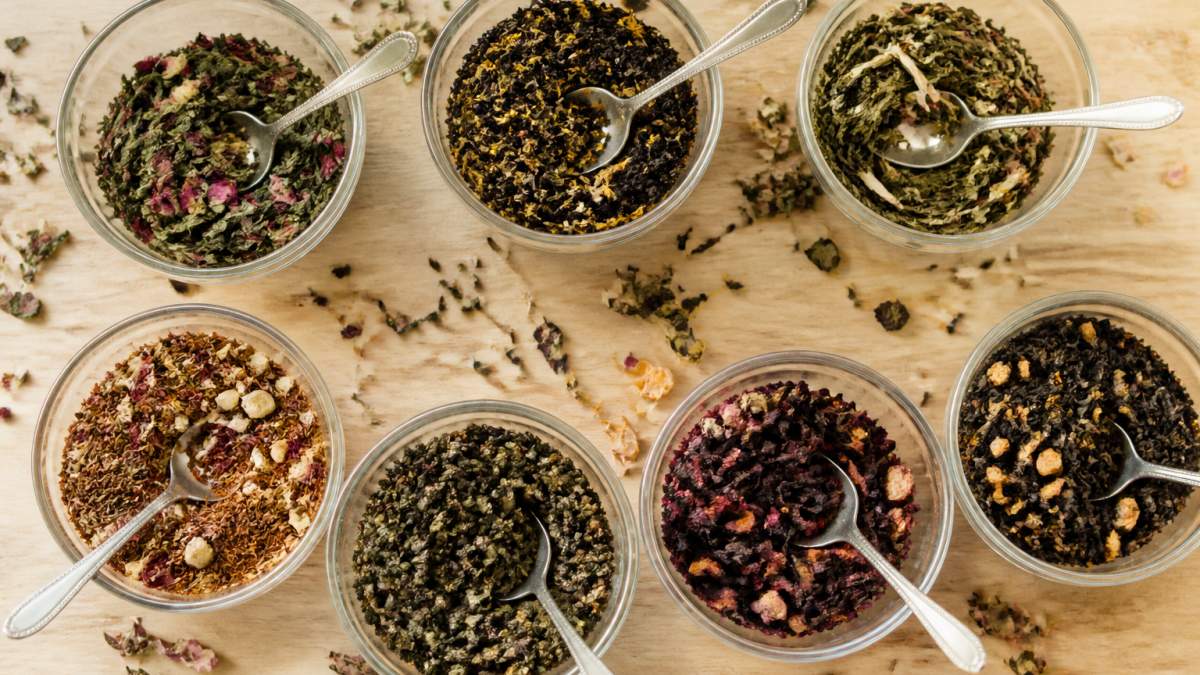
Seven loose-leaf tea blends for energy levels in small glass bowls on a wooden table
Blend | Base | Typical Caffeine per 8 oz Cup | Theanine Profile | Best For |
|---|---|---|---|---|
Black tea + yerba maté | Roughly 50-80 mg | Moderate (from black tea) | Steady all-day focus | |
Organic Japanese sencha | Roughly 20-45 mg | Moderate to high | Calm, focused energy | |
Matcha Powder | Ceremonial matcha | Roughly 60-70 mg per small scoop | Very high | Maximum lift, smallest dose |
Citrus Breakfast | Black tea | Roughly 40-70 mg | Moderate | Morning wake-up |
Hot Cinnamon Spice | Dark-roasted green tea | Roughly 25-40 mg | Moderate | Sugar-free afternoon pick-me-up |
Yerba maté + mint | Roughly 30-50 mg | Low | Cooling, mint-forward afternoon cup | |
Spiced Chai Mate | Yerba Mate + spice | Roughly 30-50 mg | Low | Spiced, Warming afternoon cup |
For reference, a typical 8 oz cup of drip coffee lands in the 95-165 mg range depending on roast and brew strength, so even the strongest blend here sits below a standard coffee.
Two variables move these numbers more than the blend name does: leaf dose and steep time.
One note before the details: caffeine sensitivity and your daily schedule should drive the pick more than the ranking.
FDA guidance on caffeine and how much is too much
1. Pineapple Guava Mate: Best Black Tea Blend for Steady Focus
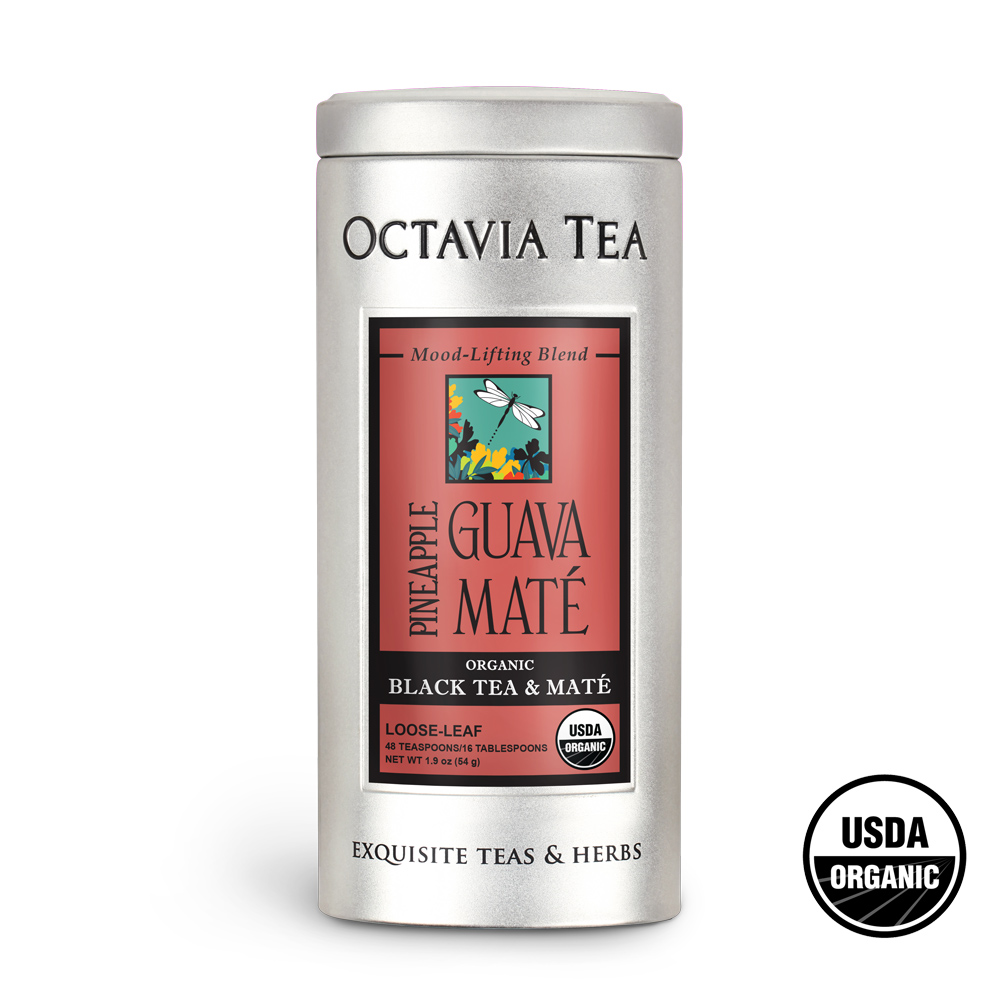
Pineapple Guava Mate is our top pick for anyone replacing a coffee habit. It combines black tea with stimulating yerba maté and organic botanicals for a fruity, supercharged cup designed to enhance focus and clarity without the crash of artificial energy drinks.
The mechanism matters here. Black tea brings caffeine plus theanine. Yerba maté brings its own blend of stimulant compounds, which many drinkers find gentler than a straight coffee hit.
The pineapple and guava notes keep it bright enough to drink iced, making it an easy warm-weather alternative to cold brew. Coming from coffee, expect less bitterness and more fruit.
2. Sencha Kyushu Island: Best Green Tea for Calm Focus
Sencha Kyushu Island answers the question of which tea gives the cleanest focus.
Sencha is Japan's most popular tea. The leaves are steamed before drying, which keeps their fresh green flavor and their natural antioxidants. Our reserve-grade, USDA Certified Organic sencha comes from the Yabukita cultivar on Kyushu Island. It tastes bright and vegetal, with hints of buttered snow peas and sunflower seeds.
This is the blend we recommend for focus without the wired feeling. Green tea gives a moderate caffeine level, and the L-theanine in the leaf arrives in the same cup, so the lift feels calm rather than sharp.
Preparation is where most people go wrong. Boiling water makes sencha bitter. Use water slightly below boiling, 160-180°F, and steep for 1½ to 3 minutes to keep its natural sweetness and smooth, umami finish.
For a repeatable daily cup, keep the leaf dose consistent and adjust steep time rather than temperature.
3. Matcha Powder: Highest Caffeine Per Serving
Matcha Powder delivers the most caffeine per serving of anything in this lineup, because you drink the whole leaf rather than steeping and discarding it.
That combination is why matcha produces a focused sense of calm rather than a spike. The theanine is present in the same sip as the caffeine, so the lift arrives smoothed out.
A practical caution: matcha is potent, so a little goes a long way. Start with a smaller scoop than you think you need and adjust. The bulk 100 g option suits daily matcha drinkers who want to keep the tin stocked.
4. Citrus Breakfast: Best Morning Black Tea
Black tea occupies a useful middle ground: enough caffeine to replace a mild coffee habit without the jitters, and a flavor that holds up to milk. The lemon character here is vivid enough to drink unsweetened, keeping the cup calorie-free.
It also cold-brews well. Steep it overnight in the refrigerator and you get a refreshing iced tea with the same lemon lift, no bitterness, and no need for sweetener.
5. Hot Cinnamon Spice: Sugar-Free Green Tea Energy
Hot Cinnamon Spice solves a specific problem: wanting something that tastes like a treat without the sugar. It is a sugar-free, calorie-free green tea blend layered with cinnamon, cracked clove, and pink peppercorn berries, landing somewhere between a hot-cinnamon candy and the crumb topping on a pastry.
The base is dark-roasted green tea, which keeps the caffeine level modest while retaining the leaf's antioxidants.
This is our recommendation for the mid-afternoon slump, when the craving is usually for something sweet rather than for more caffeine. It satisfies the first without overloading the second.
6. Rainforest Mint: Best Herbal Tea Blends for Energy
Rainforest Mint is the pick for anyone who wants an herbal tea blend for energy option without relying on Camellia sinensis.
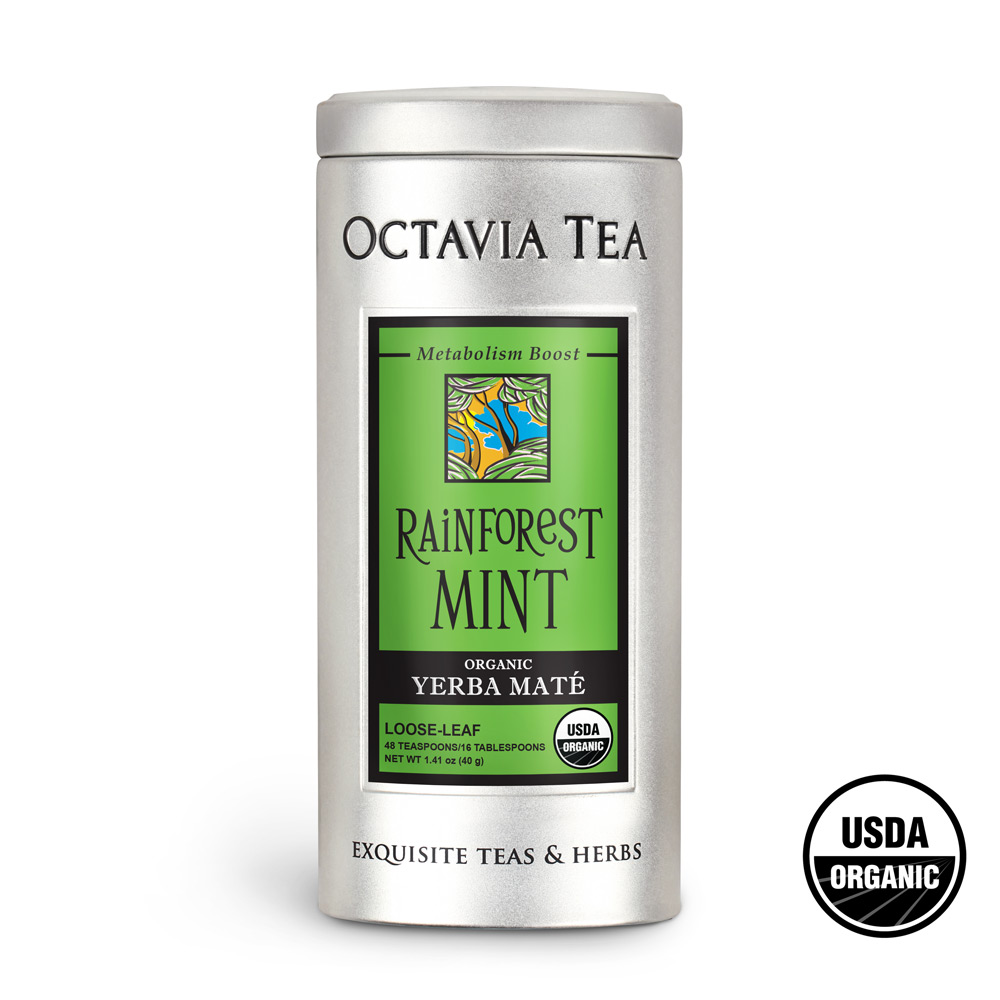
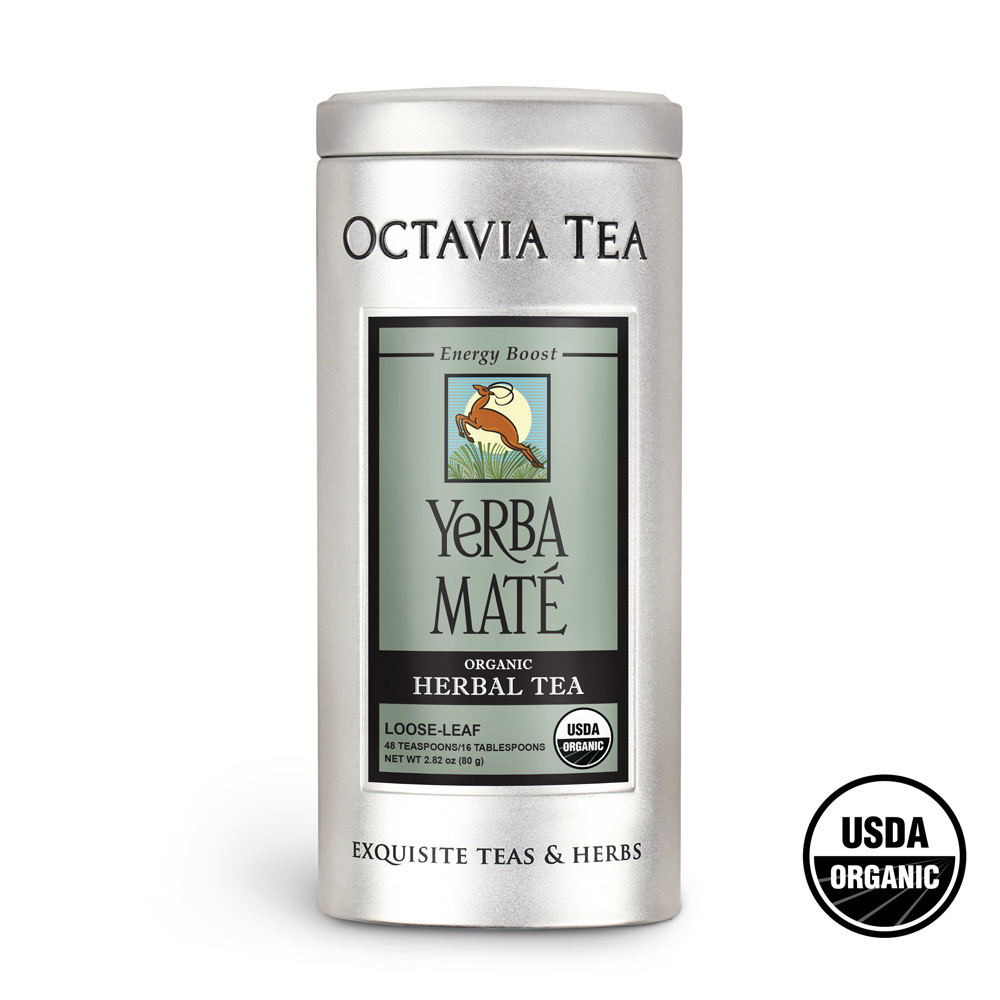
Because the base is maté rather than true tea, the flavor is earthy and strong rather than astringent.
Pair it with the plain Yerba Mate if you want the traditional version, prepared in a gourd and sipped through a straw, or with Spiced Chai Mate if you prefer cinnamon and spice over mint.
7. Spiced Chai Mate: Best Spiced Afternoon Tea
Spiced Chai Mate is the pick for a warming afternoon cup that still gives you a gentle lift.
The base is organic yerba maté from Brazil, blended with organic cinnamon, ginger, lemongrass, cardamom and clove. Yerba maté is said to lift the mood and support mental clarity, and the spices make the cup feel like a treat without any sugar.
It is milder in flavor than a traditional chai, so a lot of milk can cover the spices. A touch of honey suits it better. Steep it at about 195°F for 4 to 5 minutes.
Best For Drinkers who like the warmth of chai and want a softer, spiced lift in the afternoon. Like every maté blend, it contains caffeine, so keep it to earlier in the day if you are sensitive.
How to Choose Based on Caffeine Sensitivity and Schedule
The right blend depends less on which tea is "strongest" and more on three variables: how fast your body clears caffeine, what time of day you are drinking, and what else is in your cup. Working through those three in order will land you on a blend faster than reading every product page.
How Caffeine Sensitivity Actually Works
Caffeine is metabolized primarily by a liver enzyme called CYP1A2. Genetic variation in that enzyme is the main reason two people can drink the same cup and feel completely different effects, one gets a clean lift, the other gets jittery and sleepless.
L-Theanine partly offsets that variability. Because it is present in the same sip as the caffeine in true tea, it smooths the curve, slower onset, gentler peak, less of the edgy tail. That is why many people who cannot tolerate coffee do fine with tea, and why matcha and green tea blends are often the better starting point for sensitive drinkers.
Matching the Blend to Your Schedule
- Early morning, replacing coffee: Pineapple Guava Mate or Citrus Breakfast. Both deliver a moderate lift with theanine from the black tea base to soften the edge.
- Late morning, need focus without the wired feeling: Sencha Kyushu Island or Matcha Powder. Highest theanine, cleanest concentration, and the lift tends to fade without a crash.
- Early afternoon, want a lift but need to sleep tonight: Hot Cinnamon Spice. Lower caffeine, no sugar, and the cinnamon-clove warmth satisfies a sweet craving without adding stimulant load.
- Late afternoon, avoiding caffeine entirely: Rainforest Mint is the closest option in this lineup, but note that yerba maté still contains caffeine and related stimulant compounds, it is not caffeine-free. For a true evening cup, choose a naturally caffeine-free herbal blend instead.
A useful rule of thumb: stop caffeine roughly eight hours before bed if you are a slow metabolizer, and six if you are fast. That window is why an afternoon maté can quietly wreck sleep even when it does not feel strong in the moment.
Who Should Check With a Clinician First
Caffeine is not risk-free for everyone, and the FDA's general guidance for healthy adults does not automatically apply to every reader. Talk to your healthcare provider before adding a caffeinated blend to a daily routine if you are:
- Pregnant or nursing. Caffeine crosses the placenta and passes into breast milk, and most clinical guidance recommends keeping total daily intake low. A cup of tea still counts toward that total.
- Taking medication. Some drugs interact with caffeine metabolism, and others, certain antibiotics, asthma medications, and some antidepressants, can amplify its effects. Your pharmacist can flag interactions quickly.
- Managing a heart condition, anxiety disorder, acid reflux, or insomnia. Caffeine can aggravate all four, and the theanine in tea does not fully cancel that out.
- Sensitive to stimulants in general. Start with the lowest-caffeine option in this lineup, brew it weak, and see how you feel before moving up.
A Simple Way to Find Your Blend
If you are unsure where you land, start with the Morning Pick-Me-Ups sampler: five gourmet tea samples with printed brewing instructions, the cheapest way to find your blend before committing to a full tin. Drink each at the same time of day across a week, note how you feel at the two-hour and six-hour marks, and let that pattern, not the ranking above, make the decision.
Frequently Asked Questions
What are some good herbal tea blends for energy?
Yerba mate-based blends are the strongest choice because mate delivers caffeine and plant compounds that support alertness. Rainforest Mint combines yerba mate with peppermint from the Pacific Northwest to awaken body and mind, while Spiced Chai Mate layers cinnamon and spice over mate for mental clarity. Both are caffeine-containing herbal blends rather than true caffeine-free teas, so check the label if you are limiting caffeine.
Which tea gives you the most energy?
Matcha typically delivers the most caffeine per serving because the whole leaf is consumed rather than steeped and discarded. Octavia's ceremonial-grade Matcha Powder is stone-ground from shade-grown leaves, and the listing notes it is exceptionally high in L-theanine, which supports a focused sense of calm rather than a jittery spike. A traditional 8-ounce serving of matcha can contain roughly 60-70 mg of caffeine, though exact levels vary by preparation.
Can caffeine-free tea help you feel more energized?
Caffeine-free tea for energy works differently: it supports hydration, warmth, and ritual rather than a stimulant lift. Blends built on herbs and botanicals can improve mood and perceived alertness without caffeine. If you want zero caffeine, choose a pure herbal infusion; if you want a lift without coffee's crash, a yerba mate blend is a better fit because mate naturally contains caffeine.
What is the difference between green tea and black tea for energy?
Both come from Camellia sinensis, so both contain caffeine, but processing changes the character. Black tea is fully oxidized and tends to taste brisker and fuller, like Citrus Breakfast. Green tea is less oxidized and often retains more L-theanine, the amino acid linked to calm focus. Zen Super Green blends sencha and matcha for a vivid, umami cup that supports mental clarity without the sharp edge of coffee.
How much caffeine is in a cup of tea?
Tea caffeine levels vary widely by type and preparation. Black tea generally runs 40-70 mg per 8-ounce cup, green tea around 20-45 mg, and matcha higher because the leaf is ingested. Yerba mate falls in the moderate range, roughly 30-50 mg per serving. Steeping longer or using more leaf raises the total, so adjust to your sensitivity. Pregnant readers or anyone on medication should confirm limits with a healthcare provider.


Octavia Tea Sign In
Create New Account