























How to Brew Bi Luo Chun for a Sweet, Floral Cup

Last Updated: November 16, 2026
Quick Summary
To brew bi luo chun, use water heated to roughly 175 to 185°F (80 to 85°C) and steep 3 to 4 grams of leaf per 100 milliliters for 60 to 90 seconds, then decant fully so the leaf stops steeping. Re-steep two or three more times, adding roughly 15 to 30 seconds each round.
- Warm your vessel first so the first steep does not drop in temperature.
- Pour gently over the leaf, since a hard pour can make the cup rougher.
- If the cup tastes bitter, drop the water temperature by about 10°F or shorten the steep.
- If it tastes thin, add more leaf before adding more steep time.
- Glass brewing suits beginners because you can watch the spirals open and judge color by eye.
Table of Contents
- What Makes Bi Luo Chun One of China's Most Prized Green Teas
- How to Brew Bi Luo Chun: A Step-by-Step Guide
- What Does Bi Luo Chun Taste Like?
- Bi Luo Chun Caffeine Content and What to Expect
- Where to Buy Bi Luo Chun and How to Spot Authentic Dongting Leaf
- Common Brewing Mistakes and How to Fix Them
- Start Your First Pot with Octavia Tea's Bi Luo Chun
- Frequently Asked Questions
We wanted to dive into a very specific green tea. A tea that is prized and special but is a bit unknown to most tea drinkers. We believe that the more you understand it the more you will appreciate the tea. It has an amazing flavor that you do not find in many of the green teas. This tea, while maybe not our everyday drink is a perfect tea for a later afternoon or a fancy dinner. We hope that you will enjoy it as much as we do.
What Makes Bi Luo Chun One of China's Most Prized Green Teas
Bi Luo Chun is a hand-rolled spring green tea prized for its curled leaves and sweet, floral cup. The name translates to "Green Snail Spring," and one look at the dry leaf explains why.
The leaves twist into tight spirals, each one covered in fine white down, and the tea is prized for its tender early-spring leaves.
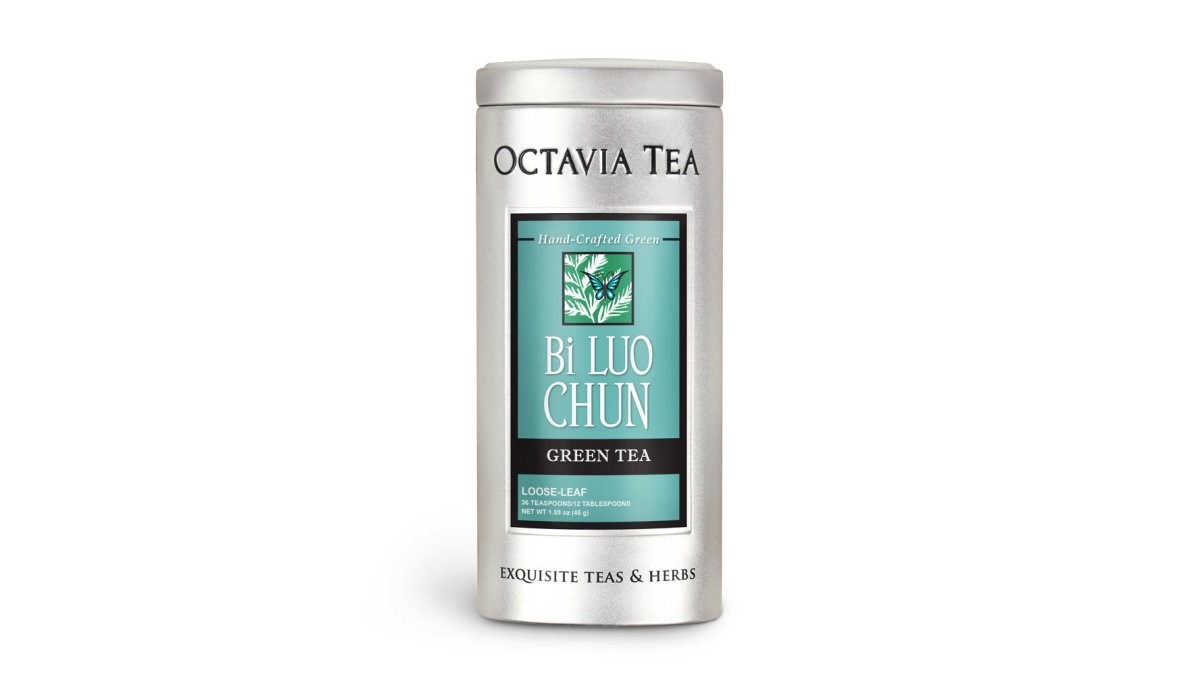
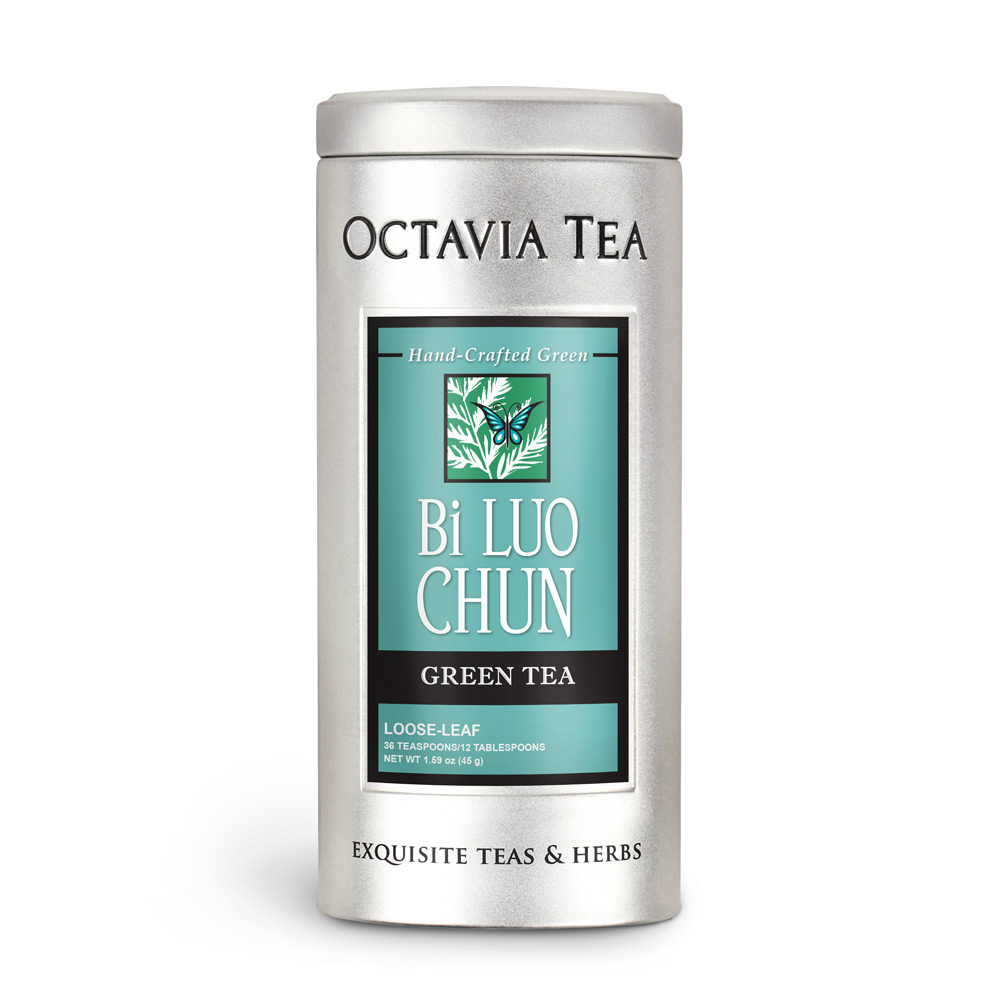
Here at Octavia Tea, we offer Bi Luo Chun, a green tea that rewards careful brewing.
The Meaning Behind the Name Green Snail Spring
The name is a description, not a poem. "Bi" means green, "luo" means snail, and "chun" means spring.
The first two words point to the leaf's curled, spiral shape. The last word refers to spring: Bi Luo Chun is one of the first teas picked in early spring.
That early picking is why the tea tastes so delicate. The same leaf picked a few weeks later turns coarser and flatter in the cup.
How to Brew Bi Luo Chun: A Step-by-Step Guide
Bi Luo Chun rewards restraint. The leaf is thin, tightly rolled, and picked young, so it gives up its flavor quickly and turns harsh just as quickly if you push it. The goal is a cup that is sweet and floral first, with the vegetal edge held in check.
The mechanism is simple. Heat and steep time both affect how much flavor the water pulls from the leaf, so moderate heat and short steeps suit a delicate tea better than the rolling boil you might use for a robust black tea.
Here is a starting method you can adjust:
- Warm your vessel with hot water, then empty it. A warm vessel keeps the first steep from dropping in temperature.
- Add about 3 to 4 grams of leaf per 100 milliliters (roughly 3.4 ounces) of water. A heaped teaspoon of the curled leaf is a reasonable approximation if you do not have a scale.
- Heat water to roughly 175 to 185°F (80 to 85°C). If you do not have a thermometer, boil the water and let it rest for a few minutes before pouring.
- Pour gently over the leaf. A hard pour agitates the leaf and can make the cup rougher.
- Steep for 60 to 90 seconds for the first infusion.
- Decant fully into a second vessel or cup so the leaf stops steeping. Do not leave the leaf sitting in water.
- Re-steep two or three more times, adding roughly 15 to 30 seconds each round.
Adjust from there. If the cup tastes bitter or drying, drop the water temperature by about 10°F (5°C) or shorten the steep. If it tastes thin or flat, add a little more leaf before you add more time, since extra time pulls out bitterness faster than it builds body. Softer water tends to push the sweetness forward; very hard water can mute the floral notes and leave the cup feeling flat.
Watch out: pouring a full rolling boil straight onto the leaf scalds it and turns the cup harsh, so let the water rest first.
Glass, Western, and Gongfu Brewing Compared
The vessel changes the cup, not just the ritual. Glass shows off the leaf, Western brewing is forgiving, and gongfu brewing gives you control over each infusion.
Method | Vessel | Leaf Amount | Water Temperature | Steep Time | Best For |
|---|---|---|---|---|---|
Glass | Tall glass or glass pot | Light, about 2 to 3 grams per 8 ounces | 175 to 185°F | 1 to 2 minutes | Watching the leaf unfurl |
Western | Mug with infuser | Moderate, about 3 grams per 8 ounces | 175 to 185°F | 2 to 3 minutes | Easy daily cups |
Gongfu | Small gaiwan | Generous, about 4 to 5 grams per 4 ounces | 175 to 185°F | 20 to 40 seconds | Many short infusions |
Water Temperature
Glass suits beginners because you can watch the spirals open and judge color by eye. Western brewing is the least fussy and the most forgiving if you step away for an extra minute. Gongfu brewing rewards attention with more distinct rounds, since each short infusion pulls a slightly different set of flavors from the leaf.
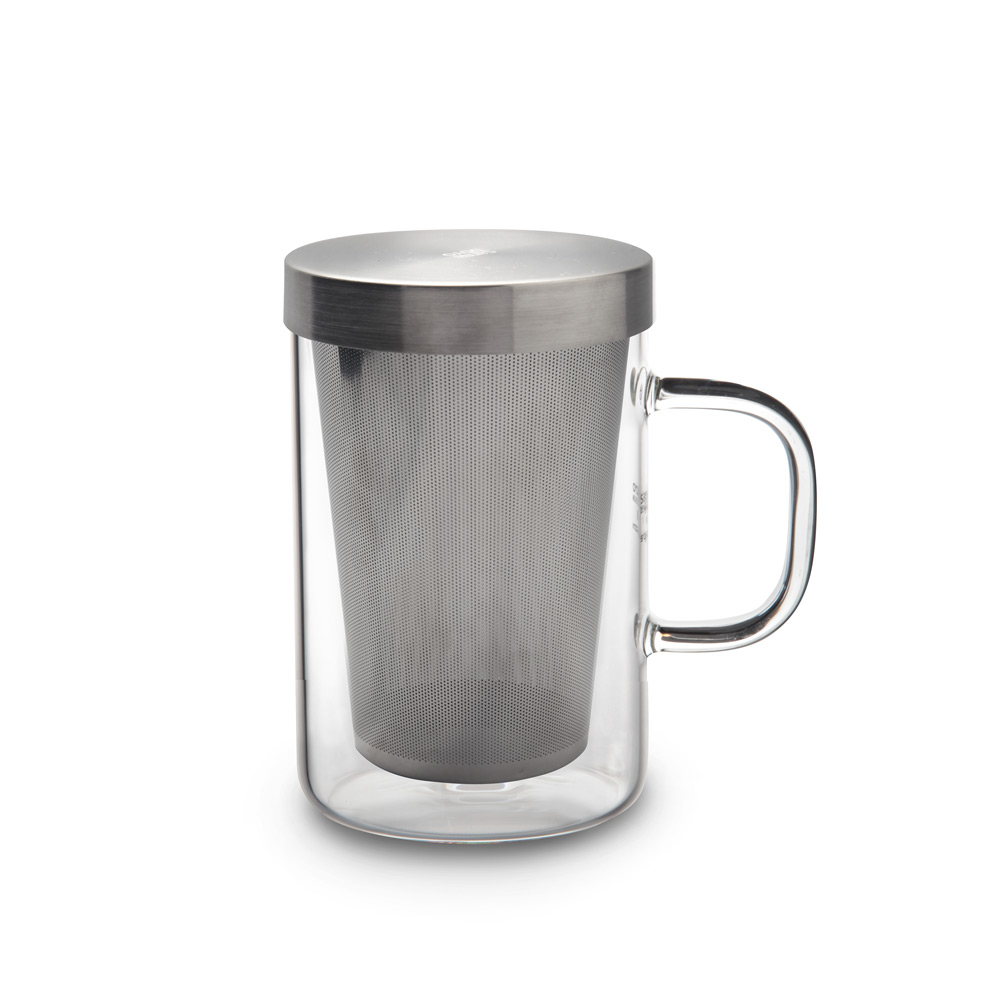
If you want to try glass brewing at home, our 16 oz glass mug with infuser basket is built for exactly this.
What Does Bi Luo Chun Taste Like?
Bi Luo Chun has a buttery, dewy sweetness and fresh spring flavor reminiscent of clover, flowers, and chestnut.
A common mistake is expecting a bold cup. This tea is quiet. Its charm is in the sweetness and the clean finish, which is why tea drinkers who find other greens bitter often like it.
Bi Luo Chun Caffeine Content and What to Expect
Bi Luo Chun is a green tea and contains caffeine.
Anyone sensitive to caffeine should treat Bi Luo Chun like any green tea and notice how they feel. For a closer look at how green and black tea compare, read our guide to caffeine sensitivity in black vs green tea.
Where to Buy Bi Luo Chun and How to Spot Authentic Dongting Leaf
Buy Bi Luo Chun from a seller who names the harvest and the origin. That provenance matters because the same name is used for tea grown elsewhere, and the two are not the same product.
Look for these signs of quality:
- Tight, evenly curled leaves with visible white down
- A fresh, floral smell with no mustiness or flat hay scent
- A harvest date from the current spring, not a vague "fresh crop" claim
- Clear origin labeling that names Dongting or the specific growing area, not just "green tea"
- A seller who can tell you when the leaf was picked and how it was stored
You can shop our Bi Luo Chun green tea to taste it for yourself. Prefer to sample first? We carry of all sizes including sample bags that should get you 2-4 cups.
Common Brewing Mistakes and How to Fix Them
Bitter Bi Luo Chun almost always comes down to water that is too hot or a steep that runs too long. Fix those two things and the sweetness returns.
Watch out: pouring a full rolling boil straight onto the leaf scalds it and turns the cup harsh. Let the water rest first.
Other fixes worth knowing:
- Use less leaf if the cup feels heavy; more if it feels thin.
- Decant every drop so the leaf stops steeping.
- Store the tea sealed, away from light and strong smells.
- Re-steep rather than overloading the first cup.
For a deeper walkthrough of ratios, temperatures, and steep times across tea types, our guide to brewing perfect loose leaf tea covers the details.
Start Your First Pot with Octavia Tea's Bi Luo Chun
Brewing Bi Luo Chun well is mostly a matter of restraint: cooler water, a short steep, and good leaf. Get those right and the cup turns sweet, floral, and clean.
We hand-blend our teas using only natural flavor essences and pure essential oils, with no artificial ingredients. Retail orders over $65 ship free.
Order a tin, warm your pot, and taste what careful brewing does for a delicate spring green.
Ready to brew a sweeter cup? Start with our Bi Luo Chun and taste the difference fresh spring leaf makes. Our team is here to help you choose the right tea for your daily ritual.
Frequently Asked Questions
How do you pronounce Bi Luo Chun?
It is roughly pronounced 'bee loh chwin,' with the last syllable close to 'chun' as in 'chewn.' The name is sometimes written Biluochun or Pi Luo Chun, and all three refer to the same tea. The literal translation is 'green snail spring,' which describes the tight, spiral curl of the tender early-spring leaves. Knowing the pronunciation helps when you ask for it at a tea shop or search for it online.
What does Bi Luo Chun tea taste like?
The Bi Luo Chun taste is delicate and buttery, with a dewy sweetness and fresh spring notes that remind drinkers of clover, flowers, and chestnut. It is smoother and more complex than common green teas. Because the flavor is subtle, water temperature and steeping time matter more than they do with bolder teas.
How much caffeine does Bi Luo Chun tea contain?
Bi Luo Chun contains caffeine. The exact amount depends on leaf quantity, water temperature, and steeping time. Check the product page for any specific details.
Where can you buy Bi Luo Chun tea?
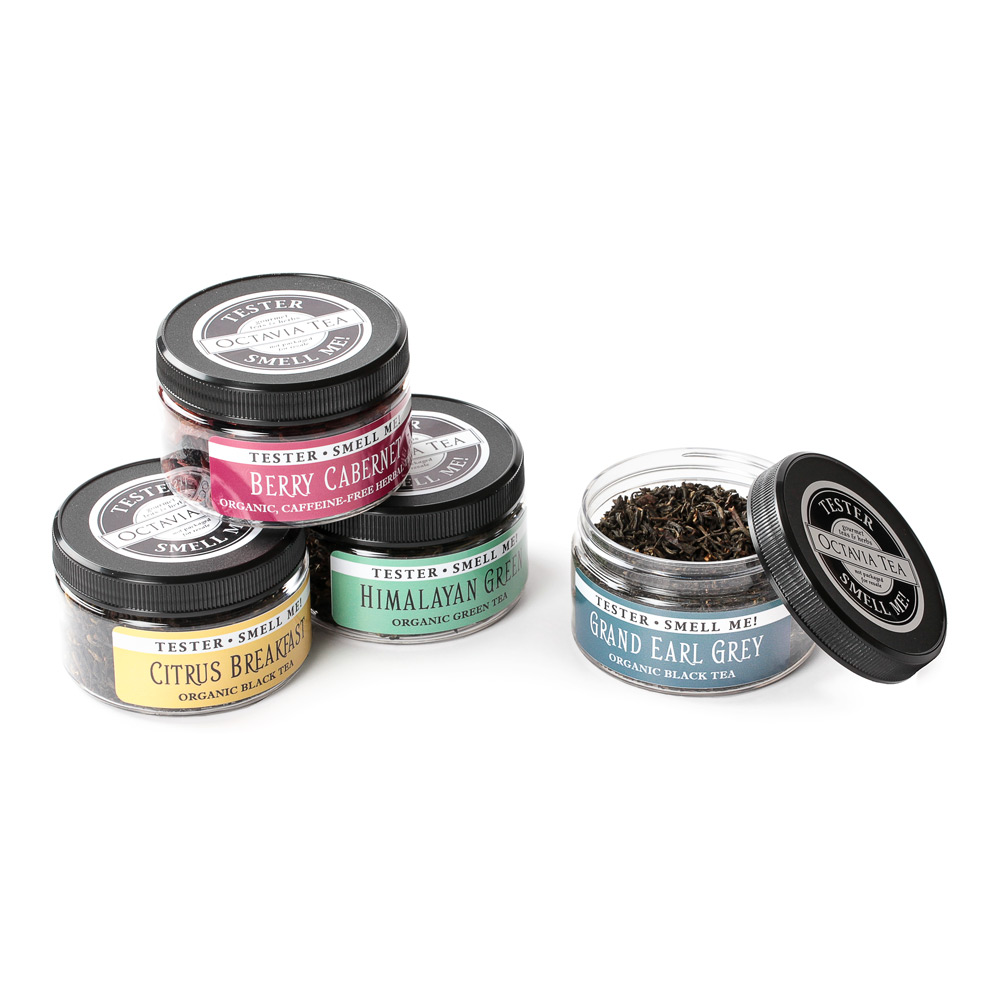
Octavia Tea offers Bi Luo Chun as a loose-leaf green tea, and the Intro to Green Tea sampler is available if you want to compare styles.


Octavia Tea Sign In
Create New Account