























Which Tea Brewing Equipment Fits a Coffee Shop?

Last Updated: November 12, 2026
Quick Summary
The best tea brewing equipment for a coffee shop depends on your busiest tea hour and menu. A commercial tea brewer suits steady pot service, a single-cup infuser handles individual orders, and an iced tea brewer covers peak warm-weather sales. Match equipment to your peak cup volume first.
- Count your peak 60-minute tea servings, separating pot service from single cups.
- Check batch size, cycle time and recovery time before comparing commercial tea brewers.
- Confirm the adjustable temperature range, since green and black teas need different water heat.
- Choose dishwasher-safe baskets that are quick to break down and clean at close.
- Estimate daily cleaning minutes per unit, since labor often costs more than the purchase price.
Table of Contents
- Why Coffee Shops Need Dedicated Tea Brewing Equipment
- Choosing a Commercial Tea Brewer for Steady Service
- Commercial Electric Kettle for Tea: Water Temperature and Volume
- Tea Infuser for Café Use: Single-Cup and Batch Options
- Iced Tea Brewer for Coffee Shops: Keeping Up at Peak Hours
- Cleaning, Cross-Contamination and Total Cost of Ownership
- Setting Up Your Tea Station: Your Next Step
- Frequently Asked Questions
Why Coffee Shops Need Dedicated Tea Brewing Equipment
Tea is a growing part of the café menu, and it asks for different equipment than espresso does. Octavia Tea works with cafés, gift shops and spas that stock loose-leaf tea, and the equipment question usually comes up early. A shop that serves tea from a home teapot will struggle once orders stack up during the morning rush.
Dedicated tea brewing equipment matters for three reasons. Steep times and water temperatures vary by tea type, so consistent results depend on controlled brewing. Staff need a workflow they can repeat on a busy shift. And customers notice when a cup tastes flat or over-brewed.
This article walks through the equipment categories a coffee shop should consider. Each section explains what the equipment does, who it suits, and what to check before buying.
Choosing a Commercial Tea Brewer for Steady Service
A commercial tea brewer suits a shop that serves tea by the pot throughout the day. The main advantage is repeatability: the same water volume and steep time, cup after cup, without a barista watching a timer. The mechanism is straightforward, the unit holds a reservoir at a set temperature, dispenses a measured volume into a brew chamber, and runs a timed steep before releasing the tea into a holding vessel or urn.
That repeatability only pays off if the unit keeps up with your busiest hour. Before comparing models, count how many tea servings you sell in your peak 60 minutes and how many of those are pot service versus single cups. A brewer that produces one pot per cycle is fine if you sell a handful of pots an hour; it becomes a bottleneck if a lunch rush sends a dozen tea orders through in fifteen minutes. Ask the vendor for the batch size per cycle, the cycle time from start to ready-to-pour, and the recovery time before the next batch can begin, those three numbers, not the marketing photos, determine whether the equipment survives your rush.
Temperature control is the second filter. Green and white teas taste harsh when brewed at near-boiling heat, while black and herbal teas need hotter water to extract fully. Confirm the actual adjustable range on the product page rather than assuming, because ranges vary by model.
Cleaning access is the third filter, and it is where cheap brewers quietly cost you labor. Check whether the brew basket is dishwasher safe. A unit that takes ten minutes to break down and scrub at close adds up across a week of shifts.
Footprint and utilities decide whether the brewer fits at all. Measure the counter space beside your espresso machine and confirm the unit's dimensions against it.
Finally, map the brewer to your menu. A shop that sells mostly black and herbal tea by the pot can run a single-temperature brewer and be happy. A shop with a broad loose-leaf menu, green, white, oolong, black, herbal, needs adjustable temperature and enough batch flexibility to brew different teas back to back without cross-contamination between cycles.
Commercial Electric Kettle for Tea: Water Temperature and Volume
Water temperature changes the cup. Black teas tolerate near-boiling water, while green and white teas taste harsh when brewed that hot.
Tea Infuser for Café Use: Single-Cup and Batch Options
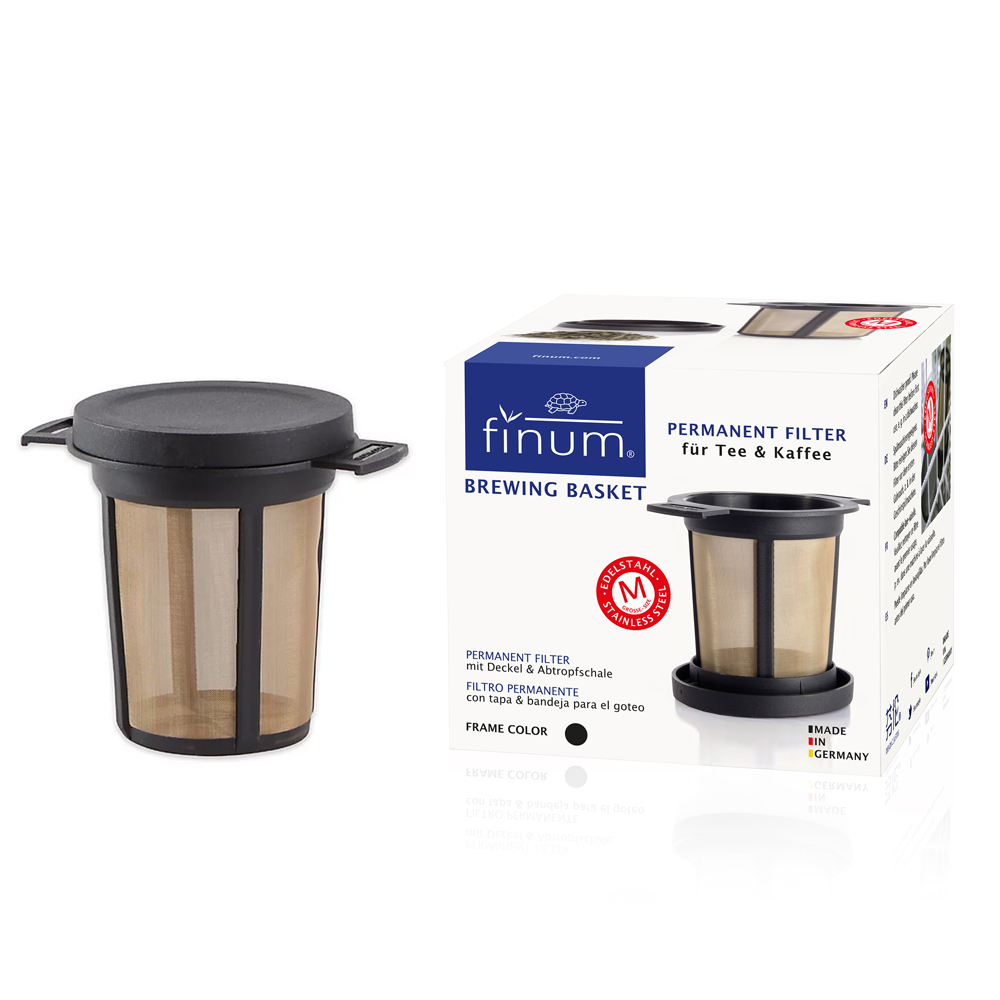
Infusers fall into two groups: single-cup and batch. A single-cup infuser sits inside one mug or small pot. The Octavia Tea Brewing Basket (Finum) is an example. It is made of tightly woven stainless steel micro-mesh, fits most cups and mugs and most small teapots, includes a drip tray, and is dishwasher safe at $17.99. Its depth gives loose leaves room to expand, which helps the infusion. Because it is one of the brand's best sellers, it is a practical starting point for a shop serving individual orders.
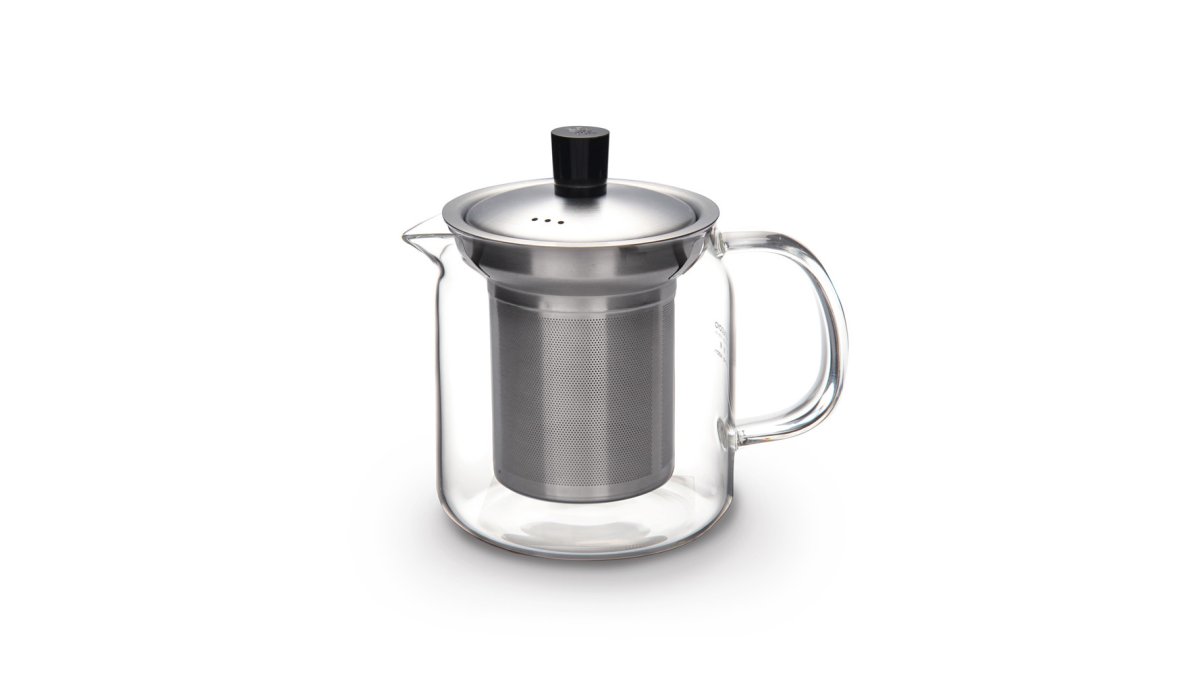
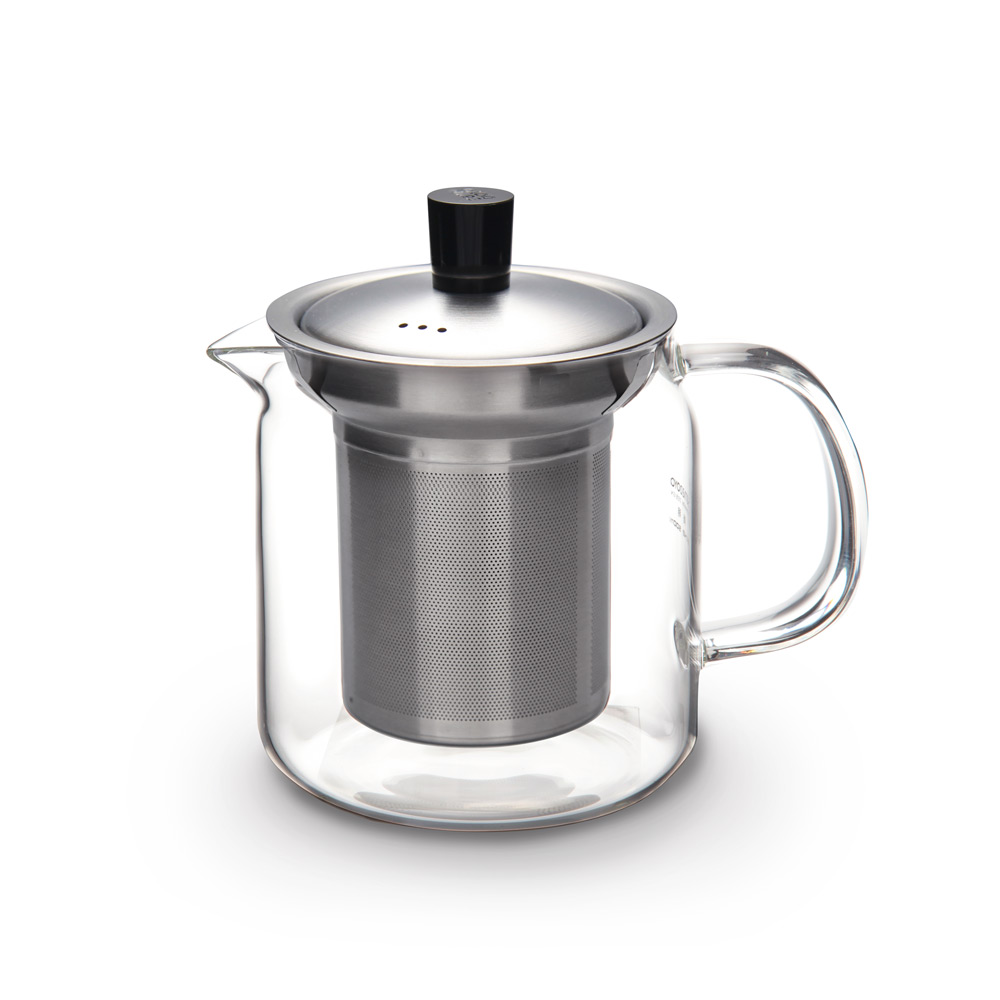
For batch service, a teapot with a built-in infuser suits a shop that serves two or three cups at once. The Octavia Tea Glass Teapot holds about 16 ounces (2 cups), has a stainless steel infuser basket, and is dishwasher safe at $24.00. The glass lets customers see the tea color, which can be part of the presentation.
You can browse the full range of Octavia Tea Tea Infusers at $17.99 to compare sizes and styles before choosing.
Iced Tea Brewer for Coffee Shops: Keeping Up at Peak Hours
Iced tea sales spike in warm months and during lunch. A cold-brew or iced tea brewer produces a large batch in one go, which is far faster than brewing hot and chilling cup by cup.
The article's equipment categories differ in what they are built for, as summarised below.
Equipment | Best for | Key difference |
|---|---|---|
Commercial tea brewer | Pot service through the day | Repeatable volume and steep time |
Single-cup infuser | Individual orders | Fits most cups and mugs |
Teapot with infuser | Two or three cups at once | Glass lets customers see tea colour |
Iced tea brewer | Peak warm-weather and lunch sales | Large batch in one go, faster than cup by cup |
Cleaning, Cross-Contamination and Total Cost of Ownership
Cleaning is where many tea setups fail, and the mechanism is worth understanding. Tea leaves release oils and fine particles during the steep, and those deposits cling to mesh, basket rims, spouts, and the inside of brew chambers. Left in place, the residue oxidizes and turns stale, and the next cup picks up that flavor before the fresh leaves ever get a chance. In a café, the risk compounds because equipment sits idle between orders, giving deposits time to set.
The practical answer is equipment you can break down daily without tools. Stainless steel mesh and dishwasher-safe components can make cleanup easier. Build a short daily routine: empty and rinse the brew chamber after the last tea order, wash removable parts, and run a hot water flush through any dispenser path. A weekly deeper clean of the mesh and any spouts keeps the buildup from hardening.
Cross-contamination is the second front. Coffee oils are persistent and carry into tea easily, so keep tea infusers, pots, and brew baskets separate from coffee equipment where you can. The same logic applies within tea: a strongly flavored herbal or spiced blend can leave aroma in a mesh basket that shows up in the next delicate green tea. A quick hot-water rinse between teas, plus dedicated baskets for your most delicate styles, is a common pattern in shops that serve a broad loose-leaf menu.
Total cost of ownership is where the purchase price stops being the deciding number. Add up four ongoing costs: replacement parts (mesh baskets, gaskets, and seals wear out), energy for heating water, cleaning supplies, and the staff minutes each day spent breaking down and washing the equipment. A cheaper brewer with hard-to-clean parts can cost more over a year than a pricier unit that washes quickly, because the labor is paid every shift while the purchase price is paid once. When you compare two units, estimate the daily cleaning minutes for each and multiply by your labor rate and the number of operating days, that figure often closes the gap between a budget model and a better-built one.
Watch out: a brewer that looks easy to clean in the showroom can hide a narrow drip path or a basket rim that traps leaves, so ask to see the parts removed and washed before you commit.
Setting Up Your Tea Station: Your Next Step
Start with your busiest tea hour and work backward. Decide how many cups you need to serve in that window, then match equipment to that volume. Add a single-cup infuser for individual orders and a teapot for small groups.
If you want to show customers the teas before they order, a tester jar helps. Browse Octavia Tea's teaware and infusers to build a station that fits your menu. Octavia Tea offers over 120 organic loose-leaf teas, USDA certified organic, and low minimums for wholesale accounts.
Ready to build your tea menu? Explore the full Octavia Tea collection and start with the equipment and blends that match your café.
Frequently Asked Questions
What equipment does a coffee shop need to serve loose-leaf tea?
A coffee shop serving loose-leaf tea typically needs a kettle that holds water at the right temperature, a way to steep leaves such as infuser baskets or teapots, a holding or serving vessel, and a cleaning routine for the infusers. Octavia Tea's Brewing Basket (Finum), priced at $17.99, fits a single cup, mug or small teapot and is dishwasher safe, which suits a counter that needs quick turnover. The 21 oz West London Teapot at $22.00 and the 16 oz Glass Teapot at $24.00 are both available as teapots. Check each product page for current capacity and care details before ordering in bulk.
Can a coffee shop use a commercial coffee brewer to make tea?
Coffee brewers are designed around coffee grounds and brew temperatures, and tea leaves can clog filters or leave residue that carries flavor into the next batch. Many cafés keep tea on separate equipment to avoid cross-flavor and to keep cleaning simple. Loose-leaf infusers and teapots are a practical alternative for tea service, and Octavia Tea's Beehouse Teapot at $34.00 includes a removable stainless infuser basket.
What should cafés look for in a commercial tea infuser?
Look for fine stainless steel mesh that keeps small leaves out of the cup, enough internal depth for leaves to expand and water to flow through, a drip tray or easy removal, and dishwasher-safe parts. Octavia Tea's Brewing Basket (Finum) is tightly woven stainless micro-mesh with a drip tray and is marketed as dishwasher safe. Confirm the fit with the vessel you plan to use before buying multiples.
How do cafés brew loose-leaf tea consistently?
Consistency comes from a repeatable process: the same amount of leaf, water at a set temperature, and a steep time that staff can follow without guessing. Written recipe cards for each blend help new staff match the house cup. Check each tea's packaging or the product page for its suggested steep time, since blends differ, and use a timer at the station.


Octavia Tea Sign In
Create New Account