























Caffeine Sensitivity: Black vs Green Tea Guide

Table of Contents
- Caffeine Sensitivity Symptoms: Is It the Tea or Something Else?
- Caffeine Content Showdown: Black vs Green Tea Milligrams
- Brewing Variables: How to Reduce Caffeine in Tea
- L-Theanine and Caffeine Synergy: Why Green Tea Feels Smoother
- Decaffeination Methods and Residual Caffeine Explained
- Choosing Your Tea for Caffeine Sensitivity
- Conclusion: Your Caffeine Sensitivity Action Plan
- Frequently Asked Questions
Last Updated: September 5, 2026
If you’ve ever felt your heart race after a morning cup of black tea but sailed through a green tea session without a flicker, you’re not imagining things. Caffeine sensitivity is the reason two people can drink the same tea and have completely different reactions, and it’s also why black and green tea feel so different to you personally. This guide breaks down the actual caffeine content in each, how brewing changes the dose you consume, and why green tea often feels smoother even when the numbers say otherwise. We’ll give you a practical action plan for managing caffeine sensitivity without giving up the ritual you love.
Most guides simply tell you to switch to green tea if black makes you jittery. That advice misses the point entirely. Caffeine sensitivity is a spectrum, and the difference between a comfortable cup and an anxious afternoon often comes down to variables you control at the kettle, not just the color of the leaf.
Caffeine Sensitivity Symptoms: Is It the Tea or Something Else?
Caffeine sensitivity is the degree to which your body reacts to caffeine's stimulant effects, and it varies widely based on genetics, tolerance, and metabolism. Common symptoms include a racing heart, jittery hands, anxiety, insomnia, and an upset stomach, often appearing within 30 to 60 minutes of drinking. If you experience these after a single cup, you fall on the sensitive end of the spectrum. Mayo Clinic guidance on caffeine
Before you blame the tea entirely, consider your daily intake across all sources. That afternoon chocolate bar, your pre-workout supplement, or even certain medications contribute to your total caffeine load. A sensitive drinker might tolerate one source fine, but the combination pushes them over the edge. Keep a simple log for a few days: note every caffeinated product and the time you consume it. You may find the culprit is cumulative, not the specific tea you drank at noon.
Caffeine Content Showdown: Black vs Green Tea Milligrams
Black tea generally contains more caffeine than green tea, but the gap is smaller than most people assume. A typical 8-ounce cup of black tea delivers roughly 40 to 70 milligrams of caffeine, while the same cup of green tea provides about 20 to 45 milligrams. Both come from the same plant, Camellia sinensis, so the difference stems from how the leaves are processed and harvested rather than a fundamental chemical divide.
Tea Type | Typical Caffeine per 8 oz Cup | Oxidation | Best For |
|---|---|---|---|
Black Tea | 40-70 mg | Fully oxidized | Morning energy, bold flavor |
Green Tea | 20-45 mg | Minimal oxidation | Gentle alertness, afternoon focus |
The oxidation process is the key structural difference. Black tea leaves are fully oxidized, which breaks down some compounds and concentrates others, while green tea leaves are steamed or pan-fired quickly to halt oxidation. That processing, combined with the fact that black tea often uses more mature leaves, nudges its caffeine content upward. USDA FoodData Central tea entries
Why the Same Tea Can Have Different Caffeine Levels
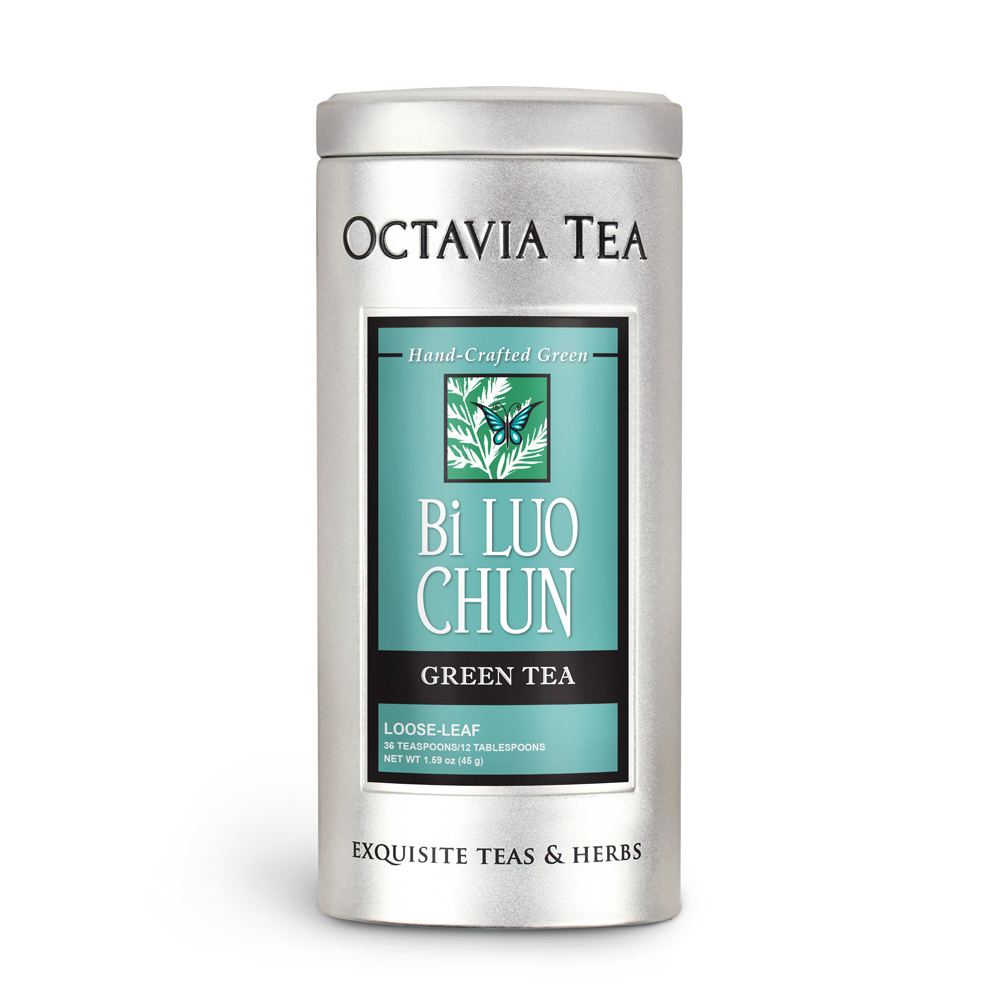
Even within the same tea type, caffeine varies by leaf grade, harvest time, and origin. Early spring harvests, like the first flush of Darjeeling or a tender Bi Luo Chun, contain higher caffeine because the plant directs energy to new growth. Younger buds and top leaves hold more caffeine than older, larger leaves lower on the bush. A cheap bagged black tea might use fannings from mature leaves, while a premium loose-leaf first flush could pack a stronger punch. This is why you cannot assume every green tea is low-caffeine or every black tea is high.
Brewing Variables: How to Reduce Caffeine in Tea
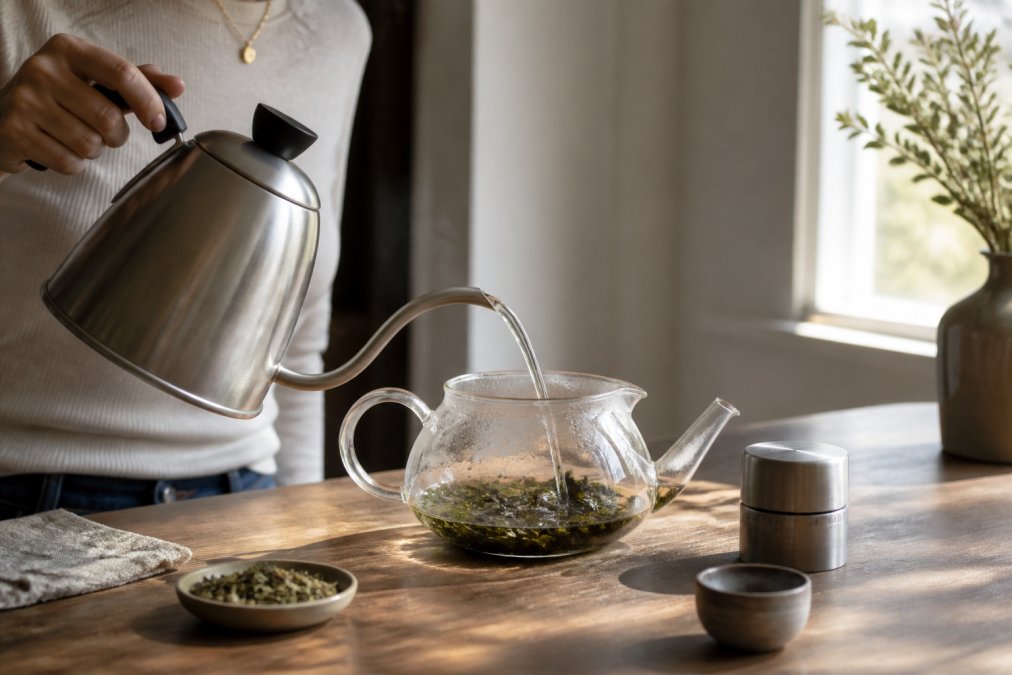
Caffeine extraction is directly tied to steeping time and water temperature, making brewing your most powerful tool for managing caffeine sensitivity. Caffeine dissolves readily in hot water, and the longer leaves steep, the more caffeine ends up in your cup. A quick 30-second steep extracts only a fraction of the available caffeine, while a 5-minute steep pulls most of it out.
The practical rule: cooler water and shorter steeps produce a noticeably lower-caffeine cup without sacrificing flavor. For green tea, water at 175°F for 1 to 2 minutes yields a delicate, lower-caffeine infusion. For black tea, dropping the temperature from a rolling boil to about 200°F and capping the steep at 2 minutes rather than 4 makes a measurable difference. Tea Association of the USA brewing guidance
Steeping Time and Water Temperature Cheat Sheet
Use this quick reference the next time you brew, especially if you are sensitive to caffeine:
Brewing Goal | Water Temp | Steep Time | Caffeine Impact |
|---|---|---|---|
Lowest caffeine | 175°F (green) / 200°F (black) | 30-60 seconds | Minimal extraction |
Balanced cup | 180°F (green) / 205°F (black) | 1-2 minutes | Moderate extraction |
Full-flavor cup | 185°F (green) / 212°F (black) | 3-4 minutes | Maximum extraction |
A common mistake is treating the "correct" steep time on a package as a rule rather than a starting point. If a tea recommends 3 minutes but you are sensitive, steep it for 90 seconds and taste it. You lose a little body but gain a cup that won't spike your nervous system. The first steep of loose-leaf tea is also the highest in caffeine; if you drink multiple infusions, the second and third will be gentler.
L-Theanine and Caffeine Synergy: Why Green Tea Feels Smoother
Green tea feels smoother to sensitive drinkers not just because it has less caffeine, but because it contains more L-theanine, an amino acid that modulates how caffeine affects your brain. L-theanine promotes calm alertness by increasing alpha-wave activity and influencing neurotransmitters like GABA and serotonin. When paired with caffeine, it slows the absorption curve, reducing the sharp spike and crash that black tea can produce.
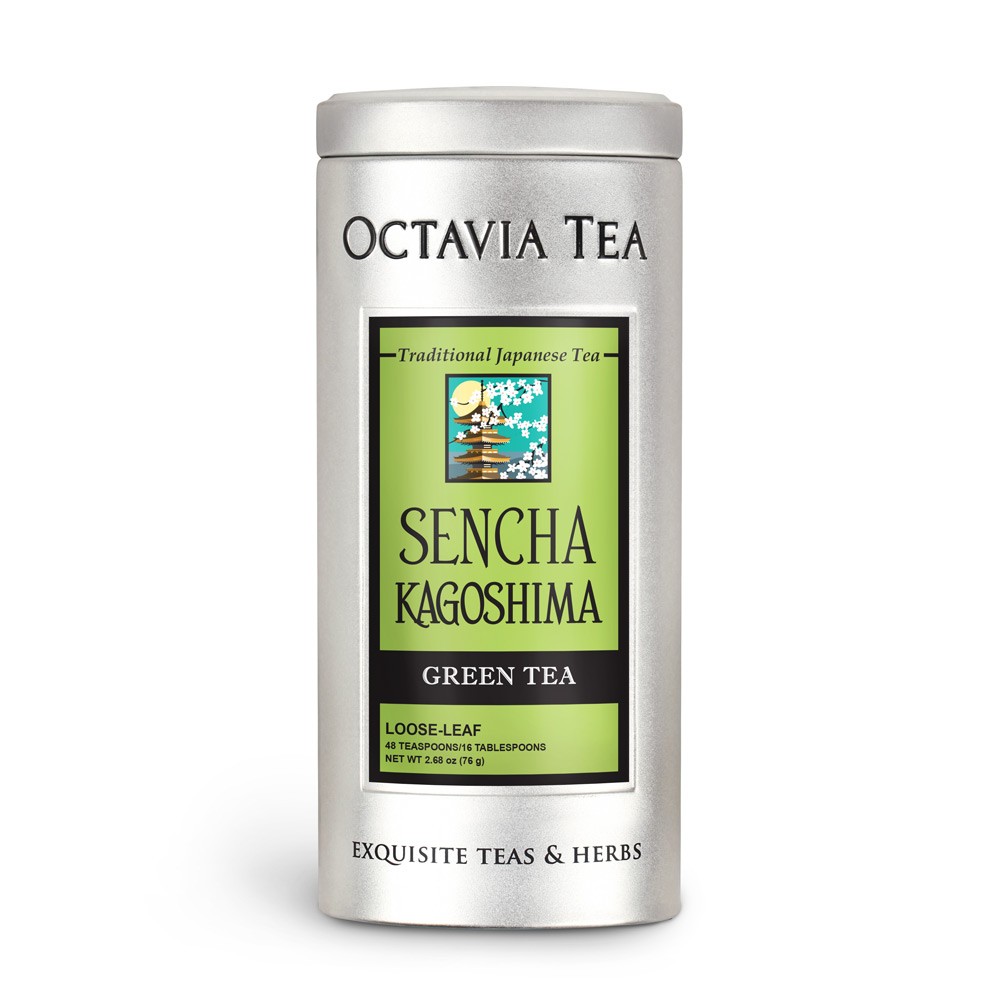
This synergy is why a cup of Sencha Kagoshima can provide steady focus without the jitters, even in someone who reacts strongly to coffee. The caffeine still arrives, but it's cushioned by theanine, creating a state researchers describe as calm focus rather than stimulation. National Institutes of Health research on L-theanine and caffeine
Decaffeination Methods and Residual Caffeine Explained
If you are highly sensitive, you might reach for decaffeinated tea, but no decaf tea is completely caffeine-free. The most common methods use either carbon dioxide, ethyl acetate, or water processing to strip caffeine from the leaves, and each leaves a small residue. A decaffeinated black tea typically still contains 2 to 5 milligrams per cup, a trace amount that most sensitive drinkers tolerate but that can accumulate if you drink several cups daily.
The CO2 method is widely considered the cleanest, using pressurized carbon dioxide to selectively bind caffeine without harsh chemical solvents. Ethyl acetate, sometimes derived from fruit, is another common approach but can strip flavor compounds alongside caffeine. Water processing, the only method certified organic, soaks leaves in hot water to dissolve caffeine, then passes the water through a carbon filter before returning it to the leaves. For the purest experience, look for organic decaf teas that use water processing, as they avoid synthetic residues entirely. FDA guidance on caffeine and decaffeination
Choosing Your Tea for Caffeine Sensitivity
Choosing your tea for caffeine sensitivity comes down to matching the tea's caffeine profile and theanine content to your personal threshold. Start by identifying your reaction level. Mildly sensitive drinkers who handle 40 to 60 milligrams fine can enjoy most black teas with shorter steeps. Highly sensitive drinkers should lean toward green teas, especially Japanese varieties known for higher L-theanine, or stick to the gentler first infusions of any tea.
Best Green Tea Picks for Sensitive Drinkers
Japanese green teas are the strongest choice for sensitive drinkers because they combine moderate caffeine with high L-theanine. Sencha Kagoshima is a standout option: the volcanic soil and steaming technique produce a grassy, umami-rich cup that feels smooth and settling. At $4.00 per serving from Octavia Tea, it's an approachable entry point. For a Chinese alternative, Bi Luo Chun, picked in early spring, offers a buttery, dewy sweetness that is smoother and more complex than common green teas. Its tender early leaves do carry more caffeine, so use a shorter steep of 60 to 90 seconds to keep the dose gentle.
Best Black Tea Picks for Sensitive Drinkers
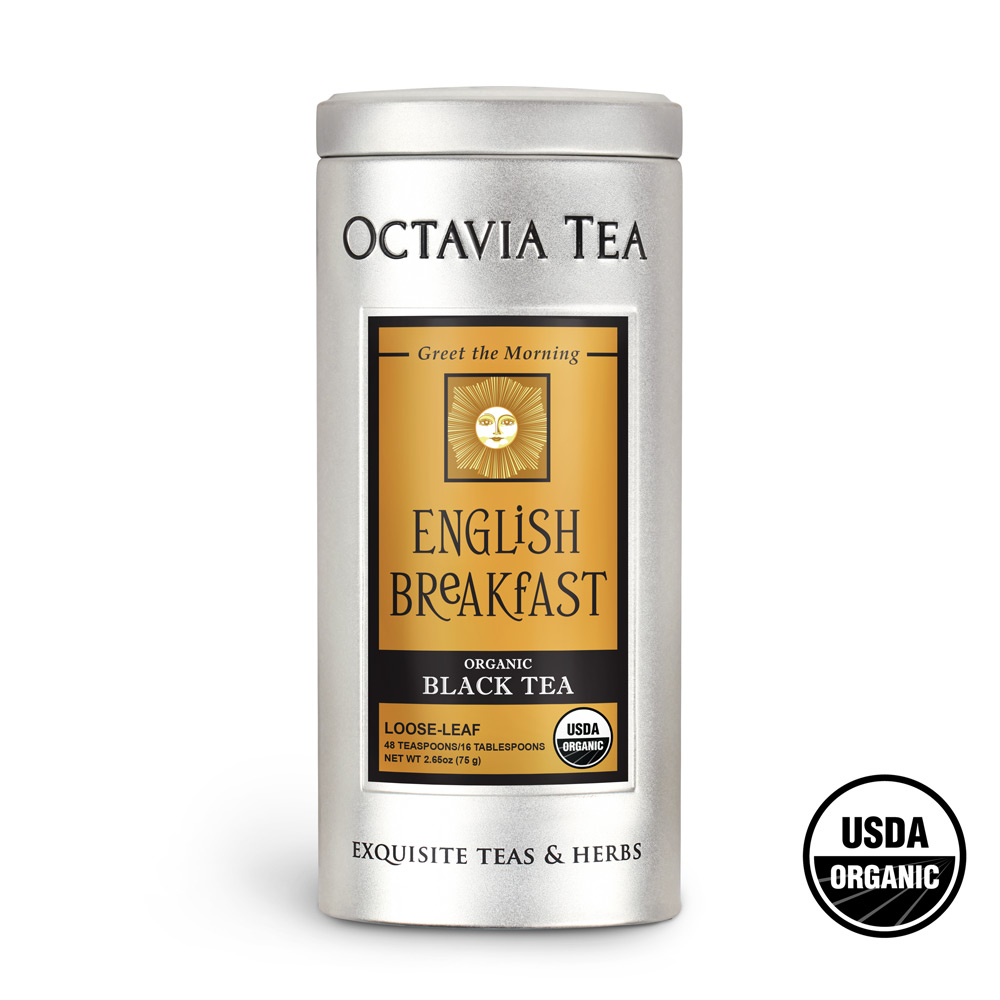
If you prefer black tea, choose a style that responds well to shorter steeps without turning bitter. A single-estate Assam like our English Breakfast at $3.00 delivers the bold, bright, full-bodied flavor black tea lovers want, but you can brew it at 200°F for just 90 seconds to cut caffeine significantly. The malty character holds up even in a lighter infusion. If you are new to loose-leaf black tea or want to explore gentler options, the Intro to Black Tea Sampler at $24.00 includes five varieties, letting you test your tolerance across Darjeeling, chai, and Earl Grey styles without committing to a full tin.
Tea | Type | Price | Best For |
|---|---|---|---|
Green | $4.00 | Smoothest, high L-theanine | |
Green | $4.00 | Delicate, complex flavor | |
Black | $3.00 | Bold flavor, short steep | |
Intro to Black Tea Sampler | Black | $24.00 | Testing tolerance across styles |
Conclusion: Your Caffeine Sensitivity Action Plan
Managing caffeine sensitivity while still enjoying tea requires treating brewing as a dial, not a switch. Start by identifying your personal threshold, then use shorter steeps and cooler water to bring any tea into your comfort zone. Prioritize green teas with high L-theanine like Sencha for a smooth, focused cup, and reserve fully steeped black teas for mornings when you want a stronger lift.
At Octavia Tea, we source over 120 organic loose-leaf teas directly from estate gardens, so you can experiment with confidence knowing every leaf is USDA certified organic and free of artificial ingredients. Whether you choose a single-estate English Breakfast for your morning ritual or a tender Bi Luo Chun for a gentle afternoon reset, you control the caffeine in every cup. Get started with Octavia Tea and find the blend that works with your body, not against it.
Frequently Asked Questions
Is green tea lower in caffeine than black tea?
Yes, typically. An 8-ounce cup of green tea contains about 25-45 mg of caffeine, while black tea has 40-70 mg per cup. The exact amount depends on the leaf grade, harvest time, and brewing method. However, the difference is not as large as many assume. If you have caffeine sensitivity, choosing green tea helps, but you should also adjust your steeping time and water temperature to control your intake more precisely.
What are the signs of caffeine sensitivity?
Common caffeine sensitivity symptoms include jitteriness, a racing heart, anxiety, insomnia, and digestive upset after consuming even small amounts of caffeine. You might also experience headaches or difficulty concentrating. These reactions stem from how your body metabolizes caffeine. If you notice these effects after one cup of black tea, green tea's lower caffeine content combined with L-theanine may offer a smoother, more tolerable experience.
How can I reduce caffeine in my tea without giving it up?
Steep your tea for a shorter time and use cooler water. Caffeine extracts quickly in hot water, so a 1-minute steep at 175°F for green tea removes less caffeine than a 4-minute steep at 212°F for black tea. Discarding the first infusion removes a portion of the caffeine. This brewing method gives you control over your intake while preserving flavor and antioxidants.
Which tea is best for those with high caffeine sensitivity?
A high-quality green tea like Sencha Kagoshima or Bi Luo Chun is often the best choice. These teas have less caffeine than black tea and contain L-theanine, an amino acid that promotes calm alertness and softens caffeine's jittery edge. For the lowest caffeine, brew your green tea at 180°F for just 1-2 minutes. This approach lets you enjoy tea's flavor and health benefits without overwhelming your system.


Octavia Tea Sign In
Create New Account