























Herbal Tea vs Green Tea for Stress Relief

Table of Contents
- Herbal Tea vs Green Tea: Which Calms Your Nerves?
- Quick Comparison: Caffeine Content and Calming Compounds
- How Green Tea Lowers Stress: The L-Theanine Benefits for Stress
- Top Herbal Teas for Stress Relief and Their Sedative Properties
- When to Choose Caffeine Free Tea Over Green Tea
- Flavor Profiles and Brewing Methods Compared
- Contraindications and Drug Interactions to Know
- Conclusion: Building Your Stress Relief Tea Ritual
- Frequently Asked Questions
Last Updated: September 4, 2026
Choosing between herbal tea vs green tea for stress relief comes down to whether you need to calm your mind without caffeine or want a gentle, focused unwind that keeps you alert. Both work through entirely different mechanisms. At Octavia Tea, we source over 120 organic loose leaf teas, and the right cup depends on your timing, sensitivity, and specific stress symptoms.
A misplaced choice can backfire: green tea's caffeine can amplify anxiety in sensitive individuals, while herbal infusions (tisanes) are naturally caffeine free and target the nervous system directly. Below, we compare their calming compounds, match herbs to symptoms, and offer a framework for a ritual that works.
Herbal Tea vs Green Tea: Which Calms Your Nerves?
Herbal tea is the stronger choice for acute stress relief, while green tea promotes calm alertness rather than sedation. Green tea delivers L-theanine, an amino acid that relaxes without drowsiness, paired with modest caffeine. Herbal teas rely on botanicals with sedative properties that directly soothe the nervous system.
For anyone dealing with racing thoughts at the end of the day, a caffeine free tea like chamomile or valerian is the clear winner. For a mid-afternoon stress spike where you still need to focus, green tea offers a unique advantage. Understanding which state you are in is the first step to choosing correctly.
Quick Comparison: Caffeine Content and Calming Compounds
The table below summarizes the core differences that should drive your decision.
Factor | Green Tea | Herbal Tea (Tisanes) |
|---|---|---|
Caffeine content | 25-45 mg per cup | Zero (caffeine free) |
Primary calming compound | L-theanine | Flavonoids, apigenin, valerenic acid |
Effect on alertness | Calm focus | Sedation and drowsiness |
Best time to drink | Morning or early afternoon | Evening or before bed |
Impact on sleep | May disrupt if late in day | Promotes sleep hygiene |
Green tea's calming effect comes from the synergy between L-theanine and caffeine. The amino acid smooths out the jittery edge of caffeine, promoting mental clarity without the crash. Herbal teas work differently, interacting with neurotransmitter systems to lower cortisol levels and reduce physical tension.
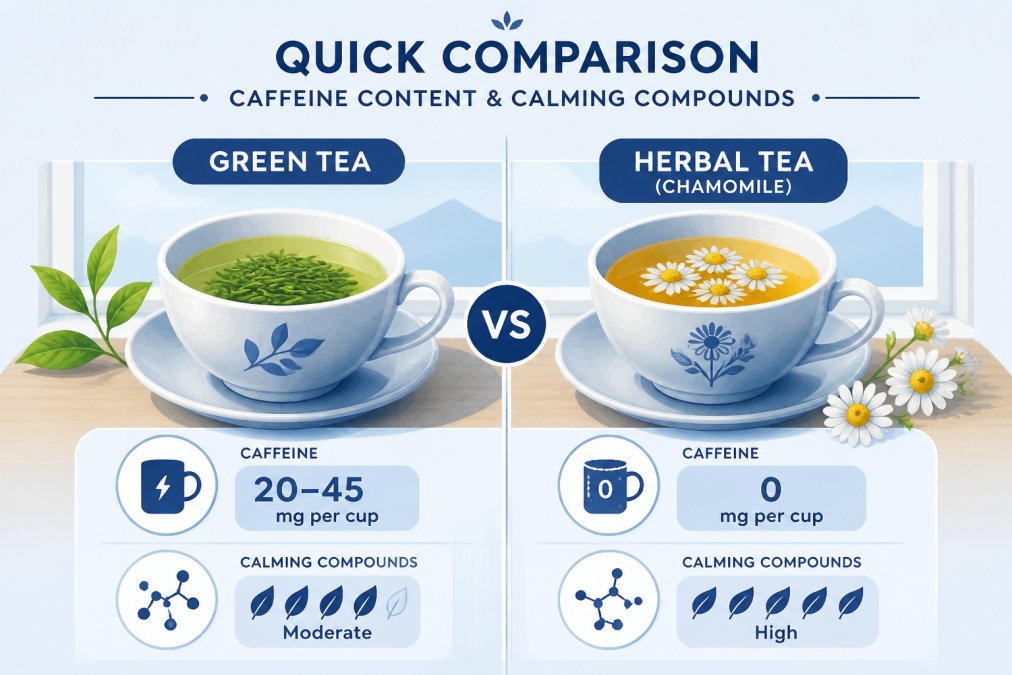
Two ceramic cups side by side on a wooden table, one with bright green tea leaves steeping and one with golden chamomile flowers, soft natural window light
How Green Tea Lowers Stress: The L-Theanine Benefits for Stress
Green tea is unique among caffeinated beverages for its L-theanine, an amino acid that crosses the blood-brain barrier and promotes relaxation. It increases alpha brain wave activity, associated with a relaxed but alert state, why green tea feels different from coffee.
Green tea contains enough L-theanine to modulate caffeine's effects, reducing jitters, making it viable for stimulant-sensitive people who want a gentle cognitive lift. But timing matters: drinking it too late can disrupt circadian rhythm and sleep, undermining stress management.
Our Lemon Green blend combines antioxidant-rich green tea with therapeutic herbs, offering a graceful option for those seeking the stress-relieving properties of green tea with a bright, honey-like finish.
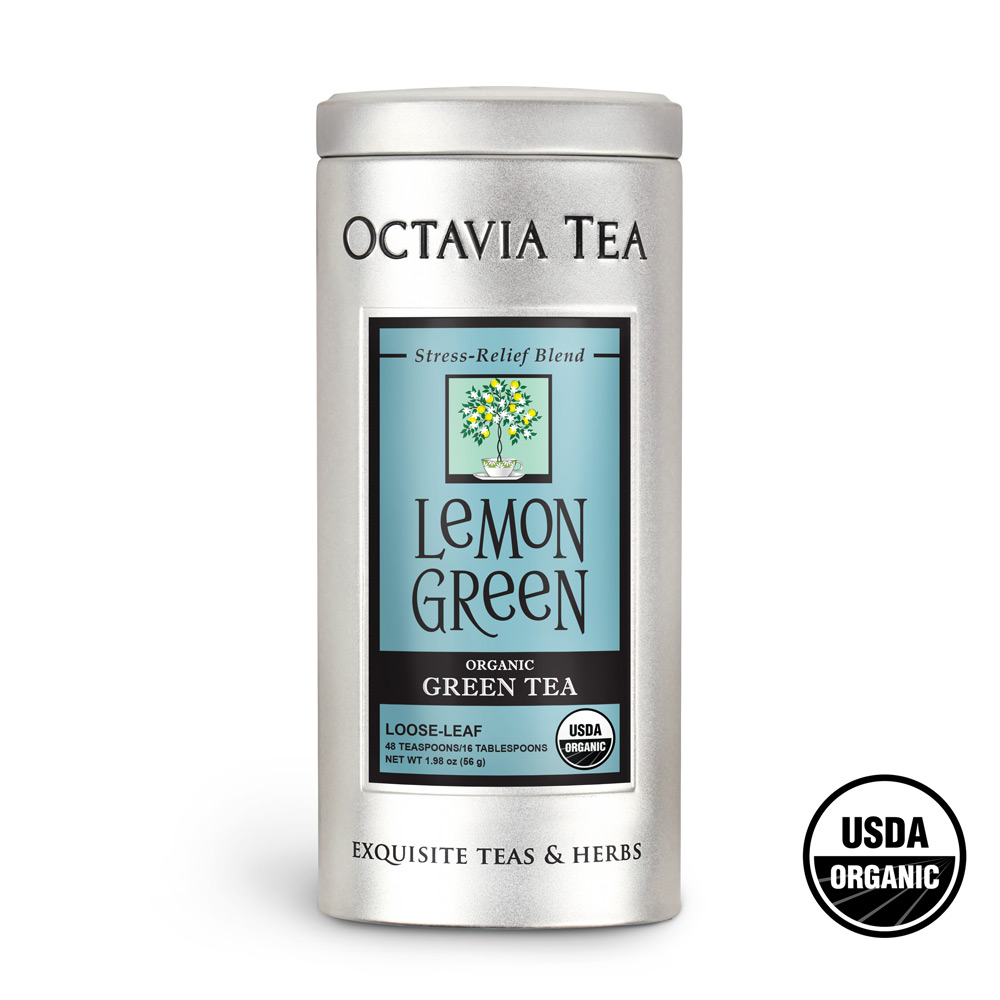
Lemon Green
Top Herbal Teas for Stress Relief and Their Sedative Properties
Herbal teas are infusions of dried flowers, roots, seeds, or fruits, containing no caffeine. Their stress-relieving power comes from phytochemicals that act on the nervous system; research on botanicals like chamomile and valerian shows they reduce anxiety symptoms. Here are the most effective categories.
Chamomile: The Classic Evening Soother
Chamomile is the most studied herbal remedy for stress and sleep. Its flowers contain apigenin, an antioxidant that binds to brain receptors promoting sleepiness and reducing insomnia. The therapeutic dose requires several cups, but even one evening cup signals the day is winding down.
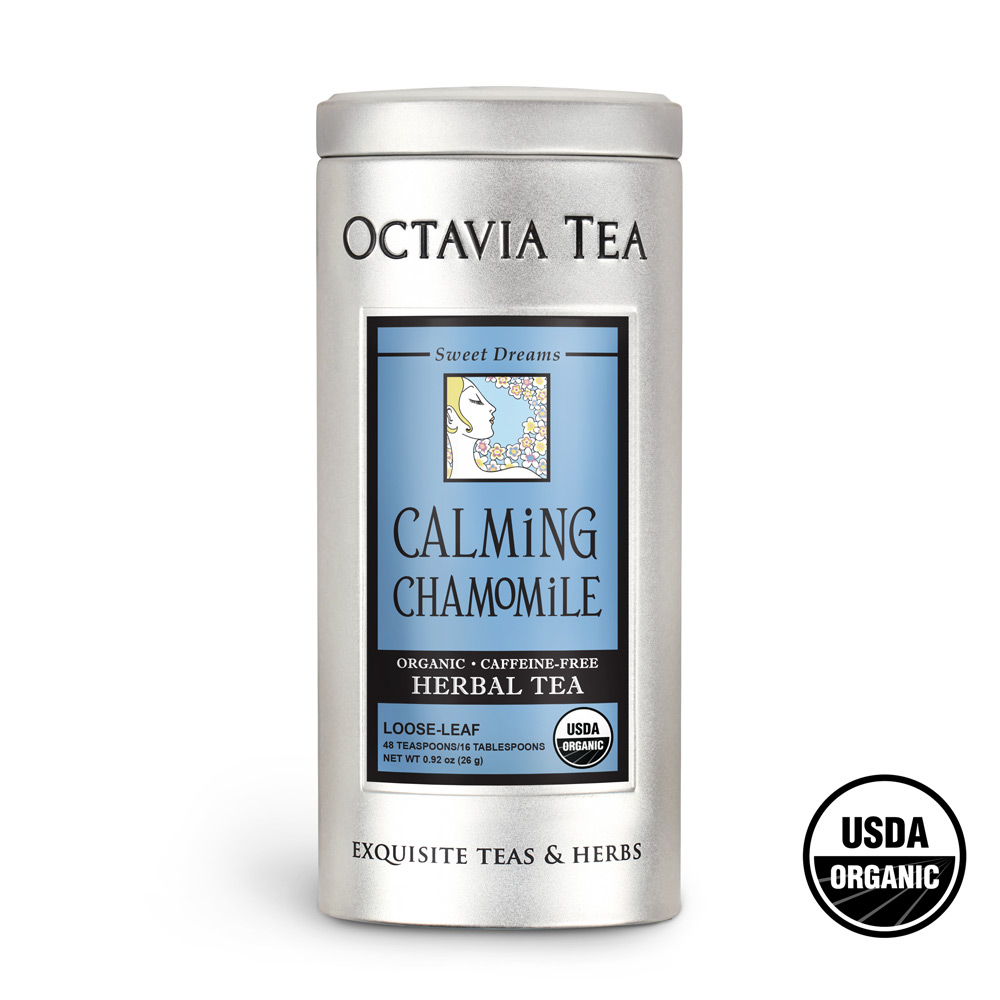
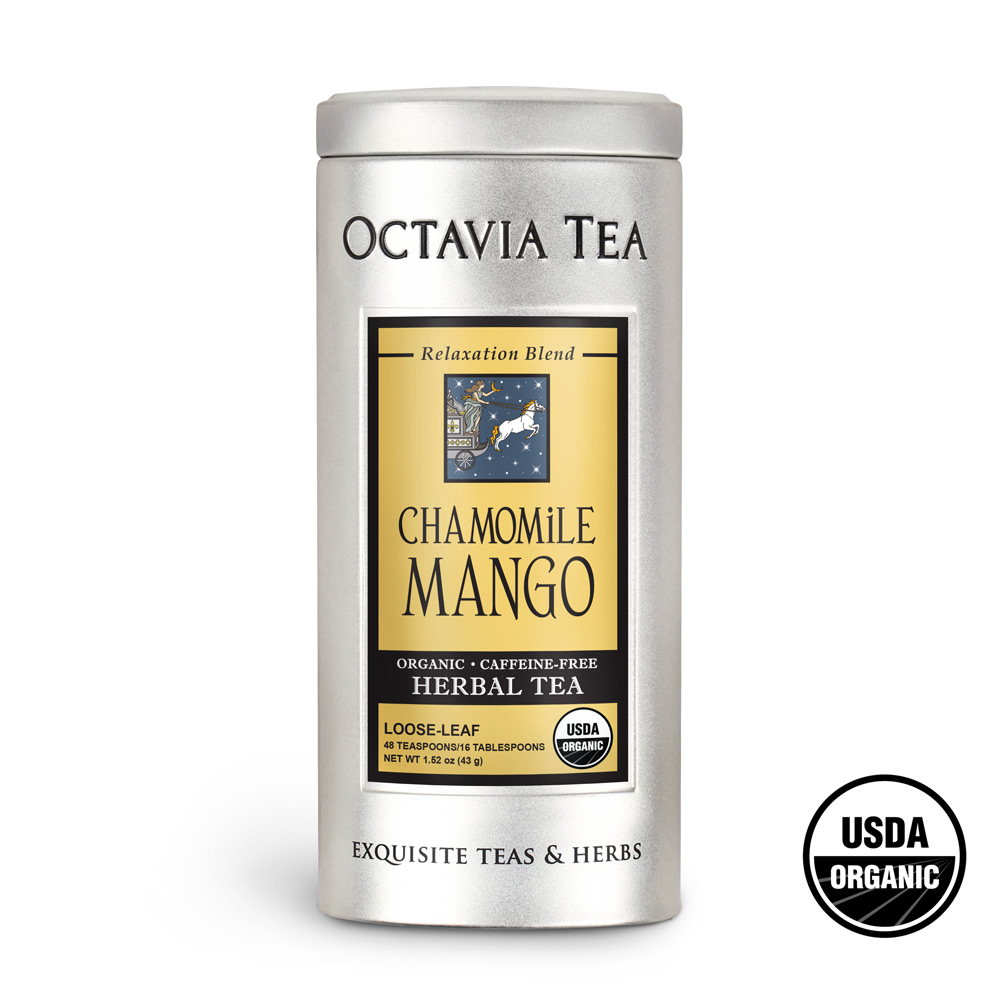
Our Calming Chamomile uses whole chamomile flowers rather than dust, maximizing both flavor and the bioavailability of its calming compounds. For a twist, Chamomile Mango adds sweet, lingering tropical fruit notes to the golden blossoms.
Valerian and Lavender Blends for Deep Relaxation
For more pronounced stress or difficulty falling asleep, valerian root is a stronger botanical with mild sedative properties that have been trusted since ancient Greece and Rome. Lavender adds its own calming effect, often used in aromatherapy and now recognized for its anxiolytic effects when ingested.
Our Serene Dream blend combines valerian root, lavender, spearmint, and chamomile into a fragrant elixir designed to ease headaches, reduce anxiety, and promote a restful night's sleep.
When to Choose Caffeine Free Tea Over Green Tea
Most guides stop at "don't drink green tea at night," but the real decision hinges on caffeine sensitivity, metabolism, and time of day. Caffeine has a half-life of roughly 5 to 6 hours: a 40 mg cup at 4 PM leaves 20 mg circulating at 9 PM and 10 mg by 2 AM, which can delay sleep onset, reduce deep sleep, and elevate nighttime cortisol, undermining stress recovery (sleepfoundation.org).
Work backward from bedtime: for a 10 PM sleep, your last green tea should be no later than 2 PM assuming average metabolism. For caffeine-sensitive individuals, influenced by the CYP1A2 gene variant, move the cutoff to noon or 11 AM. Sensitivity also increases with age and pregnancy.
Here is a practical schedule based on a 6-hour caffeine half-life and a 10 PM bedtime:
- 6 AM to 10 AM: Green tea is ideal. The L-theanine smooths the caffeine curve, supporting calm alertness for morning focus or a mid-morning meeting.
- 10 AM to 2 PM: Green tea is still acceptable for most, but switch to a lower-caffeine green like a second steep (which yields roughly half the caffeine of the first) or a blend that includes calming herbs.
- 2 PM to 4 PM: This is the gray zone. If you are metabolically fast, a light green tea may be fine. If you have any sleep concerns, choose a caffeine free tea now.
- After 4 PM: Caffeine free tea is the only choice. At this hour, even a small amount of caffeine can reduce the adenosine buildup your brain needs for a smooth transition to sleep.
:::tip If you're unsure of your sensitivity, run a simple test: drink a cup of green tea at 4 PM for three consecutive days and track your sleep quality. If you notice delayed sleep onset or lighter sleep, move your cutoff earlier by two hours.
Herbal teas, being naturally caffeine free, have no such cutoff, you can drink chamomile or valerian at any hour without disrupting circadian rhythm. They are the default choice for the afternoon-to-evening window, especially for physical tension, racing thoughts, or difficulty unwinding.
Green tea's window is real but not infinite. The strategic drinker uses it for the first half of the day, then transitions to caffeine free infusions. This two-phase approach, green tea for morning clarity, herbal tea for evening decompression, is the most effective way to use both without letting caffeine undermine stress recovery.
National Center for Complementary and Integrative Health guidance on herbal products notes that while many herbs are safe for occasional use, their effects can vary based on preparation and individual response. The practical rule is simple: if your stress is keeping you up at night, caffeine free tea is the only correct choice.
Flavor Profiles and Brewing Methods Compared
The flavor gap between green and herbal tea is a deciding factor in whether you'll stick with a stress-relief ritual, palatability drives consistency. Here is a sensory guide to match your preferences.
Green Tea: Vegetal, Grassy, and Umami-Driven
Green tea's flavor clusters around a few recognizable profiles:
- Japanese greens (Sencha, Gyokuro): These are the most vegetal, with pronounced umami, a savory-sweet note reminiscent of seaweed or fresh spinach. Gyokuro, shade-grown, is the sweetest and least astringent. If you enjoy brothy, savory flavors, this is your lane.
- Chinese greens (Dragon Well, Gunpowder): Dragon Well (Longjing) is nutty and toasty, with notes of chestnut and a clean, sweet finish. Gunpowder is more assertive, with a smoky, slightly peppery character that takes well to mint.
- Flavored greens: Many commercial greens are blended with jasmine, citrus peel, or fruit essences. These soften the vegetal edge and add a perfumed or bright quality. Our Lemon Green, for example, pairs the grassy base with a honey-like citrus finish that masks the bitterness some find off-putting.
Astringency, that drying, puckering sensation, depends on steeping time and temperature. At 175°F for 2 minutes, sencha tastes sweet and round; at 200°F for 4 minutes, it turns bitter and harsh. This precision intimidates many newcomers.
Herbal Tea: From Honeyed Flowers to Earthy Roots
Herbal teas offer a wider sensory range because they draw from roots, bark, flowers, and seeds:
- Chamomile: Whole flowers yield a honeyed, apple-like sweetness with a soft, golden body. The aroma is gently fruity, almost like fresh hay. Dust-grade chamomile, common in teabags, tastes flat and papery by comparison.
- Lavender: Floral, slightly camphorous, and perfumed. A little goes a long way; too much lavender can taste soapy. In blends, it adds a calming aromatic top note.
- Valerian root: This is the most challenging flavor in the herbal canon, earthy, woody, and slightly bitter, with a musky undertone that some describe as "dirty socks." It is almost always blended with mint, chamomile, or lemon balm to mask its intensity. If you need valerian's sedative effects but dislike the taste, look for blends where it plays a supporting role.
- Peppermint and spearmint: Bright, cooling, and instantly refreshing. Mint is the most approachable herbal flavor and pairs well with valerian's earthiness.
- Lemon balm: Citrusy without the acidity, with a gentle lemony aroma that soothes rather than zings.
Brewing Methods: Precision vs. Patience
The brewing protocols differ greatly, and getting them wrong ruins the cup:
- Green tea: Steep at 160-180°F for 1-3 minutes. Boiling water burns the leaves and releases bitter tannins. Use about 1 teaspoon of loose leaf per 8 ounces of water.
- Herbal tea: Steep at a full boil (212°F) for 5-10 minutes. The longer steeping time extracts more of the beneficial compounds from roots and flowers. Use 1.5 to 2 teaspoons per 8 ounces, as herbs are less dense than tea leaves.
- Water quality: Filtered water makes a noticeable difference in both, as chlorine and minerals can distort the flavor profile. Hard water mutes the sweetness of green tea and makes herbal teas taste flat.
A Sensory Cheat Sheet for Choosing
If you are torn between the two categories, let your palate decide:
- You prefer savory, brothy, or lightly sweet flavors → Choose green tea, especially Japanese varieties.
- You prefer sweet, fruity, or floral flavors → Choose chamomile, lavender, or lemon balm blends.
- You dislike bitterness or astringency → Choose herbal teas, which are naturally smooth and mellow.
- You want a cup that feels like a warm dessert → Look for chamomile-mango or spiced chai-style herbal blends.
- You want a cup that wakes up your palate → Choose a Chinese green like Dragon Well, which has a nutty toastiness.
For those new to loose leaf tea, the precision can feel intimidating. Our Stress-Relieving Teas Sampler includes five different blends with brewing instructions included, making it an approachable entry point that also works as a discovery tool for cafes and boutiques.
Contraindications and Drug Interactions to Know
Herbal teas are not risk-free. Chamomile belongs to the Asteraceae family, so those allergic to ragweed, daisies, or marigolds may experience a cross-reaction. Valerian root can potentiate sedative medications, including benzodiazepines and some antidepressants, leading to excessive drowsiness.
Green tea's caffeine can reduce absorption of certain beta-blockers and amplify stimulant effects of other drugs. Its catechins, particularly epigallocatechin gallate, can interfere with metabolism of some prescription medications.
MedlinePlus information on valerian interactions advises caution when combining valerian with alcohol or sedatives. If you are pregnant, nursing, or taking prescription medication, consult your healthcare provider before making herbal teas a daily ritual. This is not a reason to avoid them, but a reason to be informed about what you are consuming.
Conclusion: Building Your Stress Relief Tea Ritual
Use both categories strategically: keep a caffeine free herbal blend like chamomile or valerian for evening wind-down, and reserve a high-quality green tea for morning focus. The ritual of pausing to steep and sip is itself part of the stress relief.
At Octavia Tea, we hand-blend our organic loose leaf teas using only natural flavor essences and pure essential oils, with no artificial ingredients. Whether you are stocking a cafe or building a personal wellness routine, our USDA certified organic selection supports both your health and sustainable farming practices. Explore our stress-relieving collection and find the cup that quiets your mind.
Frequently Asked Questions
What kind of tea is best for stress relief?
For immediate anxiety relief, caffeine free tea like chamomile or valerian blends such as Serene Dream work fastest because they contain sedative herbs that calm the nervous system directly. For sustained mental clarity during the day, green tea provides L-theanine benefits for stress without heavy drowsiness. Many people keep both on hand: green tea for daytime focus and herbal tea for evening winding down.
Does green tea help lower cortisol levels?
Research suggests the L-theanine in green tea can help moderate the body's stress response, though it does not eliminate cortisol outright. The combination of L-theanine with a modest caffeine dose promotes a calm, alert state that counters the jittery feeling associated with high stress. For best results, choose a green tea like Lemon Green and drink it earlier in the day, since caffeine can disrupt sleep and raise cortisol if consumed too late.
Is herbal tea healthier than green tea?
Both offer distinct health benefits. Green tea contains catechins and polyphenols, antioxidants linked to metabolic and cognitive benefits. Herbal teas, or tisanes, are naturally caffeine free and provide therapeutic compounds from botanicals like chamomile and valerian root. Neither is universally healthier; the right choice depends on your stress symptoms, caffeine sensitivity, and the time of day you plan to drink it.
Can the caffeine in green tea increase anxiety?
Yes, caffeine can trigger anxiety symptoms like a racing heart and nervousness, especially in sensitive individuals. A standard cup of green tea contains roughly 25-45 mg of caffeine, far less than coffee but still enough to cause caffeine jitters for some. If you notice anxiety after drinking green tea, switch to a caffeine free tea like Calming Chamomile or try a shorter steeping time to reduce caffeine extraction.
Which herbal teas are most effective for reducing stress?
Chamomile is the most studied herb for easing anxiety and improving sleep quality. Valerian root acts as a mild sedative and pairs well with lavender and spearmint in blends like Serene Dream. Passion fruit and lime blossom also appear in calming formulations. These botanicals influence the nervous system differently, so you may need to test a few to find which one matches your stress pattern.


Octavia Tea Sign In
Create New Account