























Organic Wellness Tea: A Guide to Quality & Sourcing

Table of Contents
- What Defines Organic Wellness Tea
- Certified Organic Tea: How to Verify Standards
- How to Choose High-Quality Tea for Your Wellness Routine
- Organic Herbal Tea Blends for Daily Wellness
- Tea Sourcing and Quality: What Ethical Sourcing Means
- Loose-Leaf vs. Tea Bags: Why Quality Matters
- Frequently Asked Questions
Last Updated: October 10, 2026
Wellness tea' is one of the biggest questions we get. Many of the people asking are sick, living with cancer, or fighting something with their health, and they want support. We wish tea could fix it all. It can't, and we never say it can. What it can be is a comforting, plant-based part of a wider routine, alongside (never instead of) the care your doctors recommend. Here's how we think about where tea fits
What Defines Organic Wellness Tea
Organic Wellness tea describes Loose-leaf or herbal teas grown without synthetic pesticides, herbicides, or chemical fertilizers. At Octavia Tea, we source organic wellness tea directly from estate gardens where sustainable farming practices protect both the plants and the soil they grow in.
Wellness teas span two main categories. True teas like black, green, white, and oolong come from the Camellia sinensis plant and contain naturally occurring compounds like caffeine and polyphenols. Herbal blends combine botanicals like chamomile, ginger, turmeric, and lemongrass, most of which are naturally caffeine-free and valued in traditional medicine systems for their supportive properties.
The wellness angle distinguishes these teas from everyday tea drinking. A wellness tea is selected specifically for its properties, whether you're reaching for calming chamomile before bed, a warming turmeric ginger blend, an earthy herbal blend as a daily ritual.. Quality matters here because you're consuming these teas deliberately, often daily, as part of a health practice.
Certified Organic Tea: How to Verify Standards
The USDA organic certification is the standard for verifying that tea is genuinely organic.
How to check if a tea is truly certified: Look for the USDA organic seal on the packaging or product page. Legitimate producers list their certifying agent, the independent organization that audited their operation. Also we suggest for those really interested to review the FDA database at https://organic.ams.usda.gov/integrity/Default.aspx
Be skeptical of terms like "naturally organic" or "pesticide-free" without certification. These phrases sound reassuring but carry no legal weight. A farm might genuinely avoid synthetic chemicals and still lack formal certification, perhaps due to cost or paperwork burden, but you have no third-party verification.
International certifications exist too. Teas from India may carry certifications from India Organic, while Chinese teas might be certified by China's organic bodies. These are typically legitimate, but USDA certification is the most widely recognized standard in the market and easiest for consumers to verify independently. Octavia Tea has provide the Intl certifications for teas that we want to import in order for us to be able to list and call them Organic when we sell them. The process is strict, complicated but we feel that its important for us and our customers. This is something we do not compromise.
How to Choose High-Quality Tea for Your Wellness Routine
Three things matter most: leaf grade, freshness, and origin. A premium tea starts with whole leaves harvested at peak flavor and potency, stored properly to preserve those qualities, and sourced from estates known for meticulous processing. Skip these steps and you'll end up with dusty fannings or broken fragments that brew weak, flat and bitter tea.
Leaf Grade and Whole-Leaf Selection
Whole-leaf teas are superior to broken leaves or tea dust because they retain more of the plant's natural oils and compounds. When tea leaves are crushed or broken during processing or handling, they oxidize faster and lose potency over time. A whole chamomile flower or a complete ginger root slice delivers more flavor than powdered or fragmented versions.
The tea industry uses grading systems that can seem cryptic. For black teas, grades like FTGFOP (Finest Tippy Golden Flowery Orange Pekoe) indicate leaf size and quality. For herbal blends, look for visible whole botanicals: intact chamomile flowers rather than chamomile dust, recognizable ginger pieces rather than powder, whole turmeric root rather than ground.
Octavia Tea's hand-blended herbal wellness teas feature whole botanicals specifically because the integrity of the plant material directly affects what you experience when you brew it. A blend with visible ginger root, turmeric chunks, and whole flowers will steep into a more layered, aromatic cup than one made from powders.
Freshness and Storage Indicators
Tea is a dried botanical, not a fresh product, but freshness still matters a lot. Loose-leaf tea stored properly, in an airtight container away from light, heat, and strong odors remains potent. After a certain window, the flavor flattens and some of the beneficial compounds begin to degrade.
When your tea arrives, store it in an airtight container, dark glass or metal, never plastic, which can absorb and impart odors. Keep it in a cool, dark cabinet away from the stove or direct sunlight. Proper storage extends the life of your tea and preserves the delicate flavors and properties you paid for.
Organic Herbal Tea Blends for Daily Wellness
Herbal wellness blends are where organic sourcing matters most, since you are drinking the whole plant. These teas contain no caffeine and are built around botanicals selected for their traditional uses in supporting health. A quality organic herbal blend combines multiple complementary plants, each contributing its own flavor and properties, into a cup.
Herbal Detox and Cleansing Blends
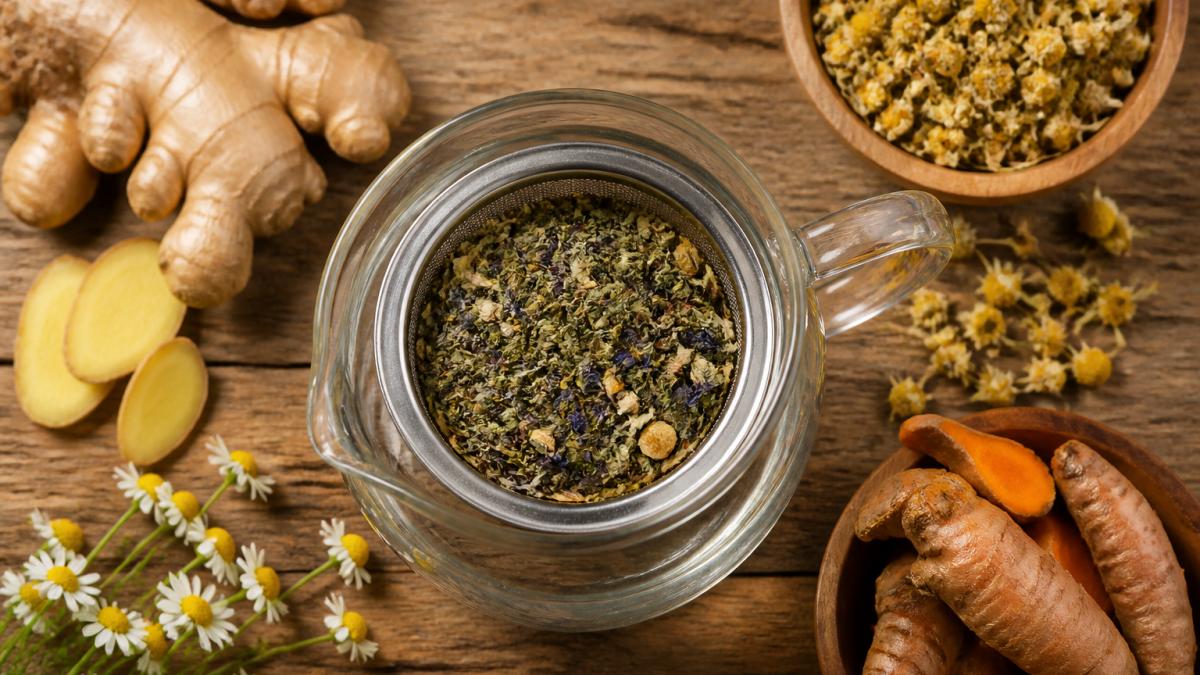
Detox blends are formulated to support your body's natural cleansing processes using roots and botanicals valued in traditional Chinese medicine. These blends typically include ingredients like burdock root, dandelion, ginger, and other herbs believed to support liver function and circulation. The Herbal Detox blend from Octavia Tea combines gentle, nourishing roots and botanicals specifically chosen because some people feel they help support the body's natural balance, enhance circulation, reduce inflammation, and support the body's natural detoxification pathways. We want to be straightforward: your liver and kidneys do the body's detoxifying, and no tea replaces that. What this blend offers is an earthy, plant-forward cup that suits a daily ritual.
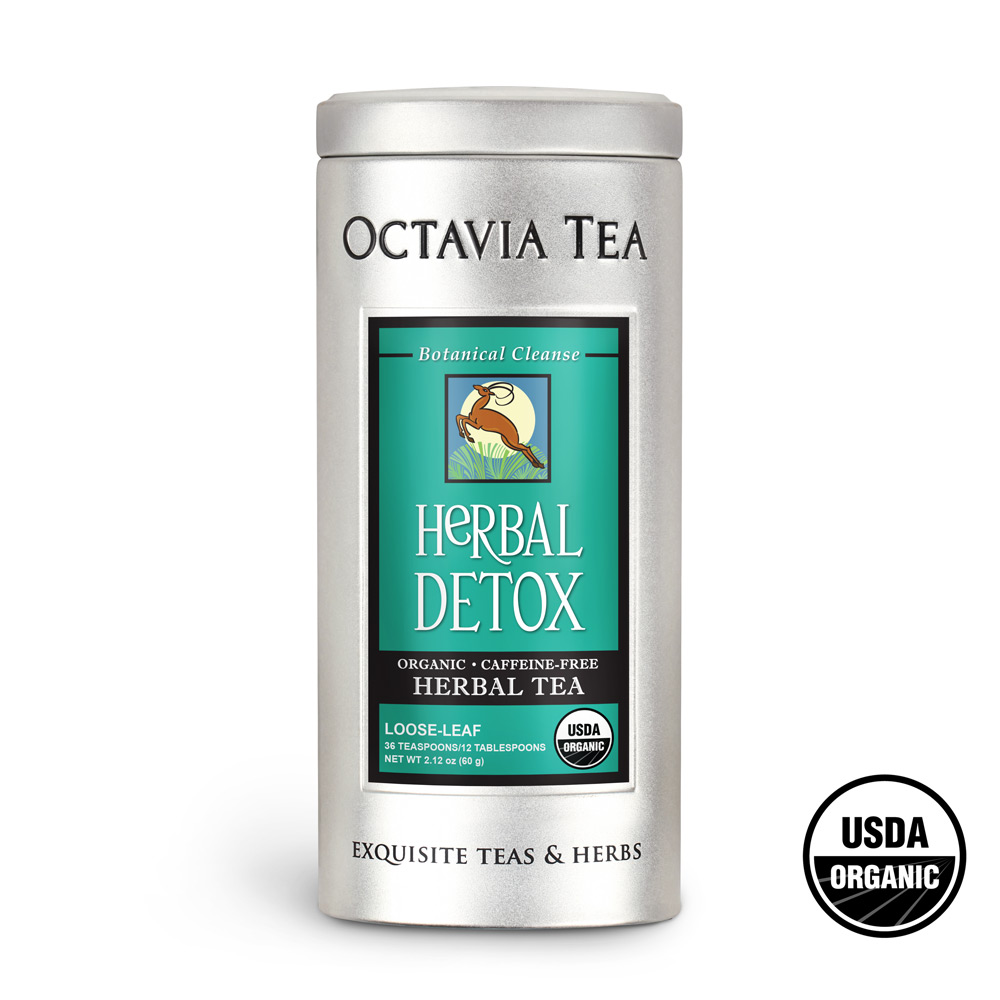
A quality detox blend should taste smooth and well-balanced, not bitter or medicinal in an off-putting way. The blend works best as a daily ritual to allow you to drink a cup at any time of day. Loose-leaf detox blends brew more robustly than tea bags.
Calming and Sleep-Support Blends
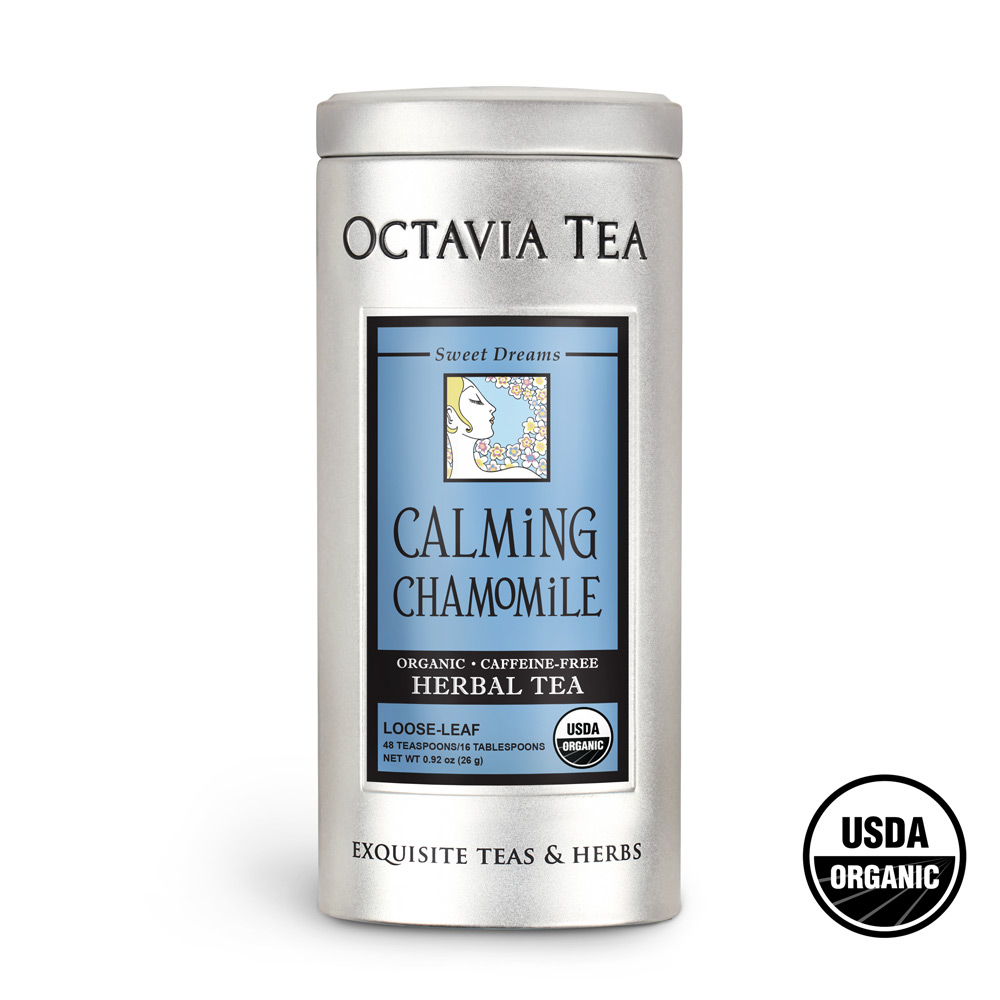
Calming blends center on chamomile, passionflower, lavender, and other botanicals traditionally used to ease stress and support restful sleep. Chamomile has been prized for centuries for its soothing effects; a high-quality organic chamomile blend features whole flowers with a fragrance some may say are reminiscent of honey, fruit blossoms, and apples. Octavia Tea's Calming Chamomile uses the highest quality, whole chamomile flowers to maximize flavor.
These blends work best in the evening before bed. The warmth of the tea and the gentle action of the botanicals create a calming ritual that signals to your body it's time to wind down. A quality chamomile blend will taste naturally sweet and floral, never grassy or stale.
Anti-Inflammatory and Immunity Blends
Turmeric, ginger, and lemon form the backbone of many traditional wellness blends. Turmeric contains curcumin, a compound often studied for its anti-inflammatory properties and used in Ayurvedic and Chinese medicine to address chronic discomfort and support digestion. Ginger complements turmeric by improving adding warming spice, and has a long traditional use for settling the stomach. Lemon provides vitamin C and brightness to the blend.
Octavia Tea's Turmeric Ginger blend features zesty ginger, sweet roots, fragrant citrus, and golden turmeric in a formula inspired by ancient herbal recipes. This blend works as a daily wellness tea, steeped fresh each morning. The combination of turmeric, ginger, and citrus creates a warming, slightly spiced cup that supports your body.
Immunity-focused blends often include ginger, lemongrass, and citrus. Lemongrass is believed to help cleanse and detoxify the body while relaxing muscles and nerves. When combined with ginger's properties, these blends create a cup designed to support your daily life during seasonal transitions or high-stress periods.
Who Should Check With a Clinician First
Herbal teas are gentle, but "natural" doesn't mean risk-free. Talk with your healthcare provider or pharmacist before making any of these a daily habit if you:
- Are in cancer treatment or managing a serious condition. Some herbs and supplements can interact with treatments. Tell your care team about everything you take, tea included.
- Take prescription medication. Turmeric and ginger are commonly flagged for possible interactions with blood-thinning medication, and dandelion with some diuretics and other drugs.
- Are pregnant or nursing. Many herbs haven't been well studied in pregnancy.
- Have a ragweed allergy. Chamomile, dandelion, and burdock belong to the same plant family and can trigger reactions in some people.
- Have surgery coming up. Ask whether to pause herbal products beforehand.
Tea can be a comforting part of a routine. It isn't a substitute for medical care.
Tea Sourcing and Quality: What Ethical Sourcing Means
Ethical sourcing goes beyond organic certification. It means knowing where your tea comes from, how it was grown, and that the farmers who cultivated it were treated fairly. A tea producer committed to ethical sourcing maintains direct relationships with estate gardens, pays prices that support sustainable livelihoods, and can trace every batch back to its origin.
When you buy organic wellness tea from a producer like Octavia Tea that sources directly from estate gardens, you're supporting farming practices that build soil health and protect ecosystems. Direct sourcing may also mean shorter supply chains, fresher tea, and the ability to maintain quality control from cultivation through processing.
Ask your tea vendor about their sourcing. Can they tell you which estates their teas come from? Do they visit the gardens? What relationships do they maintain with farmers? Transparency here signals that a producer takes both quality and ethics seriously. Octavia Tea's commitment to sourcing the finest estate gardens we know and supporting sustainable farming practices is core to how we operate, it's not an afterthought or marketing angle.
Loose-Leaf vs. Tea Bags: Why Quality Matters
Loose-leaf organic wellness tea usually beats tea bags.
Tea bags present a material question. Many commercial tea bags are made from bleached paper or plastic mesh, some of which shed into your cup. Loose-leaf tea eliminates this concern entirely, avoids that concern, and you control what goes into the cup
The ritual of loose-leaf brewing also supports the wellness experience. Measuring your tea, heating water to the right temperature, watching the leaves unfurl and the liquid transform, these steps create a mindful pause in your day.
Cost-per-cup typically favors loose-leaf too. You can adjust the amount of leaf to your taste preference. Steep once and re-steep the same leaves for a second or third infusion, extending the value further.
Choosing organic wellness tea means prioritizing both quality and intention. Octavia Tea's collection of over 120 hand-blended organic loose-leaf teas, from Herbal Detox to Calming Chamomile to Turmeric Ginger, are sourced from the world's finest estate gardens and crafted using only natural flavor essences and pure essential oils, with zero artificial ingredients.
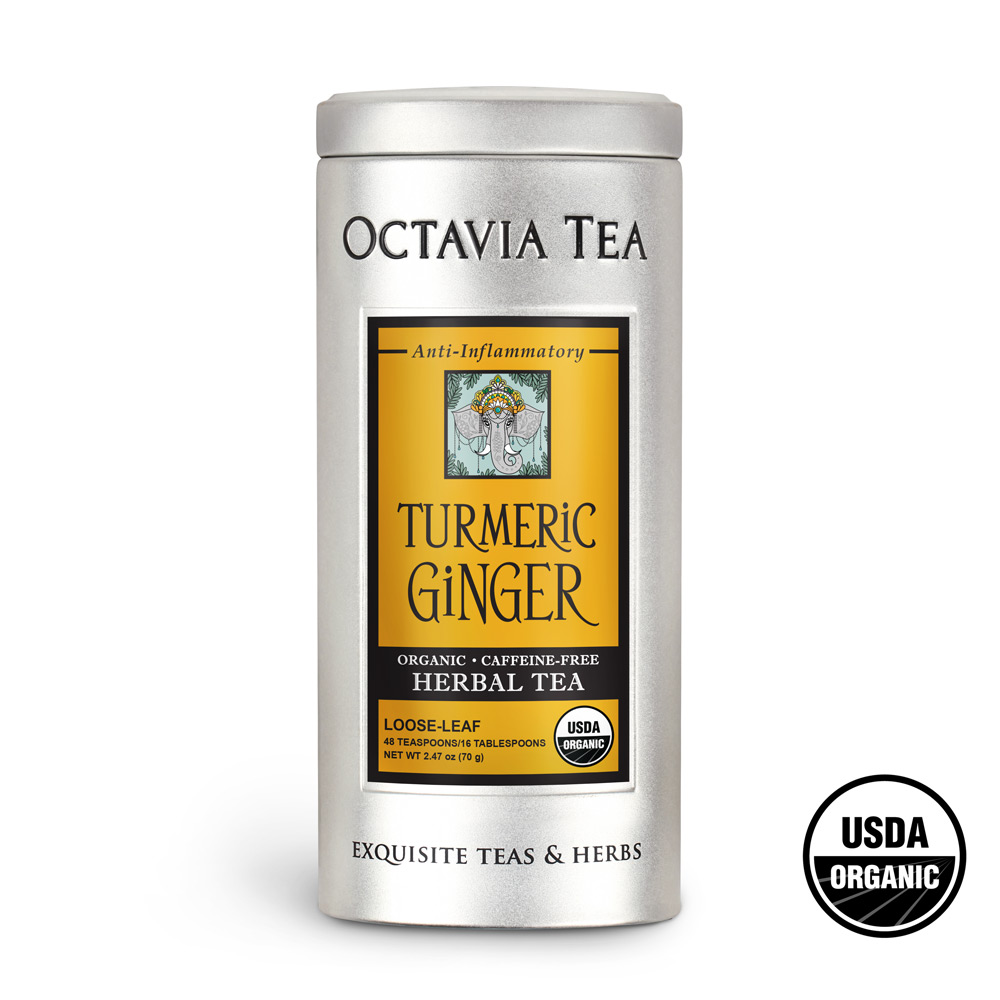
Blend Type | Best For | Key Botanicals | Price |
|---|---|---|---|
Herbal Detox | An earthy daily ritual | Roots, dandelion, burdock | $3.50 |
Calming Chamomile | Evening wind-down | Whole chamomile flowers | $3.50 |
Lemon Ginger | Bright, warming cup, Digestion support | Ginger, lemongrass, citrus | $3.50 |
Turmeric Ginger | Warming, spiced daily cup | Turmeric, ginger, lemon, honey | $4.00 |
Quality organic wellness tea is an investment in your daily health ritual. When you source from producers committed to organic certification, ethical farming, and transparent sourcing, like USDA organic standards, you're making a choice that supports sustainable agriculture, and honors the farmers who grew your tea.
For guidance on specific blends and sourcing practices, research from tea cultivation and organic farming studies shows that organic tea gardens maintain higher biodiversity and soil quality than conventional operations. Additionally, consumer preferences for transparent tea sourcing indicate that tea drinkers increasingly prioritize knowing where their tea comes from and how it was grown.
Frequently Asked Questions
How can you verify that organic wellness tea is actually certified organic?
Look for USDA organic certification on the packaging or product page. Reputable suppliers provide third-party verification documents and display certification marks prominently. Ask the vendor directly for their certification number and audit history. Octavia Tea's entire collection is USDA certified organic, and this certification requires the tea was grown without synthetic pesticides, herbicides, or GMO inputs.
What should you look for when buying organic loose leaf tea for wellness?
Prioritize whole leaves over broken pieces, which usually mean better flavor and slower staling. Check the best by date—tea loses potency over time. Verify organic certification and that natural flavor essences or pure essential oils are used, not artificial additives. Review the sourcing transparency: ethical suppliers disclose their estate gardens and farming practices. Start with approachable blends like Calming Chamomile or Lemon Ginger if you're new to loose-leaf tea.
What's the difference between premium organic wellness tea and standard tea bags?
Premium loose-leaf organic tea contains whole leaves. Tea bags often contain dust and fannings (broken leaf fragments), which steep faster. Loose-leaf tea stays fresher longer and allows you to control brewing time precisely. The investment pays off in richer flavor, better aroma, and more noticeable wellness effects per cup.
Which organic herbal tea blends are best for specific wellness goals?
Tea can be a pleasant part of a wellness routine, but no tea treats or prevents a health condition. Traditionally, chamomile has been used for relaxation before bed, ginger and lemon for a settled stomach, and turmeric-ginger blends as a warming daily drink. Choose by flavor and ritual, and check with your healthcare provider first if you take medication or have a medical condition


Octavia Tea Sign In
Create New Account