























Organic Loose Leaf Tea vs. Tea Bags: Worth the Price?

Table of Contents
- The Real Cost Per Cup of Loose Leaf Tea vs. Tea Bags
- Quality Differences: Whole Leaf, Fannings, and Dust
- How to Brew Loose Leaf Tea Without a Bag
- Health Benefits of Organic Tea
- Microplastics and Pesticide Residue: A Hidden Cost
- Flavor Complexity and the Re-Steeping Advantage
- Sustainability and Environmental Impact
- Conclusion: Is Organic Loose Leaf Tea Worth It?
- Frequently Asked Questions
Last Updated: September 3, 2026
The Real Cost Per Cup of Loose Leaf Tea vs. Tea Bags
When you're standing in the tea aisle comparing a box of tea bags to a tin of loose leaf tea, the sticker price tells one story. But the real question isn't what you pay upfront, it's what you actually pay per cup. This is where the comparison between organic loose leaf tea and store-bought tea bags gets interesting.
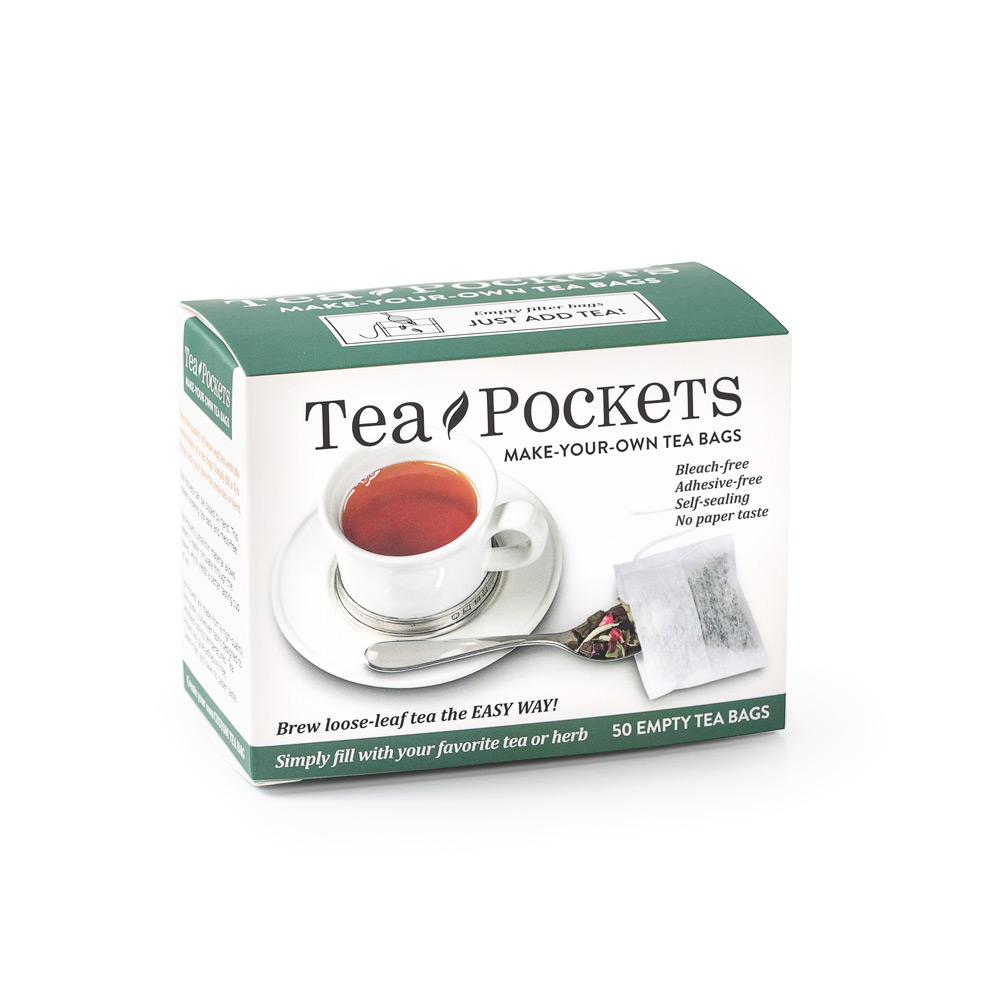
Fill Your Own Tea Bags
A single serving of loose leaf tea typically costs less than a tea bag when you calculate the actual amount of leaf material you're using. Most tea bags contain fannings and dust, the broken fragments left over after whole leaves are processed and packaged (peer-reviewed research). Loose leaf tea, by contrast, contains whole leaves that expand dramatically when steeped, delivering more flavor from less material. At Octavia Tea, our organic loose leaf selections yield more infusions per serving than conventional tea bags, which means the cost per cup shrinks significantly over time.
The math is straightforward: a quality loose leaf tea might cost more per ounce, but you're using less per cup and getting multiple infusions from the same leaves. A typical tea bag gives you one steep. A quality loose leaf tea can be re-steeped three, four, or even five times, with each infusion extracting different flavor notes. That's a fundamental difference in value that most price comparisons miss entirely.
Quality Differences: Whole Leaf, Fannings, and Dust
Not all tea is created equal, and the difference starts with what's actually in your cup. Understanding the grading system reveals why loose leaf tea and tea bags deliver such different experiences.
Whole leaf tea consists of intact leaves and buds, carefully processed to preserve their structure. These leaves expand fully when steeped, allowing hot water to circulate through them completely. Fannings are the fragments created during processing, smaller pieces that fall through sorting screens. Dust is what remains at the end: the finest particles, almost powder-like in texture. Most commercial tea bags are filled with fannings and dust because they're cheaper to source and they steep quickly, which appeals to consumers who want instant gratification.
The problem with fannings and dust is that they release their flavor too fast. You get a quick, intense burst in the first minute, then the tea becomes bitter as tannins over-extract. There's no complexity, no layering of flavor. With whole leaf tea, the steeping process is more gradual. The leaves unfold slowly, releasing flavor compounds in stages. This is why a properly brewed loose leaf tea tastes so different from a tea bag, it's not marketing, it's chemistry.
Organic certification adds another layer to the quality equation. Organic loose leaf tea is grown without synthetic pesticides or fertilizers, and it's verified by third-party auditors (usda.gov). Store-bought tea bags rarely carry organic certification, which means they may contain pesticide residue. The difference matters if you're drinking tea daily for health benefits.
How to Brew Loose Leaf Tea Without a Bag
The intimidation factor around loose leaf tea is real, but the actual brewing process is simpler than most people think. You don't need expensive equipment or specialized knowledge. You need three things: loose leaf tea, hot water, and a vessel to steep it in.
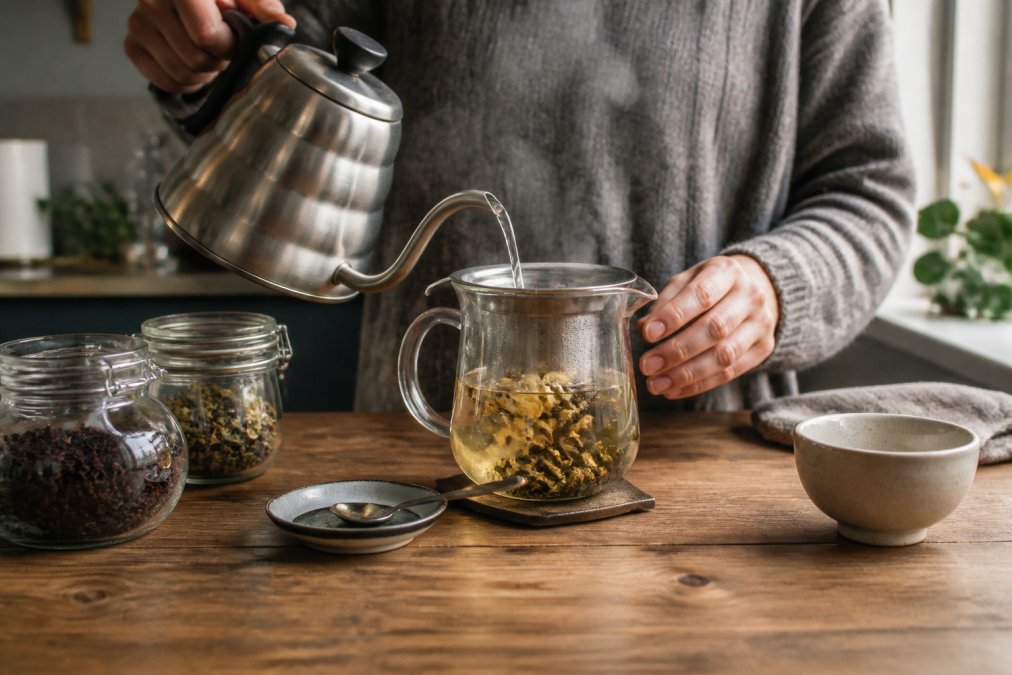
Close-up of hands pouring hot water over loose leaf tea in a glass infuser, with steam rising and whole leaf pieces visible expanding in the water
Start with the basics: a mug, a small strainer, and your loose leaf tea. Measure out roughly one teaspoon of loose leaf tea per 8 ounces of water. Pour hot water over the leaves and let them steep. After the initial steep, pour the tea into your cup, leaving the leaves in the vessel. Don't throw them away, this is where the re-steeping advantage kicks in. Add fresh hot water to the same leaves and steep again. Most loose leaf teas will give you at least two good infusions, often three.
If you want to eliminate the straining step, Octavia Tea offers fill-your-own tea bags like Tea Pockets (biodegradable) and Finum Tea Filters (large). These allow you to enjoy the quality of whole leaf tea with the convenience of a bag. The ultra-thin material lets water circulate freely through the leaves, so you get the same full flavor extraction as traditional loose leaf brewing. At $7.95 per box of 60 pockets, they're an affordable bridge between convenience and quality.
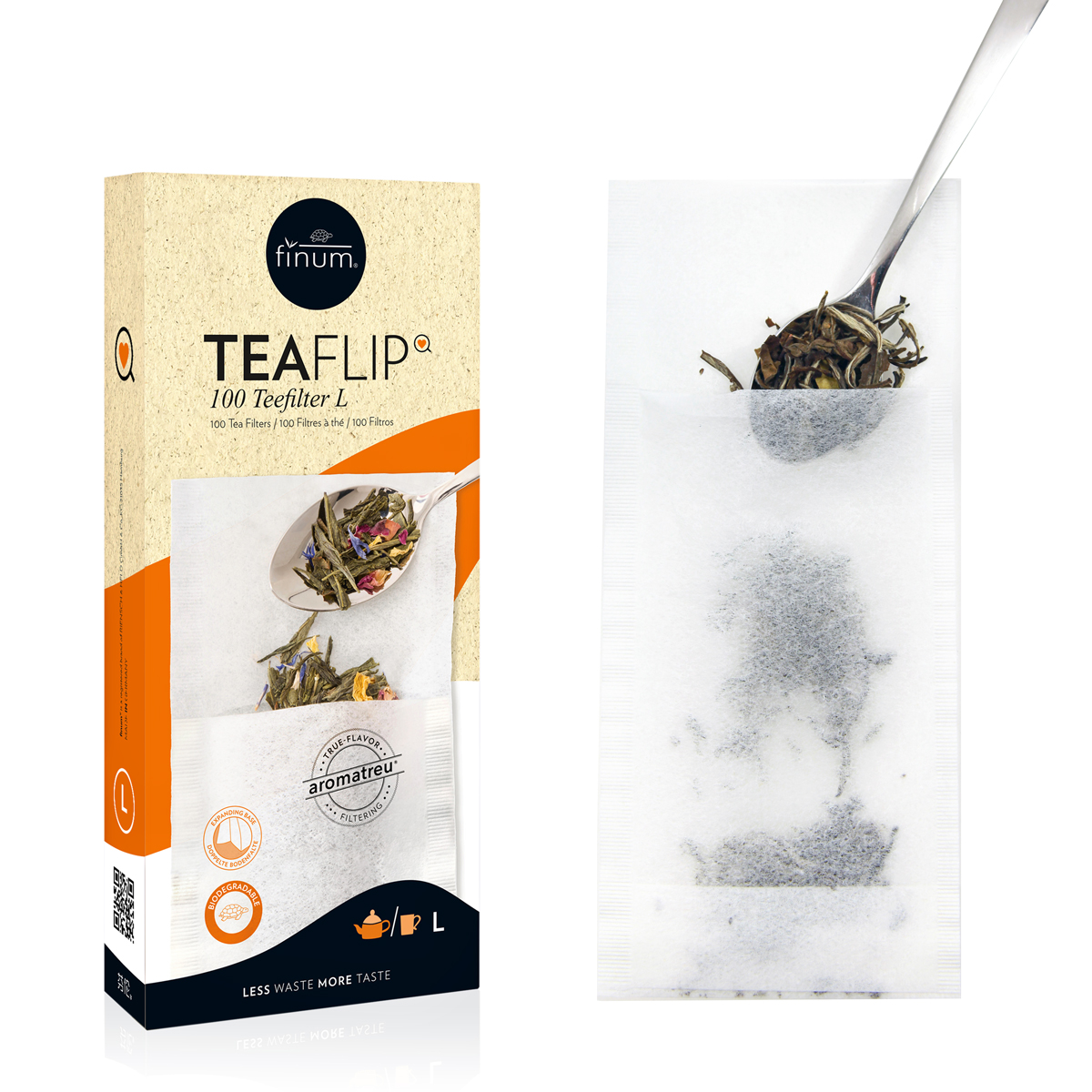
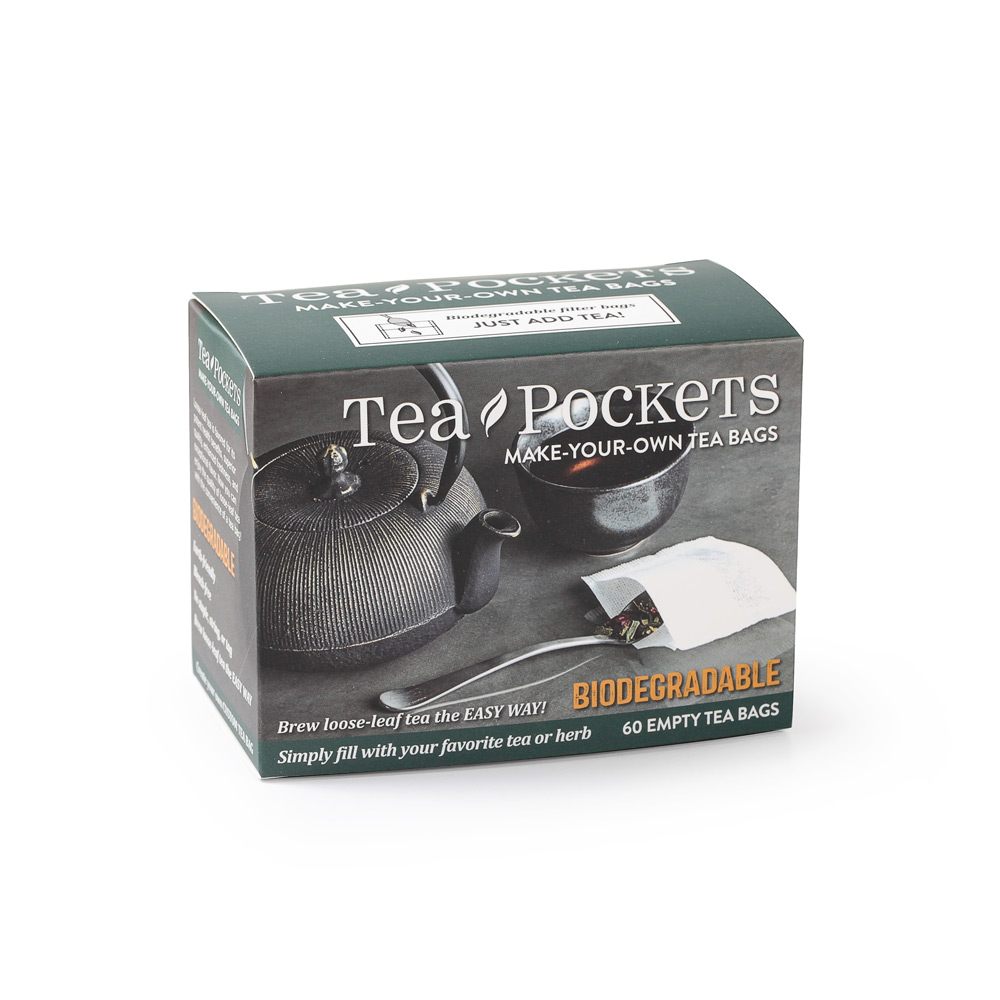
Brewing Vessels and Infusion Methods
The vessel you choose affects how your tea brews. Glass infusers are ideal because you can watch the leaves expand and you can see when the color reaches the strength you want. Ceramic or porcelain work well too and retain heat better than glass. Avoid metal infusers with mesh screens so fine that they trap small leaf particles, you want water to flow freely through the tea.
A gaiwan (a traditional Chinese lidded cup) is excellent for multiple infusions because it's designed specifically for re-steeping. You steep, pour off the liquid, add fresh water, and repeat. If you're brewing for multiple people, a small teapot works perfectly. The key is ensuring the infuser or brewing vessel has enough room for the leaves to expand fully.
Steeping Time and Water Temperature
Water temperature and steeping time are the two variables that control flavor extraction. Black teas typically need 200-212°F water and 4-5 minutes for the initial steep (peer-reviewed research). Green teas are more delicate, 195-205°F water and 2-3 minutes prevents over-steeping and bitterness. White teas are even gentler: 160-180°F and 3-5 minutes. Oolong teas, which are partially oxidized, usually want 195-210°F and 3-5 minutes.
These aren't rigid rules, they're starting points. The beauty of loose leaf tea is that you can adjust. If your first steep tastes too weak, steep longer next time. If it's too strong, use less leaf or cooler water. With tea bags, you're stuck with the standard one-and-done approach. With loose leaf, you have control.
Health Benefits of Organic Tea
Organic tea is grown without synthetic pesticides, herbicides, or fertilizers. This matters because tea leaves are steeped directly in hot water, which you then drink. Any residue on the leaf goes straight into your cup. Conventional tea farming often uses pesticides that aren't approved for organic production, and some of these accumulate in the leaves.
The health benefits of tea, antioxidants, polyphenols, L-theanine, are the same whether the tea is organic or conventional. What changes is what else you're consuming alongside those benefits. Organic tea gives you the wellness compounds without the chemical residue. For daily drinkers, this compounds over time. You're not just getting the tea's nutritional profile; you're avoiding regular low-level exposure to pesticides.
Whole leaf tea also delivers these compounds more effectively than fannings. The leaves are intact, so the beneficial compounds are preserved during processing. Fannings and dust lose some of their potency because they've been broken and exposed to air and light during sorting and packaging.
Microplastics and Pesticide Residue: A Hidden Cost
Here's what most tea comparisons overlook: conventional tea bags often release microplastics when steeped in hot water. The bags themselves are typically made from plastic-based materials like nylon or polypropylene. When you pour boiling water over them, tiny plastic particles leach into your tea. You're not just paying for tea, you're paying to consume plastic. brewing loose leaf tea.
Loose leaf tea eliminates this problem entirely. There's no bag, no plastic, nothing between your tea and your water except the leaf itself. If you use fill-your-own options like Octavia Tea's Tea Pockets (biodegradable), which are made from earth-friendly materials, you get the convenience of a bag without the plastic concern. These pockets are bleach-free, staple-free, and fully biodegradable.
Pesticide residue is a separate concern. Conventional tea bags may contain residue from pesticides used during cultivation. Organic loose leaf tea is verified to be free of synthetic pesticides. When you're drinking tea multiple times daily, this distinction matters. Over a year, the accumulated exposure differs significantly between organic and conventional tea.
Flavor Complexity and the Re-Steeping Advantage
This is where loose leaf tea truly shines. A quality loose leaf tea reveals itself in layers. The first infusion might show bright, fruity notes. The second infusion deepens into floral or earthy tones. The third brings out subtle spice or mineral qualities. This complexity is impossible with a tea bag because the fannings and dust release all their flavor compounds at once, then over-extract and turn bitter.
Re-steeping is built into the loose leaf experience. With a tea bag, you're done after one steep. With loose leaf, you're just getting started. Most of Octavia Tea's organic blends are designed to reveal new flavor notes across multiple infusions. A single serving of loose leaf tea can deliver four or five distinct flavor experiences, each one different from the last.
This is also why loose leaf tea feels more like a ritual than a convenience. You're not rushing through a single steep. You're settling in, exploring, tasting how the tea evolves. For tea enthusiasts, this is the real value proposition, not just better flavor, but a more intentional, engaging experience.
Sustainability and Environmental Impact
The environmental case for loose leaf tea is compelling. Tea bags create packaging waste: the box, the individual bag wrappers, the bags themselves. That's multiple layers of material for a single-use product. Loose leaf tea typically comes in a single container, a tin or pouch, that can be reused or recycled. Over a year, a loose leaf tea drinker generates a fraction of the packaging waste of a tea bag consumer.
Organic farming practices also matter environmentally. Organic tea farms don't use synthetic pesticides, which means no chemical runoff into soil and water. They typically use more sustainable farming methods that preserve soil health and biodiversity. When you buy organic loose leaf tea, you're supporting farming practices that are better for the ecosystem.
The re-steeping advantage compounds this benefit. Because each serving of loose leaf tea yields multiple infusions, you're using less tea overall to get the same amount of drinking. Fewer leaves consumed means less farming pressure, less processing, less transportation. The environmental footprint per cup of tea is lower with loose leaf, especially when you account for multiple infusions.
Octavia Tea sources directly from estate gardens and commits to environmentally sustainable farming practices. This means your purchase supports farmers who are invested in long-term land health, not just extracting maximum yield.
Conclusion: Is Organic Loose Leaf Tea Worth It?
The honest answer depends on what you value. If you're looking purely at the upfront sticker price, tea bags are cheaper. If you're calculating cost per cup, accounting for re-steeping and flavor quality, loose leaf tea wins. If you're concerned about microplastics, pesticide residue, environmental impact, or the actual experience of drinking tea, loose leaf tea is clearly the better choice.
For daily tea drinkers, the math shifts decisively in favor of loose leaf. You're not paying more per cup, you're paying less while getting better flavor, better health outcomes, and better environmental impact. The ritual of brewing loose leaf tea is also something tea bags can't replicate.
At Octavia Tea, we've built our entire business around the belief that loose leaf tea is worth the investment. Our USDA certified organic teas are hand-blended using only natural flavor essences and pure essential oils, with no artificial ingredients. We offer over 120 organic blends sourced directly from the world's finest estate gardens, and we provide free domestic shipping on retail orders over $65. Whether you're new to loose leaf tea or a seasoned enthusiast, our collection is designed to make the switch from tea bags feel natural and rewarding. Explore our selection and discover why thousands of customers have made the shift to loose leaf.
Frequently Asked Questions
Is buying loose leaf tea actually cheaper than tea bags in the long run?
Yes, when measured by cost per cup. A typical loose leaf tea yields 3-5 infusions per serving, while standard tea bags deliver one. Bulk purchases of loose leaf tea further reduce per-cup costs. The upfront price appears higher, but the value compounds through multiple steepings.
What are the health benefits of choosing organic loose leaf tea?
Organic loose leaf tea is grown without synthetic pesticides, herbicides, or fungicides, reducing your exposure to chemical residues. Whole leaf teas retain more catechins and polyphenols—antioxidants that support immune function and may reduce inflammation. Unlike conventional tea bags, which can shed microplastics during steeping, loose leaf tea delivers pure leaf matter. USDA certified organic loose leaf tea undergoes rigorous testing to verify purity and safety.
How does the quality of tea leaves differ between bags and loose leaf?
Commercial tea bags typically contain fannings and dust—small broken particles left over from processing—which brew quickly but lack complexity. Whole leaf loose tea contains intact leaves that expand fully during steeping, releasing nuanced flavors and aromas. Whole leaf tea also has better shelf stability and retains freshness longer. The particle size directly affects infusion speed, flavor depth, and the number of times you can re-steep the same leaves.
Is buying loose tea worth it if I'm new to tea brewing?
Yes. Start with fill-your-own tea pockets or biodegradable filters like Finum Tea Filters, which combine loose leaf quality with tea bag convenience. These allow you to experience the flavor complexity of whole leaf tea without investing in brewing equipment. Once you discover the difference, upgrading to a simple infuser is inexpensive. Many tea drinkers find that the superior taste justifies the minimal effort required to brew loose leaf tea properly.


Octavia Tea Sign In
Create New Account