























Red Bush Rooibos: Origins, Taste & Health Benefits

Table of Contents
- What Is Red Bush Rooibos?
- Rooibos Tea Taste: What to Expect
- Rooibos Tea Caffeine: Is It Caffeine-Free?
- Red vs. Green Rooibos: Key Differences
- How to Brew Rooibos Tea Properly
- Health Benefits and What the Evidence Shows
- Choosing and Storing Your Red Bush Rooibos
- Frequently Asked Questions
Last Updated: October 10, 2026
Rooibos is one of our favorites, and it doesn't get the attention it deserves. It's naturally sweet, caffeine-free, and very hard to over-steep, which makes it a good place to start if you're cutting back on sugar or evening caffeine. We love to have a nice cup of African Rose or Berry Shortcake to end our day. In fact, we love to make the Berry Shortcake into a tea latte and add some warm frothed milk to it which really makes it something special and creamy. If you want a treat add a little whipped cream to the top and you will ditch sugar drinks.
What Is Red Bush Rooibos?
Red bush rooibos is a naturally caffeine-free herbal tea brewed from the leaves of Aspalathus linearis, a plant native to South Africa (The health benefits of rooibos tea in humans (aspalathus linearis)-a scoping review). Unlike true teas made from the Camellia sinensis plant, red bush rooibos is technically a tisane or herbal infusion, but its rich, warming flavor and impressive natural sweetness have made it a staple in tea collections worldwide. At Octavia Tea, we source premium red bush rooibos directly from some of our best partners, hand-blending it with natural essences to create distinctive blends that capture the plant's natural sweetness and complexity.
The distinctive reddish-brown color develops during the oxidation process, which transforms the freshly harvested leaves into the tea you brew. This oxidation is what gives red bush rooibos its characteristic warm, slightly sweet flavor profile that appeals to both seasoned tea drinkers and newcomers exploring loose leaf options.
The Plant and Its Native Home
The rooibos plant thrives in the mountainous regions of South Africa, where it has been used for centuries by indigenous peoples. This hardy shrub grows naturally in sandy, nutrient-poor soil where few other plants survive, making it uniquely suited to its environment. The plant's deep root system allows it to access water far below the surface, which contributes to the mineral content found in the leaves.
Aspalathus linearis grows wild across specific microclimates in South Africa, and commercial cultivation has expanded to meet global demand while maintaining sustainable farming practices. The plant's ability to grow without intensive pesticide use makes it an attractive option for organic tea producers committed to environmental responsibility.
How Red Rooibos Is Produced
The journey from plant to cup involves careful harvesting and processing. After harvest, the stems and leaves are cut and bruised, moistened, and piled in heaps to oxidize. Producers call this step 'fermentation,' but it's an enzymatic oxidation, not microbial fermentation like pu-erh. That oxidation turns the leaf from green to reddish-brown and develops the sweet, woody flavor. Once the color and flavor are right, the leaf is spread out to sun-dry, which stops the process. Green rooibos skips the oxidation and is dried quickly.
At Octavia Tea, our hand-blended rooibos blends combine fermented red rooibos with ingredients like rose petals, vanilla, or spices, using only natural flavor essences and pure essential oils without artificial additives.
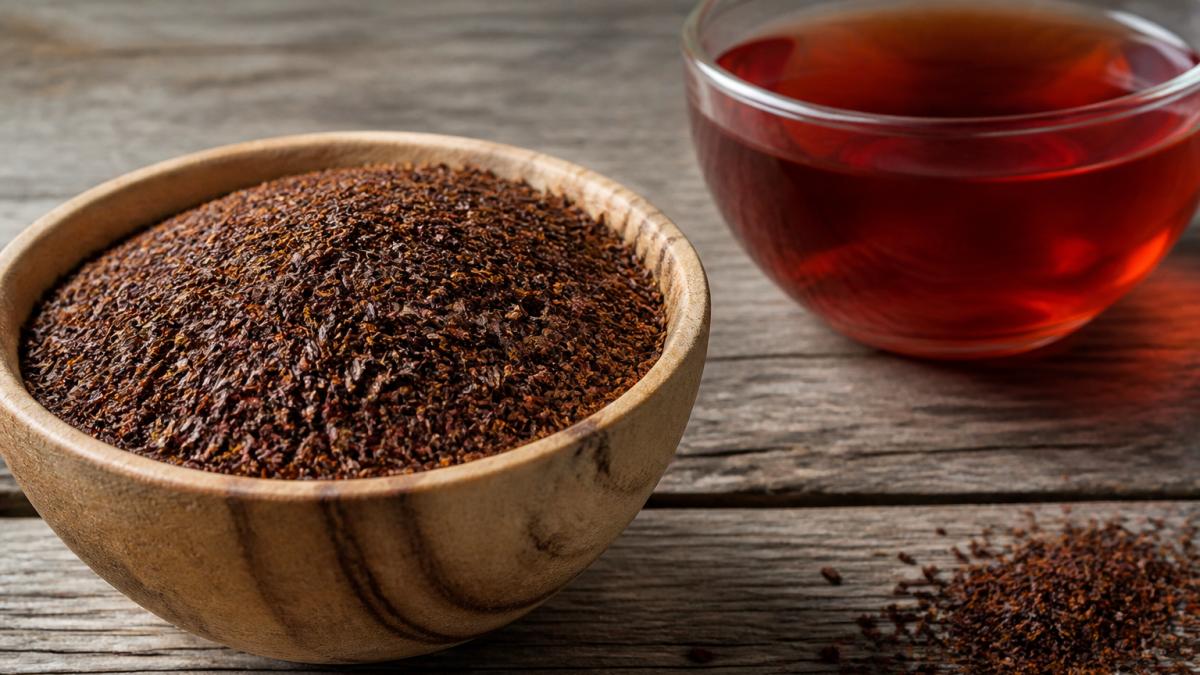
Dried red bush rooibos leaves.
Rooibos Tea Taste: What to Expect
Red bush rooibos delivers a naturally sweet, mellow flavor with subtle notes of vanilla and honey. The taste is smooth and warming without the astringency or bitterness that can characterize black tea or heavily oxidized oolongs. Our customers tell us its easy to love and is a good first step for those transitioning from sweetened beverages to unsweetened tea.
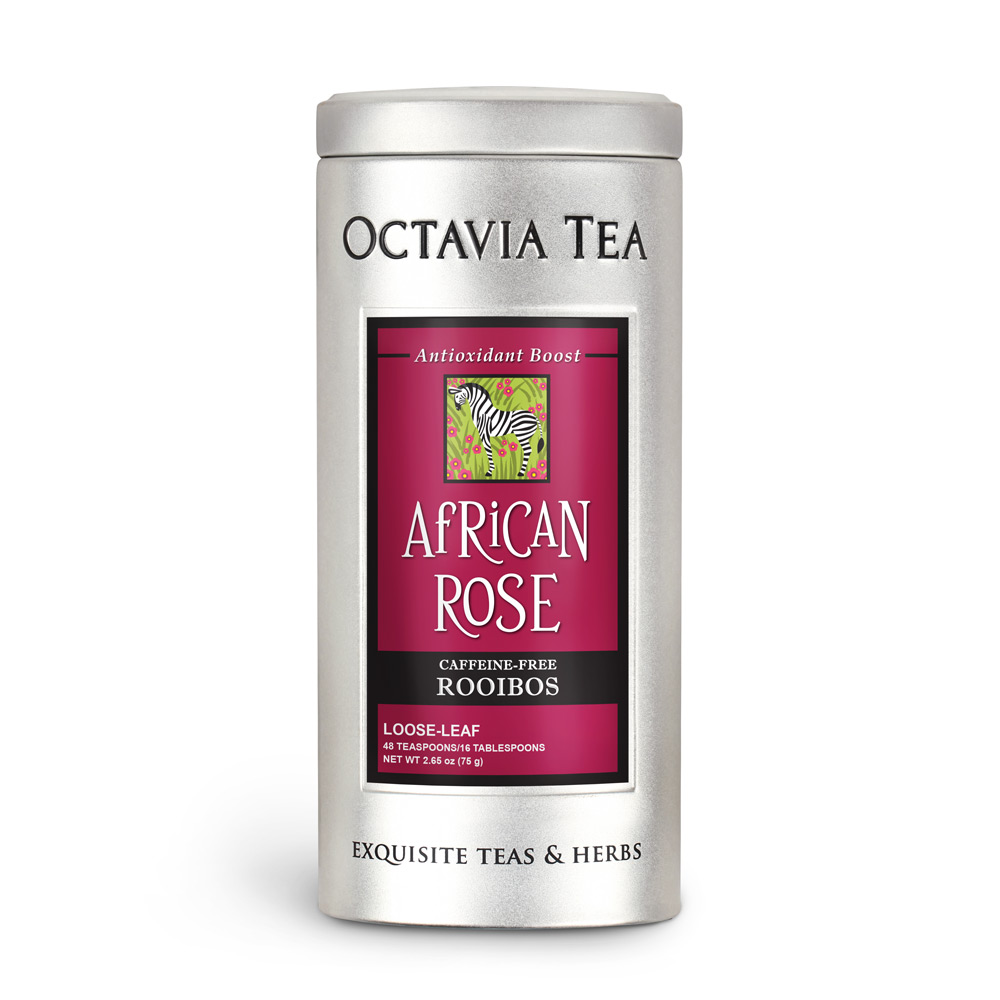
The flavor profile becomes more complex when rooibos is blended with complementary ingredients. Our African Rose blend, for example, combines rooibos with lemon oil and rose for bright citrus notes, while Chocolate Mint pairs rooibos with vanilla and peppermint for a dessert-like experience.
Rooibos Tea Caffeine: Is It Caffeine-Free?
Red bush rooibos is naturally caffeine-free, containing zero caffeine regardless of brewing method or steep time. This makes it an ideal choice for evening consumption, for those sensitive to caffeine, or for anyone seeking a soothing beverage without stimulant effects. Unlike green or black tea, where caffeine content increases with longer steeping, rooibos remains caffeine-free no matter how long you brew it.
The absence of caffeine doesn't diminish the tea's appeal to serious tea enthusiasts. Many people appreciate rooibos for its flavor complexity, antioxidant content, and the ritual of brewing loose leaf tea without worrying about brewing the perfect cup.
Red vs. Green Rooibos: Key Differences
While red rooibos undergoes fermentation and oxidation to develop its characteristic color and flavor, green rooibos skips this step. Green rooibos is dried immediately after harvesting, preserving a lighter color and more herbaceous, grassy taste profile. Both are caffeine-free and come from the same plant, but the processing creates distinctly different drinking experiences.
Red rooibos offers the warm, naturally sweet profile most people encounter first. Green rooibos appeals to those seeking a lighter, more vegetal flavor closer to green tea. Neither is superior; the choice depends on personal preference and the flavor profile you're seeking. For blending purposes, red rooibos's sweetness makes it more versatile with complementary botanicals, which is one reason most commercial blends start with red rooibos as the base.
How to Brew Rooibos Tea Properly
Brewing red bush rooibos is forgiving and difficult to ruin, but understanding the mechanics helps you dial in your preferred strength and avoid common pitfalls.
Water Temperature and Quality
Use water heated to 200-212°F (93-100°C). Boiling water is safe and appropriate for rooibos, unlike delicate green teas, the robust leaves and stems hold up to it. If you don't have a thermometer, water that has just finished boiling works perfectly. Filtered or spring water produces cleaner flavor than heavily chlorinated tap water.
Leaf-to-Water Ratio and Steeping Time
Start with one teaspoon of loose leaf rooibos per 8 ounces of water. This is a baseline; adjust upward if you prefer stronger flavor or downward if you like a lighter cup. Steep for 5-7 minutes as a starting point, then taste. Unlike many teas, rooibos does not become bitter or astringent with longer steeping. Many drinkers prefer 8-10 minutes or even longer for fuller flavor extraction.
For blended rooibos (such as those containing spices, flowers, or additional botanicals), taste at the 5-minute mark to gauge how the blend's complementary ingredients are extracting. Some blends reach optimal flavor faster than pure rooibos alone.
Resteeeping and Reuse
One of rooibos's practical advantages is its ability to withstand multiple infusions. After your first cup, leave the leaves in the pot or infuser, add fresh hot water, and steep again for 5-7 minutes. The second and sometimes third infusion can be equally flavorful, making loose leaf rooibos economical and reducing waste.
Common Brewing Mistakes to Avoid
The most frequent error is using water that is too cool. Lukewarm or warm (not hot) water will produce a weak, pale cup because the leaves need heat to fully open and release their compounds. If your cup is pale or thin, first make sure the water was actually hot (200-212°F), then add a little more leaf. Because rooibos rarely turns bitter, a longer steep also helps
Another mistake is using pre-ground or finely broken rooibos (often found in tea bags) and expecting the same flavor as whole-leaf loose tea. Fannings and dust extract faster and can become over-steeped more easily. Loose leaf rooibos gives you control and better flavor consistency.
Finally, storing brewed rooibos at room temperature for extended periods can lead to off-flavors or mold growth. Drink your tea within a few hours of brewing, or refrigerate it promptly if you plan to enjoy it cold later.
Health Benefits and What the Evidence Shows
Red bush rooibos has been used in traditional medicine for centuries, and modern research has begun examining the compounds behind these practices. Understanding the difference between traditional use, laboratory findings, and human clinical evidence helps you evaluate the tea's role in your wellness routine.
Traditional and Laboratory Evidence
Rooibos contains flavonoids and polyphenols, plant compounds studied in laboratory settings for antioxidant activity (The health benefits of rooibos tea in humans (aspalathus linearis)-a scoping review). These compounds are measurable in the leaf and in brewed tea. Traditional use in South Africa focused on rooibos for digestive comfort, skin health, and general vitality, practices that persist in contemporary herbal medicine. Laboratory studies have confirmed the presence of these antioxidant compounds and explored their behavior in controlled settings, but laboratory activity does not automatically translate to human health outcomes.
What Human Clinical Research Shows
Human clinical trials on rooibos remain limited compared to other herbal beverages (The health benefits of rooibos tea in humans (aspalathus linearis)-a scoping review). A small number of peer-reviewed studies have examined rooibos in human subjects, with findings suggesting potential support for bone health markers and cardiovascular function, but sample sizes have been modest and results are not yet conclusive enough to make definitive health claims. Most published human research comes from South African institutions where rooibos cultivation and use are culturally central.
Put simply, a compound showing antioxidant activity in a test tube is not the same as that compound producing measurable health changes in a person drinking tea daily. Rooibos is a healthy beverage, it is caffeine-free, naturally low in tannins compared to black tea, and may contain beneficial plant compounds, but specific therapeutic claims require stronger human evidence than currently exists.
Who Should Consult a Healthcare Provider
Rooibos is generally well-tolerated, but certain situations warrant professional guidance. Pregnant or nursing individuals should discuss rooibos use with their healthcare provider. If you take medications for blood clotting, blood pressure management, or hormone-sensitive conditions, consult your clinician before making rooibos a daily habit. Similarly, those with liver concerns or iron-absorption issues should seek personalized advice.
For most people, rooibos is a safe, enjoyable beverage that is a pleasant, caffeine-free choice without the stimulant effects of caffeinated tea. The ritual of brewing and drinking loose leaf tea, regardless of specific health claims, contributes to a calmer part of the day.
Choosing and Storing Your Red Bush Rooibos
Quality matters when selecting red bush rooibos. Look for loose leaf tea rather than tea bags, which often contain fannings (broken leaf pieces) and dust. Premium loose leaf rooibos should consist of larger pieces with visible color consistency and pleasant aroma.
Store rooibos in an airtight container away from direct sunlight, heat, and strong odors. A cool, dark cupboard is ideal. Properly stored loose leaf rooibos maintains quality for a year or longer. When shopping, check for organic certification. At Octavia Tea, all our rooibos blends are USDA certified organic, ensuring they're grown without synthetic pesticides or fertilizers.
Rooibos Type | Color | Flavor Profile | Best For |
|---|---|---|---|
Red Rooibos | Reddish-brown | Naturally sweet, warm, vanilla notes | General drinking, blending |
Green Rooibos | Light tan | Herbaceous, grassy, vegetal | Those preferring lighter taste |
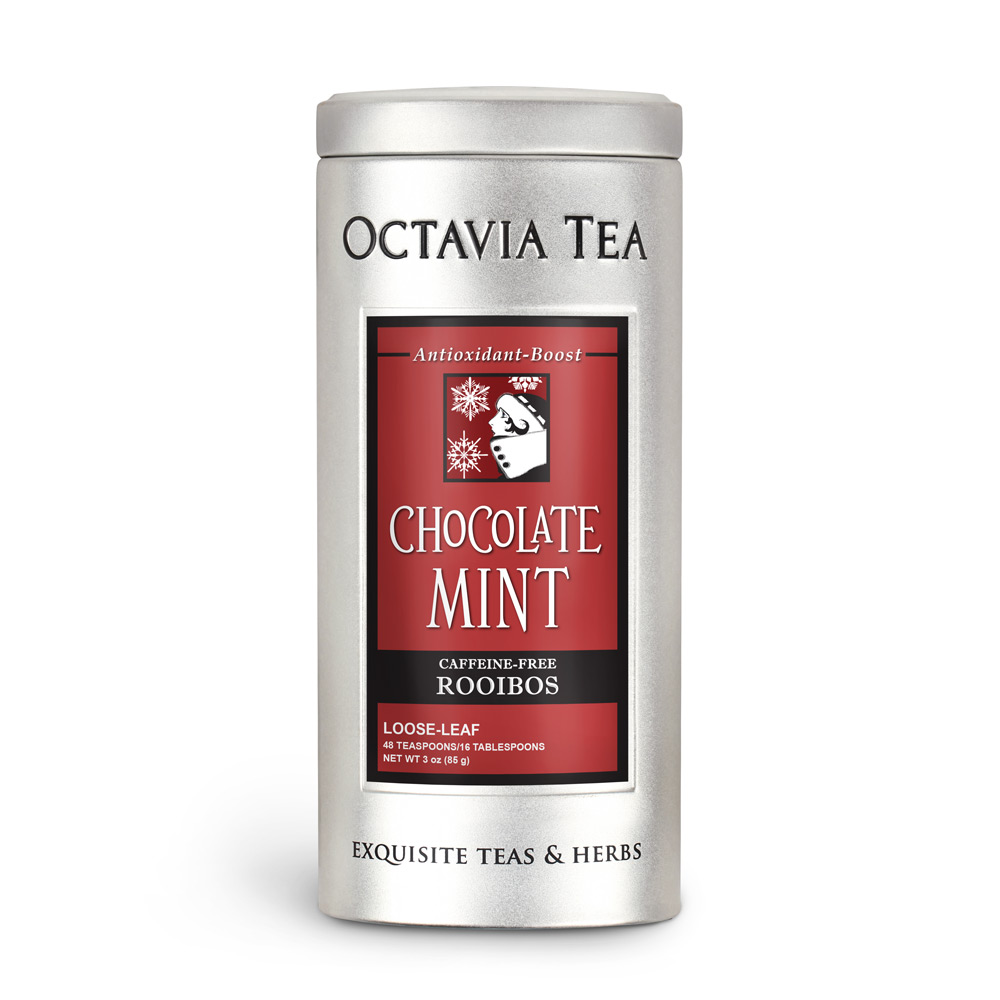
Our curated selection at Octavia Tea includes red rooibos blends like African Rose and Chocolate Mint, each hand-blended with natural essences and USDA certified organic ingredients where available. Discover which blend resonates with your palate and enjoy the ritual of brewing loose leaf tea that supports both your wellness and sustainable farming practices.
Frequently Asked Questions
Does red bush rooibos contain caffeine?
No. Red bush rooibos is naturally caffeine-free, making it an excellent choice for evening drinking or anyone sensitive to caffeine. Unlike black tea or green tea, which contain caffeine naturally, rooibos contains no stimulants. This makes it suitable for all times of day and a popular option for those seeking a relaxing herbal infusion without the alertness effects of traditional caffeinated teas.
What does red bush rooibos taste like?
Red rooibos has a naturally sweet, mellow flavor with subtle fruity and woody notes. Many describe it as smooth and slightly earthy, without the bitterness of black tea. The taste is mild enough to enjoy plain, though it pairs beautifully with milk or honey. Blended varieties—like Octavia Tea's African Rose with citrus and rose, or Chocolate Mint with vanilla and peppermint—add complexity while keeping the soothing base of rooibos at the center.
How do you brew loose leaf rooibos tea?
Steep loose leaf rooibos in hot water between 200-212°F for 5-7 minutes. Use about 1-3 teaspoons of dried leaves per cup. Unlike delicate green teas, rooibos is forgiving—longer steeping won't make it bitter. You can re-steep the same leaves multiple times, making loose leaf economical. For best flavor, use fresh water and cover your cup while brewing to retain heat and aroma.
What is the difference between red and green rooibos?
Red rooibos undergoes fermentation and oxidation during processing, which deepens its color, sweetness, and mellow flavor. Green rooibos skips this step, resulting in a lighter color, grassier taste. Both are caffeine-free, but red rooibos is smoother and more approachable for most drinkers, while green rooibos appeals to those seeking a fresher, more vegetal profile.


Octavia Tea Sign In
Create New Account