























Lavender Lemongrass: Benefits, Brewing & Blending

Table of Contents
- What Is Lavender Lemongrass Tea?
- Aromatic Profile and Therapeutic Properties
- Organic Lavender Lemongrass Tea: Why Certification Matters
- How to Brew Loose Leaf Tea for Maximum Benefits
- Essential Oil Blending Ratios and DIY Techniques
- Caffeine-Free Herbal Tea Blends: Daily Wellness Rituals
- Safety, Contraindications, and Quality Standards
- Frequently Asked Questions
Last Updated: September 2, 2026
What Is Lavender Lemongrass Tea?
Lavender lemongrass is an herbal blend that combines the delicate floral notes of lavender with the bright, citrusy character of lemongrass. This caffeine-free infusion has become increasingly popular among health-conscious adults seeking natural wellness solutions without the stimulation of traditional caffeinated teas. At Octavia Tea, we hand-blend our lavender lemongrass using only natural flavor essences and pure essential oils, ensuring you receive a product free from artificial additives.
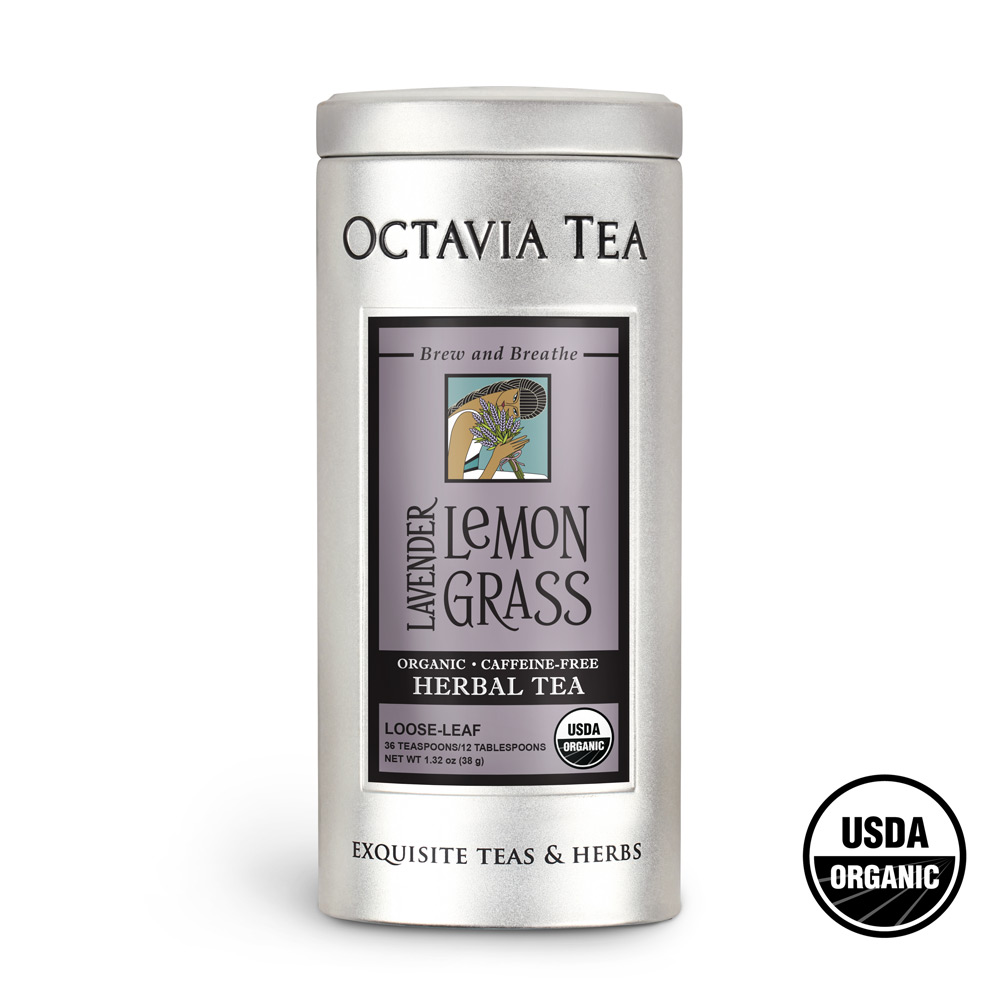
Lavender Lemongrass
The combination works because these two botanicals complement each other both aromatically and functionally. Lavender brings a honeyed, soothing quality that has been used in traditional wellness practices for centuries, while lemongrass adds a zesty, uplifting dimension that prevents the blend from becoming one-dimensional. Together, they create a tea that feels both calming and energizing, a rare balance that makes this blend suitable for morning rituals or evening relaxation.
What distinguishes lavender lemongrass from other herbal blends is its versatility. Unlike single-note teas that serve a narrow purpose, this combination adapts to different wellness goals depending on how and when you brew it. Steep it strong for a more pronounced therapeutic effect, or brew it lighter for a delicate afternoon cup. The flexibility is part of what makes loose leaf tea customizable to your preferences.
Aromatic Profile and Therapeutic Properties
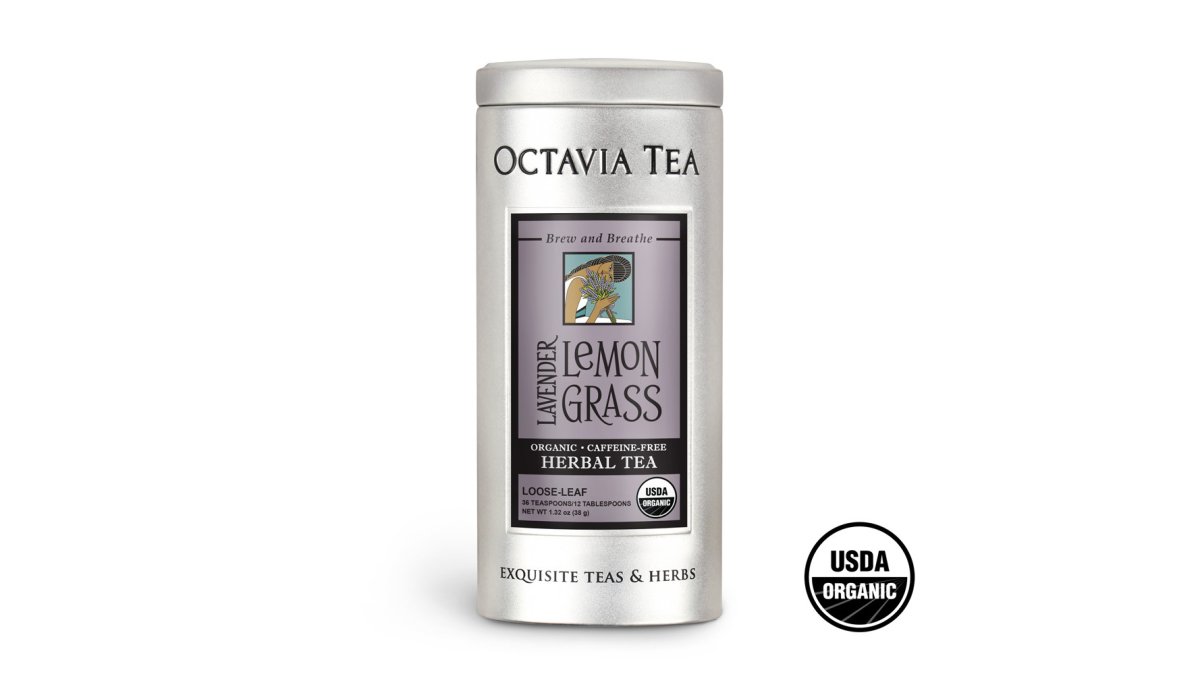
Lavender lemongrass presents a complex aromatic profile that evolves from the moment you open the tin. The initial top note is bright and zesty, dominated by the lemongrass's citrus character with subtle herbaceous undertones. As the aroma settles, the lavender emerges more prominently, bringing floral sweetness and a gentle herbal earthiness that grounds the blend. The base note is warm and slightly woody, creating depth that lingers in your cup.
The therapeutic properties of lavender lemongrass stem from the individual characteristics of each botanical. Lavender has been traditionally associated with relaxation and balance, often used in aromatherapy and wellness practices to support a calm mood and peaceful sleep (the NIH). Lemongrass, meanwhile, is believed to support the body's natural detoxification processes and may help reduce inflammation and improve circulation (peer-reviewed research). When combined, these botanicals create a synergistic blend where the uplifting quality of lemongrass prevents the lavender from feeling too heavy, while the lavender's soothing nature tempers any stimulating effects from the lemongrass.
The aromatherapeutic impact begins the moment you inhale the steam from your cup. The volatile compounds released during brewing interact with your olfactory system, sending signals to the brain that many people describe as calming and clarifying simultaneously. This is why loose leaf tea offers an advantage over tea bags, the larger leaf surface area releases more aromatic compounds, intensifying the sensory experience.
Organic Lavender Lemongrass Tea: Why Certification Matters
When you choose organic lavender lemongrass, you're making a commitment to purity and environmental responsibility. Organic certification means the botanicals have been grown without synthetic pesticides, herbicides, or fungicides, a distinction that matters significantly for a tea you'll be steeping and consuming regularly. The USDA organic certification that Octavia Tea carries verifies that our lavender lemongrass meets rigorous standards for agricultural practices and ingredient integrity.
Many consumers assume all tea is equally "natural," but conventional growing methods often involve chemical inputs that can leave residues on dried botanicals. Organic farming eliminates this concern entirely. The certification process requires third-party verification and ongoing compliance audits, meaning you're not relying on a brand's word alone, independent inspectors confirm the standards are met.
Beyond personal health considerations, choosing organic lavender lemongrass supports sustainable farming practices. Organic farms typically implement crop rotation, natural pest management, and soil conservation techniques that maintain long-term land health. When you purchase from a brand committed to organic sourcing, you're directly supporting farmers who prioritize environmental stewardship. This alignment between personal wellness and planetary wellness is why many tea enthusiasts specifically seek out USDA certified organic blends.
The transparency around organic certification also matters for wholesale partners. If you're a café or boutique retailer considering stocking lavender lemongrass, the organic certification provides assurance that your customers are receiving a product backed by verifiable standards. This becomes a selling point, customers increasingly ask about certifications, and having clear documentation builds trust in your inventory.
How to Brew Loose Leaf Tea for Maximum Benefits
Brewing loose leaf lavender lemongrass properly is the difference between a mediocre cup and one that fully expresses the blend's therapeutic potential. The process is straightforward but requires attention to three variables: water temperature, steeping time, and leaf-to-water ratio.
Start with water heated to 200-212°F (peer-reviewed research). Unlike delicate green or white teas that can become bitter at high temperatures, herbal blends like lavender lemongrass actually benefit from near-boiling water because the botanicals are more strong and won't release unwanted tannins. If you don't have a thermometer, simply let boiled water cool for about 30 seconds before pouring.
Use one teaspoon of loose leaf tea per 8 ounces of water as your baseline. This ratio can be adjusted based on personal preference, some people prefer a lighter infusion with a more delicate flavor, while others want a stronger, more pronounced therapeutic effect. The beauty of loose leaf tea is this flexibility; tea bags force you into a predetermined amount, but loose leaf lets you customize.
Steep for 5-7 minutes. At the five-minute mark, the lavender lemongrass will have released most of its flavor compounds and aromatic properties. If you prefer a stronger cup, extend to seven minutes, but beyond that you risk the blend becoming astringent. The color should shift from pale golden to a warm amber, a visual cue that the infusion is complete.
For maximum benefits, drink your lavender lemongrass while it's still warm. Heat enhances both the aromatherapeutic experience and the absorption of beneficial compounds. Many people find that sipping slowly, allowing the steam to reach their nose with each breath, amplifies the calming effect.
Essential Oil Blending Ratios and DIY Techniques
Creating your own lavender lemongrass blend at home is entirely possible if you have access to dried lavender buds and dried lemongrass. Understanding proper blending ratios ensures your DIY version maintains the balance that makes this combination effective.
The standard ratio for a balanced blend is 60% lavender to 40% lemongrass by weight. This proportion keeps the floral character prominent while allowing the lemongrass to add brightness without overwhelming. If you prefer a more citrus-forward blend, shift to 50/50, but avoid going below 40% lavender or the blend loses its signature soothing quality. artisan tea for relaxation.
When blending, start with dried botanicals rather than attempting to work with fresh material, fresh herbs contain too much moisture and will degrade quickly. Measure your lavender and lemongrass by weight using a kitchen scale rather than volume, which is imprecise. Combine them in a clean, dry glass jar, seal tightly, and let them sit for 3-5 days. This resting period allows the aromatics to meld and creates a more cohesive flavor profile.
If you want to enhance your DIY blend with essential oils, use extreme caution. A single drop of pure lavender essential oil or lemongrass essential oil is potent, it can easily overpower a batch. A safe approach is to add one drop of essential oil per 4 ounces of dried blend, mix thoroughly, then let it rest for another week before use. Many experienced blenders actually prefer to skip essential oils entirely and rely on the dried botanicals themselves, which provide authentic flavor without the risk of over-concentration.
Store your blended lavender lemongrass in airtight glass containers away from direct sunlight and heat. Properly stored, a homemade blend maintains its quality for 6-12 months. Label your container with the blend date so you know when it was created.
Caffeine-Free Herbal Tea Blends: Daily Wellness Rituals
Lavender lemongrass fits perfectly into daily wellness routines precisely because it contains no caffeine. This means you can enjoy it any time of day without worrying about sleep disruption or afternoon jitters. Many people incorporate it into morning rituals as a calming start to the day, while others reserve it for evening wind-down.
A common morning ritual involves brewing a cup while you're preparing breakfast or reviewing your schedule. The aromatherapy begins immediately as you heat the water, creating a moment of intentional pause before the day accelerates. Some people pair their lavender lemongrass with a few minutes of deep breathing, amplifying the relaxation response.
For evening use, many find that a warm cup 30-60 minutes before bedtime supports a smoother transition to sleep. The warmth itself is soothing, and the absence of caffeine means the tea won't interfere with your natural sleep cycle. Some wellness enthusiasts combine lavender lemongrass with other calming herbs like chamomile or passionflower, creating a personalized evening blend.
In workplace settings, caffeine-free herbal blends like lavender lemongrass serve a different purpose. Rather than providing energy, they offer a moment of stress relief during high-pressure periods. A 10-minute tea break becomes a mini-meditation, allowing your nervous system to reset before returning to demanding tasks.
For those sensitive to artificial flavors or additives, loose leaf organic blends offer peace of mind. You're steeping actual botanicals, lavender flowers and lemongrass stalks, not synthetic compounds designed to mimic flavor. This transparency is why many health-conscious consumers specifically seek out brands like Octavia Tea that commit to natural flavor essences and pure essential oils without artificial ingredients.
Safety, Contraindications, and Quality Standards
While lavender lemongrass is generally well-tolerated, certain individuals should exercise caution. Pregnant and nursing women should consult their healthcare provider before consuming herbal teas regularly, as some botanicals may interact with pregnancy or breastfeeding. People taking medications should also check with their doctor, particularly if they're on blood thinners or sedatives, since lavender has mild relaxant properties.
Lemongrass is safe for most people, but individuals with grass allergies should be aware that lemongrass is botanically related to common grasses and may trigger cross-reactivity in sensitive individuals. This is rare, but it's worth noting. Additionally, some people experience mild digestive sensitivity to lemongrass if consumed in very high concentrations, though a standard cup of tea poses no risk.
Quality standards matter when selecting any herbal tea. Reputable brands like Octavia Tea maintain strict quality control, testing for contaminants and verifying that botanicals meet purity standards. When sourcing lavender lemongrass, look for evidence of third-party testing or certifications that confirm the product is free from heavy metals, mold, and pesticide residues. USDA organic certification provides this assurance automatically, as organic products are subject to rigorous testing requirements.
The source of your botanicals also affects quality. Lavender grown in regions with ideal climate conditions typically has superior aromatic compounds compared to lavender grown in suboptimal conditions. Similarly, lemongrass quality varies based on growing practices and harvest timing. Octavia Tea's direct sourcing from estate gardens ensures we control these variables, guaranteeing consistency and potency in every batch.
If you're purchasing lavender lemongrass for a retail environment, whether a café, spa, or boutique gift shop, ask your supplier about their testing protocols and sourcing transparency. Customers increasingly expect this level of accountability, and stocking products backed by verifiable quality standards strengthens your brand credibility.
Lavender lemongrass represents more than just a pleasant-tasting tea, it's a gateway into intentional wellness practices that align with values of purity, sustainability, and genuine self-care. Whether you're brewing a single cup for personal relaxation or stocking it for your business, choosing an organic, hand-blended option ensures you're getting the full aromatic and therapeutic benefit without compromise.
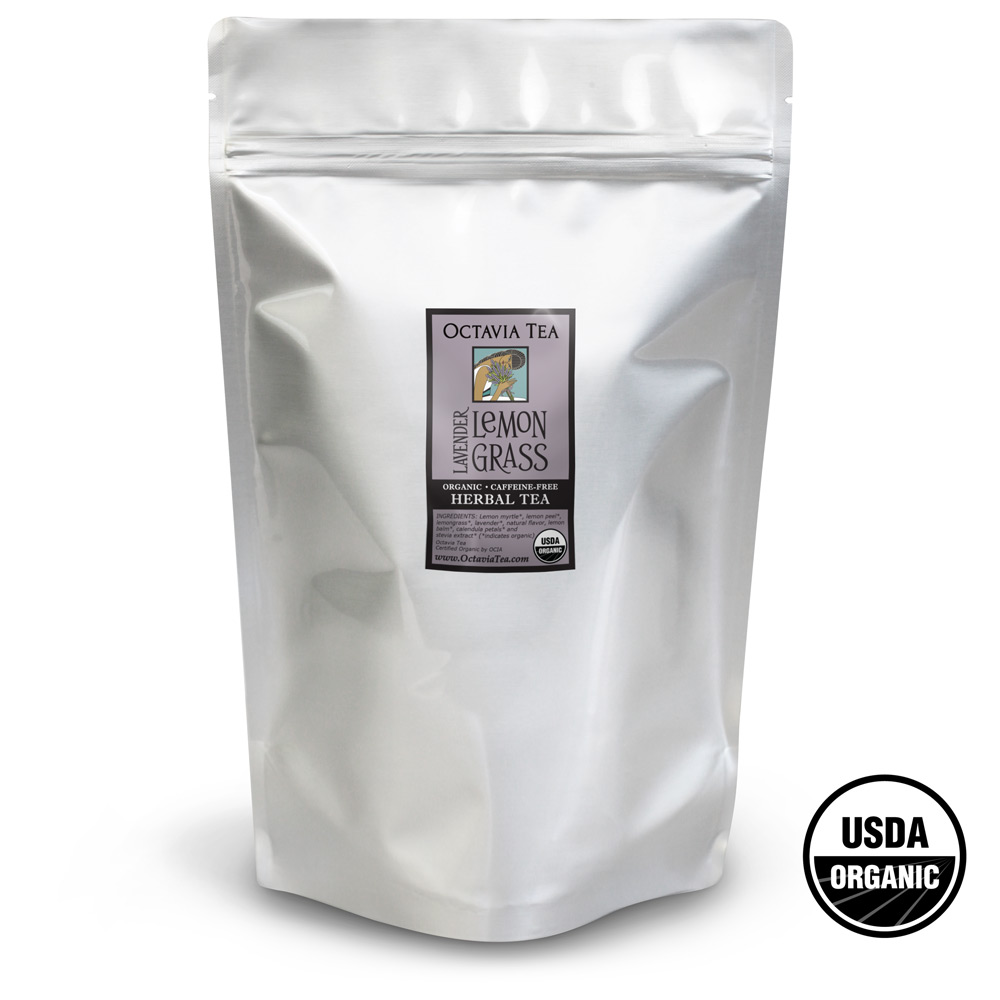
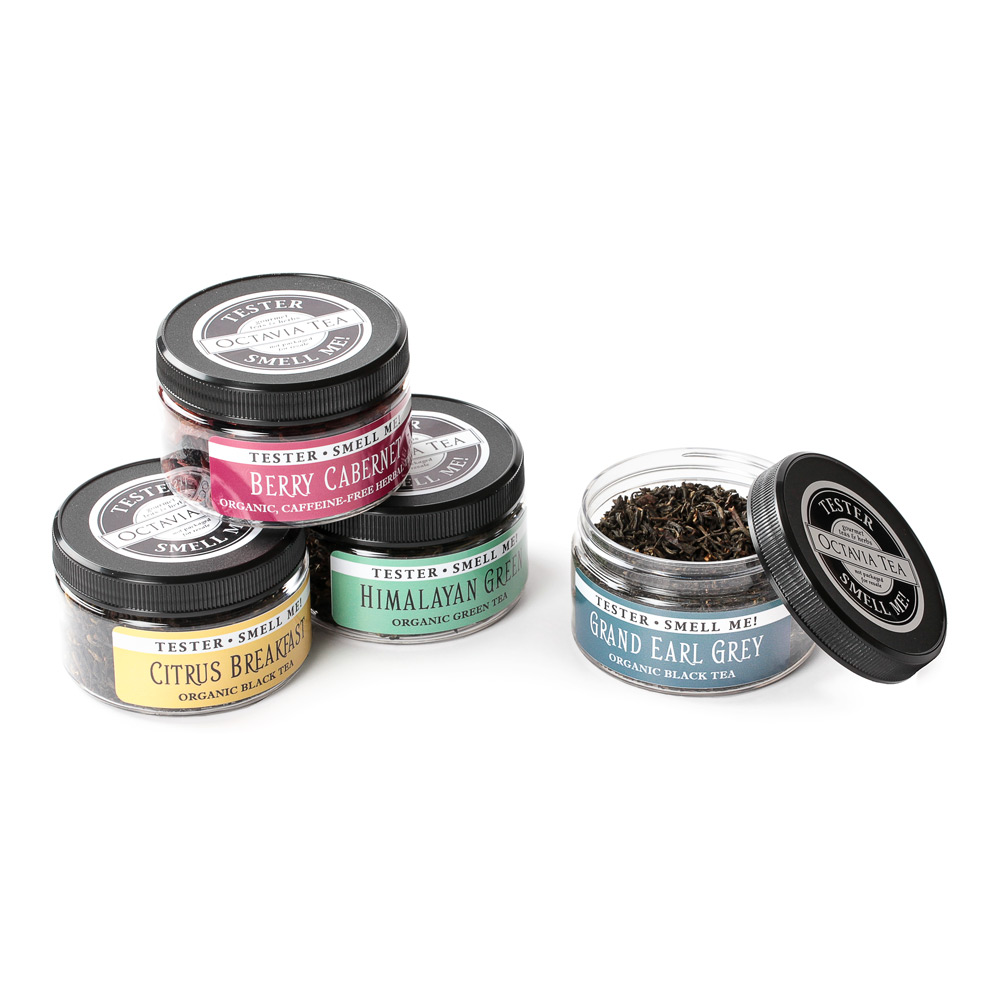
Octavia Tea's lavender lemongrass blend is crafted with this philosophy at its core. Our USDA certified organic loose leaf tea is hand-blended using only natural flavor essences and pure essential oils, no artificial additives, no shortcuts. For retail customers, we offer free domestic shipping on orders over $65, making premium wellness accessible. For wholesale partners, our bulk 1lb option and tester jars provide flexible solutions for cafés, spas, and boutique retailers. Start with our tester jar to experience the blend's aromatic profile, then commit to the full experience with a full-size purchase.
Frequently Asked Questions
Q: What are the health benefits of lavender lemongrass tea?
A: Lavender lemongrass tea combines two therapeutic botanicals: lemongrass may help detoxify the body, reduce inflammation, and improve circulation, while lavender is believed to reduce anxiety and balance mood. Together, they create a calming herbal blend ideal for relaxation and stress relief. As a caffeine-free herbal tea, it's suitable for evening consumption without sleep disruption. The botanical combination supports wellness routines for health-conscious adults seeking natural, additive-free ingredients.
Q: How do you brew the perfect cup of organic lavender lemongrass tea?
A: Brew loose leaf lavender lemongrass tea by steeping 1 teaspoon per 8 ounces of water at 200-210°F for 5-7 minutes. Use filtered water for best flavor extraction. A glass infuser or mesh strainer works well to contain the loose leaves while allowing full hydration. Longer steeping intensifies the floral and citrus notes, while shorter steeping produces a lighter, more delicate cup. Always use fresh, organic loose leaf tea to maximize the aromatic and therapeutic properties of this blend.
Q: Do lavender and lemongrass go together in tea?
A: Yes, lavender and lemongrass complement each other beautifully in tea. Lemongrass provides a zesty, citrus-mint base note with earthy undertones, while lavender adds a honeyed, floral character that balances the brightness. This pairing creates a spa-like, soothing profile that appeals to tea enthusiasts seeking both aromatic complexity and therapeutic benefits. The combination works because lavender's calming properties enhance lemongrass's detoxifying effects, making it an effective wellness blend for daily rituals.
Q: What makes loose leaf tea better than tea bags?
A: Loose leaf tea offers superior quality, freshness, and flavor compared to tea bags. Whole leaves and botanicals retain more essential oils and therapeutic compounds, delivering richer aromatic and health benefits. Loose leaf tea allows for better water circulation during brewing, extracting maximum flavor and properties. Premium organic loose leaf blends like lavender lemongrass showcase the full complexity of natural flavor essences without the paper, dust, or fillers found in commercial tea bags. For discerning tea enthusiasts and wellness-focused consumers, loose leaf provides transparency about ingredient sourcing and purity.


Octavia Tea Sign In
Create New Account