























Green Tea vs Black Tea for Cooking: 2026 Comparison

Table of Contents
- Green Tea vs Black Tea for Cooking: How Oxidation Changes Everything
- Quick Comparison Table: Green Tea vs Black Tea in the Kitchen
- Flavor Profiles: Vegetal and Delicate vs Malty and Bold
- Tea Smoking Techniques: Why Black Tea Often Wins the Smoke
- Tea-Infused Dessert Recipes: Where Green Tea and Black Tea Diverge
- Natural vs Artificial Flavors in Tea: What to Look For on a Label
- Five Teas to Cook With: Green and Black Picks from Octavia Tea
- Which One Should You Pick? A Decision Framework for Cooks
- Frequently Asked Questions
Last Updated: October 4, 2026
Green Tea vs Black Tea for Cooking: How Oxidation Changes Everything
Green tea vs black tea for cooking comes down to one variable: oxidation. Green tea is heated soon after picking to stop oxidation, preserving a vegetal, delicate character. At Octavia Tea, we hand-blend more than 120 organic loose leaf teas, and we have watched cooks get very different results from the same recipe by swapping one for the other.
Why Processing, Not Just Leaf Type, Decides Cooking Performance
Processing decides everything, because green and black tea can come from the same plant. The leaf is identical; the method is not.
Green tea is steamed or pan-fired within hours of harvest, deactivating the enzymes responsible for oxidation so the leaf keeps its green color and fresh, grassy compounds.
For a cook, oxidation changes how the leaf behaves under heat: a fully oxidized leaf releases deeper notes that survive long simmering, while a green leaf releases bright, volatile aromatics that vanish if cooked too long.
Quick Comparison Table: Green Tea vs Black Tea in the Kitchen
The table below summarizes where each tea wins.
| Factor | Green Tea | Black Tea | Better For |
|---|---|---|---|
| Oxidation level | Minimal | Full | Depends on dish |
| Flavor profile | Vegetal, delicate, buttery | Malty, bold, brisk | Green: desserts; Black: braises |
| Astringency | Light to moderate | Moderate to strong | Black for richness |
| Heat tolerance in cooking | Low | High | Black for long cooking |
| Best culinary use | Ice cream, custard, rubs | Smoking, marinades, stews | Both, by application |
| Caffeine content | Lower | Higher | Black for morning dishes |
Green tea suits dishes where a fresh, spring-like note should stay visible; black tea suits dishes where you want depth, color, and staying power.
Substituting One Tea for the Other: What Actually Changes
Most recipes do not tell you what happens when you swap the tea. Green tea and black tea leaves differ in density, extractability, and heat tolerance.
A workable starting point is slightly more green tea leaf and slightly less black tea leaf when substituting, then adjust on the second batch. Leaf size matters too: a fine-cut black tea extracts faster than a broad, flat green leaf.
Baking and Dessert Substitutions
When a recipe calls for a tea you do not have, the swap is rarely a clean one-for-one. A few patterns hold up:
- Green tea for black tea in a custard or ice cream base: use a little more leaf, steep in warm rather than boiling cream, and taste before straining. The green leaf will not deliver the malty backbone, so expect a brighter, more herbal result.
- Black tea for green tea in a rub or marinade: use a little less leaf and shorten the contact time, because the higher tannin load can turn meat or fish astringent if it sits too long.
- Smoked black tea for plain black tea: start with a fraction of the amount, since smoke compounds concentrate quickly and can overwhelm a dish that was not built around them.
- Green tea powder for cocoa powder in baking: a flavor swap, not a chemical one. Cocoa brings fat and acidity that green tea powder does not, so a direct substitution changes the crumb and sweetness. Reduce the sugar slightly and expect a lighter, more vegetal result rather than a chocolate one.
None of these are fixed rules. Leaf size, freshness, and age all shift the outcome, so brew a small test batch before committing the whole recipe.
Why the Table Only Gets You So Far
The comparison table is a starting point, not a formula. Two green teas from the same region can differ in astringency depending on picking and firing, and two black teas can differ in body depending on how far oxidation ran. Use the table to narrow your choice, then let your palate decide.
Flavor Profiles: Vegetal and Delicate vs Malty and Bold
Flavor is where the two teas separate most clearly. Green tea carries vegetal, grassy, sometimes buttery notes with a light astringency from its catechins.
That difference comes from the polyphenol profile. Green tea keeps a high concentration of simple catechins, which read as fresh and slightly bitter. Black tea converts many of those into theaflavins, which read as brisk and full-bodied.
Astringency, Tannins, and Umami: What Each Tea Brings to a Dish
Astringency is the drying, grippy sensation tannins create on your palate.
Green tea brings a light, clean astringency that cuts through fat without dominating, which is why it works in custards and ice cream.
Use astringency deliberately. If a dish tastes flat and heavy, a tea with more tannin will lift it. If a dish tastes sharp, you have used too much.
Tea Smoking Techniques: Why Black Tea Often Wins the Smoke
Black tea usually wins the smoke because its oxidized leaf takes on smoke flavor more readily and holds it through cooking.
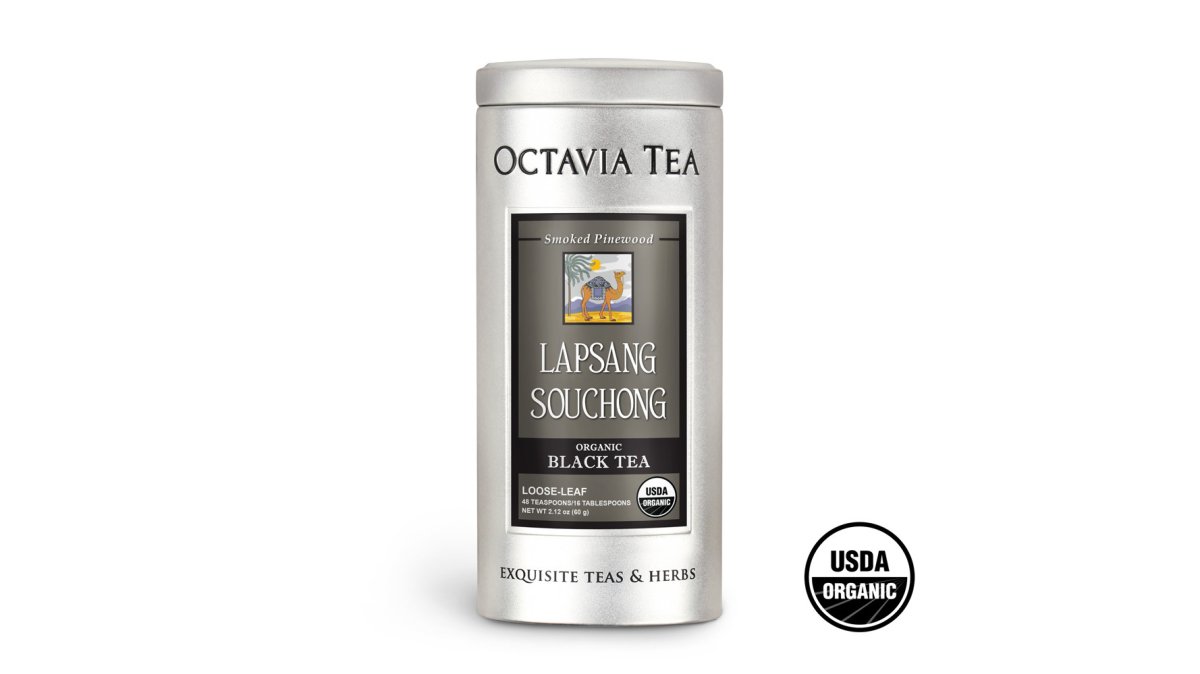
Lapsang Souchong is the natural choice here.
Green tea can be smoked, but its delicate aromatics compete with the smoke instead of supporting it. For a lighter smoke, smoke the green tea briefly and use it on fish or vegetables.
Tea-Infused Dessert Recipes: Where Green Tea and Black Tea Diverge
Green tea and black tea diverge most in desserts, and the reason is heat and fat. Green tea's vegetal notes pair with dairy, sugar, and eggs, which is why it works in ice cream, panna cotta, and shortbread. Black tea's malty notes pair with chocolate, caramel, and dried fruit.
The Chemistry of Tea in Fat and Heat
Dairy is mostly fat and water, and tea compounds behave differently in each. Green tea's catechins are water-soluble and heat-sensitive: they extract quickly into warm liquid, but prolonged heat drives off the volatile aromatics that make green tea taste fresh and pulls out bitter compounds instead.
Black tea behaves almost oppositely. Its theaflavins and larger polyphenols are more stable under heat and extract more fully the longer they steep, so black tea can simmer in a syrup or custard base without turning harsh.
A Method That Works for Both
Warm one cup of cream, add one to two teaspoons of loose leaf tea, cover, and steep for ten minutes, then strain and use the cream in your recipe. For green tea, keep the cream below a simmer and pull it off the heat before the leaves go in. For black tea, bring the cream to a gentle simmer and steep longer.
Where Each Tea Shines
Green tea is the better choice for ice cream, panna cotta, custard, and shortbread, where a bright, grassy note should stay visible against fat and sugar. Black tea is better for chocolate desserts, caramel, spice cakes, and anything with dried fruit, where a malty, brisk note can stand up to strong flavors. Match the tea to the dominant flavor, not the dessert category.
A Note on Bitterness
Bitterness in tea desserts almost always comes from over-extraction, not the tea itself. If your custard tastes sharp, the cream was too hot, the steep ran too long, or too much leaf went in. Strain the leaves as soon as the flavor is where you want it.
Natural vs Artificial Flavors in Tea: What to Look For on a Label
Natural and artificial flavors in tea are not the same thing, and the label tells you which you are getting. Natural flavor essences and pure essential oils come from plant sources.
This matters for cooking because artificial flavoring tends to taste the same at every temperature, while natural flavoring shifts as it heats.
Read the ingredient list before you buy.
Five Teas to Cook With: Green and Black Picks from Octavia Tea
Choosing a cooking tea is easier when you start with leaves that already taste good on their own. Here are five we recommend, with notes on how each behaves in a pan.
Green Tea Picks: Bi Luo Chun and Dragonwell
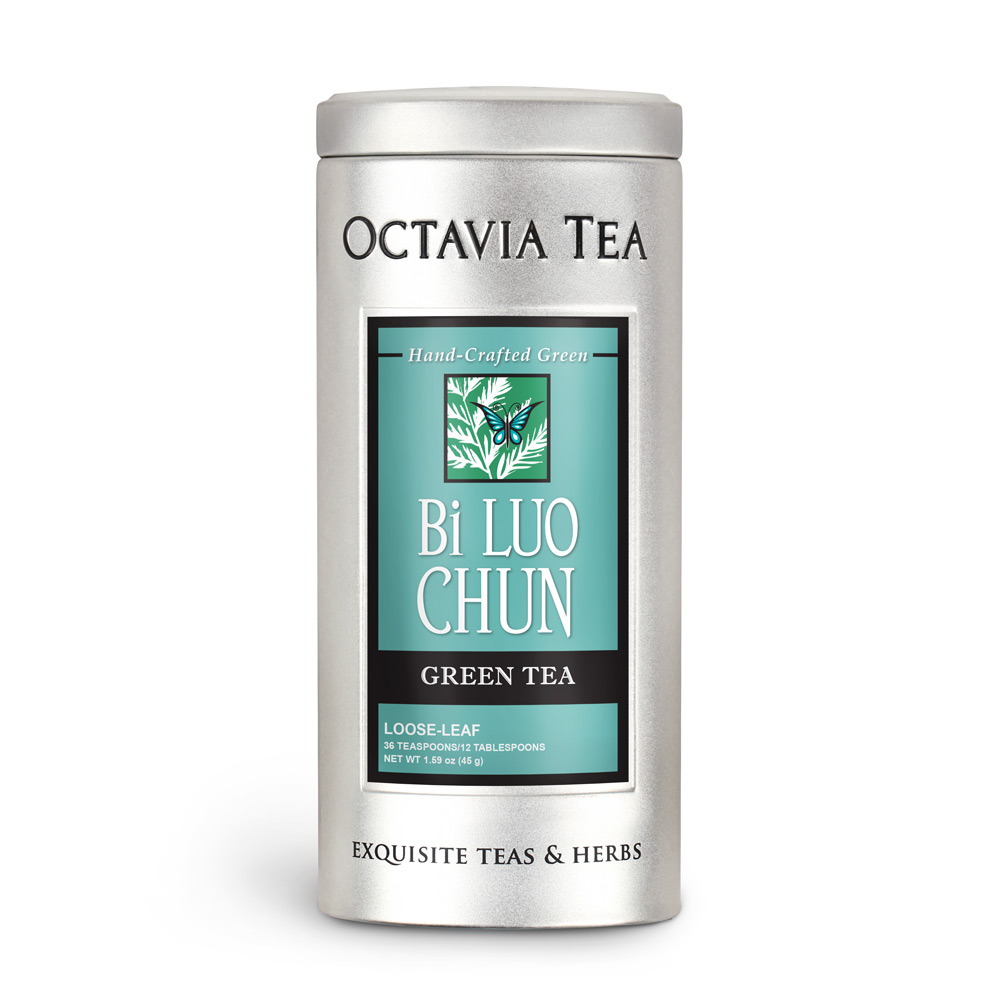
Bi Luo Chun is picked in early spring when the leaves are most tender, carrying a buttery, dewy sweetness with notes of clover, flowers, and chestnut.
Dragonwell has broad, flat leaves and a buttery, roasted chestnut flavor with an earthy finish. Its roasted character makes it the better green tea for savory applications, such as a rub for fish or a light broth, where you want a toasted note rather than a raw one.

Black Tea Picks: English Breakfast, Lapsang Souchong, and Ancient Yunnan
English Breakfast is a single-estate Assam with a bold, bright, full-bodied flavor. It is the workhorse for marinades and braises, because it stays strong when diluted by stock or cream.
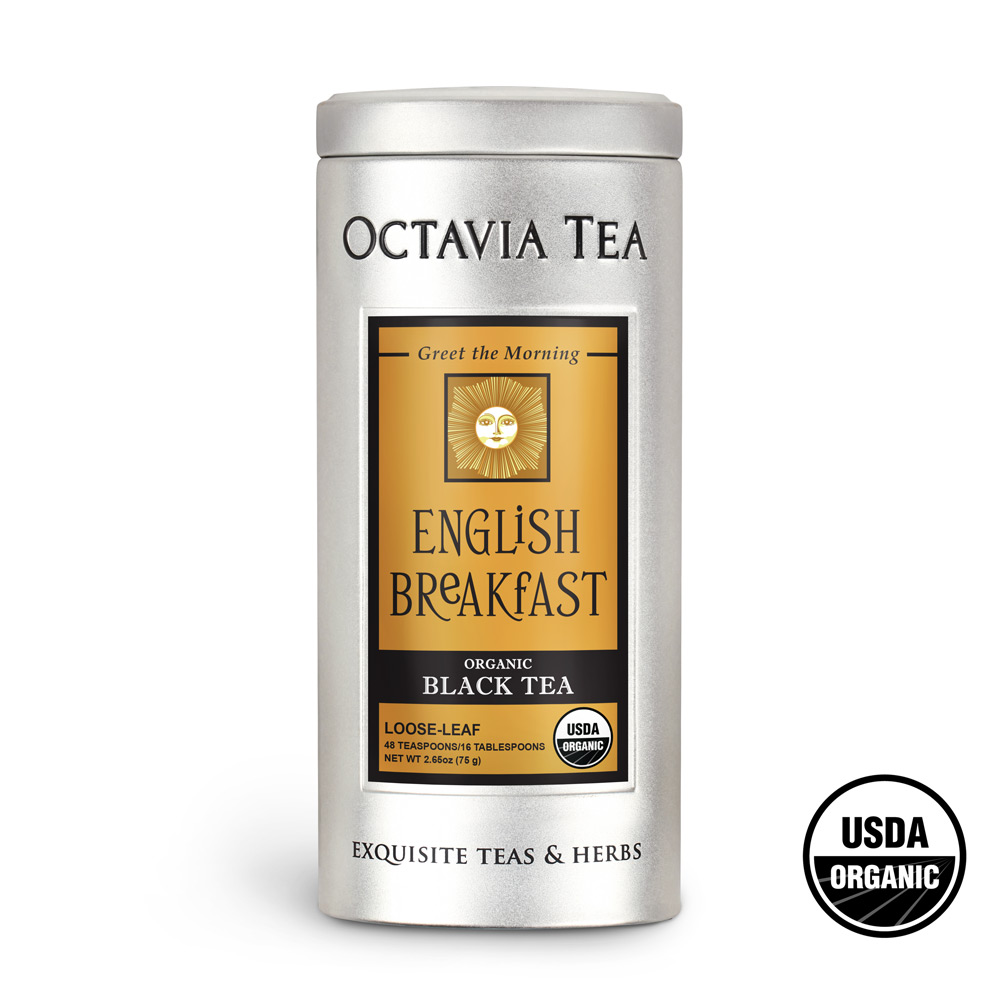
Lapsang Souchong gets its flavor from pinewood smoke during drying, giving a crisp, assertive, campfire character.
Ancient Yunnan is harvested from ancient tea trees and carries ripe fruit, cedarwood, peppery spice, sweet raisin, and a whisper of cocoa in a malty finish.
Which One Should You Pick? A Decision Framework for Cooks
Pick green tea when the dish is delicate, dairy-based, or served cold. Pick black tea when the dish is rich, slow-cooked, or needs smoke and color.
Use this framework:
- If the dish cooks longer than 30 minutes, choose black tea.
- If the dish is a custard, ice cream, or no-bake dessert, choose green tea.
- If you want smoke, choose Lapsang Souchong.
- If you want a roasted, savory note, choose Dragonwell.
The mistake most cooks make is treating tea as a background ingredient.
Cooking with tea rewards experimentation and punishes guesswork. Start with leaves you would happily drink, adjust the amount to your palate, and let the oxidation level guide the pairing.
Frequently Asked Questions
Can you substitute green tea for black tea in baking recipes?
Yes, but expect a different result. Green tea adds a vegetal, grassy note and less body, so it works best in light cakes, shortbread, and custards where a delicate flavor is welcome. Black tea brings malt, tannin, and color, which holds up better in chocolate, spice, and caramel recipes. If you swap one for the other, start with the same amount called for, taste the batter, and adjust. Strongly flavored black teas can overwhelm a delicate green tea recipe.
How does the flavor profile of green tea differ from black tea in cooking?
Green tea is steamed or pan-fired soon after picking, so it keeps a vegetal, grassy, sometimes buttery character with noticeable astringency. Black tea is fully oxidized, which builds tannins, theaflavins, and darker notes like malt, dried fruit, and cocoa. In cooking, green tea reads fresh and bright, while black tea reads deep and warming. That difference decides whether a tea belongs in a light cream dessert or a braise.
Which tea variety works best for tea-smoked recipes?
Black tea is the usual choice because its malt and tannin stand up to smoke without disappearing. Lapsang Souchong is already pinewood-smoked, so it layers a campfire note onto poultry, fish, and mushrooms with very little effort. If you want a lighter smoke, blend green tea with rice and sugar and keep the smoking time short. Either way, use loose leaf rather than bagged tea for a cleaner, more even burn.
Does the caffeine content of tea affect its use in cooking?
Caffeine is water-soluble, so the amount that ends up in a finished dish depends on how long the tea steeps and how much liquid is used. A short infusion in a sauce or custard transfers far less caffeine than a long, concentrated brew. Black tea generally carries more caffeine than green tea, but the cooking method matters more than the leaf. If caffeine is a concern, use a shorter steeping time and taste as you go.
What are the best culinary applications for organic loose leaf tea?
Loose leaf tea gives you full leaves that infuse evenly, so it suits custards, ice creams, shortbread, rubs, brines, and smoking blends. Green teas like Bi Luo Chun and Dragonwell work in light desserts and delicate sauces, while black teas like English Breakfast and Ancient Yunnan handle braises, chocolate, and spice. Grind spent leaves into salt or sugar for a finishing touch. Start with a small batch and adjust the amount to taste.


Octavia Tea Sign In
Create New Account