























Chai Mate Tea: A Complete Guide to Blends and Brewing

Table of Contents
- What Is Chai Mate Tea?
- Chai Mate Tea Ingredients and Flavor Profile
- Organic Yerba Mate Benefits: What the Research Says
- How to Brew Loose Leaf Chai Mate Tea
- Chai Mate Latte Recipe and Culinary Pairings
- Caffeine Content, Safety, and Sustainability
- Conclusion
- Frequently Asked Questions
Last Updated: October 5, 2026
What Is Chai Mate Tea?
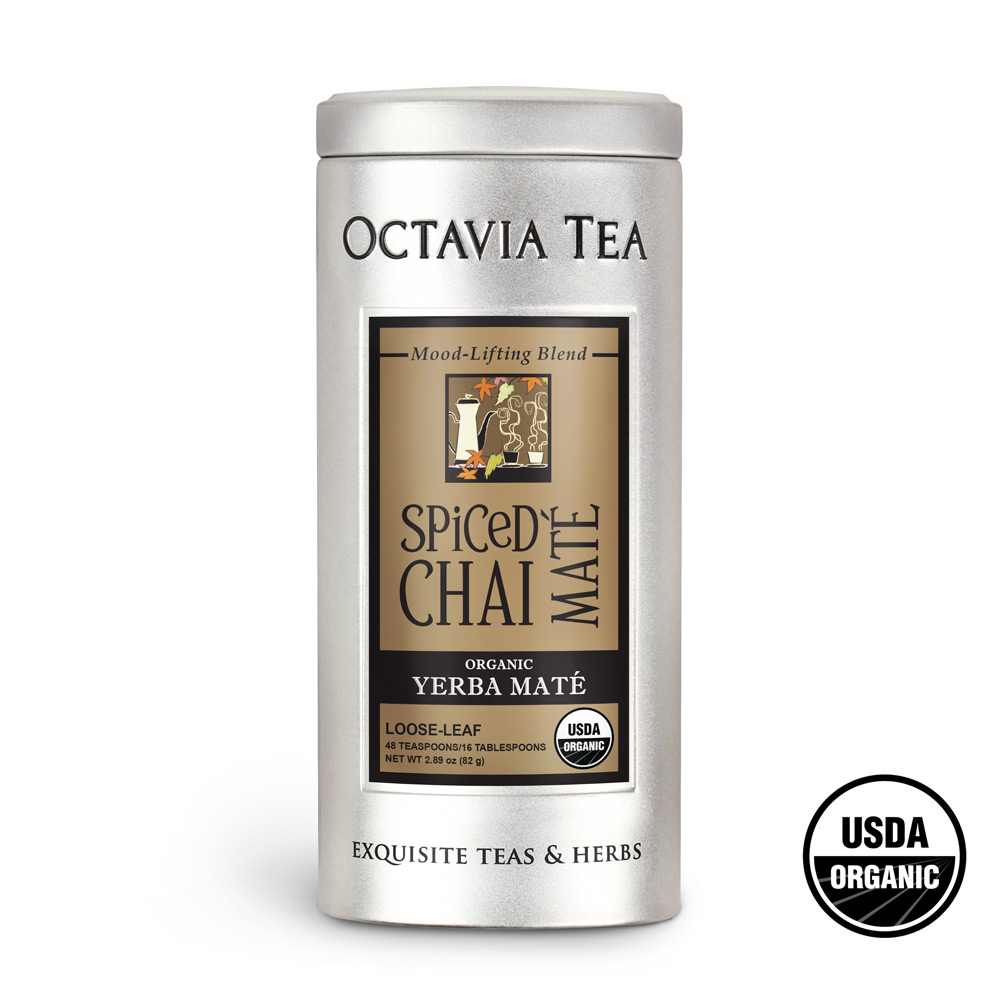
This is one of my favorite teas and it does not get enough attention. There is something about the cinnamon and spices in this blend that warm me when those October mornings start so cool. I took a cup of this on our trip to the pumpkin patch this weekend and it was the perfect start to the day. It gives me just a little energy boost with all the flavor and something different then plain black tea or coffee. Its a must try!
Chai mate tea blends South American yerba mate with the warming spices of Indian chai, creating a caffeinated infusion with an earthy, spiced flavor. It brews like loose leaf tea, drinks smoothly without coffee's jitters, and works hot or as a latte.
The South American Roots of Yerba Mate
Yerba mate is a holly species native to South American rainforests, consumed for centuries. Traditionally the dried leaves and twigs are steeped in a hollow gourd and sipped through a metal straw called a bombilla, passed in a circle, hence the nickname "drink of friendship."
The flavor surprises newcomers: mate is strong and earthy, closer to green tea crossed with dried herbs than to anything sweet.
How Chai Spices Meet Yerba Mate
Chai originally just means tea; what most people recognize as chai is masala chai, black tea simmered with cinnamon, cardamom, ginger, cloves, and black pepper.
That swap changes two things: the caffeine profile shifts, since mate delivers its own stimulation, and the flavor gets lighter and more herbal because mate lacks black tea's malt backbone.
Chai Mate Tea Ingredients and Flavor Profile
A well-built chai mate blend has two layers: the mate base supplies earthy body and energy, while the spice bill supplies warmth, aroma, and balance.
Traditional Spices That Define the Blend
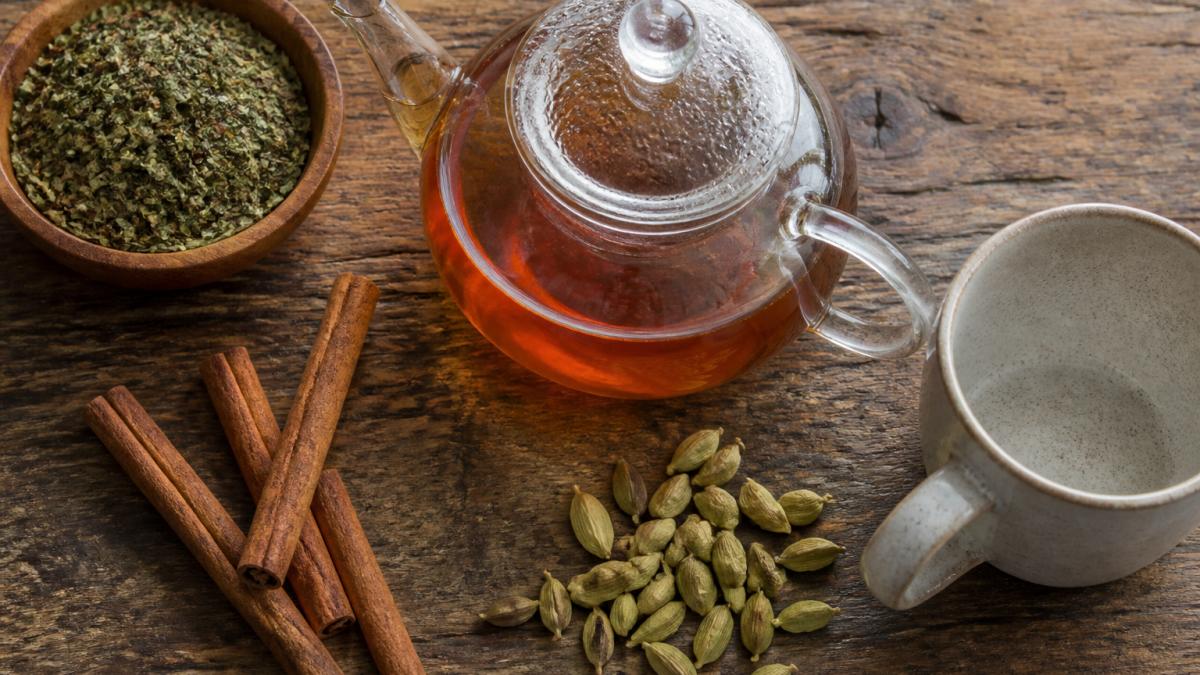
Most blends draw from the same core spice set: cinnamon brings sweetness and rounds off the mate's bitterness, cardamom adds a floral top note, ginger contributes slow-building heat, and cloves, black pepper, and nutmeg sit underneath for depth.
Some blenders extend the base with chicory or rooibos to soften the edge further, additions worth knowing about, because they change how the cup takes milk.
Earthy, Smooth, and Balanced: What to Expect
The first sip reads earthy, then cinnamon and cardamom arrive, and the finish is smooth with faint sweetness.
Organic Yerba Mate Benefits: What the Research Says
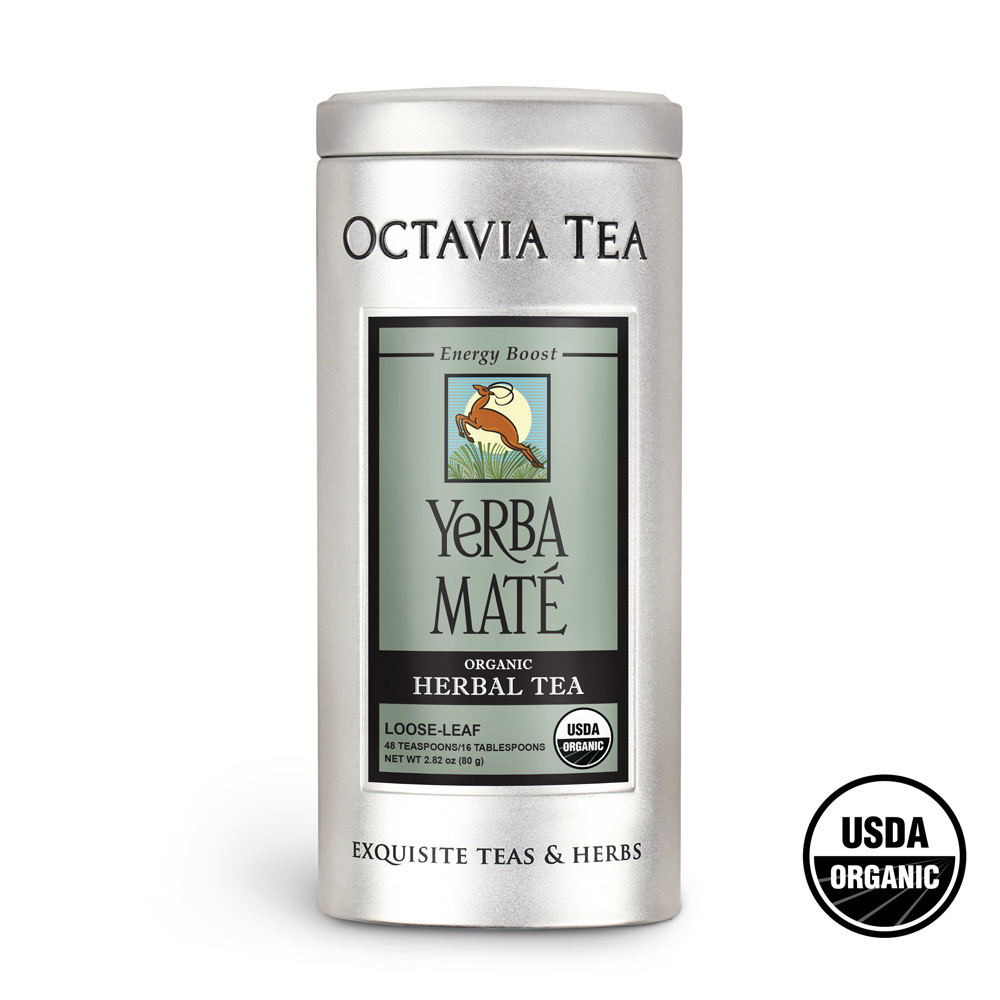
Yerba mate contains naturally occurring antioxidants, including chlorogenic acid, plus vitamins and minerals. South American tradition credits it with enhancing energy, improving mood, and supporting weight management, the claims most repeated in marketing copy.
The honest version: mate is a stimulant beverage with antioxidants, not a treatment. Many people report steadier energy than coffee with less of a crash, but evidence behind specific health outcomes varies widely.
What you can control is purity. Organic yerba mate means the leaf was grown without synthetic pesticides, which matters for a daily drink.
How to Brew Loose Leaf Chai Mate Tea
Brewing loose leaf chai mate tea comes down to three variables: water temperature, steeping time, and ratio. Get the temperature wrong and you'll pull bitterness no amount of honey will fix.
Step-by-Step Hot Brewing Method
- Heat fresh water to roughly 170-180°F. Do not use a rolling boil.
- Measure one rounded teaspoon of loose leaf per 8 ounces of water.
- Add the leaf to your infuser or teapot.
- Pour the heated water over the leaf and start a timer.
- Steep 4-6 minutes, tasting at the 4-minute mark.
- Remove the leaf. Leaving it in continues to extract and turns the cup bitter.
- Add honey if desired. Add milk sparingly, or the spice gets lost.
Mate rewards a second steeping: reuse the same leaf with fresh hot water for a shorter 3-4 minute infusion.
Traditional Gourd Preparation
For a traditional experience, prepare mate in a gourd. Fill it about two-thirds with leaf, tilt so the leaf gathers on one side, and add a little cool water first to protect it from scorching.
A gourd holds heat well through several refills, making it a slower ritual than a teapot.
Chai Mate Latte Recipe and Culinary Pairings
A chai mate latte works because the spices already carry the sweetness milk normally needs, so it doesn't depend on added sugar to taste finished.
The Base Latte Recipe
You'll need: 2 teaspoons loose leaf chai mate, 6 ounces water at 175°F, 4 ounces steamed or frothed milk, and honey to taste.
Steep the leaf 5 minutes, strain into a mug, then add the milk.
One adjustment matter most. Milk choice: whole dairy froths thicker and sweeter, muting pepper and clove, while oat and almond milks stay thinner and let spice sit forward.
Why the Spice Profile Drives the Pairings
The mate base contributes earthy, slightly bitter, tannin-like notes, the compounds that make strong green tea feel drying.
That mechanism explains the pairing logic. Butterfat-rich foods, shortbread, almond biscotti, pound cake, coat the palate and soften the mate's edge, letting cardamom and cinnamon read clearly.
Pairings That Work, and Why
- Almond biscotti or shortbread. Butterfat and a mild crunch; the fat softens the mate's tannins and the mild sweetness lifts the cinnamon.
- Ginger cake or spice cookies. The baked-in ginger and clove mirror the blend's own spices, so each bite reinforces the cup rather than competing with it.
- Dark chocolate (70% or higher). The bitterness in the chocolate matches the bitterness in the mate, and the cocoa's fat carries the cardamom aroma.
- Aged cheddar or a mild nutty cheese. Salt and fat cut the tannins; the earthy mate reads almost like a black tea alongside it.
- Mango or pineapple, especially with tropical-leaning blends. Some chai mate blends carry fruit-forward undertones from the leaf or added botanicals, and those versions pair well with ripe tropical fruit where a straight spice blend would clash.
Pairings to Skip
Delicate foods get buried: a light green salad, plain white fish, or a subtle dessert like panna cotta will taste like nothing next to a spiced, caffeinated cup. Very sweet desserts, frosted layer cakes, heavy caramel, fight the spice, since sugar overwhelms the aromatic top notes. If you want dessert with chai mate, keep the sweet element small and the spice present.
Iced and Cold Versions
The same pairing logic holds cold. Cold-brew the leaf in water overnight, strain, and pour over ice with a splash of milk. Cold extraction pulls fewer tannins, so it reads less bitter and pairs better with lighter foods, fruit, yogurt, simple butter cookies. For summer, steep with fresh ginger slices and a cinnamon stick, chill, and serve over ice with a squeeze of orange.
Caffeine Content, Safety, and Sustainability
Three questions come up most once someone drinks chai mate regularly: how much caffeine is in the cup, who should be careful with it, and whether the leaf was grown and traded responsibly.
How Chai Mate Caffeine Compares to Coffee, Black Tea, and Plain Yerba Mate
The caffeine in a cup of chai mate depends on how much mate leaf is in the blend, how long it steeps, and how hot the water is.
As a reference point, an 8-ounce cup of brewed coffee typically contains around 95 milligrams of caffeine, and black tea around 47 milligrams.
The variables that move the number most:
- Leaf quantity. More leaf means more caffeine. A rounded teaspoon per cup delivers less than a heaped tablespoon.
- Steep time. Caffeine extracts quickly, so most of it is in the cup within the first few minutes. A 4-minute steep and a 6-minute steep are closer in caffeine than they are in flavor.
- Water temperature. Hotter water extracts faster. A 175°F steep pulls caffeine more slowly than a rolling boil.
- Second steeping. A second infusion of the same leaf contains less caffeine than the first, since much of it was already extracted.
Contraindications and Who Should Limit Intake
Because mate is caffeinated, the same cautions that apply to coffee apply here.
- Pregnancy and breastfeeding. Caffeine crosses into breast milk and is generally advised to be limited during pregnancy. Anyone pregnant or nursing should talk to a healthcare provider about total daily caffeine from all sources, not just this drink.
- Heart conditions and blood pressure. Caffeine can raise heart rate and blood pressure temporarily. People with diagnosed cardiovascular conditions should check with a doctor before making a caffeinated drink a daily habit.
- Anxiety and sleep disorders. Caffeine can aggravate anxiety symptoms and delay sleep. A late-afternoon cup is a common trigger for people who are sensitive.
- Medication interactions. Caffeine interacts with some prescription medications, including certain stimulants, some antibiotics, and some asthma drugs. Anyone on regular medication should confirm with a pharmacist or physician.
- Spice sensitivities. Chai spice blends commonly include cinnamon, cardamom, ginger, clove, and black pepper. Anyone with a known sensitivity to any of these should read the ingredient list before brewing. Cinnamon in particular contains a compound called coumarin, and very high daily intake of cassia cinnamon over long periods is something some health authorities advise limiting, a reason to vary your spice sources rather than rely on one blend for every cup.
- Children. Caffeine is generally not recommended for young children, and mate should be treated the same way as coffee or strong tea in that respect.
None of this makes chai mate unusual, it's a caffeinated beverage. The sensible approach is the same as with coffee: know your total daily intake, watch how it affects your sleep, and adjust.
Ethical Sourcing and Organic Standards
Sustainability in tea comes down to two questions: how the leaf is grown and how the people growing it are treated.
Yerba mate is native to South America and harvested from both cultivated plantations and wild or semi-wild stands.
On the labor side, look for a company that names its sourcing relationships rather than hiding behind a generic claim.
Question | What to Look For | Why It Matters |
|---|---|---|
Is it organic? | USDA certified organic seal | Restricts synthetic pesticide and fertilizer use |
Where is it from? | Named estate or region | Traceability and quality control |
What's in it? | Natural flavor essences, essential oils | Avoids artificial additives |
How is it blended? | Stated hand-blending process | Fresher, more consistent leaf |
Who grew it? | Named direct-trade or estate relationship | Verifiable labor practices |
Conclusion
Finding a chai mate blend that tastes like leaf and spice rather than flavoring is harder than it should be, and the difference shows in the cup. Octavia Tea hand-blends its chai mate offerings using natural flavor essences and pure essential oils, sources leaf directly from estate gardens, and carries USDA certified organic status across a catalog of over 120 loose leaf teas.
Frequently Asked Questions
Is yerba mate actually good for you?
Yerba mate contains antioxidants, vitamins, and minerals that support overall wellness. Research is not conclusive but suggests it may enhance mental clarity, improve mood, and support weight management when combined with a balanced lifestyle. The caffeine content may provide a steady energy boost without the jitters some people experience from coffee. Choosing organic yerba mate benefits you further by avoiding pesticide residue. Octavia Tea's Spiced Chai Mate blends yerba mate with cinnamon and spices for a smooth, health-promoting cup.
Does chai mate tea contain caffeine?
Yes, chai mate tea contains caffeine from the yerba mate leaves. The caffeine level falls between traditional black tea and coffee, providing a moderate stimulating effect again all depending on the steep time and leaves. This makes it a good option for a morning or early afternoon energy boost. If you are sensitive to caffeine, start with one cup and see how your body responds. The smooth brew releases caffeine gradually, which many people find gentler than coffee.
What are the side effects of yerba mate?
Yerba mate is generally safe for most adults when consumed in moderation. Some people may experience digestive discomfort, jitteriness, or trouble sleeping if they drink it late in the day, largely due to its caffeine content. Those who are pregnant, nursing, or taking certain medications should consult a healthcare provider before regular consumption. Drinking it with food or limiting intake to two to three cups daily reduces the chance of unwanted effects.
How should you store loose leaf chai mate tea to maintain freshness?
Store loose leaf chai mate tea in an airtight container away from light, heat, and moisture. A dark tin or opaque ceramic jar works well. Keep it in a cool cupboard rather than next to the stove or a sunny window. Properly stored, the blend retains its flavor and aroma for several months. Buy in quantities you will use within that window to enjoy the fullest flavor. Octavia Tea's tins are designed to protect the tea between uses.


Octavia Tea Sign In
Create New Account