























5 Health Benefits of White Tea for Skin

Table of Contents
- Why White Tea Deserves a Place in Your Skin Care Routine
- 1. White Tea Antioxidants Help Protect Skin From Free Radicals
- 2. Supports Collagen and Skin Elasticity
- 3. Fights Signs of Skin Aging: Wrinkles, Fine Lines, and Age Spots
- 4. May Help Protect Against Sun Damage and Photoaging
- 5. Soothes Inflammation and Supports Overall Skin Condition
- White Tea vs. Green Tea: Which Is Better for Your Skin?
- Does White Tea Contain Caffeine? What You Need to Know
- How to Brew White Tea for Maximum Benefits
- Frequently Asked Questions
Last Updated: October 6, 2026
Why White Tea Deserves a Place in Your Skin Care Routine
White tea is the least processed of all true teas, made from young buds and leaves that are simply withered and dried rather than rolled or oxidized. That minimal handling preserves a high concentration of the plant compounds researchers associate with skin protection.

The case for white tea rests on its polyphenol content, particularly flavonoids called catechins. Because the leaves skip the oxidation step that turns green tea darker, many of these compounds stay intact.
1. White Tea Antioxidants Help Protect Skin From Free Radicals
White tea antioxidants, mainly polyphenols and catechins, help neutralize free radicals that otherwise contribute to oxidative stress in skin cells. Free radicals are unstable molecules generated by UV exposure, pollution, and normal metabolism. When they accumulate, they can damage cell structures, including the collagen and elastin that keep skin firm.
What the Evidence Actually Shows
Here is where most articles oversell. Lab studies consistently show that white tea extract has strong antioxidant activity in test tubes, often outperforming green tea in some assays. Whether that translates into measurable skin changes in a person drinking a few cups a day is far less settled, and human trials on tea and skin are limited.
A reasonable takeaway: white tea is a sensible addition to a diet already rich in plant foods, not a replacement for sunscreen or a topical routine.
2. Supports Collagen and Skin Elasticity
Collagen is the protein that gives skin its structure, and it declines naturally with age (Collagen Supplements for Aging and Wrinkles).
That said, no drink rebuilds collagen the way a dermatologist's in-office treatment does. What white tea might do is reduce some of the daily wear that accelerates collagen loss, fitting into a routine that already includes good eating and sun protection.
3. Fights Signs of Skin Aging: Wrinkles, Fine Lines, and Age Spots
The link between white tea and signs of skin aging comes down to two mechanisms: antioxidant protection and reduced inflammation.
Be skeptical of any claim that a tea erases wrinkles. Visible aging is driven largely by genetics and cumulative sun exposure, and no beverage reverses it. What white tea can reasonably offer is support for healthier-looking skin over time, alongside sunscreen, sleep, and not smoking.
4. May Help Protect Against Sun Damage and Photoaging
Photoaging is the premature aging of skin caused by repeated UV exposure, and it accounts for a large share of what people describe as "old-looking" skin, wrinkles, laxity, uneven tone, and dark spots (the EPA). The white tea claim here rests on polyphenols, particularly catechins such as EGCG, which in laboratory models scavenge reactive oxygen species and appear to blunt some of the oxidative cascade UV light triggers in skin cells.
Read the Evidence by Type, Not by Headline
It helps to sort the evidence into three buckets, because they support very different conclusions:
- Laboratory and cell studies. White tea extract shows measurable antioxidant activity and can reduce markers of UV-induced oxidative stress in cultured skin cells. This is the strongest and most consistent body of evidence, and it is also the least relevant to a person drinking a cup.
- Animal studies. Some research in mice suggests that tea polyphenols applied to skin or given orally can reduce UV-induced damage markers. Animal models are useful for generating hypotheses, but they do not establish a human effect.
- Human studies. These are limited, and most that exist examine topical green tea extracts or oral green tea supplements rather than white tea specifically. Human trials measuring visible skin changes from drinking white tea are scarce.
The practical translation: antioxidant activity in a lab does not establish a proven cosmetic or clinical effect in people. A finding that white tea extract neutralizes free radicals in a dish tells you the compound is biologically active, not that drinking it will visibly change your skin.
What the Research Actually Examined
This distinction matters more than most articles admit. A serum or moisturizer listing white tea extract applies concentrated compounds directly to skin, a very different delivery route from steeping leaves in water and drinking the result. Drinking tea delivers polyphenols to the whole body at lower concentrations, and how much reaches skin tissue is not well characterized, so a study showing benefit from a topical extract cannot be used to claim the same benefit from a beverage.
Sun Protection Still Comes First
Do not misread any of this as sun protection. Drinking white tea does not replace sunscreen, and no credible source claims it does. The American Academy of Dermatology's sun protection guidance is clear that sunscreen, shade, and protective clothing remain the foundation of preventing sun damage and lowering skin cancer risk. Treat white tea as a supporting player, never the shield.
Putting It in Context
It is also worth comparing white tea to measures with established evidence. Broad-spectrum sunscreen, avoiding peak UV hours, and protective clothing have decades of human data behind them, and green tea has a larger, though still mixed, human research base than white tea for skin outcomes. White tea sits behind both, which is a reason to enjoy it, not to build a sun-protection strategy around it.
5. Soothes Inflammation and Supports Overall Skin Condition
Chronic low-grade inflammation sits behind many skin complaints, from persistent redness and irritation to flare-ups of conditions like acne and eczema. White tea contains flavonoids, including catechins and the flavonols quercetin and kaempferol, that in laboratory studies appear to dampen inflammatory signaling pathways such as NF-κB and various cytokines. That is the mechanistic basis for white tea's reputation as a calming drink, though whether sipping it meaningfully lowers inflammation in human skin is much less settled.
Why "Skin Health" Is Not One Outcome
Most articles treat skin as a single target, which hides the fact that different concerns have different drivers and evidence bases:
- Dryness and barrier function. Driven largely by the skin barrier, water loss, and lipid content. There is no strong evidence that drinking white tea changes barrier function; hydration from the beverage itself is the more plausible, if modest, contribution.
- Acne. Involves sebum, pore clogging, bacteria, and inflammation. Some lab work suggests tea polyphenols have antibacterial and anti-inflammatory activity relevant to acne, but human evidence for drinking tea improving acne is thin.
- Sensitivity and redness. Often tied to barrier disruption and inflammatory reactivity. Anti-inflammatory compounds are theoretically relevant, but again, human data are limited.
A reasonable takeaway: white tea is a gentle, low-risk habit that may complement a broader approach, but it is not a targeted treatment for any specific skin condition.
Safety, Caffeine, and Interactions
This is the part most articles skip, and it matters most for anyone with a health condition.
- Caffeine sensitivity. White tea contains caffeine, typically less than black tea and often less than green tea, though the amount varies with leaf, harvest, and steep time. If you are sensitive, a shorter steep produces a milder cup, and a lighter white tea in the evening is usually a better choice than a bold black tea.
- Pregnancy. Caffeine intake is commonly advised to be limited during pregnancy. Anyone pregnant or breastfeeding should check with a healthcare provider about how much caffeine, including tea, is appropriate.
- Medication interactions. Tea polyphenols can interact with certain medications, including some that affect iron absorption or blood clotting. If you take prescription medication, ask a pharmacist or physician before making tea a daily habit.
For most healthy adults, a daily cup is a low-risk addition to a routine that already includes sun protection, sleep, and professional care when needed.
White Tea vs. Green Tea: Which Is Better for Your Skin?
Both teas come from the same plant, Camellia sinensis, and both are rich in catechins. The difference is processing. Green tea leaves are heated soon after picking to prevent oxidation.
Which wins for skin? The research is not settled enough to crown a clear champion.
| Factor | White Tea | Green Tea |
|---|---|---|
| Processing | Minimal, withered and dried | Heated to stop oxidation |
| Flavor | Delicate, floral, subtly sweet | Grassy, vegetal |
| Caffeine | Lower | Moderate |
| Antioxidant content | High in lab studies | High in lab studies |
| Best for | Mild flavor, lower caffeine | Those who prefer a bolder cup |
If you want to try white tea without committing to a large tin, our Intro to White Tea Sampler includes five organic white teas so you can find the style you like before buying more.
Does White Tea Contain Caffeine? What You Need to Know
Yes, white tea contains caffeine, though typically less than black tea and often less than green tea. The exact amount varies with the leaf, the harvest, and how long you steep it.
If you are sensitive to caffeine, keep a few things in mind. Steeping longer extracts more caffeine, so a short steep produces a milder cup, and a lighter white tea in the evening is often a better choice than a bold black tea.
How to Brew White Tea for Maximum Benefits
Getting the most from white tea is mostly about avoiding two mistakes: water that is too hot and steeps that run too long. Both can turn a delicate cup bitter and may reduce the compounds you are after.
- Start with fresh, filtered water. Off-flavors in tap water mask the tea's subtle character.
- Heat the water and let it cool slightly. Aim for water just below a rolling boil.
- Measure about one teaspoon of loose leaves per cup. Adjust to taste.
- Steep for two to three minutes. Longer steeps bring out bitterness and more caffeine.
- Re-steep the same leaves. Good white tea often gives a second or third infusion.
For a pure, unblended cup, our Silver Needle is the highest grade of white tea, made only from first-flush spring buds. If you prefer something fruit-forward, blends like Wild Blueberry or Pomegranate keep the white tea base while adding flavor.
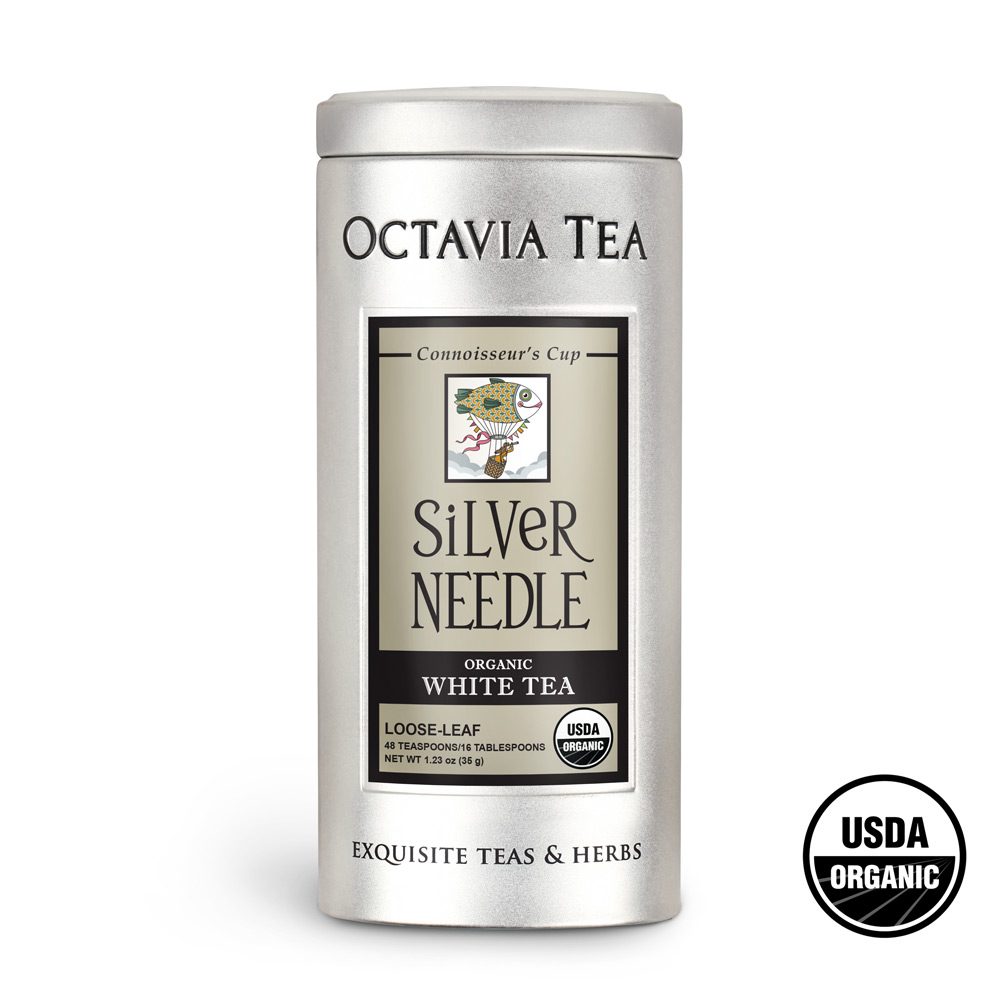


The gap between what white tea might do for your skin and what it definitely does is where most marketing lives. Start with our Intro to White Tea Sampler to find your favorite, and enjoy free domestic shipping on retail orders over $65.
Frequently Asked Questions
Can drinking white tea improve your skin?
White tea contains polyphenols and catechins, which are antioxidants that help protect skin cells from free radical damage linked to premature aging. While no drink replaces sunscreen or a solid skin care routine, regularly drinking white tea can support skin health from within. The evidence is promising but not conclusive, so treat it as one helpful habit among others rather than a standalone fix.
Does white tea contain caffeine?
Yes, white tea contains caffeine, though typically less than black tea or coffee. The exact amount varies by leaf grade, growing conditions, and how long you steep it. Silver Needle, made only from young buds, tends to have lower caffeine than teas made from older leaves. If you are sensitive to caffeine, steep for shorter times and avoid drinking it late in the day.
Which is better for you, green tea or white tea?
Both come from the same plant and offer antioxidants, but they are processed differently. White tea is minimally processed, using young buds and leaves, which some research suggests may preserve higher levels of certain polyphenols. Green tea has been studied more extensively. For skin support, either is a good choice. What matters most is drinking tea you enjoy consistently.
Can white tea help protect skin from sun damage?
White tea's antioxidants may help reduce oxidative stress caused by UV exposure, but drinking it is not a substitute for sunscreen. Some research on white tea extract applied topically suggests it may support skin protection, but those studies do not mean that drinking a cup offers the same effect. Use sunscreen as your primary defense and enjoy white tea as a complementary habit.
Is white tea good for acne-prone skin?
White tea's anti-inflammatory compounds may help calm skin, and its antioxidants can support the skin's natural repair processes. However, acne has multiple causes, including hormones and bacteria, that tea alone will not address. If you have acne-prone skin, white tea can be part of a broader routine that includes gentle cleansing and dermatologist-recommended treatments.


Octavia Tea Sign In
Create New Account