























Silver Needle White Tea: A Complete Guide

Table of Contents
- What Makes Silver Needle White Tea So Coveted
- The Flavor Profile of Silver Needle White Tea
- Health Benefits of White Tea: What the Buds Offer
- Mastering the White Tea Brewing Temperature
- How to Store Loose Leaf Tea for Maximum Freshness
- Spotting Authentic Silver Needle and Avoiding Fakes
- Conclusion: Savoring the Quiet Luxury of Silver Needle
- Frequently Asked Questions
Last Updated: September 7, 2026
Silver needle white tea is the highest grade of white tea, made exclusively from the unopened, first-flush buds of the Camellia sinensis plant. These silvery buds are hand-picked for only a few days each spring in the mountains of Fujian Province, where the cool, misty climate slows growth and concentrates flavor. This guide covers its flavor profile, brewing temperature, authenticity, and storage.
Most people’s first sip of silver needle is a surprise: instead of something grassy or bitter, they find a clear, delicate infusion with a nectar-like sweetness and a mellow, lingering finish. That quiet complexity is why this tea has been coveted for centuries and commands a premium price.
What Makes Silver Needle White Tea So Coveted
Silver needle white tea is prized because it is one of the rarest and most labor-intensive teas in the world, using only plump, downy buds harvested before they open.
The Harvest: A Few Days of Spring
The entire harvest window lasts just a few days each spring. Workers rise before dawn to pluck each bud by hand, selecting only those covered in fine white trichomes, the tiny hairs that give the tea its silvery appearance and protect the young leaf. Because the yield is so small and the labor so precise, production is naturally limited, which is why authentic silver needle is never cheap.
Reading the Leaves: Appearance and Aroma
Authentic silver needle buds are plump, needle-like, and covered in a dense coat of downy hairs. In the dry leaf, you should smell a fresh, clean scent with hints of hay and wildflower. After steeping, the aroma opens into honeysuckle and delicate floral notes, a clear sign of a high-quality harvest.
The Flavor Profile of Silver Needle White Tea
The flavor of silver needle white tea is defined by its evanescent sweetness and absence of astringency. The infusion is light-bodied and crystal clear, with an aroma profile that shifts from fresh vegetal notes to honeysuckle, honey undertones, and a whisper of melon as it cools.
Because the buds are minimally processed and only lightly oxidized, they retain remarkable amounts of natural sugars and amino acids, giving the tea its signature soft, almost silky mouthfeel with no bitterness even if you push the steeping time slightly. The finish is clean and lingering, a subtle sweetness that stays on the palate long after the cup is empty.
Health Benefits of White Tea: What the Buds Offer
White tea is the least processed of all tea types, which means it retains a high concentration of the natural compounds found in the fresh leaf. The health benefits of white tea stem largely from its antioxidant content, particularly polyphenols and catechins, which are present in higher concentrations in the young buds than in mature leaves.
Silver needle also contains the amino acid L-theanine, which promotes a state of calm focus without the jittery crash often associated with other caffeinated drinks. The caffeine levels in white tea are generally lower than in black or green tea, making it a gentle option for those sensitive to stimulants. While research continues to explore the full scope of these effects, the general consensus documented by the National Institutes of Health’s tea compound database supports the role of tea polyphenols in supporting overall wellness as part of a balanced diet.
Mastering the White Tea Brewing Temperature
The correct white tea brewing temperature is lower than most people assume, typically between 160°F and 175°F. Water that is fully boiling, around 212°F, will scorch the delicate buds and produce a flat, bitter cup that loses all its sweetness. But temperature is only one variable; the mineral profile of your water and the material of your vessel play equally decisive roles.
The Mineral Chemistry of Your Water
Most guides stop at "use filtered water," but the dissolved solids in your tap water actively compete with the tea leaf for your palate. Hard water, above 120 mg/L of calcium carbonate, contains calcium and magnesium ions that bind to the polyphenols and catechins, flattening perceived sweetness and creating a dull, heavy mouthfeel (sciencedirect.com). Water that is too soft can make the cup taste hollow because there are no minerals to carry aromatic compounds to your nose.
Enthusiasts typically brew with water that has a total dissolved solids (TDS) reading between 50 and 150 ppm. If your tap water is hard, a countertop pitcher filter that removes calcium and magnesium will brighten the cup. If your municipal supply uses chlorine or chloramine, let the water sit in an open pitcher for an hour before boiling, or use a carbon filter. Bottled spring water with moderate mineral content is the most reliable choice.
Tea Ware: How Material Shapes the Experience
The vessel you choose is a tool that selectively transmits or absorbs the volatile compounds responsible for silver needle's aroma. Here is how the three most common materials compare:
- Glass (borosilicate or soda-lime): Chemically inert and non-porous, glass does not absorb or impart any flavor. Its primary advantage is visual: you can watch the buds unfurl and the liquor turn a luminous, pale gold. This is the best choice for a first tasting, because it lets you correlate the visual progression of the steep with the flavor development. The downside is heat retention; glass loses heat faster than porcelain, so pre-warm the vessel with hot water to maintain a stable steeping temperature.
- Porcelain (glazed): The traditional material for a gaiwan, glazed porcelain is also non-porous and neutral, but its thicker walls retain heat more steadily than glass. This makes it ideal for multiple infusions, as the temperature stays consistent across a 3- to 5-minute steep. The glaze also provides a bright white interior that lets you see the true color of the liquor, essential for assessing quality.
- Unglazed clay (Yixing or similar): This is the one material to avoid for silver needle. Unglazed clay is porous and absorbs the oils and aromatic compounds from every tea brewed in it. Over time, a clay pot becomes seasoned with the flavor of whatever was brewed previously. For a heavily oxidized tea like pu-erh, this seasoning adds complexity; for silver needle, it mutes the delicate floral and honey notes, leaving a flat, indistinct cup. Dedicate clay pots to darker teas and use glass or porcelain for your white tea.
A Practical Brewing Protocol for Multiple Infusions
Silver needle rewards a longer steep at a lower temperature without extracting harsh tannins. For a gaiwan or small teapot (100-150 mL), use 3 to 4 grams of dry leaf (roughly one heaping tablespoon). Heat water to 170°F, pour over the buds, and steep for 3 minutes for the first infusion. Extend the second infusion to 4 minutes and a third to 5 minutes; each round reveals a different facet, from fresh vegetal notes to deeper honey sweetness. For a single 8-ounce mug, use one tablespoon of leaf and a 4-minute steep.
How to Store Loose Leaf Tea for Maximum Freshness
Knowing how to store loose leaf tea properly is essential to preserving its delicate character. Silver needle is particularly susceptible to light, air, moisture, and strong odors, all of which degrade its subtle flavors.
The best method is to keep the tea in an airtight, opaque container, stored in a cool, dark place away from the stove or spice rack. Avoid clear glass jars on sunny counters, as UV light breaks down the polyphenols and causes the leaves to lose their freshness quickly. When stored correctly, silver needle can retain its quality for up to two years, though it is best enjoyed within six to twelve months of harvest. A common mistake is refrigerating the tea; the moisture in a fridge will ruin the dry leaves faster than leaving them at room temperature.
Spotting Authentic Silver Needle and Avoiding Fakes
Authentic silver needle white tea is easy to identify once you know what to look for, but the market is full of substitutes that look similar at a glance. Many lower-grade white teas, or even young green tea buds, are sold under the silver needle name. The financial incentive is significant: authentic Baihao Yinzhen from Fuding or Zhenghe in Fujian Province commands a premium, while substitutes sell for a fraction of that, driving a steady supply of mislabeled product.
The Four-Point Authenticity Check
1. Examine the dry leaf structure. Authentic silver needle consists of large, plump buds that are uniformly sized, typically 1 to 1.5 inches long, each covered in a dense coat of fine white trichomes. Run a small amount between your fingers; real silver needle feels soft and slightly velvety, not brittle or prickly. A mix of buds and small leaves, or thin, spindly buds, indicates a lower grade of white tea (often sold as "Shou Mei" or "Bai Mu Dan") or a young green tea.
2. Assess the dry leaf aroma. High-quality silver needle has a clean, fresh scent with hints of hay, wildflower, and a subtle sweetness reminiscent of fresh-cut grass. If the dry leaf smells grassy, vegetal, or like cooked spinach, it is likely a green tea that has been pan-fired or roasted to stop oxidation, a process that destroys the delicate white tea character. A musty or sour smell indicates poor storage or old leaf.
3. Brew it and observe the liquor color and leaf behavior. Authentic silver needle brews to a very pale, almost clear yellow-gold, even after a 4- to 5-minute steep. If the liquor turns deep yellow, amber, or green, the tea has been oxidized or processed differently. The buds should slowly unfurl over several minutes, releasing their pale golden color gradually. Green tea buds will infuse quickly, producing a greenish-yellow liquor within the first minute. Authentic silver needle buds will remain intact after steeping; if they disintegrate into a mush, they are likely lower-grade leaf fragments.
4. Taste for the signature mouthfeel. Authentic silver needle has a soft, almost silky mouthfeel with no bitterness or astringency, even if you push the steeping time to 5 or 6 minutes. The flavor is clean and sweet, with notes of honeysuckle, honey, and a whisper of melon. A bitter, grassy, or drying cup is not authentic silver needle; green tea buds produce a vegetal, slightly astringent cup that lacks the creamy, coating mouthfeel of true white tea.
Red Flags in Labeling and Pricing
The U.S. Food and Drug Administration’s guidance on food labeling notes that accurate product descriptions are critical for consumer trust, but labeling alone is not a guarantee. Look for these specific red flags:
- Vague origin statements: A reputable seller should state the specific region (e.g., Fuding, Zhenghe, or Jianyang in Fujian Province) and the harvest year. "China" or "Fujian" alone is insufficient.
- Suspiciously low pricing: If a vendor is selling "Silver Needle" for a suspiciously low price, it is almost certainly a lower-grade white tea or a green tea substitute. The hand-picking labor alone makes authentic silver needle uneconomical at a very low price.
- Harvest date missing: Silver needle is a spring tea, harvested in March or early April. If the package does not state a harvest year or season, the tea may be old stock that has lost its freshness.
- Uniform, machine-cut appearance: Authentic silver needle is hand-plucked, so the buds will have slight natural variation in length and thickness. If every bud is exactly the same length and shape, it may have been machine-harvested and sorted, which is not the traditional method.
The Role of Certification and Direct Sourcing
Third-party certifications provide an additional layer of assurance, though they do not verify the tea's grade or varietal. USDA organic certification confirms the tea was grown without synthetic pesticides or fertilizers, but it does not confirm the leaf is authentic Baihao Yinzhen. The most reliable way to ensure authenticity is to purchase from a specialty tea vendor that sources directly from known estates in Fujian and can provide harvest documentation, including the specific village or mountain, the cultivar (typically Fuding Da Bai or Zhenghe Da Bai), and the harvest date. If a seller cannot answer these questions, treat the product with skepticism.
Conclusion: Savoring the Quiet Luxury of Silver Needle
Silver needle white tea rewards those who slow down. It asks for a gentler water temperature, a longer steep, and a moment of attention that most beverages never require, a quiet ritual that is part of its appeal.
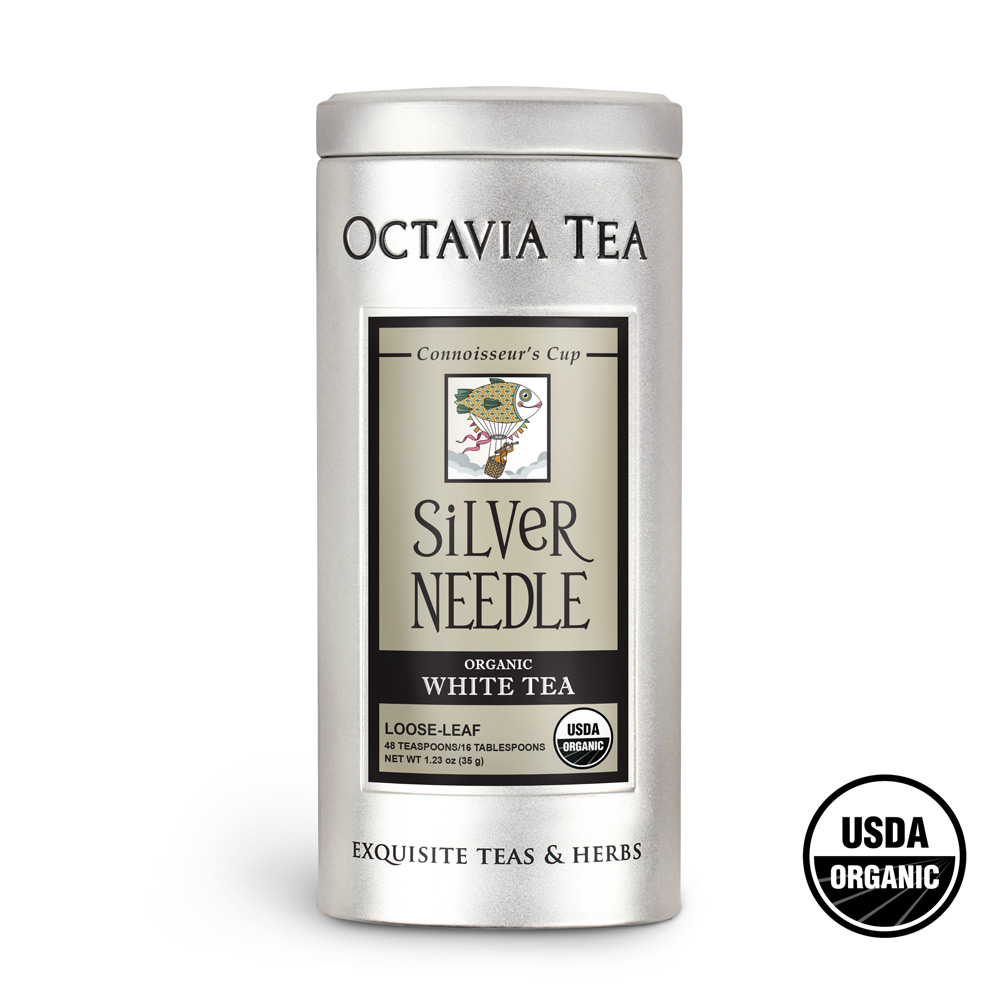
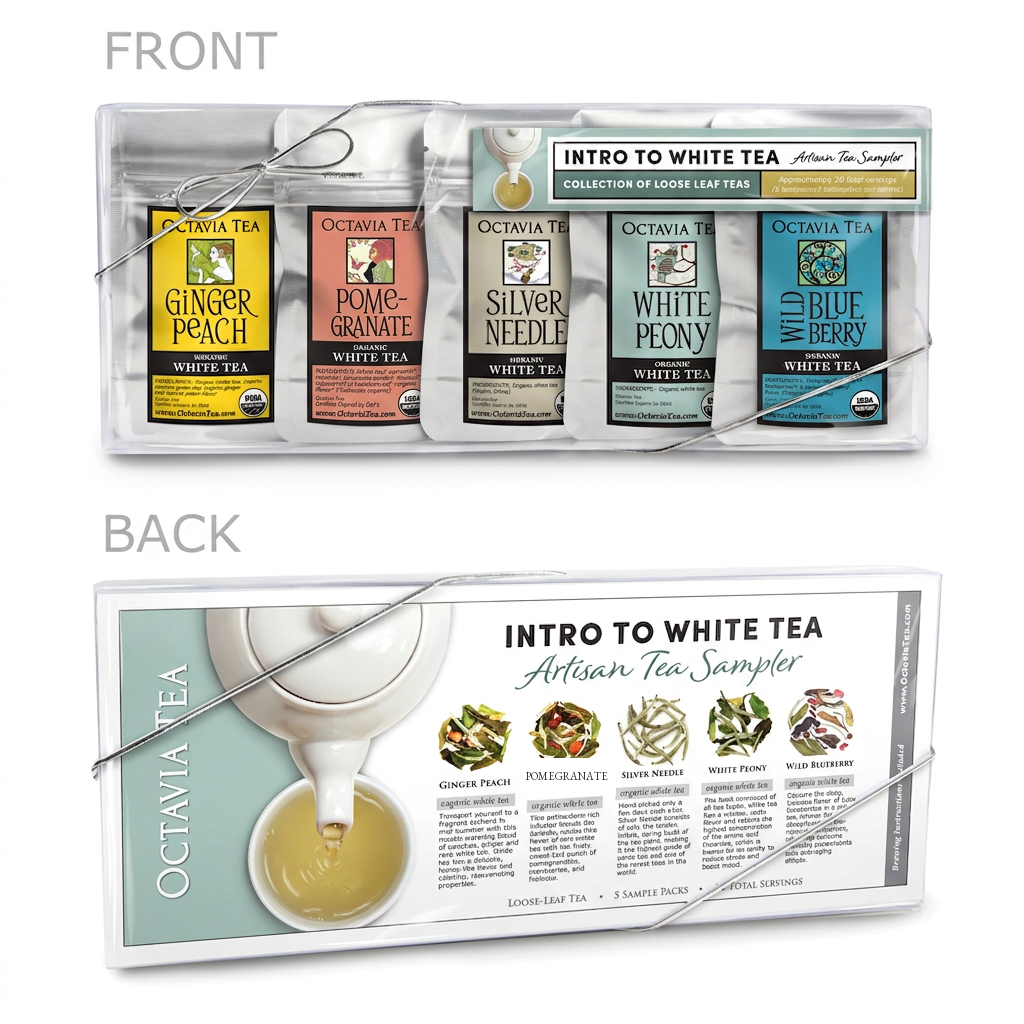
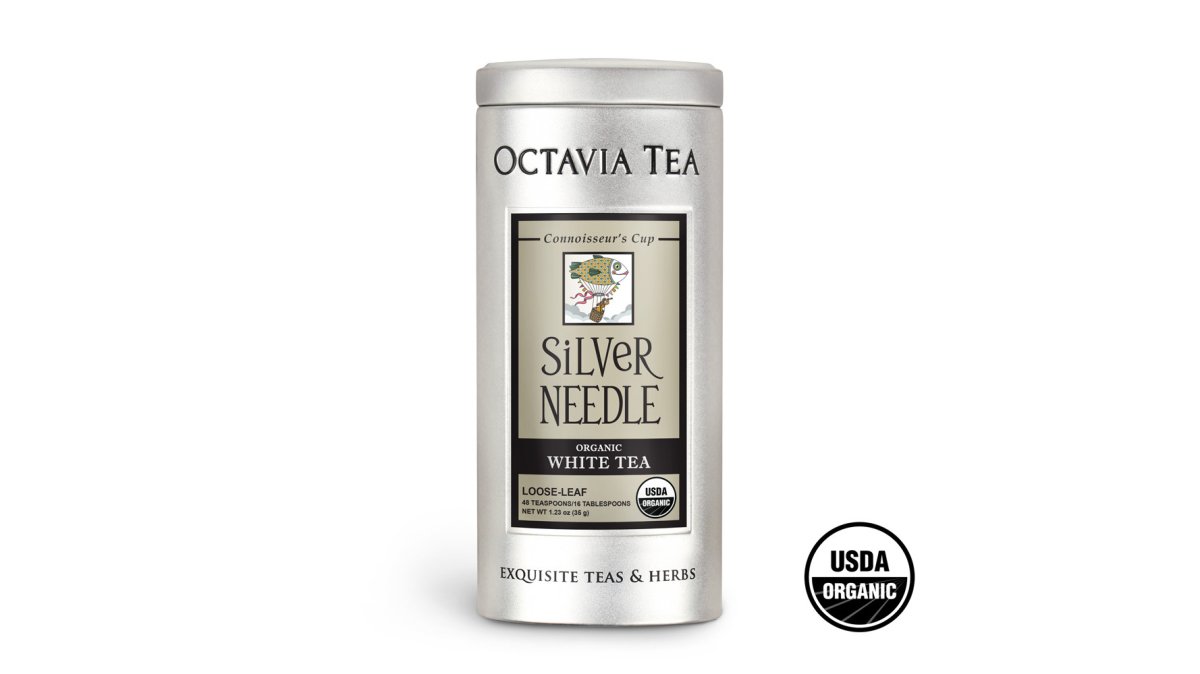
At Octavia Tea, we source our organic Silver Needle directly from estate gardens, ensuring you receive the freshest, highest-grade buds each season. Our USDA certified organic loose leaf teas are hand-blended with no artificial ingredients, so you can trust the purity of every cup. Explore our collection of premium white teas and discover the subtle depth of this extraordinary leaf.
Frequently Asked Questions
What is silver needle white tea good for?
Silver needle white tea is prized for its high concentration of antioxidants and polyphenols, which support overall wellness. It also contains the amino acid L-theanine, promoting calm focus without the jitters often associated with coffee. Because it is minimally processed, it retains more of its natural catechins. For a daily ritual, it offers a clean source of hydration with a subtle caffeine lift. Many people enjoy it as part of a mindful morning routine.
Is Silver Needle tea the same as white tea?
Silver Needle, also known as Baihao Yinzhen, is a specific and highest grade of white tea, not a synonym for all white tea. White tea is a category defined by minimal oxidation. Silver Needle is made exclusively from the unopened leaf buds harvested in early spring. Other white teas, like White Peony, include both buds and mature leaves, which gives them a deeper flavor and darker infusion.
Why is Silver Needle tea so expensive?
The price reflects the labor-intensive harvest and limited yield. Authentic Silver Needle is hand-picked for only a few days each spring in Fujian Province, and only the plumpest, downy buds are selected. A single pound requires hundreds of thousands of buds picked by hand. This meticulous process, combined with high global demand, naturally drives up the cost compared to other teas.
Does Silver Needle white tea contain caffeine?
Yes, Silver Needle white tea contains caffeine, though typically less than black tea or coffee. A cup brewed with about 2 grams of leaf for 3 minutes usually contains between 15 and 30 milligrams of caffeine. The presence of L-theanine moderates the stimulant effect, providing a gentle, sustained energy lift. For the lowest caffeine, use a cooler water temperature and a shorter steeping time.


Octavia Tea Sign In
Create New Account