























Matcha vs Green Tea Powder: Key Differences

Table of Contents
- Matcha vs Green Tea Powder: What's the Real Difference?
- Quick Comparison Table: Matcha vs Green Tea Powder
- Caffeine Content in Matcha vs Green Tea
- Culinary Grade vs Ceremonial Grade Matcha: Which Do You Need?
- How to Identify High Quality Organic Tea
- Flavor, Preparation, and How to Choose
- The Bottom Line: Which One Should You Drink?
- Frequently Asked Questions
Last Updated: September 8, 2026
Matcha vs Green Tea Powder: What's the Real Difference?
Matcha and green tea powder come from the same plant, but they are not interchangeable ingredients. The core matcha vs green tea powder differences begin before harvest: matcha plants are shade-grown for several weeks, which boosts chlorophyll and amino acid production, while standard green tea leaves grow in full sun and are typically sold whole or bagged. At Octavia Tea, we source both forms directly from estate gardens, and the distinction matters more than most casual drinkers realize.
Green tea powder is a broad category that includes any dried green tea leaf ground into a powder, often from sencha or other sun-grown varieties. Matcha is a specific type of green tea powder made exclusively from tencha leaves that are shade-grown, steamed, de-veined, and stone-ground into a fine, vibrant powder. The result is a tea you consume whole rather than steep and discard, which changes everything about its flavor, nutrition, and energy profile.
The practical takeaway: if you want the concentrated experience and documented wellness ritual, choose matcha. If you want a quick, mild cup, standard green tea powder or loose leaf will serve you fine. Below, we break down exactly how to decide, including quality grading and preparation methods most guides skip.
A ceramic matcha bowl filled with vibrant green matcha powder beside a bamboo whisk, with a glass teapot of steeped green tea leaves behind it on a wooden table in soft natural light
Quick Comparison Table: Matcha vs Green Tea Powder
Feature | Matcha | Green Tea Powder |
|---|---|---|
Cultivation | Shade-grown (tencha) | Sun-grown (sencha, etc.) |
Processing | Stone-ground whole leaf | Ground whole leaf or stems |
Flavor | Umami, vegetal, sweet | Grassy, lighter, sometimes bitter |
Caffeine | Moderate, sustained with L-theanine | Lower, quicker release |
Preparation | Whisked into water | Steeped or blended |
Nutrient intake | Full leaf consumed | Leaf discarded after steeping |
Best for | Ceremony, lattes, focused energy | Everyday sipping, cooking |
Caffeine Content in Matcha vs Green Tea
Caffeine content in matcha vs green tea follows a clear pattern: matcha delivers more caffeine per serving because you ingest the entire leaf. A standard matcha serving of one teaspoon provides a moderate caffeine boost, roughly comparable to a small cup of coffee but with a distinctly smoother delivery (PubMed).
What sets matcha apart is L-theanine, an amino acid that develops during shade-growing. L-theanine promotes relaxation without drowsiness, which is why matcha drinkers often describe a "focused calm" rather than the jittery spike associated with coffee. Standard green tea powder, by contrast, offers less caffeine and lower L-theanine because the leaves are sun-grown and typically steeped rather than consumed whole.
For those sensitive to caffeine, standard green tea is the gentler option. For anyone seeking sustained mental clarity through a morning ritual, matcha's combination of caffeine and L-theanine is the reason it has become the preferred choice in tea ceremonies and modern wellness routines alike.
Culinary Grade vs Ceremonial Grade Matcha: Which Do You Need?
The culinary grade vs ceremonial grade matcha question comes down to how you plan to use it. But the distinction is more than just a label; it's a spectrum of quality that directly impacts flavor, color, and price. Understanding the full grading system is the key to avoiding low-quality products and getting the most value for your money.
Ceremonial grade matcha is the highest tier. It is harvested from the youngest leaves at the top of the tea plant, which are shade-grown for 20-30 days to maximize chlorophyll and L-theanine. These leaves are then steamed, de-veined, and stone-ground into a powder so fine it feels like talc. The result is a vibrant, spring-green powder with a naturally sweet, umami flavor and a smooth, creamy mouthfeel with no bitterness. This grade is intended to be whisked with water and enjoyed on its own, as any addition of milk or sweetener would mask its delicate character.
Culinary grade matcha is a broader category that encompasses everything below ceremonial. It is typically made from older leaves, further down the stem, which have a higher chlorophyll content but also more tannins. This gives it a more assertive, astringent, and sometimes bitter flavor profile. The color is often a deeper, more yellow-green. This robustness is precisely why it's ideal for cooking and baking, it can stand up to the flavors of milk, sugar, chocolate, and other ingredients without getting lost.
Here is a practical breakdown of the grades you will commonly find:
- Ceremonial Grade: The highest quality. Best for drinking straight, traditional tea ceremonies, and high-end lattes where you want the purest flavor.
- Premium Grade: A step below ceremonial. It's still excellent for drinking with water, but may have a slightly less refined flavor or texture. A good value for daily matcha lattes.
- Culinary Grade: The workhorse. Best for smoothies, baked goods, sauces, and any recipe where matcha is an ingredient, not the star. Its stronger flavor ensures it comes through in the final dish.
A common mistake is using expensive ceremonial grade matcha in baking, where heat and sugar will destroy its delicate flavor and vibrant color. Conversely, using culinary grade for a traditional bowl will result in a bitter, unpleasant experience. Match the grade to the application, and you will get better results at a better price.
Beyond the grade, a key indicator of quality is the harvest date. A package with a clear harvest date is a sign of a transparent, quality-focused producer. A product with only a 'best by' date that is years away is likely old and will taste dull and flat.
How to Identify High Quality Organic Tea
Learning how to identify high quality organic tea protects you from dull, stale, or artificially colored products. For matcha specifically, look for a vivid, spring-green color; dull yellow or brown tones signal oxidation or age. The texture should be fine and silky, similar to baby powder, not gritty.
Certification matters. USDA certified organic guarantees the tea was grown without synthetic pesticides, and third-party verification provides accountability (usda.gov). At Octavia Tea, every blend we offer is USDA certified organic, sourced directly from estate gardens we know by name, with no artificial ingredients added.
Sourcing transparency is another signal. Quality producers share harvest information and origin details. If a brand cannot tell you where its tea was grown or when it was harvested, that is a red flag. Freshness directly affects both flavor and nutrient density, so buy from suppliers who move inventory quickly.
Flavor, Preparation, and How to Choose
Flavor is where the matcha vs green tea powder differences become undeniable. Matcha offers a rich umami character with a sweet, vegetal finish, thanks to the amino acids concentrated by shade-growing. Standard green tea powder tastes lighter and grassier, with more astringency and tannins if over-steeped.
Preparation separates the two completely. Matcha requires whisking, ideally with a bamboo chasen, to create a smooth suspension rather than a clumpy sediment. The standard ratio is one teaspoon of powder to two to six ounces of water at 170-180°F, whisked in a zigzag motion for about forty seconds until frothy. Standard green tea steeps in hot water for one to three minutes, then the leaves are removed.
How to choose depends on your routine. If you want a mindful, energy-sustaining ritual with maximum antioxidant intake, matcha is the answer. If you prefer a quick, lighter cup or need an ingredient for cooking, standard green tea powder is more practical.
The Critical Factor Most Guides Skip: Storage and Shelf Life
Once you've chosen your tea, proper storage is the single most important factor in preserving its quality. Both matcha and green tea powder are highly perishable because they are ground leaves with a vast surface area exposed to air, light, and moisture. Oxidation begins the moment the package is opened, degrading flavor, color, and nutrient content.
Here is how to protect your investment and ensure every cup tastes as fresh as the first:
- The Enemy is Oxygen, Light, and Heat. Store your powder in an airtight, opaque container. A sealed tin or a dark glass jar is ideal. Never leave it in a clear plastic bag or a container on your counter in direct sunlight.
- Refrigerate for Longevity. For optimal freshness, store your matcha or green tea powder in the refrigerator. The cool, dark, and stable environment significantly slows down the oxidation process. This is a common practice among tea professionals and purists.
- The Condensation Trap. A major mistake is taking the container in and out of the fridge repeatedly. This causes condensation to form inside the container, introducing moisture, which is the fastest way to ruin the powder. If you refrigerate, let the container sit at room temperature for 15-20 minutes before opening it to allow any condensation to evaporate.
- Use It or Lose It. Write the opening date on the container to track its age.
By mastering storage, you ensure that the nuanced flavors and health benefits you paid for are actually in your cup. This is the difference between a mediocre experience and a truly exceptional one, and it's a detail that most general guides overlook.
The Bottom Line: Which One Should You Drink?
Drink matcha if you want the most concentrated form of green tea, with higher antioxidant and L-theanine levels, a smooth energy lift, and a ritual that rewards attention. Drink standard green tea powder if you want simplicity, lower caffeine, and a more forgiving cup.
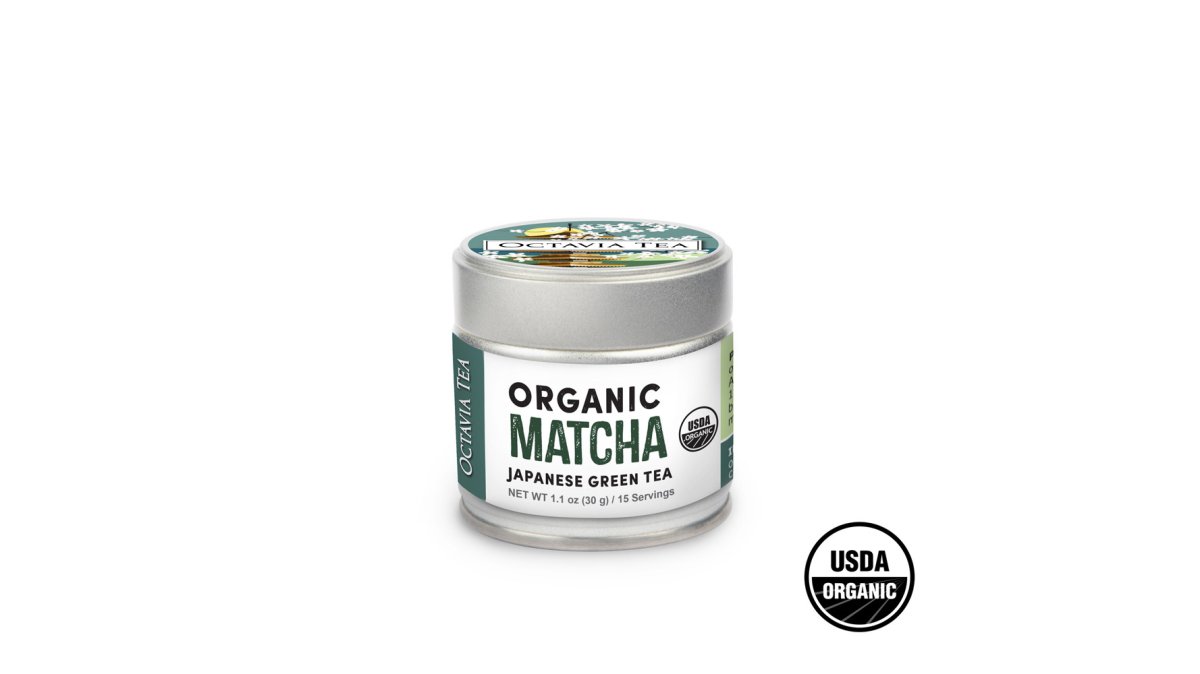
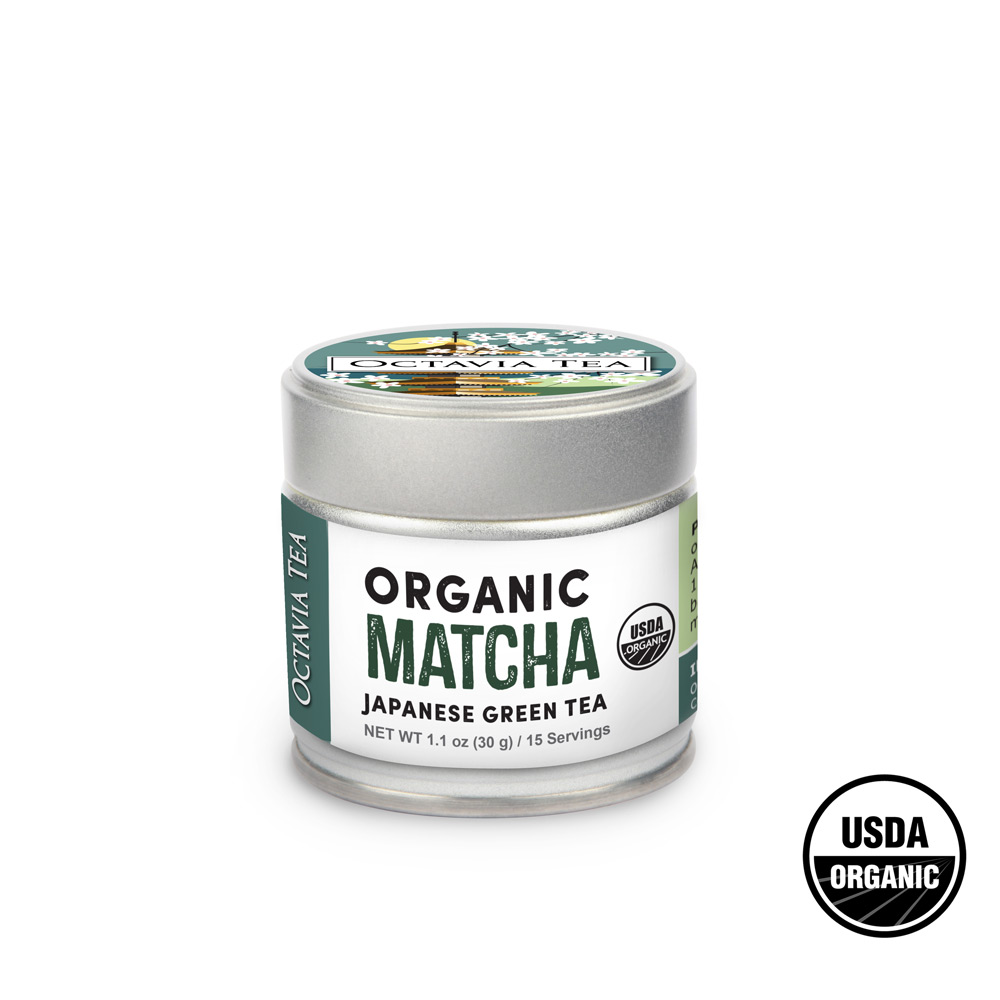
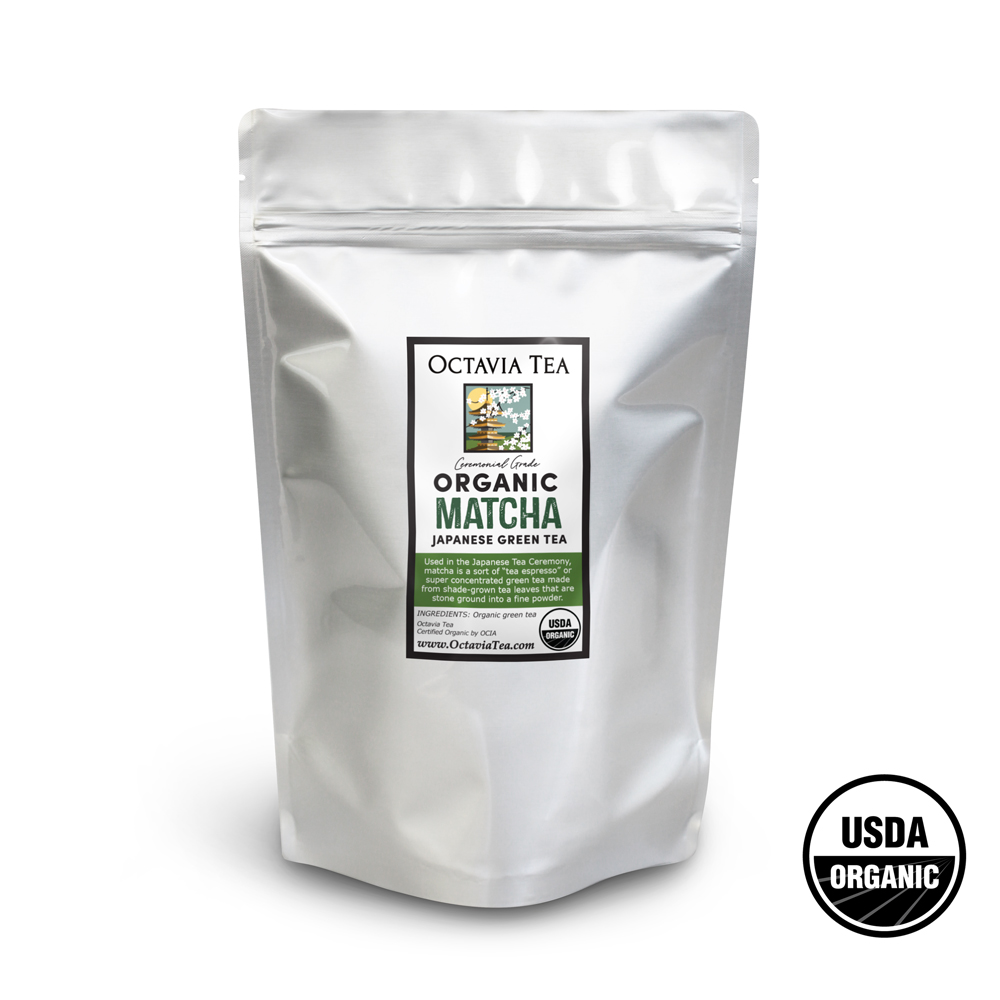
Quality determines the experience in both cases. Seek out organic, fresh, properly stored tea, and match the grade to how you prepare it. For ceremonial grade matcha, our Matcha Powder at $48.00 is stone-ground from shade-grown leaves and delivers the vibrant color and umami flavor that define the category. Wholesale partners can explore our Matcha bulk 100 g option, and the Bamboo Whisk (Chasen) at $15.99, hand-split in Japan, makes preparation effortless.
Choosing between matcha and green tea powder does not have to be complicated once you understand the cultivation, processing, and flavor differences. Matcha rewards those who want intensity and ritual, while standard green tea powder suits everyday simplicity. At Octavia Tea, we source over 120 organic loose leaf teas directly from estate gardens, hand-blending only with natural flavor essences and pure essential oils, so you can trust the quality in every cup. Get started with Octavia Tea and find the green tea that fits your daily ritual.
Frequently Asked Questions
Which is healthier, green tea or matcha powder?
Matcha is generally considered healthier because you consume the entire leaf. When you whisk matcha into water, you ingest the powdered leaves, delivering a more concentrated dose of antioxidants, vitamins, and amino acids like L-theanine. Regular green tea involves steeping leaves and discarding them, so you get only a fraction of the nutrients. The shade-growing process for matcha also boosts its chlorophyll and EGCG content, making it a more potent source of these protective compounds.
Is green tea powder the same as matcha powder?
No, they are not the same. True matcha comes from shade-grown tea leaves (tencha) that are steamed, dried, and slowly ground on granite stones into a fine powder. Regular green tea powder is often made from sun-grown leaves and may be ground more coarsely. This difference in cultivation changes the flavor, color, and nutrient profile. Authentic matcha has a vibrant green color, a sweet umami taste, and higher levels of chlorophyll and L-theanine compared to standard green tea powder.
Is there a downside to drinking matcha?
The main downsides are the higher cost and the caffeine content. Because you ingest the whole leaf, matcha has more caffeine than a standard cup of steeped green tea, which can cause jitters or sleep issues for sensitive individuals. The flavor is also more intense and vegetal, which takes some getting used to. To avoid bitterness, use water around 170°F, not boiling water, and whisk the powder properly to create a smooth suspension.
How can you tell if green tea powder is authentic matcha?
Authentic matcha has a distinctive vibrant, neon-green color. Dull, yellow-green or brownish powder is likely old or low quality. The texture should be very fine, like baby powder, because it is stone-ground. When whisked with water, authentic matcha forms a creamy foam and has a sweet, umami flavor without excessive astringency. Check the label for 'ceremonial grade' and whether it specifies the leaves are shade-grown, which is a hallmark of true Japanese matcha.


Octavia Tea Sign In
Create New Account