























7 Ways to Use Matcha Powder in Baking

Table of Contents
- Why Matcha Powder Works in Baked Goods
- Culinary Grade Matcha vs Ceremonial Grade: Which One Belongs in Your Oven?
- 1. Matcha Cookies and Shortbread
- 2. Matcha Cakes, Cupcakes, and Muffins
- 3. Matcha Bread, Dough, and Pastry
- 4. Matcha Frosting, Glaze, and Cream Fillings
- 5. Matcha Ice Cream and Frozen Desserts
- 6. Matcha Pancakes, Waffles, and Breakfast Bakes
- 7. Matcha Smoothies and Lattes
- 8. Matcha Energy Balls, Truffles, and No-Bake Treats
- Frequently Asked Questions
Last Updated: September 27, 2026
Why Matcha Powder Works in Baked Goods
Matcha powder is finely stone-ground green tea that behaves in a batter much like a spice: how you handle it decides whether you get a bright green crumb or a dull, bitter one.
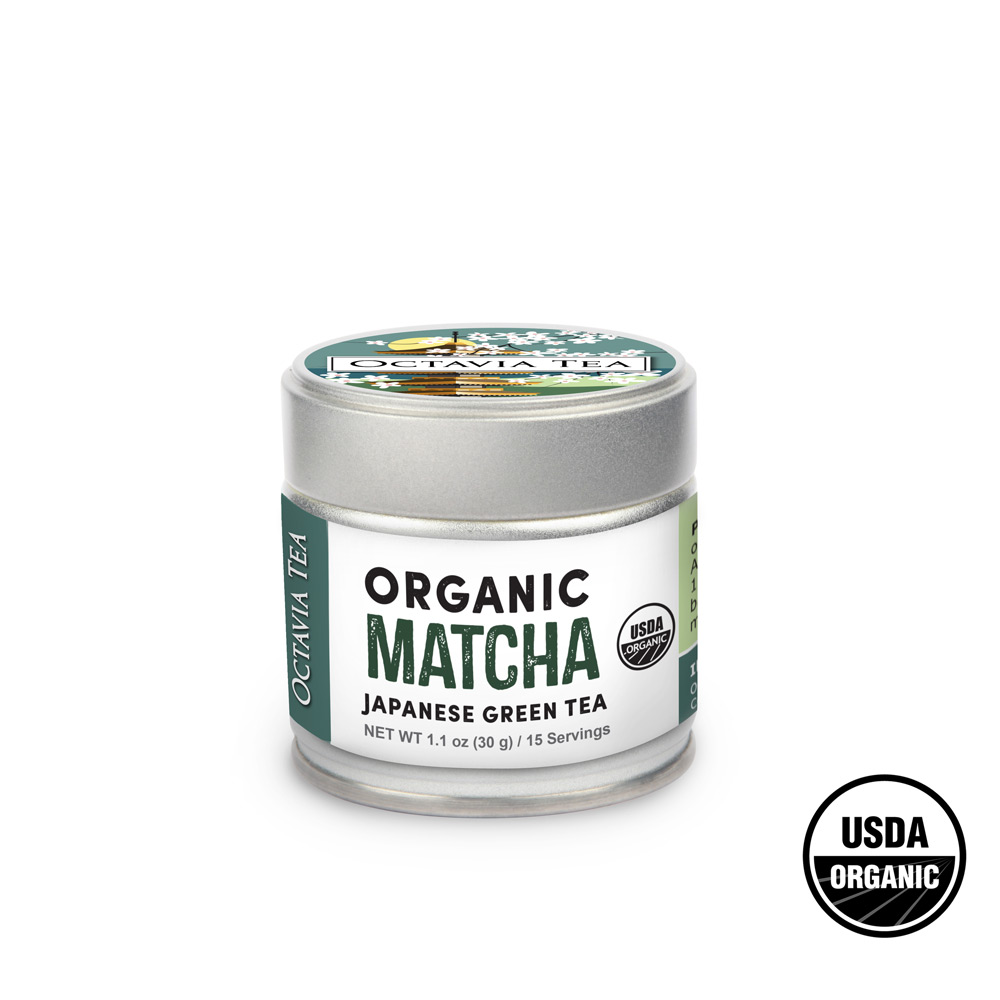
Matcha brings an earthy, vegetal note that cuts through butter and sugar, and its vivid color makes even a plain shortbread look deliberate. Because the whole leaf is ground and used, the flavor is more concentrated than steeped green tea, so you need less than you might expect.
Culinary Grade Matcha vs Ceremonial Grade: Which One Belongs in Your Oven?
For baking, culinary grade matcha is the practical choice: it holds its color and flavor when mixed with sugar, fat, and heat, and costs less than ceremonial grade.
A quick comparison:
Grade | Best For | Flavor | In the Oven |
|---|---|---|---|
Culinary | Cookies, cakes, frostings | Strong, slightly astringent | Holds color and flavor well |
Ceremonial | Drinking, no-bake desserts | Sweet, delicate, less bitter | Flavor fades under heat |
1. Matcha Cookies and Shortbread
Cookies are the easiest entry point because the dough is forgiving and the matcha flavor stays concentrated. A basic shortbread or sugar cookie dough takes one to two teaspoons of matcha powder per cup of flour without turning bitter.
Tips for Baking Cookies
- Sift matcha with the dry ingredients to prevent clumping and bitterness.
- Use one to two teaspoons per cup of flour; more than that turns the dough grassy and harsh.
- Cream the butter and sugar first, then fold in the dry mix gently to protect the color.
- Chill the dough for at least 30 minutes so the cookies hold their shape and the color sets.
- Bake at a moderate temperature; high heat browns the surface and dulls the green.
2. Matcha Cakes, Cupcakes, and Muffins
Cakes and muffins take matcha well because the batter is wet and the powder disperses evenly. Use about one tablespoon per standard cake recipe, folded into the dry ingredients before adding liquid.
Why Alkalinity Bleaches the Green
The green in matcha comes from chlorophyll, which is not a stable pigment. In an acidic or neutral batter, the magnesium at the center of the chlorophyll molecule stays put and the color reads green. Raise the pH with baking soda and that magnesium gets displaced, shifting the pigment toward pheophytin, the same olive-brown you see in overcooked green beans.
Temperature, Chlorophyll, and the Brown Crust Problem
Temperature matters just as much as pH. Chlorophyll degrades under prolonged heat, and degradation accelerates above roughly 350°F. A lower oven and a shorter bake preserve color far better than a hot, fast one. If your recipe calls for 375°F, drop it to 325°F or 350°F, add a few minutes, and watch closely. The interior stays greener; the crust will still brown.
A few more moves that protect the crumb:
- Pull the cake as soon as a tester comes out clean; every extra minute dulls the color without improving texture.
- Cool uncovered on a wire rack so steam does not trap heat against the crumb.
- A thin crumb coat of matcha buttercream hides the browned top surface and restores the green.
- For cupcakes, use paper liners rather than a bare metal tin; the liner shields the sides from direct pan heat.
Vegan and Gluten-Free Adjustments
Matcha behaves differently once you swap out wheat flour or eggs.
Egg substitutes add extra moisture and often need a longer bake to set, which means the matcha sits in the oven's heat longer and dulls faster than it would in an egg based batter. Aquafaba is also mildly alkaline, the same effect baking soda has on the crumb, so a vegan batter can bleach toward olive green faster than expected. Dropping the oven temperature another 10 to 15 degrees below what the recipe calls for with eggs helps offset the longer bake.
Gluten-free flour blends built mostly on rice flour and starches behave close to wheat and take the same one to two teaspoons of matcha per cup of flour. Blends heavy in xanthan or guar gum hold moisture longer, which slows evaporation in the oven and tends to protect the green color better than a wheat crumb baked side by side. The tradeoff is a denser, slightly gummier crumb, so start with the standard ratio and taste the batter rather than assuming a gum-heavy blend needs less matcha.
Troubleshooting Matcha Cakes
- Bitter, harsh crumb. Almost always too much powder, not bad matcha. Cut back to two teaspoons per cup of flour and taste the batter before baking.
- Grainy texture with dark specks. Unsifted matcha. Sift it with the flour, or pulse it into the sugar in a food processor before creaming.
- Gray-green, not bright green. Alkaline batter, overbaking, or both. Check your leavening and your oven temperature.
- Uneven color, darker at the edges. Pan material. Dark nonstick and cast iron conduct heat aggressively; light-colored aluminum or ceramic pans give a more even crumb.
- Flat flavor even though the color is good. The matcha is fine, but the cake needs an acid note, citrus zest, a spoonful of yogurt, or a tart fruit filling, to lift the vegetal edge.
3. Matcha Bread, Dough, and Pastry
Bread and enriched doughs reward matcha with a subtle color and a gentle earthy note. Add one to two teaspoons per loaf, mixed into the flour, and expect a more muted color than in cake because the dough bakes longer.
How Matcha Interacts with Yeast
Matcha carries polyphenols and catechins that are mildly antimicrobial, and in a wet dough they can slow the rate at which yeast multiplies. The effect is dose-dependent: a teaspoon or two per loaf is usually invisible, but push past a tablespoon and you may see a longer bulk ferment and a tighter crumb.
- Extend the bulk ferment by 20 to 30 minutes and judge the rise by feel, not by the clock.
- Use a slightly larger pinch of yeast than the base recipe calls for if you are baking a heavily matcha'd loaf.
- Keep the dough warm, around 75°F to 78°F is a good target. Cold dough plus antimicrobial powder stalls the rise.
- With sourdough, expect the starter to move more slowly through a matcha dough. Feed it an extra time before you build the dough.
Lean Doughs vs. Enriched Doughs
The fat and sugar in a dough change how much matcha flavor and color survive the bake.
A lean dough, a baguette style loaf with no fat or sugar, tends to show more bitterness and a duller color than an enriched dough, a brioche style loaf with a high share of butter and egg. Fat rounds out matcha's sharper, more bitter notes, and the eggs and butter in an enriched dough also help the crumb hold a brighter green through the bake. A lean dough exposes the matcha's rawer flavor and fades to a more olive tone by the time the crust sets.
Troubleshooting Matcha Breads
- Dough that will not rise. Check the matcha dose first, then the temperature. If both are reasonable, the yeast may be old. Matcha does not kill yeast outright, but it can slow it enough that a borderline-active yeast gives up.
- Gray-green crumb after baking. The bake ran long or hot. Pull the loaf when the internal temperature hits about 200°F for an enriched dough, and tent the top with foil if the crust is browning before the center is set.
- Bitter, grassy flavor in the finished loaf. Too much powder for the amount of fat and sugar in the dough. Halve the matcha and add a sweet element, honey, a glaze, dried fruit, to balance it.
- Uneven green streaks. The matcha was not fully dispersed. Whisk it into the liquid ingredients first, or sift it with the flour twice, before the dough comes together.
- Color that fades after a day. Matcha bread stales faster than plain bread in both flavor and color. Store it tightly wrapped at room temperature for a day, then move it to the freezer. A slice reheated in a toaster oven brings back most of the aroma, though not all of the green.
4. Matcha Frosting, Glaze, and Cream Fillings
Frostings and glazes take matcha well because there is no heat to dull the color. A buttercream, cream cheese frosting, or simple powdered sugar glaze all pick up matcha's flavor and green readily.
How Much Matcha to Use
For a glaze, start with one to two teaspoons of matcha per cup of powdered sugar, and adjust to taste from there. For buttercream, use slightly less, fat mutes matcha's flavor more than sugar alone does, so the same dose can taste sharper against butter than it does against a plain sugar glaze. Cream cheese frosting falls in between since it carries less fat than a straight buttercream.
Matcha in Fat vs. Matcha in a Batter
There is no baking or alkalinity at work in a frosting or glaze, so the risks are different from what shows up in dough or cake batter. Matcha stirred straight into cold butter or cream cheese can clump instead of dispersing evenly. Bloom it first: whisk the powder into a teaspoon or two of milk, cream, or water until smooth, then beat that paste into the fat or sugar. A frosting or glaze also has far less liquid than a cake batter, so the same amount of matcha reads more bitter here than it would once diluted through a whole cake. Start light and add more to taste.
Troubleshooting Matcha Frosting and Glaze
- Streaky or unmixed frosting. The matcha went straight into cold butter or cream cheese without blooming first. Whisk it into a small amount of liquid until smooth, then fold that paste into the fat.
- Grayish tint in cream cheese frosting. Cream cheese's tang and pale base color do not hold a clean green the way butter alone does, and a heavy hand with matcha or a long mixing time can push the color toward gray-green. Add matcha in small increments and stop as soon as the color and flavor look right.
5. Matcha Ice Cream and Frozen Desserts
A custard or no-churn cream base takes two to three teaspoons of matcha per quart, whisked into the liquid before freezing.
Avoiding Clumps in a Cold Base
Matcha can clump in a cold base the same way cocoa powder does. Whisk it into a small amount of warm milk or cream first until fully smooth, then stir that paste into the rest of the base. Sprinkling the dry powder straight into a chilled custard or cream is the most common way to end up with flecks that never fully break down.
When to Add Matcha, and Whether to Steep It
Add matcha to the base before churning, not after, so it has time to disperse evenly through the mix. Briefly steeping the matcha in warm dairy before chilling the base pulls out more flavor than stirring it into a cold base, the same way steeping tea leaves does. Warm a portion of the milk or cream, whisk in the matcha, then let the base cool fully before it goes into the machine or the freezer.
Troubleshooting Matcha Ice Cream
- Clumps or green specks in the churned base. The matcha went in dry or was added to a cold base. Bloom it in warm liquid first, and strain the base before churning if any clumps remain.
- Color looks duller once frozen than it did in the liquid base. This is expected. Ice crystals scatter light differently than a liquid does, so a frozen base often reads paler than it did going in, even though the amount of matcha has not changed.
6. Matcha Pancakes, Waffles, and Breakfast Bakes
Pancakes, waffles, and muffins all take one to two teaspoons in the dry mix, and the batter comes together in minutes. Because the matcha is sifted into the dry ingredients rather than dissolved into a liquid, giving the batter five to ten minutes to rest before it hits the pan or iron lets the powder finish hydrating, which helps avoid a gritty mouthfeel if any coarse particles made it past the sifter.
Waffle irons run hotter and sit in more direct, sustained contact with the batter than a griddle does, so small matcha flecks near the surface can scorch and turn bitter before the rest of the waffle has set, an effect a pancake on a moderate griddle rarely shows. In a thin batter, matcha can also settle toward the bottom if it sits too long before cooking, so give it a stir right before pouring or ladling.
7. Matcha Smoothies and Lattes
Smoothies and lattes disperse matcha into a full cup or more of liquid rather than concentrating it into a paste. Use about half a teaspoon to one teaspoon of matcha per 8 to 12 ounces of liquid: closer to a half teaspoon for a milder latte, closer to a full teaspoon for a stronger, more vegetal smoothie.
Matcha is notorious for clumping when it's stirred straight into a full glass of cold milk or juice, since the fine powder resists wetting out on its own. It mixes in far more evenly if you first whisk or blend it into a small splash of liquid, just enough to form a smooth paste, using a zigzag motion with a bamboo whisk or a few seconds in a blender, before adding the rest of the liquid.
8. Matcha Energy Balls, Truffles, and No-Bake Treats
No-bake treats like energy balls and truffles behave more like a frosting than a smoothie: the matcha goes into a dense paste of nut butter, dates, or coconut oil rather than into a large volume of liquid. That concentration is part of why these treats keep such a vivid color, since there's no oven and no heat to dull the green, but it's also why uneven mixing shows up as visible streaks or darker flecks instead of just blending away.
Work the matcha into the fat and sugar in small additions, pressing out clumps as you go, rather than dumping it in all at once. Added gradually this way, the color and flavor come through evenly once the mixture is rolled.
Frequently Asked Questions
What can I bake with matcha powder?
Matcha powder works in cookies, cakes, cupcakes, muffins, breads, pastry dough, frosting, ice cream, pancakes, waffles, and no-bake energy bites. Its earthy flavor pairs well with white chocolate, vanilla, citrus, and coconut. For best results, sift the matcha before mixing it into dry ingredients to prevent clumping and ensure even color distribution throughout the batter or dough.
How do you incorporate matcha powder into cake batter without clumping?
Always sift matcha powder through a fine mesh strainer before adding it to your dry ingredients. Matcha tends to form small clumps during storage, and whisking alone will not break them up. Sifting ensures the powder disperses evenly, giving you a smooth batter and consistent green color. A matcha sifter designed for fine powder works well here, or you can use any fine kitchen strainer.
Does heat affect the flavor of matcha powder in baking?
Yes. High heat can dull matcha's bright, vegetal flavor and cause the vibrant green hue to fade toward brown. Keep oven temperatures at or below 350°F when possible, and avoid overbaking. Adding matcha to frostings, glazes, or no-bake fillings preserves both color and flavor because those applications skip the oven entirely.
What ingredients pair best with matcha in desserts?
White chocolate, vanilla, coconut, lemon, lime, and almond complement matcha's earthy, umami notes. Dairy fats like butter and cream soften matcha's bitterness. For a matcha flavor pairing guide, think of it this way: sweet and creamy ingredients balance the grassy edge, while bright citrus lifts the vegetal notes. Avoid strongly acidic additions in large amounts, which can turn the green dull.
Can I substitute matcha powder for cocoa powder in recipes?
You can swap matcha for cocoa in some recipes, but the results differ significantly. Matcha is less dense and more bitter than cocoa, so start with about three-quarters of the cocoa amount and adjust. Matcha also lacks cocoa's fat content, so your bake may need extra moisture. Start with recipes designed for matcha rather than converting a chocolate recipe outright.


Octavia Tea Sign In
Create New Account