























Organic Black Tea vs Pu-erh Tea: Benefits Compared
September 26, 2026

Table of Contents
- Black Tea vs Pu-erh Tea: The Quick Comparison
- How Processing Shapes Each Tea: Oxidation vs Microbial Fermentation
- Caffeine, Antioxidants, and Your Metabolism
- Flavor Profiles and Daily Drinking Experience
- How to Identify High Quality Organic Loose Leaf Tea
- Pu-erh Tea Brewing Best Practices
- Frequently Asked Questions
Last Updated: September 26, 2026
Black Tea vs Pu-erh Tea: The Quick Comparison
Both come from the Camellia sinensis plant, but one is fully oxidized and the other is post-fermented by microbes. That difference shapes a lot: caffeine feel, antioxidants profile, flavor, and how each tea fits into your day.
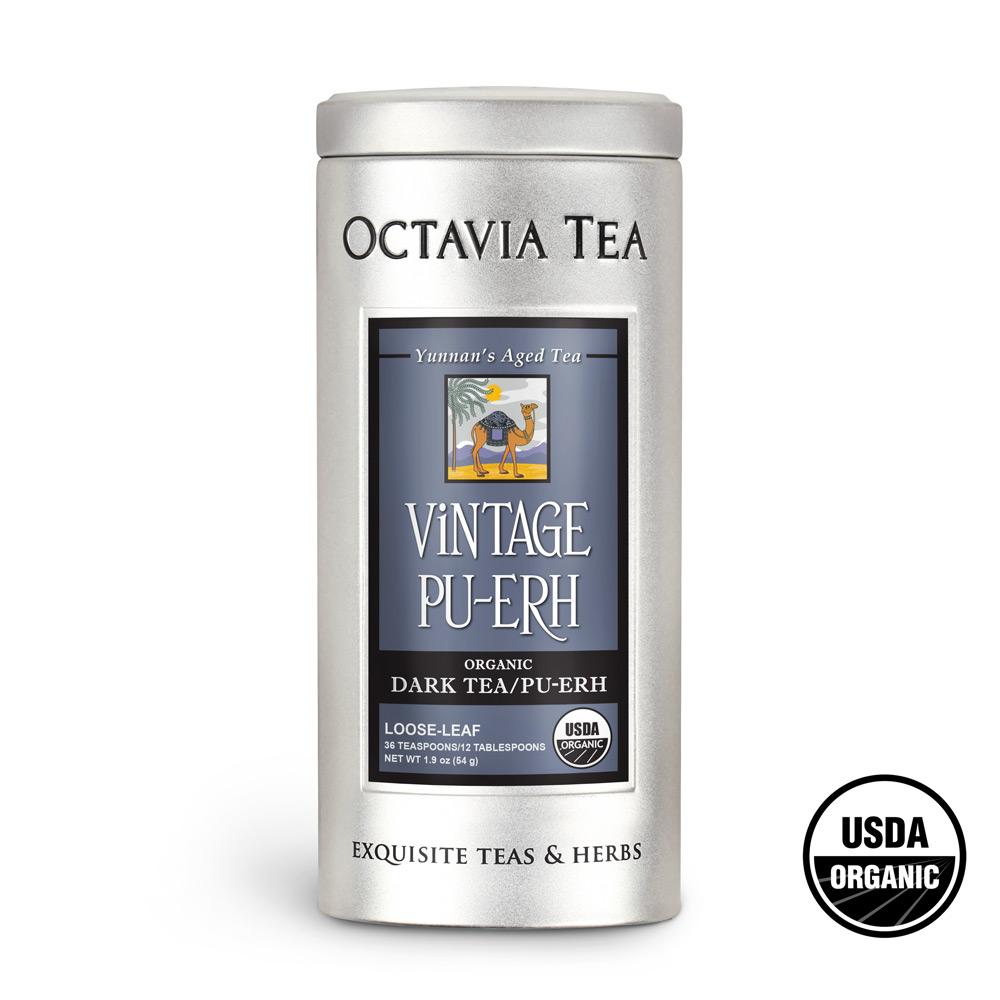
At Octavia Tea, we source both styles direct from the finest places and gardens. We hear the question we hear most is simple: which one should I actually drink and which one is the strongest? Both are amazing teas but it probably will come down to flavor. The Pu-erh is more earthy, and that also is why we suggest a rinse before steeping. The black tea we carry on the other hand has different flavor profiles depending on where we bring it in from and its very likely people often find a favorite type of black tea.
Black tea is fully oxidized leaf, brisk and bright, with caffeine that lands quickly and fades cleanly. Pu-erh is a post-fermented dark tea from Yunnan Province, aged and microbially transformed, with a deep earthy character and a reputation in Chinese tradition as a digestive aid.
Factor | Black Tea | Pu-erh Tea |
|---|---|---|
Processing | Full oxidation | Microbial fermentation |
Flavor | Malty, brisk, fruity | Earthy, mossy, leather |
Caffeine feel | Quick lift, clean finish | Steady, mellow |
Aging | Best fresh | Improves with age |
How Processing Shapes Each Tea: Oxidation vs Microbial Fermentation
Oxidation and fermentation are two different chemical roads, and they explain nearly every difference between these teas.
In black tea, enzymes in the leaf react with oxygen after rolling, turning catechins into theaflavins and thearubigins. That is why a good black tea pours amber and tastes brisk. The process is stopped with heat once the maker decides the leaf is ready.
Pu-erh works differently. After the leaf is dried, microbial fermentation and aging transform it further, producing compounds like theabrownins and giving ripe pu-erh its dark, mellow depth. Raw pu-erh, called sheng, ages gradually over years. Ripe pu-erh, called shou, uses a controlled fermentation that mimics that aging.
Pro TipA raw pu-erh pressed this year can taste sharp and green, while the same tea after a decade turns smooth and woody. We taste a lot from year to year and we can see a difference in the leaf and taste depending on a lot of factors. Its sometimes hard to believe its the same tea.
Caffeine, Antioxidants, and Your Metabolism
Caffeine content in both teas depends far more on leaf grade, leaf-to-water ratio, and steeping time than on the type itself. A delicate spring black tea brewed briefly delivers less caffeine than a heavily leafed pu-erh steeped for several minutes.
What differs is how the caffeine arrives. Black tea tends to hit fast and fade cleanly, which suits a morning cup. Pu-erh releases more gradually, and many drinkers find it easier on the stomach after a meal. In our experience and from what we hear if you are caffeine sensitive, the practical move is to shorten your steeping time or reduce leaf quantity rather than switch teas entirely.
The Microbiome Angle
Because pu-erh is produced through microbial fermentation, the finished leaf carries compounds formed by those microbes, and some research suggests those compounds may interact with gut bacteria in ways black tea's polyphenols do not.
Black tea's contribution to gut health comes mainly through its polyphenols reaching the colon, where gut bacteria metabolize them. Pu-erh's fermented profile means the leaf arrives with a different starting chemistry. Most practitioners and researchers describe this as an emerging area rather than a settled one, so treat strong probiotic claims with caution. .
What the Evidence Actually Supports
Be skeptical of any claim that one tea "burns fat" or dramatically changes metabolic parameters. Both teas contain caffeine and polyphenols that have been studied for metabolic effects, and both show modest results in controlled settings, not the dramatic outcomes marketing language implies. NIH National Center for Complementary and Integrative Health overview of tea and health is a reasonable starting point for what the evidence actually supports.
If you are choosing between the two for metabolic reasons, the more useful question is which one you will actually drink consistently. A tea you enjoy daily beats a tea you choke down for a benefit you read about once.
Flavor Profiles and Daily Drinking Experience
Flavor is where these two teas stop being interchangeable. Black tea is bright and structured. Pu-erh is deep and grounding.
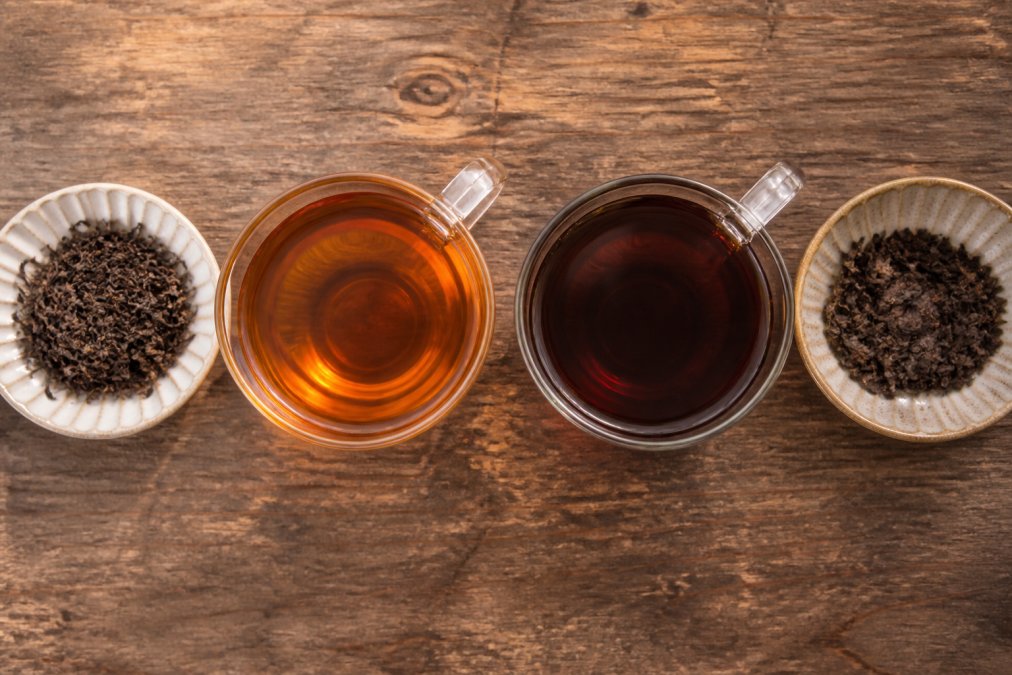
A well-made black tea like our Ancient Yunnan carries ripe fruit, cedarwood, peppery spice, and a malty finish. Lapsang Souchong goes the other direction entirely, dried over burning pinewood for a crisp, campfire character. Jin Jun Mei sits in between, smooth and honeyed with a whisper of smoke.
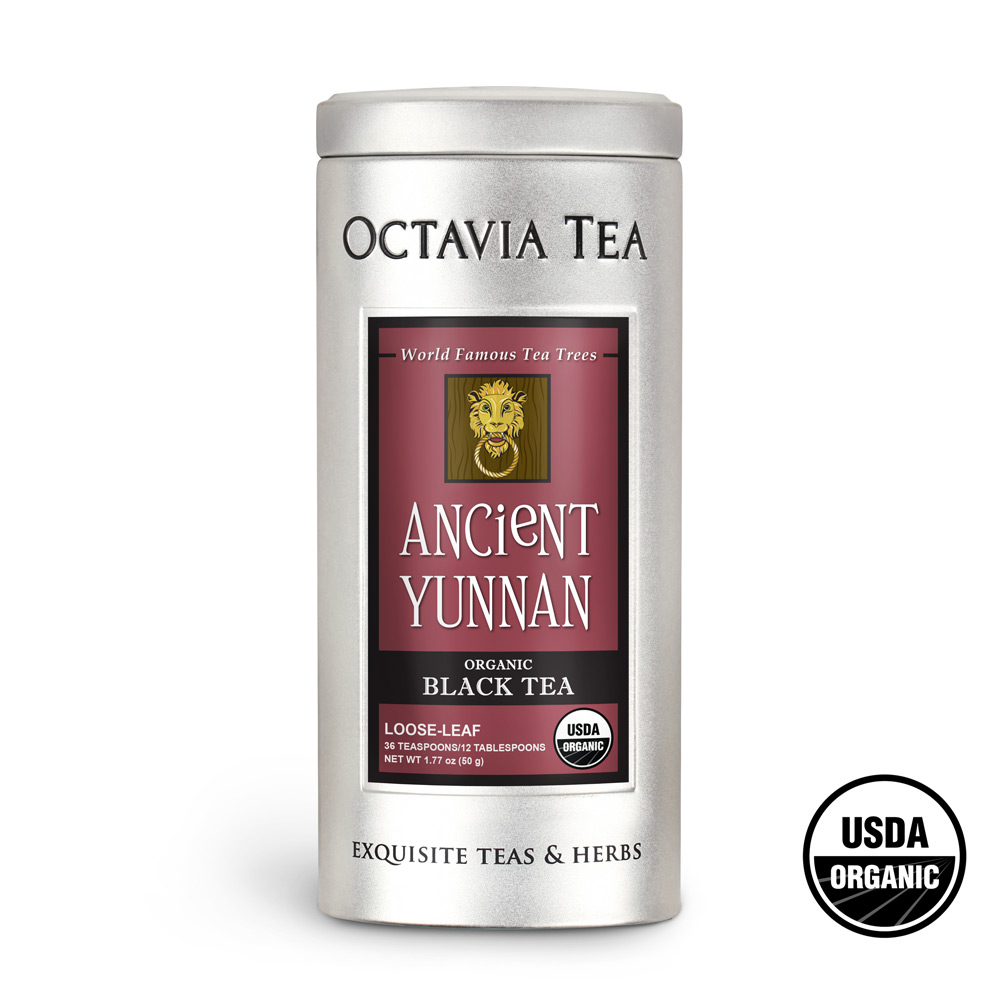
Pu-erh drinks like an old library smells: wet stone, moss, creamy leather, rich foliage.
Key TakeawayChoose black tea when you want a bright, brisk cup that perks you up. Choose pu-erh when you want something earthy, calming, and traditionally taken after meals.
How to Identify High Quality Organic Loose Leaf Tea
Learning how to identify high quality organic loose leaf tea comes down to four checks: certification, leaf grade, aroma, and sourcing transparency.
- USDA organic certification visible on the packaging
- Whole leaf or bud grade, not dust or fannings
- Dry leaf aroma is bright and clean
- Origin traced to a named garden or region
Watch OutBeware of any tea sold as "organic" without a certifier named.
Pu-erh Tea Brewing Best Practices
Use boiling water. This is not a delicate green tea, and cooler water leaves the leaf flat and under-extracted.
How Brewing Variables Change What You Extract
Water temperature and steep time determine which compounds end up in your cup.
A practical side-by-side:
Variable | Black Tea | Pu-erh Tea |
|---|---|---|
Water temperature | Just off a boil | Boiling |
First steep | A few minutes | 20-30 seconds |
Re-steeps | Usually 1-2 | Many, adding seconds each round |
Rinse step | Not needed | Recommended |
Leaf form | Loose or broken | Often compressed |
Why the Rinse Matters
That quick first pour is not ceremonial. Compressed pu-erh is stored for years, sometimes in warehouses where it picks up dust and storage notes. The rinse clears that surface layer and starts hydrating the leaf so the first real infusion tastes clean. Skip it and your first cup may taste flat or musty. We find that we can easily brew a cup 3-4 times with the same leaves and the flavor only gets better. Once you go past 5-7 you might enjoy the flavor but often our customers tell us this is the max they can go. How many times do you like to steep a cup of Pu-erh?
Pro TipIf your pu-erh tastes muddy or harsh, the fix is usually shorter steeps, not less leaf.
Frequently Asked Questions
Is pu-erh stronger than black tea?
Pu-erh usually drinks bolder and heavier than black tea, but strength depends on leaf grade, how much you use, and steeping time. Ripe pu-erh (shou) carries deep earthy, leathery notes, while raw pu-erh (sheng) can be brisk and astringent when young. Black tea tends to taste brighter and maltier, with tannins that turn bitter if over-steeped. Neither is objectively stronger; the deciding factors are dose, water temperature, and steep length.
How does the caffeine content of pu-erh compare to black tea?
Both come from Camellia sinensis, so both contain caffeine, and amounts vary by leaf grade, age, and brewing variables rather than by tea type alone. Many drinkers find pu-erh's caffeine feels steadier because the bold body and low astringency make it easy to sip slowly. If caffeine sensitivity is a concern, shorten the first steep, use slightly cooler water, or drink either tea earlier in the day and check how you respond.
Is drinking pu-erh tea every day safe?
Daily pu-erh is a long-standing habit in Yunnan, where dark tea is often treated as a digestive aid after meals. Most healthy adults tolerate it well. Because it is post-fermented, some people notice it sits differently than black tea, especially on an empty stomach. If you take medication or manage a health condition, talk with your doctor before making it a daily ritual. Start with one cup and adjust.
Does organic certification impact the benefits of these teas?
Organic certification (USDA) governs how the leaf is grown: no synthetic pesticides or fertilizers, with documented farm practices. It does not change caffeine, catechins, or polyphenols directly. What it changes is your exposure to residues and your confidence in sourcing. For loose leaf, organic matters most in teas you drink daily, and it pairs well with quality indicators like whole leaf grade and clear origin information.
Who should be cautious about drinking pu-erh tea?
Anyone sensitive to caffeine should watch intake, since pu-erh is not caffeine-free. People with iron-deficiency concerns may want to drink it between meals rather than with iron-rich food, because tea tannins can reduce iron absorption. If you are pregnant, nursing, or managing a heart or digestive condition, check with your healthcare provider. Start with small cups and note how your body responds before making it a daily habit.

Share on Facebook

Share on X

Share on Pinterest
Recent Posts


Octavia Tea Sign In
Create New Account