























How to Curate a Gourmet Tea Sampler Set at Home

Last Updated: November 23, 2026
Quick Summary
A gourmet tea sampler set works best when it is built around a few deliberate choices rather than a random mix of teas. Start by naming who the set is for, then pick four to six teas that differ in color, caffeine and intensity so each cup feels distinct.
- Name the occasion before choosing any tea, since it sets the count and caffeine level.
- Aim for four to six teas: fewer makes comparison hard, more becomes a shelf project.
- Pick one anchor tea you are confident the recipient will like, then add contrasting teas.
- Check flavor notes side by side and swap out any teas that taste redundant.
- Plan a tasting order from lightest to boldest and write it on the card in the box.
Table of Contents
- How Do You Curate a Gourmet Tea Sampler Set?
- Choosing the Tea Types for Your Sampler
- Balancing Flavor, Caffeine and Intensity
- Building a Custom Tea Sampler, Step by Step
- Portions, Servings and Brewing for Each Tea
- Packaging and Labeling Your Sampler
- Choosing a Best Tea Sampler Gift Set to Start From
- Ordering Your Next Sampler From Octavia Tea
- Frequently Asked Questions
How Do You Curate a Gourmet Tea Sampler Set?
Curating a gourmet tea sampler set means choosing a handful of teas that work well together and deliver a clear tasting experience from the first cup to the last. At Octavia Tea, we think the best samplers are built around a few deliberate choices rather than a random mix of whatever is on the shelf. A balanced set gives the drinker variety without overwhelming them, and it lets each tea show what it does well.
I still remember the first sampler I put together for a friend who had only ever drank tea from bags. She didn't need twelve options. She needed four or five teas that felt different enough to be interesting but familiar enough to be approachable. That lesson shapes everything below.
Start with a simple question: who is this sampler for? A set for a curious beginner looks very different from one for a longtime tea drinker or a gift recipient who likes fruit flavors. Once you know the person, you can narrow the field to teas that suit their taste and their daily routine.
Our Sampler Set Intro is a good reference point here. It is priced at $22.00 and shows how a small, well-chosen group of teas can make a complete introduction to a single category.
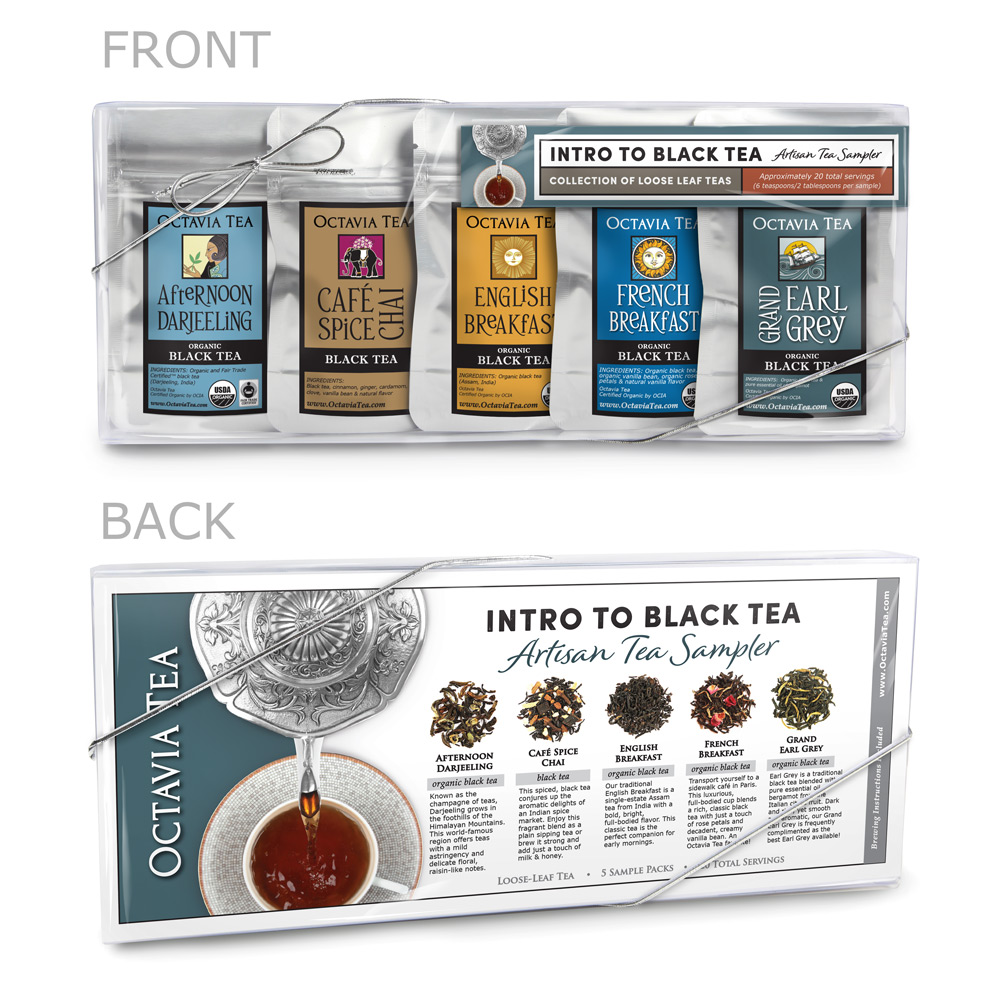
Choosing the Tea Types for Your Sampler
Tea types are the backbone of a sampler, so begin there. The major categories are white, green, oolong, black and herbal, and each one brings a different character. Black teas tend to be bolder, green teas are often lighter and grassy, white teas are delicate, oolongs sit in between, and herbal infusions are not made from the tea plant.
A well-rounded set usually includes two or three of the true teas plus one herbal or fruit option. This gives the drinker a range of experiences without crowding the set with similar cups. For example, pairing a delicate white with a bright green and a fruity herbal creates a clear arc from subtle to vivid.
The Intro to Tea Tasting Set, priced at $49.00, shows this approach at a larger scale. A caffeine-free, fruity-botanical option like African Rose is a good candidate to add to a varied sampler, since it brings bright citrus and rose notes without any caffeine. It includes samples across white, green, oolong, black and herbal teas, so it covers the full range in one box. Each sample provides 2-4 servings, depending on how strong you like your cup.
Balancing Flavor, Caffeine and Intensity
Balance is what separates a thoughtful sampler from a pile of tea bags in a box. Three things matter most: flavor profile, caffeine level and intensity of taste. A set where every cup is strong, dark and caffeinated can wear a drinker out by the third sample. A set of mild, floral teas can leave them wanting more.
Think of your sampler as a sequence. Pair one bold black or dark oolong with a few lighter teas so the palate has room to rest. Keep at least one tea that is clearly mild.
On caffeine, be honest with yourself and your recipient. Green and black teas contain caffeine, while white teas and herbal infusions generally contain less or none (the FDA). If the sampler is meant for an evening ritual, lean toward lower-caffeine options. For a morning set, a few more caffeinated teas make sense.
Intensity is the final lever. Ask whether each tea would taste good with the same brewing approach as the others. If one tea needs much hotter water or a longer steep, it may be hard to compare fairly within the same tasting session.
Building a Custom Tea Sampler, Step by Step
Most of what ranks for this query is a product grid with a paragraph of copy, not a method. So here is the method I actually use when someone asks me to build a set from scratch.
Step 1: Name the occasion before you name a tea. "A gift for a coworker" is not an occasion. "A Sunday-morning ritual for someone who drinks one cup a day" is.
Step 2: Set the count. For a personal set, four to six teas is the sweet spot. Fewer than four and the drinker cannot compare; more than six and the set becomes a shelf project. If you are building for a café or spa, think in terms of a tasting flight the staff can actually brew and describe, not a catalog.
Step 3: Choose a spine, then choose contrast. Pick one tea you are confident the recipient will like, usually a black or a green, and treat it as the anchor.
Step 4: Check for duplicates in disguise. Read the flavor notes side by side. If two descriptions both say "floral, honeyed, smooth," one of them is redundant no matter how different the leaves look.
Step 5: Plan the tasting order. A sampler is a sequence, not a pile. Once the tasting order is set, brewing each cup with care lets the differences between delicate and bold teas come through, even when Gone to the Dogs.
Step 6: Portion and label. Decide how many cups each tea should yield, then check the product page for the serving count before you commit. Label each pouch with the tea name, the type, and the tasting order number.
Watch out: the most common mistake is building the set around what you personally love rather than what the recipient will actually brew.
A themed box is the easiest way to hold a custom set together. To see how a finished, themed set is assembled, look at the Chocolate Cravings sampler, which pairs several chocolate-flavored black teas under one theme.
Portions, Servings and Brewing for Each Tea
Portion math is where most homemade samplers fall apart. A pouch that looks generous in the box can turn out to be two cups, and a pouch that looks stingy can be six. The fix is to work backward from the tasting session rather than forward from the pouch size.
Start with the session. A fair trial for a tea is usually two to three cups: one to get oriented, one to compare against the others, and one to confirm. Multiply that by the number of teas in the set and you have your minimum total servings.
Serving counts are estimates, not promises. They assume a certain leaf-to-water ratio and steep time, and they shift the moment you brew stronger or use a larger mug.
Brewing is the other half of the equation, and it is where a sampler earns its keep. Delicate white and green teas generally want cooler water and shorter steeps; black teas and many herbal infusions tolerate hotter water and longer contact.
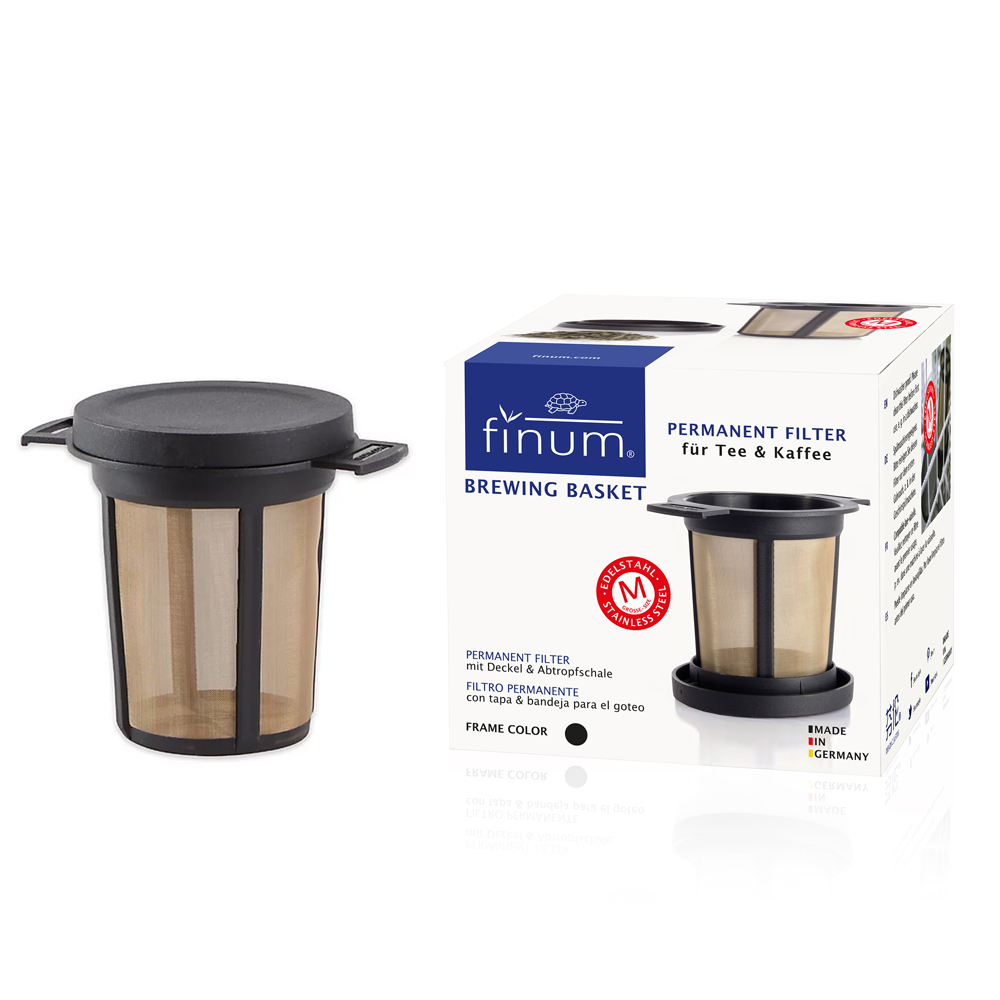
A single-cup infuser makes the whole process controllable. Use one infuser per tea, rinse between cups, and you avoid the flavor carryover that can muddy a side-by-side comparison. A fine stainless steel mesh single-cup infuser that fits any cup, mug or small teapot works well for this.
Keep a tasting log. For each cup, note the tea, the water temperature, the steep time, and one sentence on what you tasted.
Here is a quick reference for planning how many cups a set should yield and how each tea is brewed.
| Planning step | What to check | Why it matters |
|---|---|---|
| Tasting session | Two to three cups per tea | A fair trial for comparison |
| Set size | Roughly ten to fifteen cups for five teas | Enough servings for a real sampler |
| Serving count | Stated on each product page | Add totals before buying |
| Brewing card | Water temperature, steep time, flavor target | Keeps each tea brewed consistently |
| Infuser use | One infuser per tea, rinse between cups | Prevents flavor carryover |
Packaging and Labeling Your Sampler
Presentation changes how a sampler feels to receive. Write the tea name, the tea type and a short flavor note on each pouch. For gifts, include brewing instructions on a small card so the drinker can start right away.
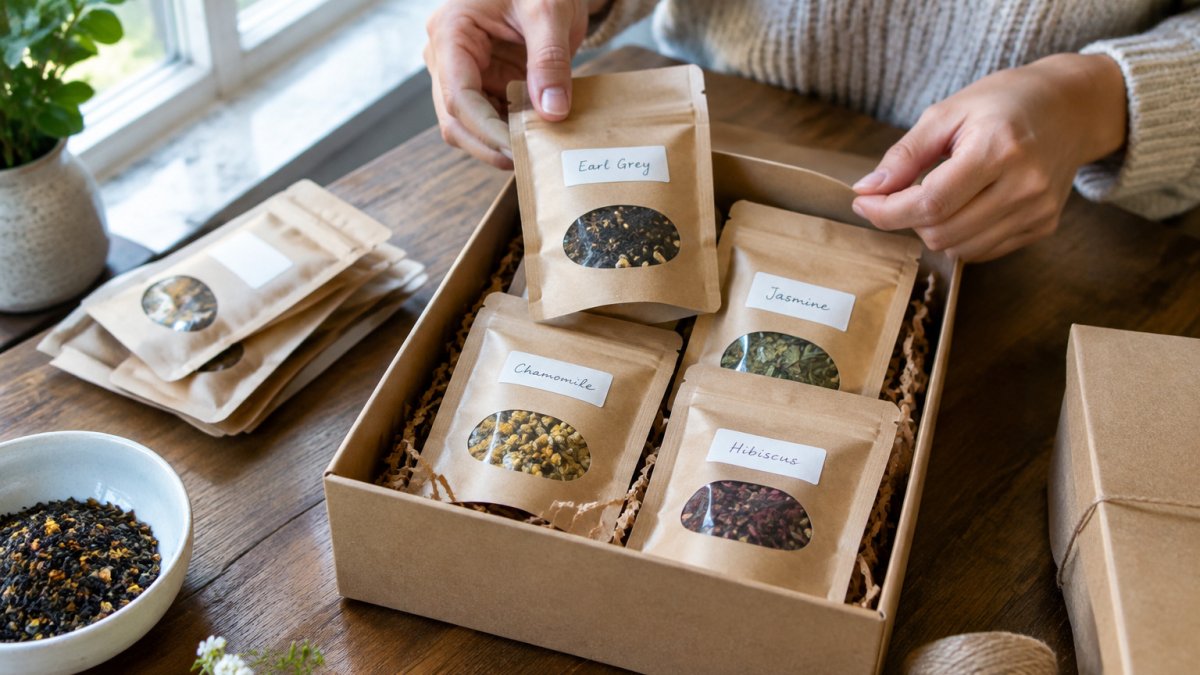
Keep your labels consistent. Use the same format on every pouch, with the tea name on top and the category below. This makes the set look finished and helps the drinker compare teas easily.
Choosing a Best Tea Sampler Gift Set to Start From
If building from scratch feels like too much, start with a ready-made gift set and adapt it. A good starting point is a set that already balances types, flavors and intensity. Compare the number of teas, the categories covered and the serving count before you buy. The Sampler Sets High End Teas, priced at $30.00, is a sampler set built around higher-end teas, which suits someone who already knows they enjoy premium tea. You can compare its contents with other ready-made options in High End Teas sampler sets before deciding.
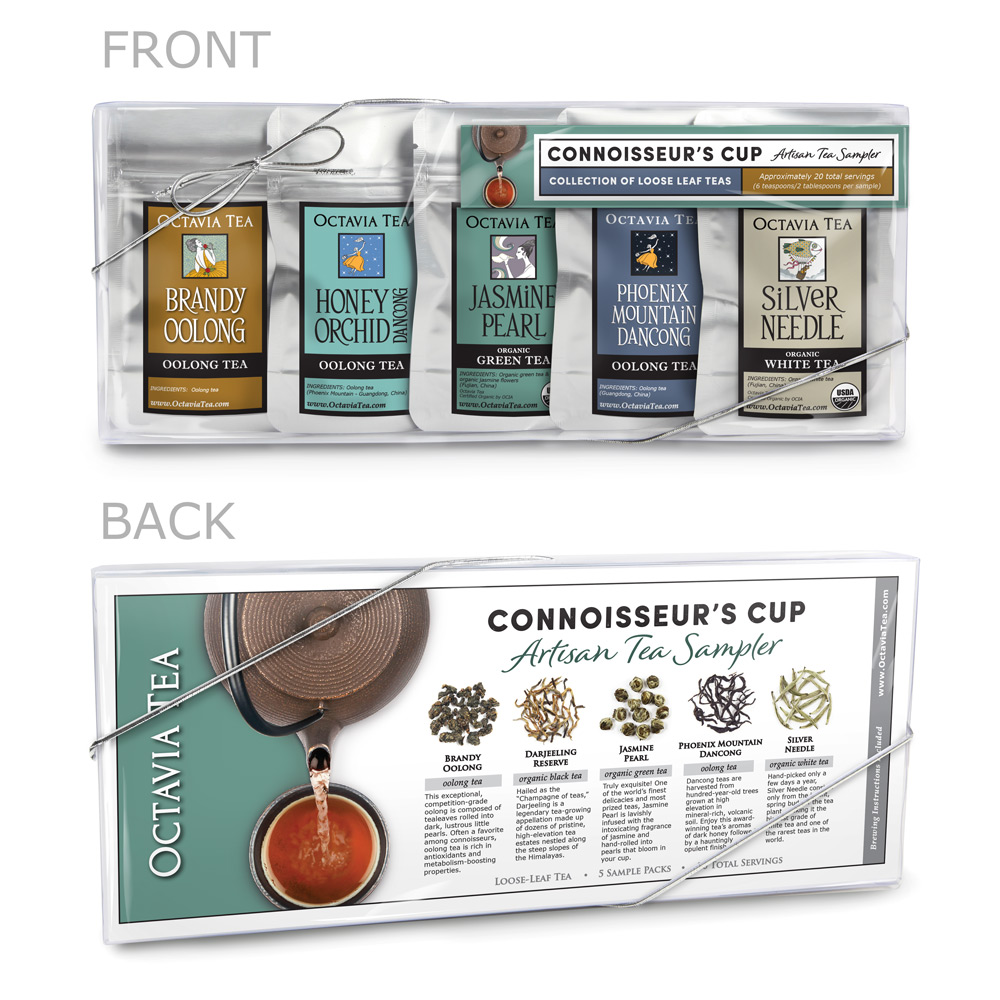
When comparing sets, look for three things: a clear range of tea types, a mix of intensities, and enough servings to give each tea a fair trial. A set that covers only one category may be pleasant but limited as a sampler. A set that offers variety gives the drinker more to discover.
Use the ready-made set as a foundation. Once you know which teas your recipient enjoys, you can add a custom sampler later with teas that fill the gaps.
Ordering Your Next Sampler From Octavia Tea
Once you have chosen your teas, the next step is simple. Browse the sampler sets and single-tea options on the Octavia Tea site, check the serving counts and prices, and pick the set that matches your theme. Free domestic shipping applies to retail orders over $65, so you can combine a sampler with other teas to reach that threshold.
If you are unsure where to start, begin with a sampler and let the tasting guide you. We would rather you find one tea you love than buy a large box you never finish. Add your favorites to your bag when you are ready.
Frequently Asked Questions
How many different teas should a sampler include?
Most people find that four to six teas is a comfortable number for a first sampler. That is enough variety to compare types without overwhelming the drinker. The Intro to Tea Tasting Set from Octavia Tea includes samples of 15 teas, which shows how larger assortments are built, but a smaller set is easier to work through in a week. Choose a count that matches how much time the recipient is likely to spend tasting.
What teas should a gourmet tea sampler include?
A balanced sampler usually mixes a few tea families, such as white, green, oolong, black and herbal. Including at least one lighter option and one bolder option helps the recipient notice differences. Octavia Tea's Intro to White Tea Sampler is a useful model for a single-category set, with five organic white teas and about 20 total servings. For a broader mix, pair one category with a second so the set does not feel repetitive.
Can you mix different types of tea in one sampler?
Yes, and most gourmet samplers do exactly that. The key is to keep each tea in its own labeled sample so the drinker can compare them on their own terms. Mixing types is what makes a sampler a tasting experience rather than a single gift of one tea. Note the tea family on each label so the recipient knows what they are brewing.
How do you choose teas for a gift sampler?
Start with the recipient's habits. Someone who drinks caffeinated tea daily may enjoy a bold black or oolong, while someone who prefers an evening cup may appreciate herbal or lighter options. Balance flavor with some fruity or floral blends and some plain, classic teas. At Octavia Tea, we suggest choosing one or two teas that you find especially interesting, so the sampler includes a tea you can talk about with the recipient.


Octavia Tea Sign In
Create New Account