























How to Identify High Quality Organic Sencha
September 23, 2026

Table of Contents
- Visual Inspection: What Premium Sencha Leaves Look Like
- Aroma and Fragrance: Recognizing Fresh, Quality Sencha
- Color of the Brewed Liquor and Taste Profile
- Steeping Temperature, Time, and Brewing Technique
- Certification, Testing, and Transparency Standards
- How to Store Organic Green Tea for Lasting Quality
- Best Organic Loose Leaf Tea Brands and Selection Criteria
- Frequently Asked Questions
Last Updated: September 22, 2026
Visual Inspection: What Premium Sencha Leaves Look Like
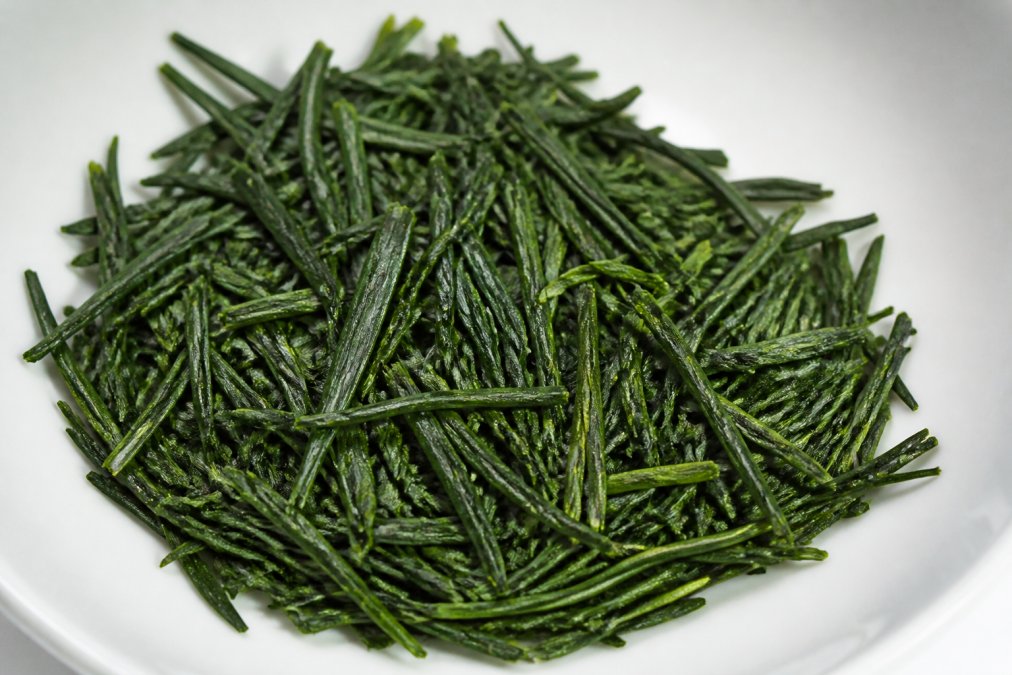
The first thing you notice when you identify high quality organic sencha is the leaf itself. Premium sencha leaves are needle-like, tightly rolled, and uniformly bright green. They have a glossy finish that signals proper steaming and storage. Broken leaves, dust, or dull coloring are red flags that suggest lower grades or poor handling.
When you examine sencha closely, look for these visual markers:
- Needle-like shape: Leaves should be thin and elongated, not crumbled or powder-like
- Uniform bright green color: Indicates fresh processing and proper storage away from light
- Glossy appearance: A sheen on the leaf surface shows the tea has retained its natural oils
- Leaf integrity: Whole leaves without significant breakage or debris
- No discoloration: Brown, yellow, or gray patches suggest oxidation or age
The cultivar matters too. Different Japanese tea plant varieties produce leaves with distinct characteristics. Yabukita, the most common cultivar, yields leaves that are slightly larger and more uniform than heirloom varieties. If you're buying from a reputable source like Octavia Tea, the seller should be able to tell you the specific cultivar and harvest date.
C\
One practical tip: compare leaves side by side. Hold a sample of premium sencha next to a lower-grade tea. The difference in leaf size, color saturation, and overall uniformity becomes obvious immediately. This visual comparison is one of the fastest ways to train your eye.
Pro TipStore sencha in an airtight, opaque container away from light, heat, and humidity. Exposure to air and light degrades the leaf color and flavor within weeks. Vacuum-sealed packaging preserves freshness far longer than traditional paper bags.
Aroma and Fragrance: Recognizing Fresh, Quality Sencha
Your nose is one of your best tools to identify high quality organic sencha. Fresh, premium sencha has a distinctive aroma profile that's grassy, vegetal, and slightly sweet. The scent should be clean and bright, never musty, moldy, or stale.
When you open a package of quality sencha, you should detect:
- Grassy, vegetal notes: The primary aroma of fresh steamed green tea
- Sweet undertones: A subtle sweetness from amino acids like theanine
- Fresh, almost dewy quality: Reminiscent of fresh rain or a spring meadow
- No off-odors: Musty, sour, or chemical smells indicate poor storage or processing
Lower-quality or older sencha loses its aromatic complexity. The vegetal notes fade first, leaving behind a flat, one-dimensional smell. If the tea smells like old hay or cardboard, it's past its prime.
The aroma also tells you about the terroir and processing method. Sencha from volcanic regions like Kagoshima often has a slightly mineral, pine-like quality. Shade-grown sencha develops deeper umami notes that come through in the aroma as well as the taste.
Freshness matters enormously. Sencha processed and packaged within the current year will have a noticeably stronger, more vibrant aroma than tea that's been sitting for 18 months. Check the harvest date on the package. Spring harvests (shincha) have the most delicate, complex aromas. Later summer harvests are bolder but less nuanced.
Key TakeawayPremium organic sencha should smell fresh, grassy, and slightly sweet. Any mustiness, staleness, or chemical odor is a sign the tea has degraded or was poorly stored.
Color of the Brewed Liquor and Taste Profile
Once you brew the tea, the color of the liquid tells you a lot about quality. Premium sencha produces a bright, translucent yellow-green liquor. It should be clear, never cloudy or muddy. The color intensity reflects the freshness and quality of the leaves.
Taste is where everything comes together. High-quality organic sencha has a complex flavor profile:
- Umami: A savory, mouth-filling quality from amino acids
- Sweetness: Natural sweetness without any bitterness or astringency
- Vegetal notes: Grassy, sometimes with hints of buttered snow peas or sunflower seeds
- Clean finish: A smooth aftertaste with no harsh or metallic notes
The balance between umami and astringency is crucial. Lower-grade sencha tastes thin, grassy, and one-dimensional. Premium sencha has depth. The flavor evolves as you sip. You taste the initial sweetness, then the umami develops, and finally a clean, slightly sweet finish.
Astringency, that dry, puckering sensation, should be minimal in premium sencha. Some astringency is natural and even desirable, but excessive dryness signals either oversteeping or lower-quality leaves. This is why brewing temperature and time matter so much.
Steeping Temperature, Time, and Brewing Technique
Brewing sencha correctly is non-negotiable. The wrong temperature or steep time will destroy even premium tea. Japanese green tea requires lower water temperature than most other tea types.
Here's the standard approach:
- Heat water to 160-180°F (not boiling)
- Use a proper ratio of tea to water by weight (roughly 1-3 teaspoon per 8 ounces)
- Steep for 1.5-3 minutes depending on leaf size and your preference
- Pour completely into a separate vessel to stop steeping
- Re-steep the same leaves 2-4 times, reducing steep time for each infusion
Lower temperatures preserve the delicate flavors and prevent bitterness. Boiling water extracts too much tannin, creating an astringent, harsh cup. If you don't have a thermometer, let water cool for 3-5 minutes after boiling before pouring.
The first steep is often the most delicate.
Leaf size affects steep time. Finely cut sencha steeps faster than whole leaves. Tightly rolled leaves need slightly longer to fully open and release their flavor. The package should include brewing guidance, but these general principles apply across most sencha varieties.
Watch OutUsing boiling water or steeping too long creates harsh, bitter tea that masks the tea's true character. This is the most common mistake beginners make. Always use cooler water and shorter steep times with green tea.
Certification, Testing, and Transparency Standards
Organic certification is your assurance that the tea was grown without synthetic pesticides, herbicides, or fertilizers. In the United States, look for USDA organic certification on the label. This is the only certification that matters for organic claims in the American market.
Ask these questions before buying:
- Does the seller provide a harvest date and region?
- Can they confirm USDA organic certification?
- Do they test for heavy metals or radiation?
- Can they identify the cultivar and processing method?
- Is the tea vacuum-sealed to preserve freshness?
Best ForHealth-conscious consumers who prioritize organic certification, heavy metal testing, and transparent sourcing. If pesticide residues concern you, choose sellers who provide third-party test results and can verify their supply chain.
How to Store Organic Green Tea for Lasting Quality
Storage is where most people fail with premium tea. Sencha is delicate. Exposure to light, heat, humidity, and air degrades the leaves quickly. A tea that tastes excellent when fresh can become stale and bitter within weeks if stored incorrectly.
The ideal storage conditions are:
- Cool: 50-70°F, away from direct sunlight and heat sources
- Dark: In an opaque, light-blocking container
- Dry: Low humidity, away from kitchens and bathrooms
- Sealed: Airtight container to prevent oxidation
Best Organic Loose Leaf Tea Brands and Selection Criteria
When choosing an organic sencha supplier, evaluate them on several criteria. The best brands prioritize freshness, transparency, and direct sourcing relationships with tea estates.
Here's what to look for:
Criteria | What It Means | Why It Matters |
|---|---|---|
Direct sourcing | Tea company sources directly from estate gardens | Fresher tea, verifiable supply chain, fair farmer compensation |
USDA organic certification | All teas carry official organic certification | Assurance no synthetic pesticides or chemicals were used |
Harvest date transparency | Package clearly states when the tea was harvested | Fresher tea tastes better; you can gauge how old it is |
Testing disclosures | Third-party testing for heavy metals, radiation, pesticides | Health and safety assurance |
Cultivar identification | Seller can name the specific tea plant variety | Shows expertise and consistency |
Vacuum-sealed packaging | Tea arrives in airtight, light-blocking packaging | Preserves freshness from harvest to your home |
Frequently Asked Questions
How can you tell if sencha is high quality?
Premium sencha displays needle-like leaves with a glossy, uniform bright green color and no dust or broken fragments. When brewed, it produces a vibrant yellow-green liquor with a fresh, vegetal aroma and a smooth, umami-forward taste without excessive astringency. The leaves should remain intact after steeping, and the overall experience should feel fresh and clean, not grassy or oxidized.
What does USDA organic certification mean for sencha tea?
USDA organic certification ensures that sencha is grown without synthetic pesticides, herbicides, or fertilizers, and meets strict federal standards for organic production. For tea drinkers concerned about chemical residues, this certification provides third-party verification that the product meets consistent safety and purity requirements. Look for the USDA organic seal on packaging as proof of compliance.
How does harvest date affect sencha quality?
Harvest date is critical to sencha quality. First-flush teas (early spring harvest) offer the most vibrant flavor, highest amino acid content, and superior aroma. Later harvests tend to be more oxidized and less delicate. Always check the harvest date on packaging; fresher teas within 12 months of harvest deliver the best sensory experience.
Why is leaf integrity important when evaluating sencha?
Intact, needle-like leaves indicate careful handling, proper drying, and minimal processing damage. Broken leaves, dust, and sediment suggest poor quality control or age-related degradation. When whole leaves steep, they release their full spectrum of compounds, including amino acids like theanine and beneficial catechins, delivering the smooth umami flavor and mouthfeel that define premium sencha. Broken leaves often steep unevenly and produce a weaker, more bitter infusion.
Choosing premium organic sencha requires attention to detail, from leaf appearance to brewing technique to storage. The effort pays off in a cup that's complex, fresh, and genuinely delicious. Start with a reputable source like Octavia Tea, follow proper brewing guidelines, and store your tea carefully. You'll taste the difference immediately.

Share on Facebook

Share on X

Share on Pinterest
Recent Posts


Octavia Tea Sign In
Create New Account