























Premium Organic Tea Brands: Flavor Purity Compared

Table of Contents
- What Flavor Purity and Transparency Actually Mean in Premium Organic Tea
- How to Identify High Quality Organic Tea: A Buyer's Framework
- Flavor Purity Compared: What Sets Premium Organic Tea Brands Apart
- Supply Chain Transparency: From Tea Garden to Final Cup
- Fair Trade Tea Certification Standards and Why They Matter
- Best Organic Loose Leaf Tea Brands: What to Look For in 2026
- Cost Per Cup: Why Premium Organic Tea Is Worth the Price
- Conclusion
- Frequently Asked Questions
Last Updated: September 11, 2026
What Flavor Purity and Transparency Actually Mean in Premium Organic Tea
Flavor purity in premium organic tea means the brewed cup reflects the leaf itself, not a lab-made additive poured over it. Supply chain transparency means you can trace that leaf back to a named garden, a harvest window, and a verified set of farming practices. At Octavia Tea, we treat both as the same question: can you account for everything between the soil and your cup? Most tea marketing answers only one half of that question. Below, we break down how to judge flavor purity and supply chain transparency in premium organic tea, and what separates brands that can prove their claims from brands that simply repeat them.
The distinction matters because the two ideas are usually sold separately. A brand can carry a USDA organic seal and still blend with synthetic flavoring. It can publish a beautiful farm story and still buy leaf through anonymous brokers. Purity and traceability are separate commitments, and only a minority of sellers make both.
That's the lens for this guide: not which brand has the prettiest tin, but which one can show its work.
How to Identify High Quality Organic Tea: A Buyer's Framework
You can identify high quality organic tea by checking three things in order: certification, leaf grade and harvest date, then how the tea performs in the cup. Skip the first and you're guessing about what's in the leaf. Skip the last and you're buying paperwork instead of tea.
A common mistake is treating a certification logo as the finish line. It's the starting line.

Reading Certifications and Third-Party Verification
USDA certified organic is the baseline claim, and it's a legal one: it requires documented farming practices, defined input restrictions, and periodic inspection under USDA National Organic Program standards. What it does not cover is flavoring. A tea can be certified organic and still contain added flavor compounds (ams.usda.gov).
That's why third-party verification matters beyond the seal. Independent contaminant testing, published or available on request, tells you whether a lot was screened for pesticide residues and heavy metals. Ask for it directly. Sellers who test will share results; sellers who don't will describe their "commitment to quality" instead.
How to Read a Certificate of Analysis for Tea
Most buyers never see the document that actually answers the purity question. A Certificate of Analysis, or COA, is the lab report issued for a specific lot of tea. It is the single most useful piece of paper in this category, and almost no tea brand puts one in front of you unprompted.
Here is what to look for, in order:
- Lot or batch identifier. The COA must tie to the exact lot you're buying, not to a generic product name. A report with no lot number can't be matched to your tin.
- Testing laboratory name and accreditation. A named, independent lab carries more weight than an in-house screen. Look for an accreditation reference on the report itself.
- Analyte list. The report should name what was tested for, not just report a pass. For tea, the meaningful categories are pesticide residues (often a multi-residue panel), heavy metals such as lead, cadmium, and arsenic, and microbial counts.
- Method and detection limits. A result reported as "not detected" only means something alongside the detection limit. A limit of 0.01 parts per million is a tighter screen than one of 1.0 ppm.
- Date of analysis. A COA from three harvests ago tells you nothing about the leaf in your cup.
A common pattern among sellers who do test is to publish a representative COA rather than a lot-specific one. That's better than nothing, but it's a weaker signal than a report keyed to the lot number on your order. When you ask, ask for the lot-specific version and see what comes back.
Evaluating Leaf Grade, Harvest Date, and Steeping Quality
Leaf grade tells you what part of the plant you're buying. Whole leaf and hand-sorted grades brew cleaner and more complex than fannings or dust, because intact leaves release their compounds gradually rather than all at once.
Harvest date is the freshness marker nobody prints prominently. Green teas lose their vegetal brightness within months; a Gyokuro Imperial, for example, wants water no hotter than 160°F and a steep of only 1½ to 2 minutes, and it rewards a recent harvest. Black teas hold longer but still flatten over a year or two. If a seller won't tell you the harvest window, assume it's older than you'd like.
Put the three checks together and the framework is simple: a lot-specific COA answers what's in the leaf, the grade and harvest date answer how good the leaf is, and the cup answers whether any of it was worth it.
Flavor Purity Compared: What Sets Premium Organic Tea Brands Apart
Flavor purity is where premium organic tea brands diverge most sharply, and it comes down to one question: where does the taste come from? The answer is either the leaf and its growing conditions, or a flavoring added after processing.
Natural Flavor Essences vs. Artificial Ingredients
Natural flavor essences and pure essential oils occupy a middle ground that confuses a lot of buyers. They are derived from plant sources rather than synthesized, but they are still added to the leaf. The meaningful line isn't "natural versus artificial." It's "does the flavor come from the tea, or from something poured onto it."
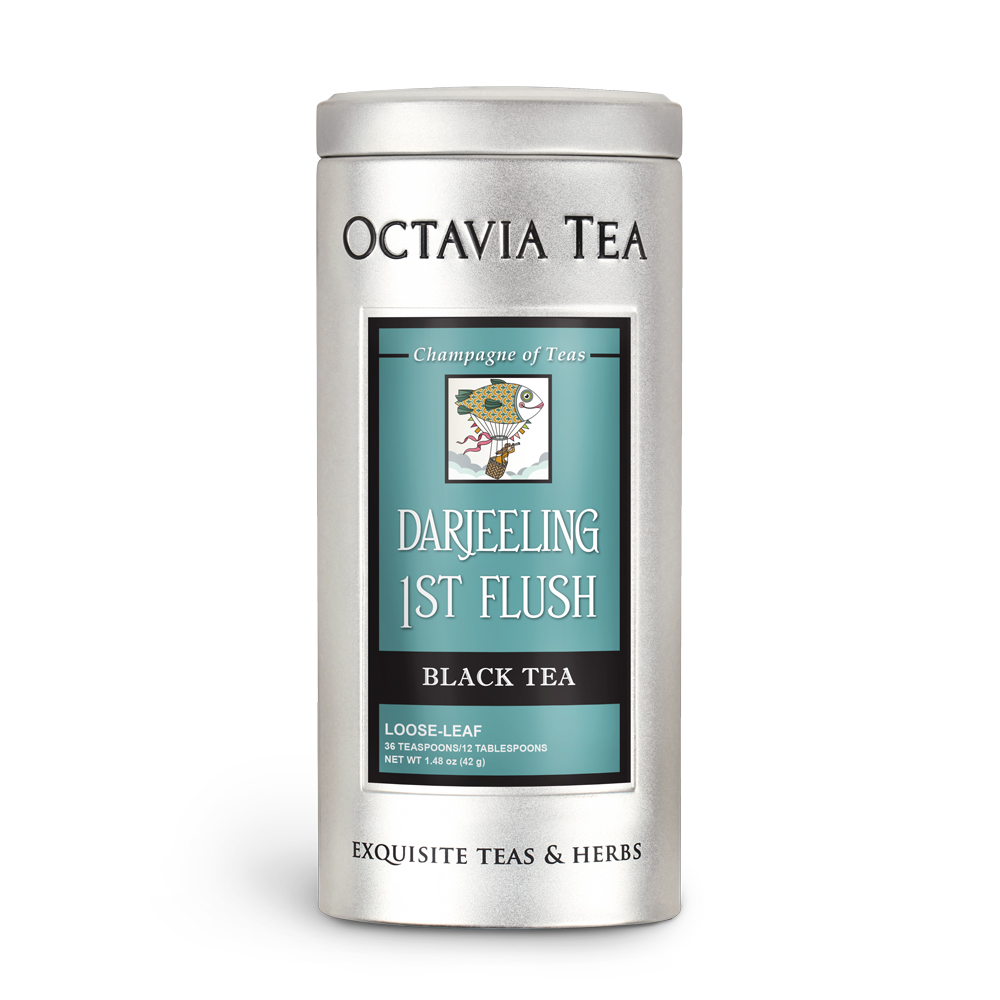
Our position is that a well-grown single-origin leaf doesn't need much help. A first-flush Darjeeling carries muscatel and floral notes on its own. A smoked Lapsang Souchong gets its campfire character from pinewood boughs during drying, not from a flavoring drum. When the leaf is good, additions should be minimal and disclosed.
How Soil Health and Agricultural Practices Shape Flavor Profile
Soil integrity is the most underrated variable in flavor. Teas grown in living, biodiverse soil with established root systems tend to show deeper, more layered cups than teas pushed with synthetic inputs on exhausted ground. This is why old tea gardens command a premium: the trees are older, the soil is more developed, and the resulting leaf has more to say.
You won't find this on a label. You'll find it in the cup, and you'll find it in whether a brand is willing to name the garden and describe how it's farmed.
Supply Chain Transparency: From Tea Garden to Final Cup
Supply chain transparency means a brand can name the garden, the region, and the buying relationship behind each tea, and can show how money moves from your purchase back to the farm. Transparency is a practice, not a page on a website.
Direct Trade, Traceability, and Ethical Sourcing
Direct trade and traceability are the mechanisms that make ethical sourcing verifiable rather than aspirational. Buying direct from estate gardens shortens the chain, which means fewer anonymous intermediaries between the farmer and the final product, and clearer accountability when something is wrong.
Traceability works in the same direction: a lot number that maps to a garden and a harvest date. When a brand can produce that mapping, claims about fair payment and sustainable farming become checkable. When it can't, they remain marketing copy.
Fair Trade Tea Certification Standards and Why They Matter
Fair trade tea certification standards exist to set minimum prices, prohibit forced and child labor, and require a social premium that farm cooperatives reinvest in their own communities (fairtrade.net). The certification is audited, which is what separates it from a voluntary pledge.
It is not the only valid model. Direct trade relationships can deliver the same outcomes, sometimes with more money reaching the farmer because fewer certification fees are deducted along the way. What matters is that the mechanism is documented and independently checkable.
For buyers stocking tea in a shop, café, or spa, this is a selling point you can put on a shelf card. Customers who care about ethical sourcing ask specific questions, and "we buy direct from named estates and can show you which ones" answers better than a logo alone.
Best Organic Loose Leaf Tea Brands: What to Look For in 2026
The best organic loose leaf tea brands in 2026 share four traits: organic certification, disclosed sourcing, minimal or fully disclosed flavoring, and freshness dating. Selection breadth matters too, but only after those four are settled.
Here's the framework we use to evaluate any brand, including our own:
What to Check | Weak Signal | Strong Signal |
|---|---|---|
Certification | Logo only | USDA organic plus independent contaminant testing |
Sourcing | "Ethically sourced" | Named garden, region, and harvest window |
Flavoring | Undisclosed blends | Natural essences or essential oils, stated plainly |
Freshness | No date given | Harvest or packing date on the listing |
Selection | A handful of blends | Broad enough to cover daily and specialty needs |
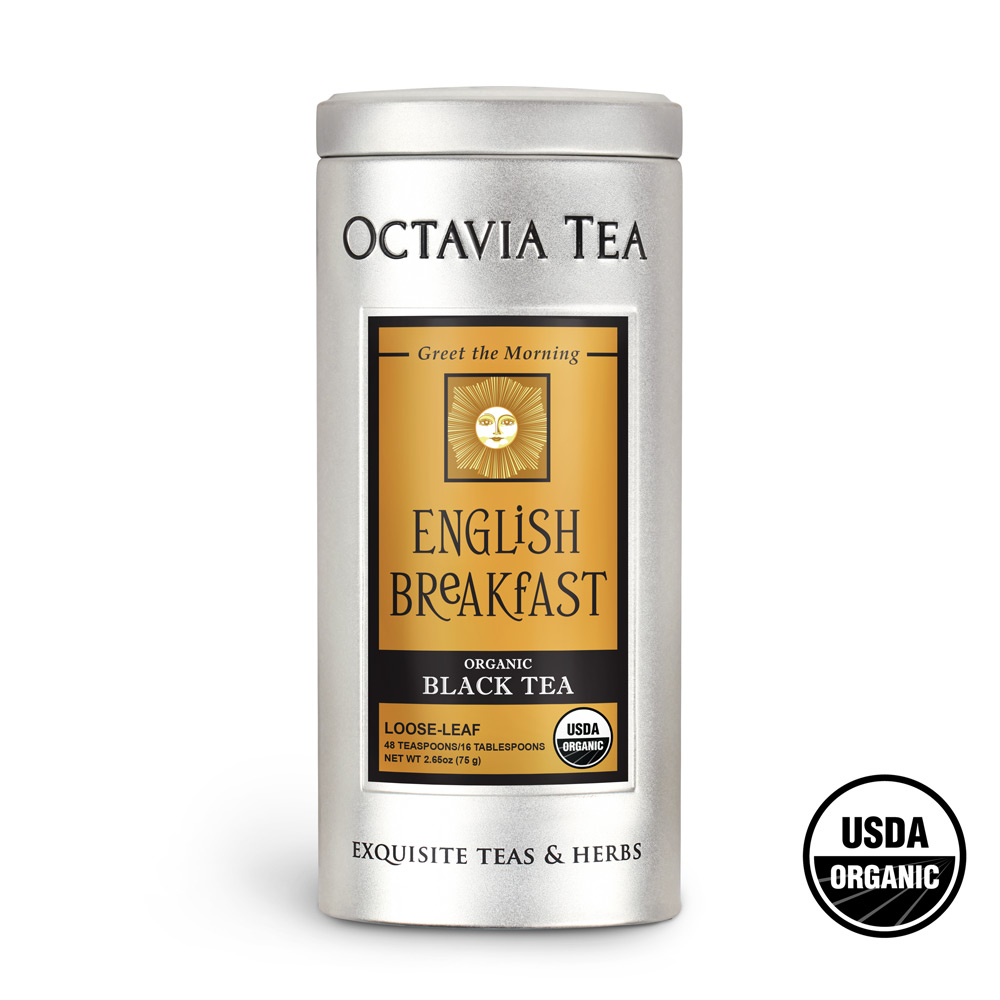
Octavia Tea offers over 120 organic loose leaf teas sourced direct from estate gardens, hand-blended with natural flavor essences and pure essential oils, and carrying USDA certified organic status. For buyers who want a starting point rather than a catalog tour, English Breakfast at $3.00 is a single-estate Assam that covers everyday drinking, while Gyokuro Imperial at $5.00 shows what a shaded, carefully harvested Japanese green can do. Neither relies on added flavoring to carry the cup.
Cost Per Cup: Why Premium Organic Tea Is Worth the Price
Premium organic tea usually costs more per tin, and it almost always costs less per cup. That inversion is the part most buyers miss.
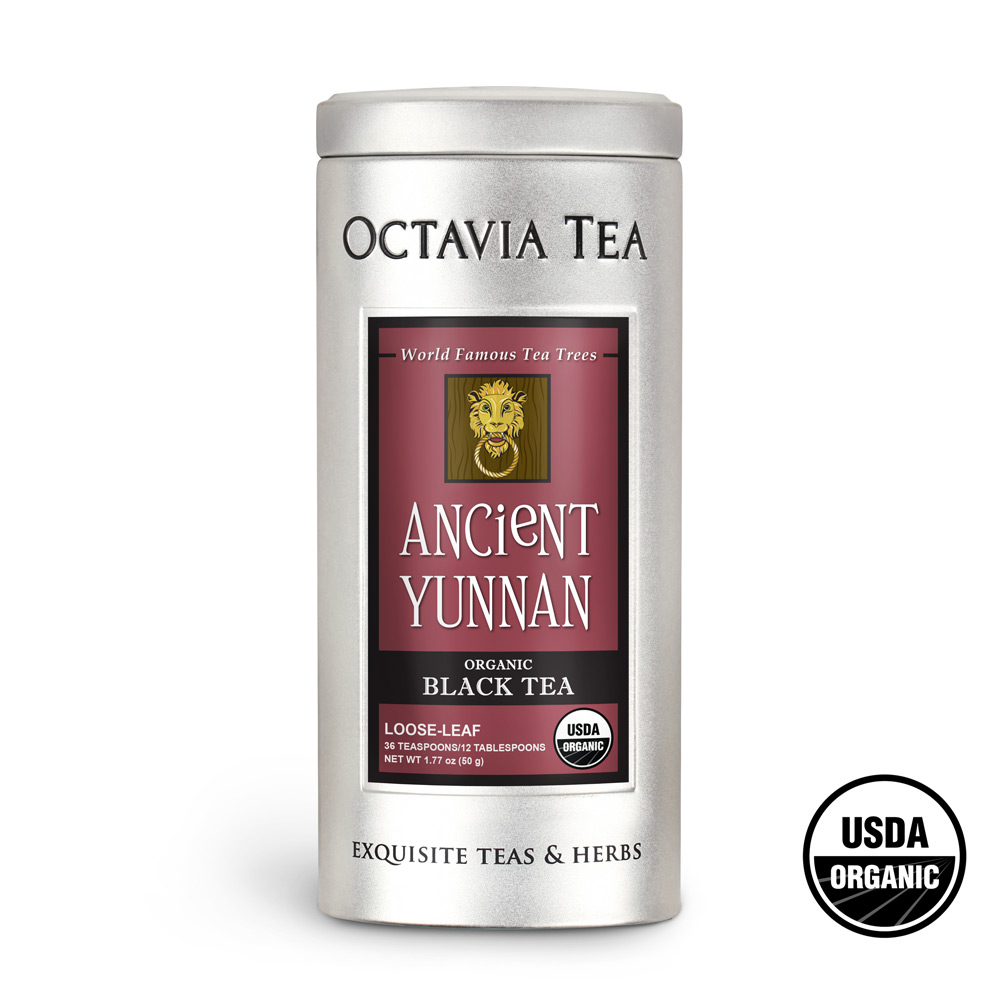
A tin of Ancient Yunnan or Lapsang Souchong, brewed at roughly a teaspoon per serving, yields many cups. Compare that against a single café latte or a bottled tea, and the loose-leaf math wins quickly. The comparison only breaks down if you buy tea bags at the low end, and there you're paying for convenience and packaging rather than leaf.
What you're actually buying at the premium tier is traceability, freshness, and leaf grade. Those are the inputs that determine whether the cup tastes like a specific garden or like generic "tea." For a café or spa menu, the cost-per-cup calculation is the one that matters, because it's the number that sits against your margin, not the tin price.
Conclusion
The hard part of buying premium organic tea isn't finding organic certification. It's finding a seller who will name the garden, date the harvest, disclose the flavoring, and stand behind the cup when you brew it. That combination is rarer than the shelf space suggests.
Octavia Tea builds around exactly that standard: over 120 organic loose leaf teas sourced direct from estate gardens, USDA certified organic, hand-blended with natural flavor essences and pure essential oils and no artificial ingredients. Wholesale accounts start at low minimums, and retail orders over $65 ship free domestically. Add to Bag and taste the difference traceability makes.
Frequently Asked Questions
What criteria define a truly premium organic tea brand?
A premium organic tea brand meets several criteria: USDA certified organic status, third-party verification for contaminant testing, transparent sourcing from named estates, and a clear commitment to natural flavoring without artificial ingredients. You should also look for details on harvest dates, leaf grade, and whether the brand provides traceability from tea garden to final cup. Brands that publish lab results and explain their agricultural practices demonstrate a higher level of quality assurance and consumer safety than those that rely on vague claims.
How does supply chain transparency impact the quality of loose leaf tea?
Supply chain transparency directly affects loose leaf tea quality because it reveals how the tea was grown, harvested, and processed. When a brand discloses its tea gardens, harvesting methods, and fair trade relationships, you can verify that the tea meets purity standards and supports ethical sourcing. Transparent brands are also more likely to conduct regular contaminant testing and maintain consistent quality assurance. Without transparency, it is difficult to confirm whether a tea is truly organic or if it contains pesticide residues, heavy metals, or artificial additives.
What should consumers look for when evaluating the purity of organic tea brands?
When evaluating purity, check for USDA organic certification, third-party lab test results, and clear labeling of ingredients. Look for brands that specify single-origin or direct trade sourcing and avoid artificial flavors. The packaging should list the tea garden or region, harvest date, and steeping instructions. Also, consider the brand's transparency about its supply chain: do they name their farms? Do they explain how they handle heavy metals and pesticide residues? A brand that provides this information is more likely to offer a pure, high-quality product.
How do natural flavor essences differ from artificial ingredients in premium tea?
Natural flavor essences are derived from real plant sources like fruits, flowers, and spices, while artificial ingredients are synthesized in a lab. In premium tea, natural essences and pure essential oils enhance the tea's inherent flavor profile without masking low-quality leaves. Artificial ingredients often indicate a lower-grade tea that relies on additives for taste. For consumers sensitive to synthetic compounds, choosing teas flavored only with natural essences ensures a cleaner, more authentic cup that aligns with organic and non-GMO standards.


Octavia Tea Sign In
Create New Account