























Herbal Tea for Gut Health: Benefits & Best Blends

Table of Contents
- How Herbal Tea Supports Digestive Health
- Herbal Tea for Bloating and Gas Relief
- The Role of Anti-Inflammatory Botanicals in Gut Healing
- Caffeine-Free Tea and Gut Motility
- Brewing Techniques for Maximum Nutrient Extraction
- Medication Interactions and Safety Considerations
- Top Herbal Tea Blends for Digestive Wellness
- Frequently Asked Questions
Last Updated: September 23, 2026
How Herbal Tea Supports Digestive Health
Herbal tea gut health has been used for centuries to soothe the digestive tract and support gastrointestinal wellness without the stimulating effects that can trigger discomfort in sensitive stomachs.
When you steep loose-leaf herbal tea properly, you extract therapeutic compounds that reduce inflammation, support nutrient absorption, and promote healthy gut motility. Octavia Tea's blends are designed to address common digestive concerns, bloating, gas, and indigestion, using organic botanicals sourced directly from estate gardens.
Different herbs target different aspects of digestive wellness: some calm inflammation, others encourage beneficial microflora growth. The key is matching the right botanical to your specific concern and brewing it for maximum potency.
Herbal Tea for Bloating and Gas Relief
Bloating and gas stem from dysbiosis (microbial imbalance), insufficient digestive enzymes, slow motility, or FODMAP sensitivity. Herbal tea addresses some of these causes more effectively than others.
Peppermint is one of the most studied botanicals for gas and bloating relief. It contains menthol, which relaxes the smooth muscles in your digestive tract and reduces visceral pain sensation, the cramping discomfort you feel when gas builds up. Research on peppermint for IBS symptoms shows that peppermint oil in enteric-coated capsules significantly reduced bloating in people with irritable bowel syndrome. Brewed peppermint tea delivers menthol in a gentler form; while less concentrated than capsules, consistent consumption can still provide relief. The key is steep time: a full 7-10 minute steep extracts maximum menthol and other volatile oils that relax your digestive muscles.
Ginger stimulates digestive enzymes and enhances gastric contractions, reducing fermentation time and gas buildup. It also calms an irritated gut lining. For bloating from sluggish digestion, ginger is often more effective than peppermint.
Fennel contains anethole, which reduces intestinal spasms and promotes gas movement. It has mild antimicrobial properties that help rebalance your microbiome. Traditional formulas combine fennel with ginger and peppermint because they address bloating through complementary mechanisms.
Herbal tea has limitations. FODMAP sensitivity requires dietary changes, not just tea. SIBO requires medical diagnosis and treatment. If bloating follows specific foods, food sensitivity is the issue, and elimination helps more than herbal tea.
Start with peppermint for cramping pain or ginger for nausea and sluggish digestion. Steep for the full recommended time to extract therapeutic compounds.
The Role of Anti-Inflammatory Botanicals in Gut Healing
Inflammation in the digestive tract causes chronic discomfort and nutrient absorption problems. Anti-inflammatory herbal tea gut health calms inflammation and creates an environment for healing.
Turmeric contains curcumin, extensively studied for reducing inflammation throughout the body and digestive tract. Traditional Chinese and Ayurvedic medicine have used it for thousands of years to support digestive and liver health. Our Turmeric Ginger blend combines turmeric with ginger and citrus to create a warming, therapeutic infusion.
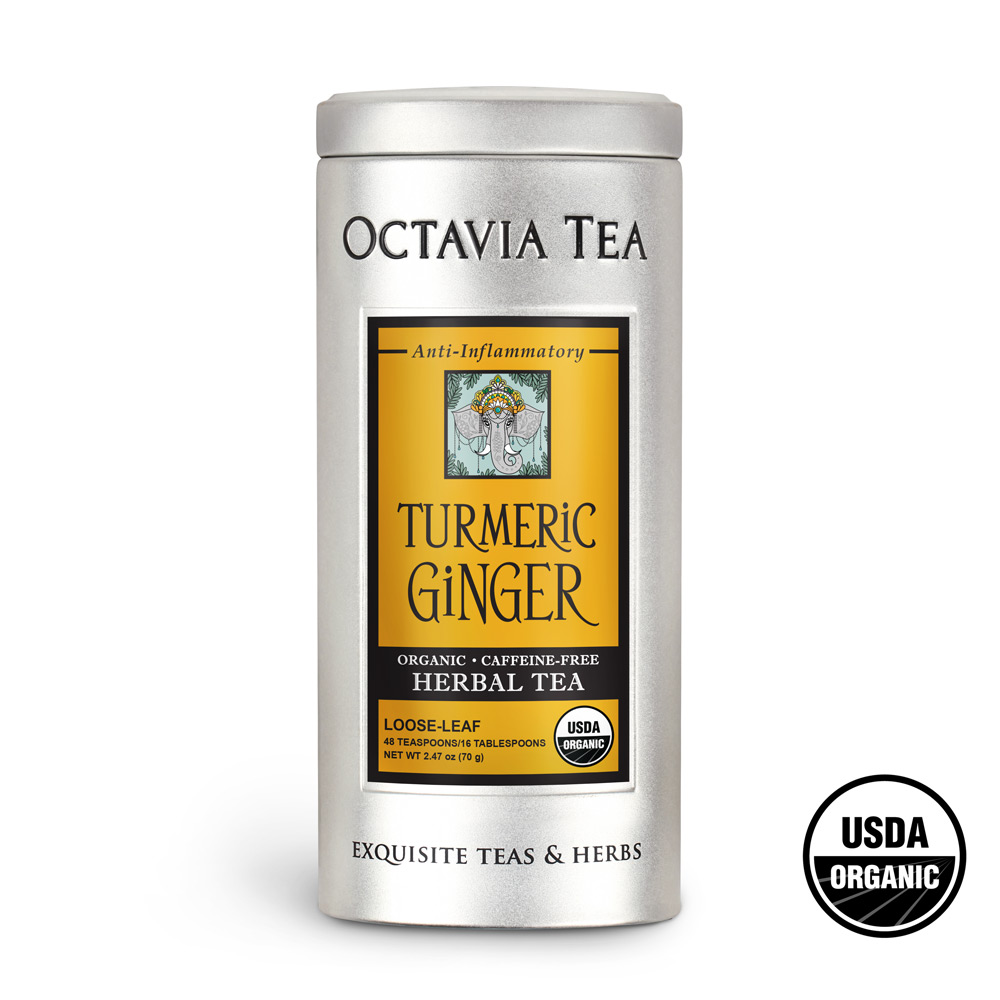
Turmeric Ginger
Chamomile is a powerful anti-inflammatory herb that promotes relaxation in the digestive tract. While known for sleep support, its soothing properties extend directly to your gut. Our Calming Chamomile blend uses whole chamomile flowers to maximize flavor and therapeutic benefit.
Caffeine-Free Tea and Gut Motility
Caffeine can stimulate bowel movements but also increases stomach acid and triggers cramping in sensitive individuals. Caffeine-free tea supports gut health without these negative reactions.
Caffeine-free herbal infusions work with your natural gut motility, peristalsis, the wave-like contractions that move food through your system. Certain herbs support this rhythm by relaxing muscles, while others stimulate gentle movement when needed.
Our Sweet Cinnamon Chai is a 100% caffeine-free alternative to traditional chai, using the same Ayurvedic formula designed to promote longevity, digestion, balance, and circulation without caffeine irritation.
Ginger, present in many of our blends, naturally encourages gut motility without stimulating the nervous system the way caffeine does. This makes caffeine-free tea with ginger an ideal choice for people who want digestive support throughout the day without afternoon jitters or sleep disruption. Consistent reliance on these gentle botanical infusions often complements a broader strategy that incorporates natural supplements for bloating to maintain long-term digestive comfort.
Brewing Techniques for Maximum Nutrient Extraction
Steep time, water temperature, and leaf quality directly determine how many therapeutic compounds you extract and how well your body absorbs them.
Herbal infusions typically need 7-10 minutes to fully release therapeutic compounds, longer than green or black tea. Use water between 195-212°F for most herbal blends.
For maximum benefit: use loose-leaf tea (not bags with broken material), steep for the full recommended time, cover your cup to prevent volatile oils from escaping, and prioritize consistency over occasional strong brews.
A 10-minute steep extracts deeper medicinal constituents that support gut healing and microbiome balance, far more than a quick 3-minute steep.
Medication Interactions and Safety Considerations
Herbal tea is generally safe, but certain botanicals interact with medications or medical conditions. Understanding these interactions allows safe use.
Anticoagulant and Antiplatelet Medications
Ginger and turmeric have mild anticoagulant properties. If you take warfarin, clopidogrel, or aspirin, inform your healthcare provider before consuming these teas regularly. Occasional consumption is safe; daily use warrants discussion with your doctor.
Sedatives and Central Nervous System Depressants
Chamomile has mild sedative properties and may enhance benzodiazepines or other sedating medications. If you take these, avoid chamomile in the evening or before activities requiring alertness.
Blood Pressure Medications
Chamomile and hibiscus may lower blood pressure slightly. If you take antihypertensive medications, monitor for dizziness or lightheadedness and inform your healthcare provider of regular consumption.
Diabetes Medications
Cinnamon, which appears in several digestive blends, may lower blood sugar slightly. If you take insulin or sulfonylureas (like glyburide), monitor your blood sugar levels when starting cinnamon tea. The effect is usually modest, but combined with medication, it could theoretically increase hypoglycemia risk. Discuss with your healthcare provider or diabetes educator before making cinnamon tea a daily habit.
Stomach Acid and GERD Medications
If you take proton pump inhibitors (like omeprazole) or H2 blockers (like famotidine) for acid reflux, be cautious with peppermint. Peppermint relaxes the lower esophageal sphincter, the muscle that prevents stomach acid from backing up into your esophagus. For some people with GERD, this worsens symptoms. Ginger and chamomile are safer choices if you have reflux disease. If you want to try peppermint despite GERD, start with a small amount and observe your symptoms carefully.
Pregnancy and Nursing
Most herbal teas are safe during pregnancy, but some warrant caution. Ginger is well-studied and generally considered safe for pregnancy-related nausea, though some practitioners recommend limiting intake to 1-2 cups daily. Peppermint in tea form is typically safe, though some sources suggest avoiding it in the first trimester out of abundance of caution. Turmeric in food amounts is fine, but concentrated turmeric supplements may stimulate uterine contractions and should be avoided. Chamomile has been used traditionally during pregnancy but some practitioners recommend limiting it. If you're pregnant or nursing, discuss herbal tea consumption with your obstetrician or midwife before making it a regular practice.
Individual Sensitivity and Digestive Conditions
Beyond medication interactions, certain digestive conditions require specific caution:
- GERD: Peppermint can worsen symptoms; ginger and chamomile are better choices.
- IBS with diarrhea: Ginger and some spiced blends may increase motility; chamomile is gentler.
- IBS with constipation: Ginger and peppermint support motility; these are appropriate choices.
- Inflammatory bowel disease (Crohn's or ulcerative colitis): Herbal tea can support healing, but discuss with your gastroenterologist. Some herbs may interact with immunosuppressant medications used to treat IBD.
Starting Safely
Begin with small amounts, one cup every other day, and observe how your body responds over 3-5 days before increasing frequency.
Top Herbal Tea Blends for Digestive Wellness
The best herbal tea for your gut health depends on your specific digestive concern and how your body responds to different botanicals. Here's a guide to Octavia Tea's most effective blends for digestive support:
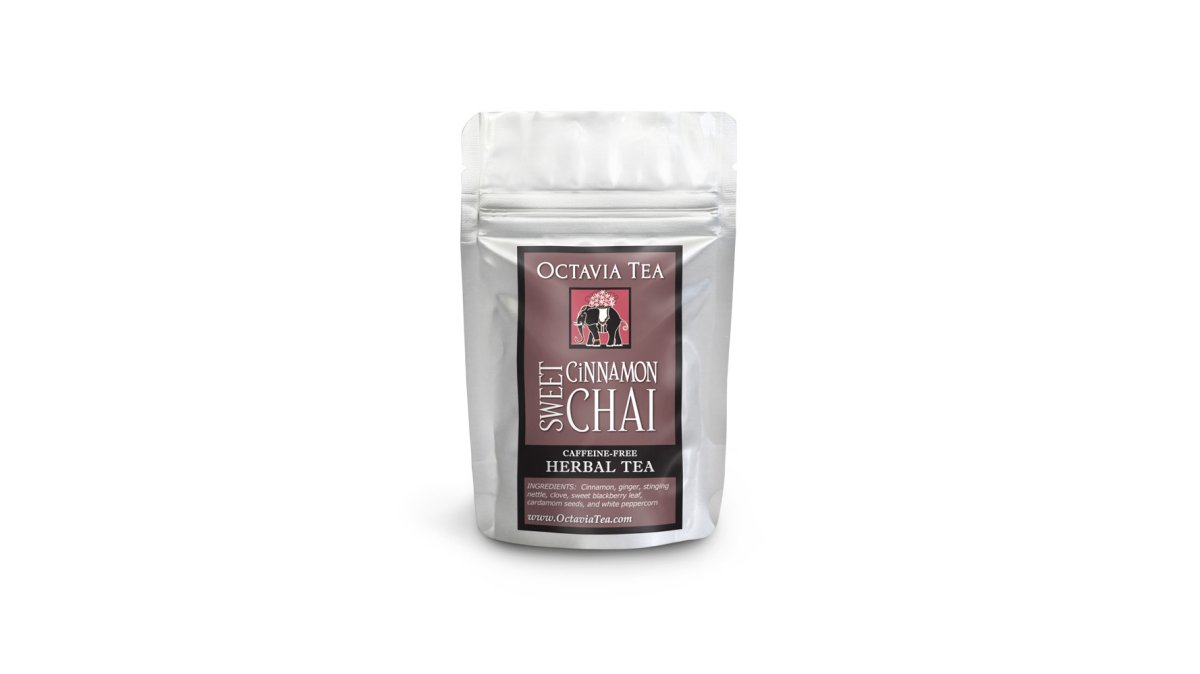
Sweet Cinnamon Chai
Blend | Primary Benefit | Best For | Price |
|---|---|---|---|
Gas and cramping relief | Bloating and IBS comfort | $3.50 | |
Lemon Ginger | Nausea and motility support | Sluggish digestion | $3.50 |
Turmeric Ginger | Anti-inflammatory healing | Chronic digestive inflammation | $4.00 |
Calming Chamomile | Gut soothing and relaxation | Sensitive, irritated digestive tract | $3.50 |
Herbal Detox | Liver support and circulation | Supporting overall digestive health | $3.50 |
Sweet Cinnamon Chai | Gentle motility and balance | Caffeine-free digestive support | $3.50 |
Frequently Asked Questions
What herbal tea is best for supporting gut health?
Peppermint and ginger-based herbal teas are among the most researched for digestive support. Peppermint has been traditionally used to soothe abdominal discomfort and bloating, while ginger may aid digestion and reduce nausea. Caffeine-free options like Pacific Peppermint or Lemon Ginger allow you to enjoy these benefits without stimulating gut motility unnecessarily. The best choice depends on your specific digestive concerns—bloating, cramping, or general inflammation.
Can you drink herbal tea daily to improve digestive health?
Yes, most people can safely enjoy herbal tea daily as part of a wellness routine. Caffeine-free herbal teas like chamomile and peppermint are gentle enough for regular consumption and may support long-term gut microbiome balance. However, if you take medications or have underlying digestive conditions like irritable bowel syndrome, consult your healthcare provider first to ensure no interactions occur. Rotating between different herbal blends provides variety and may expose your microbiota to different beneficial botanicals.
How do brewing techniques affect the health benefits of herbal tea?
Steeping time and water temperature directly influence nutrient extraction and bioavailability. Longer steeping—typically 5-10 minutes for most herbal infusions—allows more active compounds like antioxidants and anti-inflammatory agents to dissolve into the water. Using water that is hot but not boiling (around 200-212°F) preserves delicate botanical compounds better than rapid boiling. Covering your cup while steeping prevents volatile essential oils from escaping, maximizing the therapeutic potential of your tea.
Are there herbal teas that help with bloating without caffeine?
Absolutely. Caffeine-free herbal teas specifically designed for bloating relief include peppermint, which relaxes intestinal muscles and reduces gas, and ginger-based blends, which may enhance digestive enzymes and gut motility. Turmeric-based teas offer anti-inflammatory support without caffeine stimulation. Options like Pacific Peppermint and Lemon Ginger are naturally caffeine-free and formulated to address cramping and bloating. Since caffeine can sometimes trigger digestive sensitivity in some people, choosing caffeine-free varieties ensures you're supporting rather than stressing your digestive tract.


Octavia Tea Sign In
Create New Account