























Lime Blossom Tea: A Complete Brewing & Benefits Guide

Table of Contents
- What Is Lime Blossom Tea?
- Linden vs. Lime Blossom: Understanding the Botanical Name
- Organic Loose Leaf Tea Benefits of Lime Blossom
- How to Brew Loose Leaf Lime Blossom Tea
- Flavor Profile and Sensory Experience
- Traditional Uses and Culinary Pairings
- Sustainability and Ethical Sourcing
- Frequently Asked Questions
Last Updated: September 19, 2026
What Is Lime Blossom Tea?
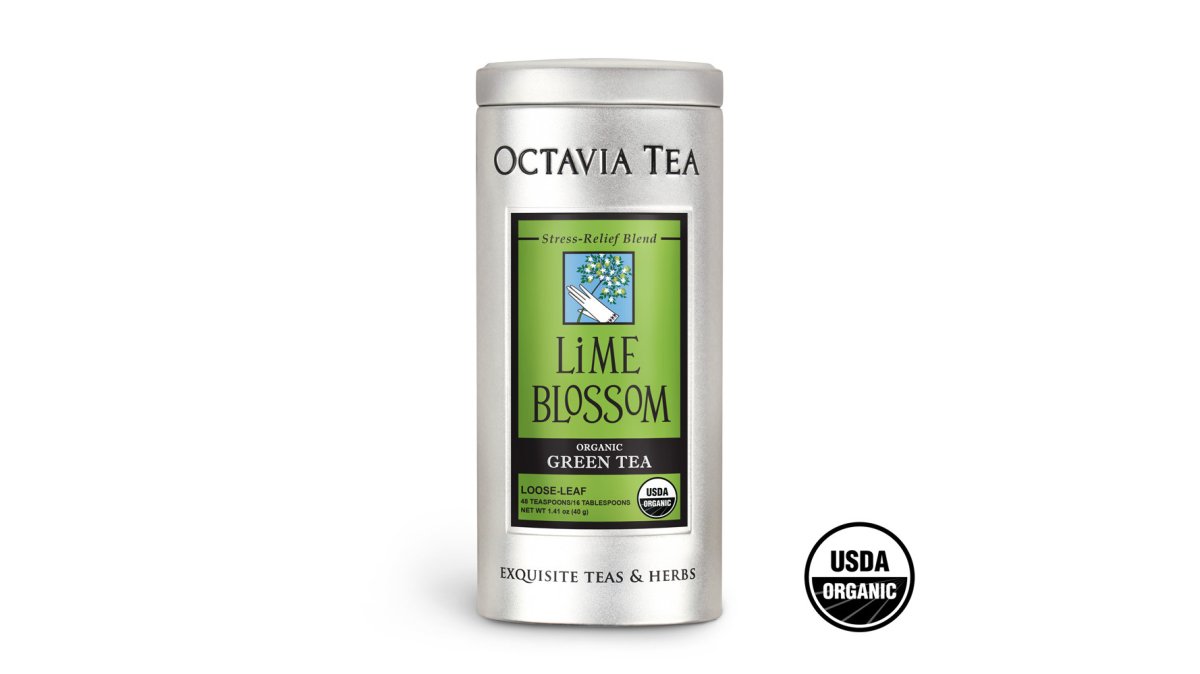
Lime blossom tea is a caffeine-free herbal infusion made from the dried flowers of the linden tree, steeped in hot water to create a delicate, fragrant beverage. The botanical name for this plant is Tilia, and the tea delivers gentle notes of lime, lemongrass, and tropical citrus without any hint of bitterness. At Octavia Tea, we've sourced premium lime blossom from the world's finest estate gardens, hand-blending it with natural essential oils to create a rejuvenating infusion rich in antioxidants.

This herbal tea has been treasured across Europe for centuries, particularly in traditional herbal medicine systems where it's valued for its calming properties. The blossoms themselves are fragrant and delicate, releasing their essential oils when steeped properly. What makes lime blossom tea distinctive is its ability to deliver both flavor complexity and a soothing sensory experience in a single cup.
The appeal of lime blossom tea extends beyond taste. Many practitioners turn to this infusion as part of their daily wellness rituals, drawn to its rejuvenating qualities and the meditative act of brewing loose leaf tea. Unlike tea bags, which contain broken leaves and dust, loose leaf lime blossom preserves the integrity of the blossoms, allowing for a fuller flavor profile and more complete extraction of beneficial compounds.
Linden vs. Lime Blossom: Understanding the Botanical Name
The term "lime blossom tea" and "linden tea" refer to the same plant, though the naming can confuse newcomers to herbal tea. The botanical name is Tilia, and the common names vary by region and language. In Europe, particularly France, it's called tilleul. In English-speaking markets, both "linden" and "lime blossom" are used interchangeably, though "lime blossom" emphasizes the citrus notes in the flavor profile.
This botanical distinction matters when you're sourcing lime blossom tea for your collection. The Tilia genus includes several species, Tilia cordata (small-leaved linden), Tilia platyphyllos (large-leaved linden), and Tilia americana (American linden), each with slightly different flavor profiles and growing conditions. The most prized varieties for tea production come from European estate gardens where the trees have been cultivated for generations.
Understanding the Tilia connection helps you navigate tea sourcing conversations with suppliers. When someone references "linden," they're discussing the same botanical plant that produces lime blossom flowers. The difference is purely linguistic and regional. For tea enthusiasts building their collection, knowing both names prevents confusion when comparing products across different brands or international sources.
The confusion between "lime" and "linden" is worth clarifying: the tea contains no actual lime fruit. Instead, the name references the subtle citrus undertones present in the brewed infusion. This distinction becomes important when you're describing the tea to customers or fellow tea enthusiasts who might expect actual lime flavor.
Organic Loose Leaf Tea Benefits of Lime Blossom
Lime blossom tea delivers multiple wellness-oriented benefits that have made it a staple in traditional herbal medicine systems across Europe and beyond. The infusion is rich in antioxidants and contains compounds that support overall wellness when consumed as part of a regular routine. Many find that lime blossom tea offers a gentle, calming effect, making it an ideal choice for evening consumption or moments requiring tension reduction.
The herbal infusion is recognized in herbal traditions for its ability to promote a sense of calm (Anticonvulsant and Antioxidant Effects of Tilia americana var. mexicana and Flavonoids...). This is gentle support, not a pharmaceutical intervention.
The anti-aging properties associated with lime blossom tea stem from its antioxidant content. These compounds help protect cells from oxidative stress, supporting skin health and overall vitality when the tea is consumed regularly (Antioxidant mechanism of tea polyphenols and its impact on health benefits). The rejuvenating quality extends beyond physical wellness, many tea drinkers find the sensory experience of brewing and sipping lime blossom tea to be part of its therapeutic value.
Choosing organic loose leaf lime blossom ensures you're consuming a product free from pesticides and synthetic additives. Octavia Tea's lime blossom is USDA certified organic, meaning every step from cultivation through processing meets rigorous standards. This certification provides transparency and peace of mind for health-conscious consumers who prioritize purity in their wellness products.
How to Brew Loose Leaf Lime Blossom Tea
Brewing loose leaf lime blossom tea properly transforms the dried blossoms into a fragrant, flavorful infusion. The process is straightforward but requires attention to temperature and timing to extract the full complexity of the tea without creating bitterness.
Water Temperature and Steeping Time for Herbal Tea
The ideal water temperature for lime blossom tea is 160-180°F, slightly cooler than boiling water. Using water that's too hot can extract unwanted compounds and create a harsh, bitter taste. If you don't have a thermometer, let boiling water cool for 3-5 minutes before pouring, this simple step makes a measurable difference in the final cup.
Steeping time for herbal tea like lime blossom typically ranges from 5-7 minutes. Start at the lower end if you prefer a lighter infusion and extend to 7 minutes for a deeper, more floral flavor. The blossoms continue to release their essential oils throughout the steeping period, so timing directly affects the intensity of both flavor and aroma.
Here's the step-by-step brewing process:
- Heat water to 160-180°F (or let boiling water cool for 3-5 minutes)
- Add 1 teaspoon of loose leaf lime blossom per 8 oz cup
- Pour hot water over the blossoms
- Steep for 5-7 minutes, depending on desired strength
- Strain through a fine mesh infuser or strainer
- Drink immediately or allow to cool for iced consumption
Flavor Profile and Sensory Experience
The flavor profile of lime blossom tea is one of its most distinctive characteristics. The primary taste is floral and delicate, with subtle citrus undertones that give the tea its name. These aren't aggressive flavors, they're gentle, refined notes that unfold as you sip. The sensation is both calming and slightly rejuvenating, creating a balanced sensory experience.
The aroma is equally important. When you first pour hot water over the dried blossoms, the fragrant essential oils release, filling the space with a sweet, floral scent with hints of lemongrass and tropical citrus. This olfactory component is part of what makes loose leaf lime blossom a complete wellness ritual rather than simply a beverage.
Tasting lime blossom tea reveals layers. The initial sip delivers the primary floral sweetness. As the tea cools slightly, the citrus undertones become more pronounced. There's no bitterness if brewed correctly, only a clean, refreshing finish. The mouthfeel is light and delicate, never heavy or astringent.
The sensory experience varies slightly based on water quality and brewing precision. Chlorinated water can mask the subtle flavors, so filtered water is worth the minor extra effort. Similarly, the 5-7 minute steeping window directly affects whether you experience the full complexity or a more subdued version of the tea's character.
Traditional Uses and Culinary Pairings
Lime blossom tea has deep roots in European herbal traditions, particularly in France where tilleul is considered a staple evening beverage. Traditionally, it was prepared as a nervousness and mild anxiety remedy, consumed after dinner to promote relaxation and support restful sleep. This historical use aligns with modern wellness practices where the tea serves as part of evening routines designed to support calm and tension reduction.
Beyond wellness applications, lime blossom tea pairs beautifully with light desserts and afternoon snacks. The floral, citrus notes complement delicate pastries, shortbread cookies, and fruit-based desserts. The tea's lack of bitterness makes it approachable even for those new to herbal infusions, creating an accessible entry point into loose leaf tea exploration.
Culinary professionals use lime blossom in creative applications beyond simple brewing. The dried blossoms can be infused into syrups for cocktails, incorporated into baking recipes for subtle floral notes, or used to create fragrant honey infusions.
Sustainability and Ethical Sourcing
The sourcing of lime blossom tea directly impacts both environmental sustainability and the livelihoods of farming communities. Ethical sourcing means working directly with estate gardens that practice sustainable cultivation methods, ensuring that harvesting doesn't deplete resources or damage ecosystems. This approach requires transparency throughout the supply chain, from tree cultivation through final packaging.
Frequently Asked Questions
What is lime blossom tea good for?
Lime blossom tea is traditionally used to support relaxation and tension reduction. This herbal infusion contains antioxidants and is valued for its calming properties. Many people enjoy it as part of a daily wellness routine, particularly in the evening. The tea is caffeine-free, making it suitable for any time of day without disrupting sleep.
Is it safe to drink lime blossom tea every day?
Yes, lime blossom tea is generally safe for daily consumption. As a caffeine-free herbal infusion, it poses no concerns for regular use. However, individuals with allergies to plants in the Tilia family should avoid it. If you are pregnant, nursing, or taking medications, consult a healthcare provider before adding any new herbal tea to your daily routine.
How does loose leaf lime blossom tea differ from tea bags?
Loose leaf lime blossom tea offers superior flavor, aroma, and antioxidant content compared to tea bags. The dried blossoms and leaves have more room to unfurl and release their essential oils and beneficial compounds during steeping. Loose leaf tea also eliminates paper dust and allows you to control steeping time precisely, resulting in a more rejuvenating infusion with cleaner taste.
Does lime blossom tea contain caffeine?
No, lime blossom tea is completely caffeine-free. It is a pure herbal infusion made from the dried blossoms of the Tilia tree, not from the Camellia sinensis plant that produces traditional caffeinated teas. This makes it an ideal choice for evening enjoyment or anyone seeking to reduce caffeine intake.


Octavia Tea Sign In
Create New Account