























Best Herbal Tea Blends for Cafes: A 2026 Guide

Table of Contents
- Why Herbal Tea Blends Belong on Every Cafe Menu
- Top Herbal Tea Blends for Cafes: A Quick Comparison
- How to Brew Loose Leaf Tea in a Cafe
- Seasonal Tea Menu Ideas for Cafes
- Choosing Loose Leaf Tea Wholesale Suppliers
- Cost-Per-Cup, Equipment, and Menu Pairing for Cafes
- Conclusion
- Frequently Asked Questions
Last Updated: September 12, 2026
Why Herbal Tea Blends Belong on Every Cafe Menu
The best herbal tea blends for cafes sell consistently, brew reliably at volume, and carry a margin that justifies the shelf space. At Octavia Tea, we've watched cafe operators rebuild their beverage programs around caffeine-free infusions because they serve customers at 3 p.m. as easily as 7 a.m.
Coffee drinkers hit a ceiling around midday. Herbal tea doesn't have one. A well-built herbal selection extends your selling hours, gives non-coffee drinkers a reason to walk in, and adds a category with almost no equipment overhead. The Specialty Food Association industry research has tracked sustained growth in wellness-oriented beverage categories, and cafes are where most customers first meet loose leaf.
Here's what this guide covers: which blends to stock, how to brew them without a dedicated tea station, how to rotate by season, and how to source wholesale.
Top Herbal Tea Blends for Cafes: A Quick Comparison
Three blends do most of the work on a cafe menu: a calming option, a citrus-ginger option, and a detox-style botanical blend. Together they cover the bulk of herbal orders without bloating inventory.
Blend | Flavor Profile | Caffeine | Best For | Price |
|---|---|---|---|---|
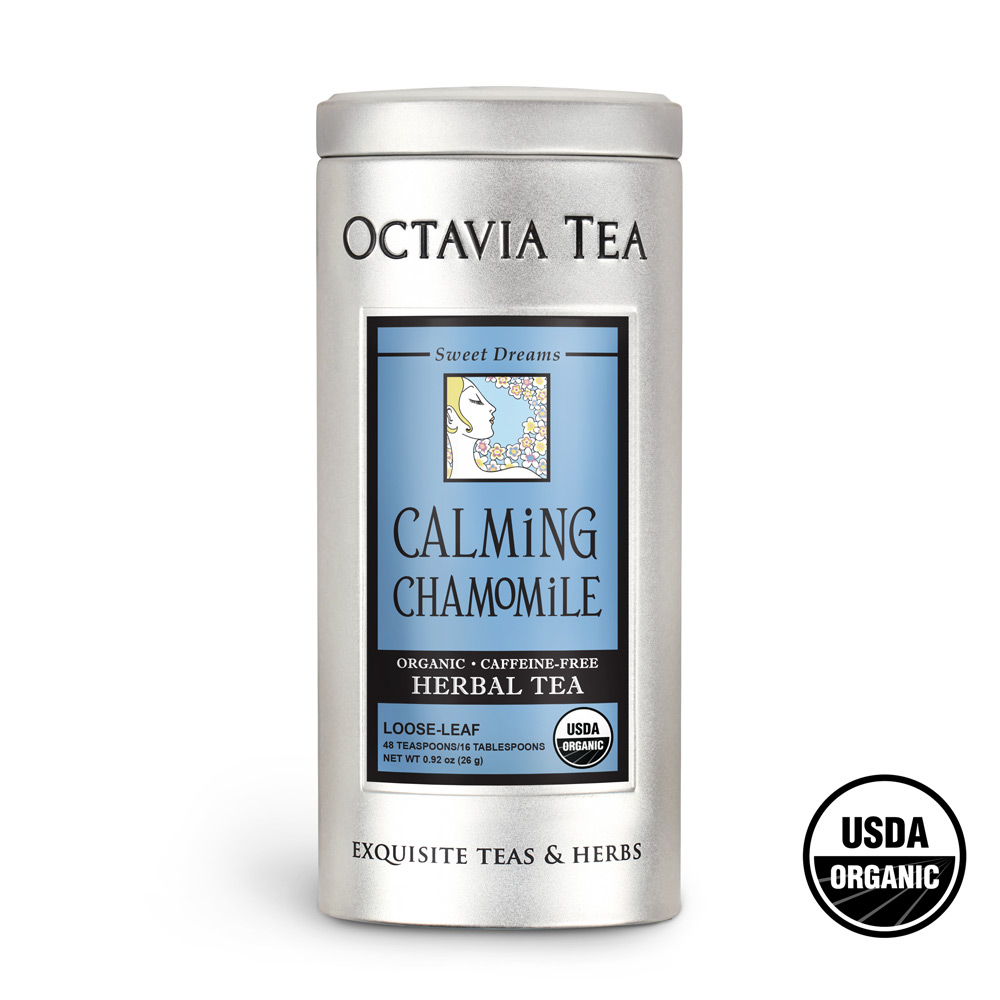
Honey, apple blossom, soft floral | None | Evening and after-dinner service | $3.50 | |
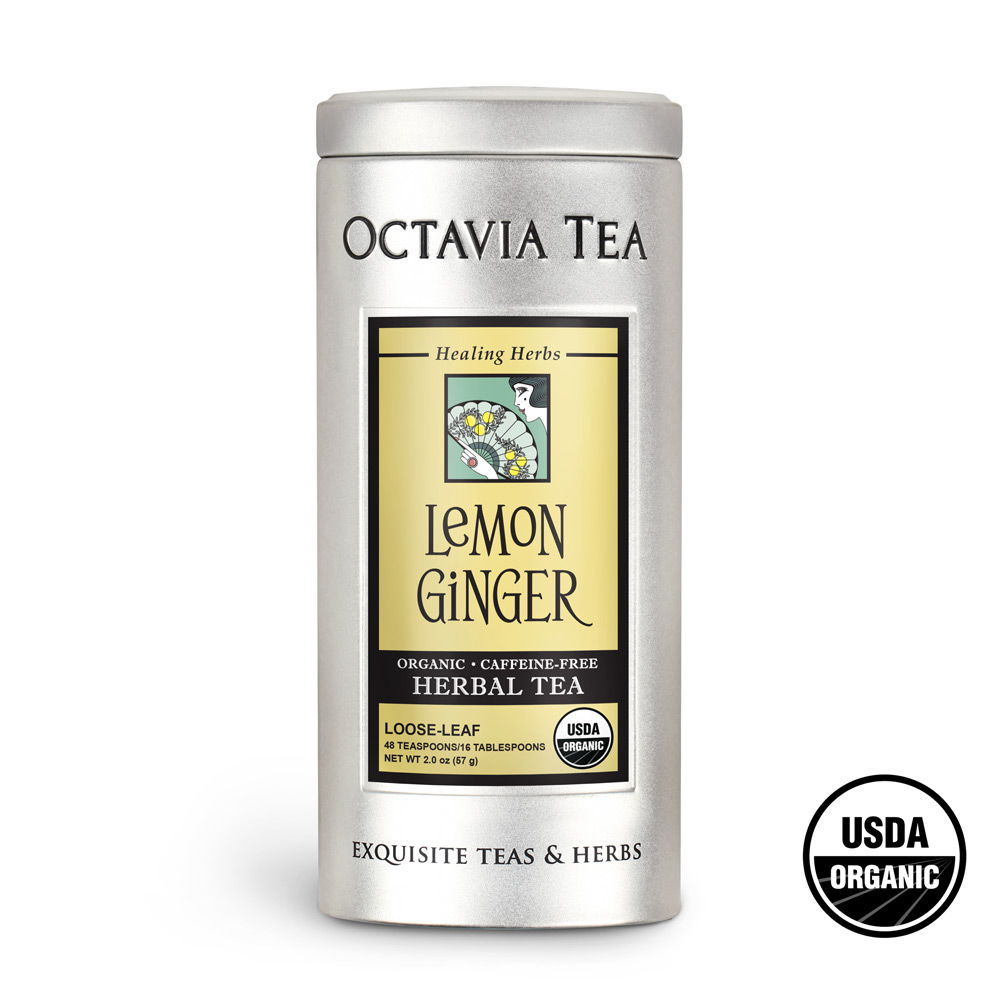
Bright citrus, warm ginger heat | None | Morning, wellness, upset stomach | $3.50 | |
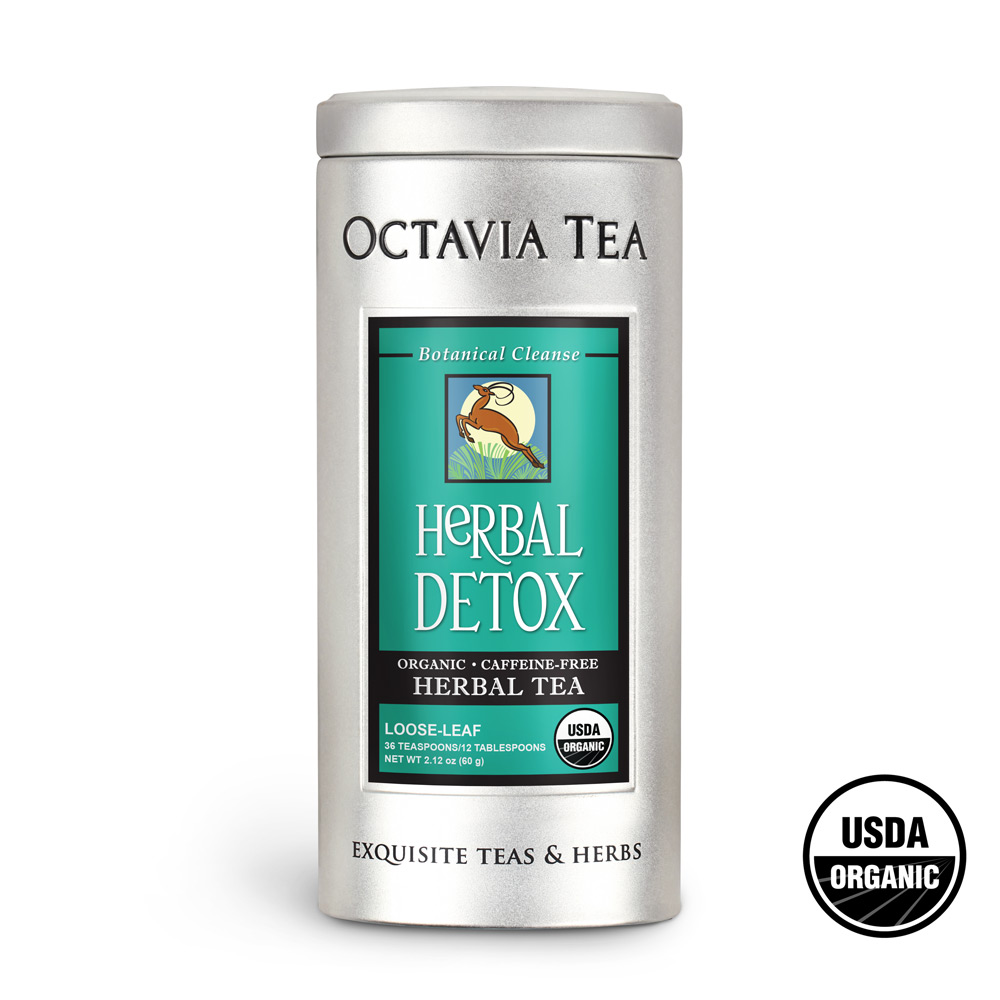
Smooth, earthy, balanced roots | None | Post-holiday and January menus | $3.50 |
Calming Chamomile
Whole chamomile flowers, not dust and fannings, separate a memorable cup from a forgettable one. Octavia Tea's Calming Chamomile uses whole flowers for a fragrance closer to honey and fruit blossom than the hay-like note cheap bagged versions carry.
Lemon Ginger
Ginger and lemongrass give this blend a bite that reads as functional rather than delicate. Customers order it when they feel a cold coming on, when their stomach is unsettled, or before a meal. Octavia Tea's Lemon Ginger is naturally caffeine-free and holds its citrus aroma through a long steep.
Herbal Detox
Detox blends are the ones owners underestimate. They sell hardest in January and after long holiday weekends, and they attract customers who read ingredient lists. Octavia Tea's Herbal Detox is built on gentle roots and botanicals with a smooth finish rather than the bitter edge many cleansing blends carry.
How to Brew Loose Leaf Tea in a Cafe
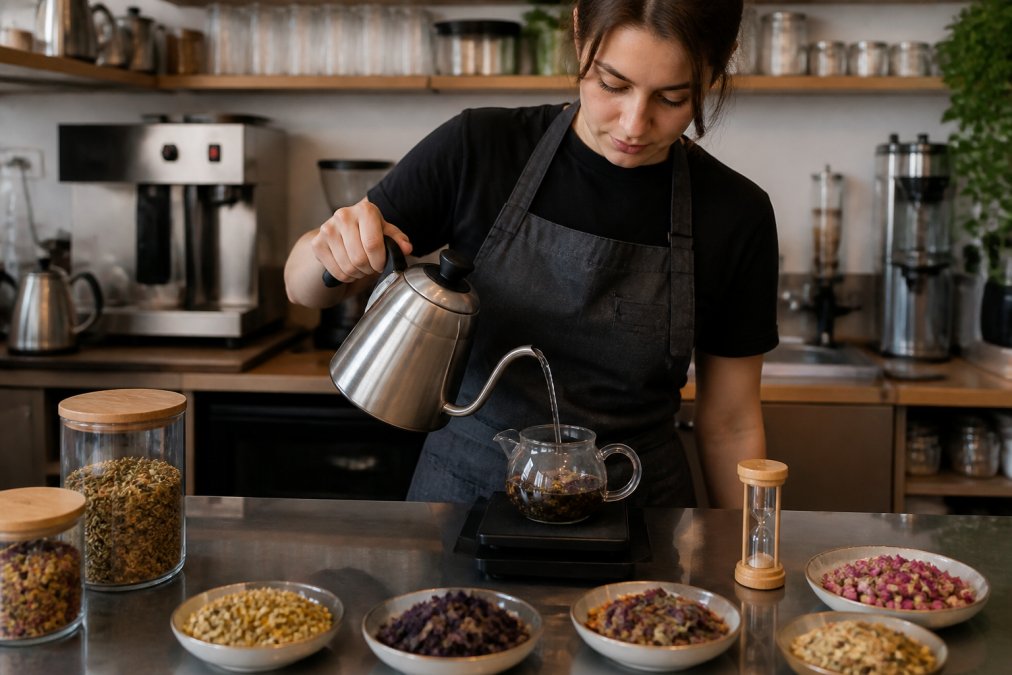
Brewing loose leaf tea in a cafe comes down to three variables: water temperature, leaf-to-water ratio, and time. Get those right and a barista with no tea background can produce a consistent cup during a rush.
For a 12 oz serving, start with roughly 2 to 3 grams of loose leaf, or about one heaping teaspoon. Herbal infusions want a longer steep than true teas because the botanicals are denser; five to seven minutes is a reasonable starting window (teausa.org).
Water Temperature and Steeping Time by Tea Type
Water temperature and steeping time are the two numbers your staff needs posted above the tea station.
- Herbal and rooibos blends: 200-212°F, 5-7 minutes
- Green tea and mint blends: 160-180°F, 2-3 minutes
- Black tea and chai: 200-212°F, 3-5 minutes
- Iced and cold brew: cold water, 8-12 hours refrigerated
Seasonal Tea Menu Ideas for Cafes
Seasonal tea menu ideas work best when you rotate a small number of blends rather than rewriting the whole list. Keep two or three year-round anchors, then swap two slots by season.
Spring and Summer: Iced and Cold Brew Herbal Teas
Cold brew herbal tea is the easiest seasonal addition a cafe can make: no heat, no new equipment beyond a pitcher and refrigerator space. Steep loose leaf in cold water overnight, strain in the morning, and hold it chilled.
Fall and Winter: Warming Chai and Spiced Blends
Chai is where the winter margin lives. A spiced chai latte sells for considerably more than a plain cup because it includes milk and, often, a house-made syrup or a dusting of spice on top.
Choosing Loose Leaf Tea Wholesale Suppliers
Choosing a loose leaf tea wholesale supplier comes down to four questions: certification, freshness, minimum order size, and restock speed. Ask all four in writing before you commit to a first order.
Certification should be verifiable, not just claimed on a label. USDA certified organic status is the baseline most wellness-focused customers look for, and it should be documented rather than asserted. Ask for the certifying agent's name and certificate number, then confirm it against the USDA Organic Integrity Database. For imported botanicals, also ask whether the shipment cleared customs with a National Organic Program import certificate, organic claims on imported herbs are the most common place cafes get burned.
Freshness determines flavor more than almost anything else. Loose leaf tea is an agricultural product, and aroma fades with age and poor storage. Whole leaf holds its character far longer than broken grades. Ask two questions: what is the harvest date on the lot you're buying, and how is it stored before it ships? A supplier who can name the harvest month and describe nitrogen-flush or foil-lined storage is operating at a different level than one who answers "it's fresh." A whole-leaf herbal blend holds its aroma for roughly a year in a sealed, light-blocking container, while broken grades go flat in a few months (peer-reviewed research).
Minimum order size is where new wholesale accounts get stuck. Many suppliers set minimums that make sense for a grocery chain and are impossible for a single cafe. Low minimums let you test a blend before committing shelf space. Compare minimums per SKU, not per order, a low overall minimum with a high per-blend minimum still locks you into inventory you may not sell.
Restock speed matters once a blend becomes a bestseller. Ask how quickly a reorder ships before you build a menu around a product, and what happens when a lot sells out mid-season. The best answer names a specific reorder window and a substitute lot; the worst is silence.
What to Ask Before You Sign
A short script saves months of friction. Ask each prospective supplier:
- What is the harvest date on the current lot, and how is it stored?
- Can you send the organic certificate and certifying agent name?
- What is the minimum per blend, not just per order?
- What is the typical reorder turnaround, and what happens if a lot sells out?
- Do you offer sample sizes so we can cup before committing?
Cost-Per-Cup, Equipment, and Menu Pairing for Cafes
Cost per cup, brewing equipment, and food-menu pairing are the three operational levers a cafe owner actually controls.
Cost-Per-Cup Math
Cost per cup decides whether a tea program is worth running, and it's lower than most owners assume. Loose leaf bought wholesale costs a fraction of the per-serving price of a comparable cafe drink.
The math needs two numbers: wholesale cost per ounce and the gram weight per 12 oz serving. A typical herbal serving runs 2 to 3 grams; at 28 grams to the ounce, a one-pound bag yields roughly 150 to 225 servings. Divide the bag cost by that range for your ingredient cost per cup, before milk, sweetener, or a paper cup.
Run that number against your menu price for a gross margin per cup. Herbal tea's advantage over coffee is that ingredient cost is a small fraction of retail and the labor is a single pour. The trade-off is lower volume, so track margin per shelf-foot per week as well as per cup.
To test a new blend: cup it, price it, and watch units moved in the first two weeks. If it isn't covering its shelf space against your next-best alternative, rotate it out. That discipline separates a tea program that grows from one that accumulates dead inventory.
Equipment Requirements
Equipment requirements are minimal. A temperature-controlled kettle, a gram-accurate scale, a timer, and two or three infuser baskets cover nearly everything. You don't need a dedicated tea station to start; a corner of the existing bar works.
A gram-accurate scale matters more than most owners expect. Volume measures for loose leaf are unreliable because leaf density varies wildly between a fluffy chamomile and a dense root blend. Weighing removes that variable.
For volume service, two or three infuser baskets in rotation let you brew the next order while the previous one steeps; a hot-water rinse between uses prevents flavor carryover. For summer iced tea, add a pitcher and refrigerator space, cold brew needs nothing more.
Pairing Herbal Blends With Your Food Menu
Menu pairing is the angle most cafes miss. Herbal blends pair naturally with pastry and lighter food, and a pairing suggestion on the menu board moves units.
The practical move is to print one pairing suggestion next to each herbal blend. It costs nothing, signals the tea was chosen deliberately, and gives an undecided customer a reason to pick tea over the default coffee.
Conclusion
Building a herbal tea program is a margin decision as much as a menu decision. Blend selection is straightforward once you anchor on a calming option, a citrus-ginger option, and a detox-style blend, then rotate seasonally around them.
Octavia Tea supplies over 120 organic loose leaf teas sourced directly from estate gardens, hand-blended with natural flavor essences and pure essential oils and no artificial ingredients. Wholesale accounts start with low minimums, so you can test a blend before committing, and every product is USDA certified organic. Browse the collection and add your first blends to the bag.
Frequently Asked Questions
What are the best caffeine-free herbal tea blends for an evening cafe menu?
Calming Chamomile and Lemon Ginger are two strong options for evening service. Chamomile has a honey-like aroma and supports relaxation, while Lemon Ginger offers a caffeine-free blend of citrus botanicals and ginger. Both are herbal tisanes, so they will not keep customers awake. Offering at least two caffeine-free blends gives evening guests a reason to order a second cup instead of switching to decaf coffee.
How do I choose a wholesale supplier for loose leaf herbal tea?
Look for USDA certified organic verification, transparent sourcing from estate gardens, and low minimum order requirements. Ask whether the supplier hand-blends with natural flavor essences or uses artificial ingredients, since this affects both flavor quality and labeling claims. Request samples before committing to a full order. A supplier that provides clear documentation on farming practices and offers restocking within days will keep your menu consistent and your shelves stocked.
How should herbal tea be stored in a commercial cafe setting?
Store loose leaf herbal tea in airtight, opaque containers away from heat, moisture, and strong odors. Whole leaf teas keep their flavor notes and aroma longer than broken leaf or bagged tea. Label each container with the blend name and receive date, and rotate stock using a first-in, first-out system. Most herbal blends hold peak flavor for six to twelve months when stored properly. Keep small amounts at the brew station and reserve bulk supply in a cool back-of-house area.
Can herbal tea blends pair well with cafe food menus?
Yes. Flavor profiles in herbal blends pair naturally with food. Chamomile works with light pastries and shortbread. Lemon Ginger complements salads and grain bowls. Rooibos-based blends like Gingerbread Chai pair with desserts and spiced baked goods. Chai blends with cinnamon and cardamom match oatmeal, muffins, and breakfast sandwiches. Suggesting a tea pairing on your menu board or at the counter can increase average check size without adding kitchen labor.


Octavia Tea Sign In
Create New Account