























7 Alternatives to Paper Tea Bags for Loose Leaf Tea

Last Updated: November 7, 2026
Quick Summary
The main alternatives to paper tea bags for loose leaf tea are reusable infusers, tea strainers, natural-fiber filters and tea pockets. Each gives leaves more room to expand, and they differ in cost, cleanup and waste. Reusable baskets suit daily brewing, while disposable filters suit travel.
- Brewing Basket (Finum) is a single-cup stainless steel basket priced at $17.99.
- Finum Tea Filters are abaca and cellulose filters sold at $7.50 for 100.
- Tea Pockets (biodegradable) are made from food-grade virgin cotton fibers.
- Remove leaves as soon as the tea reaches your preferred strength to avoid bitterness.
- Try one reusable and one disposable option for a week before committing.
Table of Contents
- Why Look Beyond Paper Tea Bags
- Loose Leaf Tea Infusers Compared: Basket, Ball and Mesh Styles
- How to Brew Loose Leaf Tea Without a Paper Bag
- Reusable Tea Strainers and Natural-Fiber Filters
- Plant-Based and Unbleached Filter Options
- Comparing Alternatives on Cost, Cleanup and Waste
- Choosing Your Setup and Ordering Octavia Tea Infusers and Filters
- Frequently Asked Questions
Why Look Beyond Paper Tea Bags
Most tea drinkers never think about what their tea bag is made of. For many, the paper bag feels harmless. Yet paper tea bags are not always a simple choice, and that is why many people now look for alternatives to paper tea bags when they buy loose leaf tea. Customers often ask the same questions: what is in the bag, how the bag affects flavor, and whether there is a better way to brew. This guide compares seven options so you can decide for yourself.
Paper tea bags come in several forms. Some are unbleached paper, some are bleached, and many are sealed with heat or adhesive. The sealing material is the part shoppers often overlook. Some bags use plastic or synthetic fibers to hold their shape, while others rely on plant-based materials. Reading the packaging helps, but the bag itself often gives little detail, so it pays to know what to look for.
Loose leaf tea gives you more control over the cup. The leaves have room to expand, which can produce a fuller flavor than the fine dust often found in standard bags. Switching to loose leaf does not require giving up convenience. Reusable infusers, natural-fiber filters and fill-your-own pockets all offer a middle path between a traditional bag and a loose pot.
Here are the seven alternatives covered in this guide:
- Stainless steel basket infusers
- Ball and mesh infusers
- Reusable tea strainers
- Abaca and natural-fiber filters
- Biodegradable cotton tea pockets
- Original self-sealing tea pockets
- Unbleached filter options for single cups
Each option has trade-offs in cost, cleanup and waste. We will compare them directly so you can match the right tool to your routine.
Loose Leaf Tea Infusers Compared: Basket, Ball and Mesh Styles
Infusers come in three common shapes, and each suits a different habit. Basket infusers sit inside a cup or small teapot and hold a generous amount of leaf. Ball infusers are compact and tend to restrict leaf expansion. Mesh styles are often the most flexible, but the quality of the mesh matters a great deal.
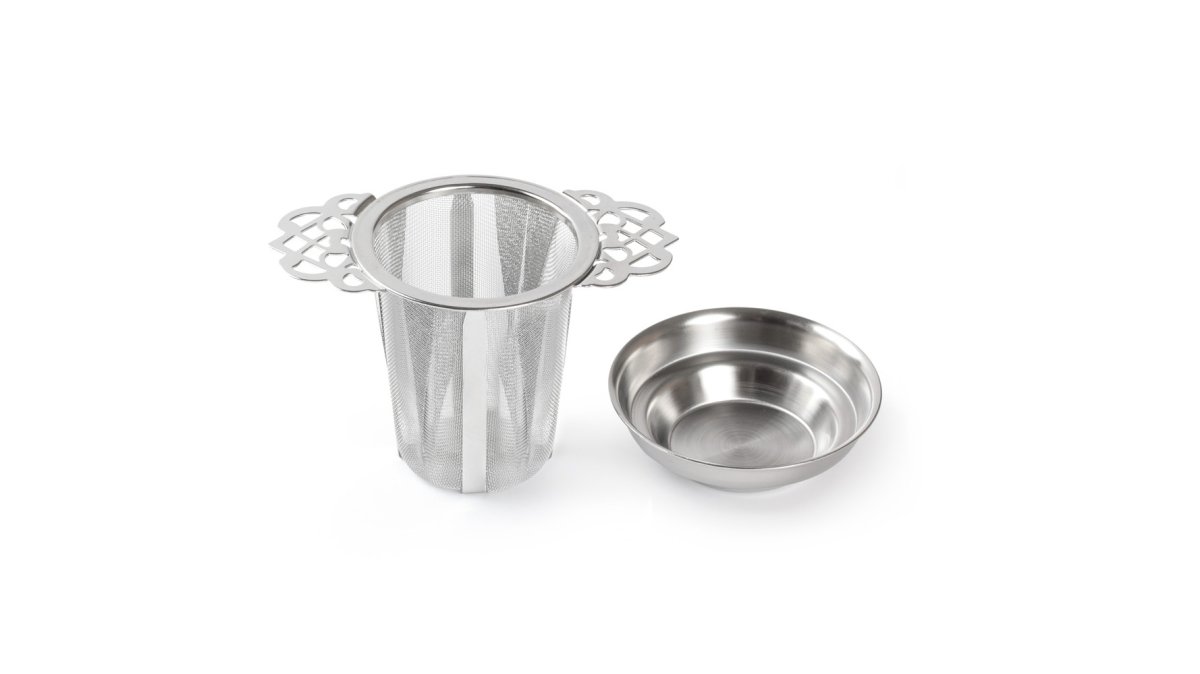
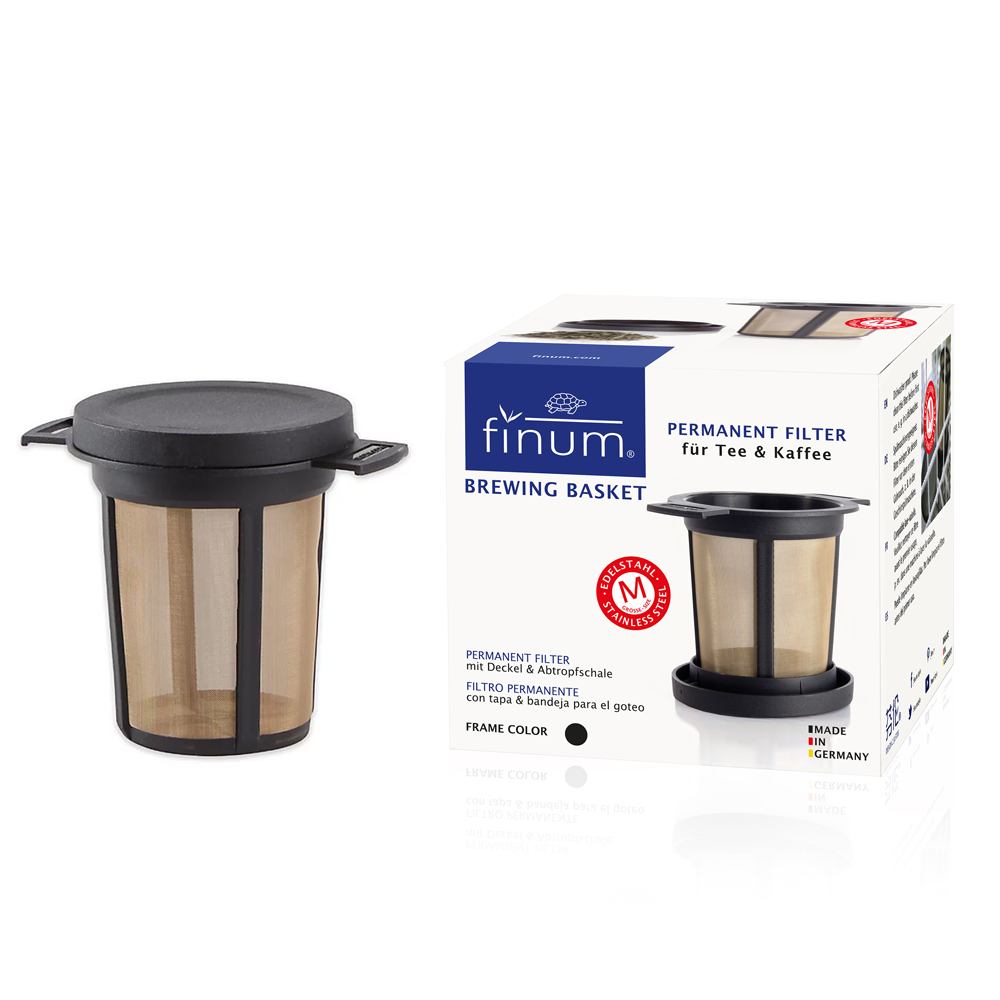
Our Brewing Basket (Finum) is a basket-style option built for a single cup. It uses a tightly woven stainless steel micro-mesh that keeps even small tea particles out of your drink. The depth of the basket allows plenty of room for the leaves to expand. It is dishwasher safe, includes a drip tray, and fits in any cup, mug and most small teapots. It is priced at $17.99.
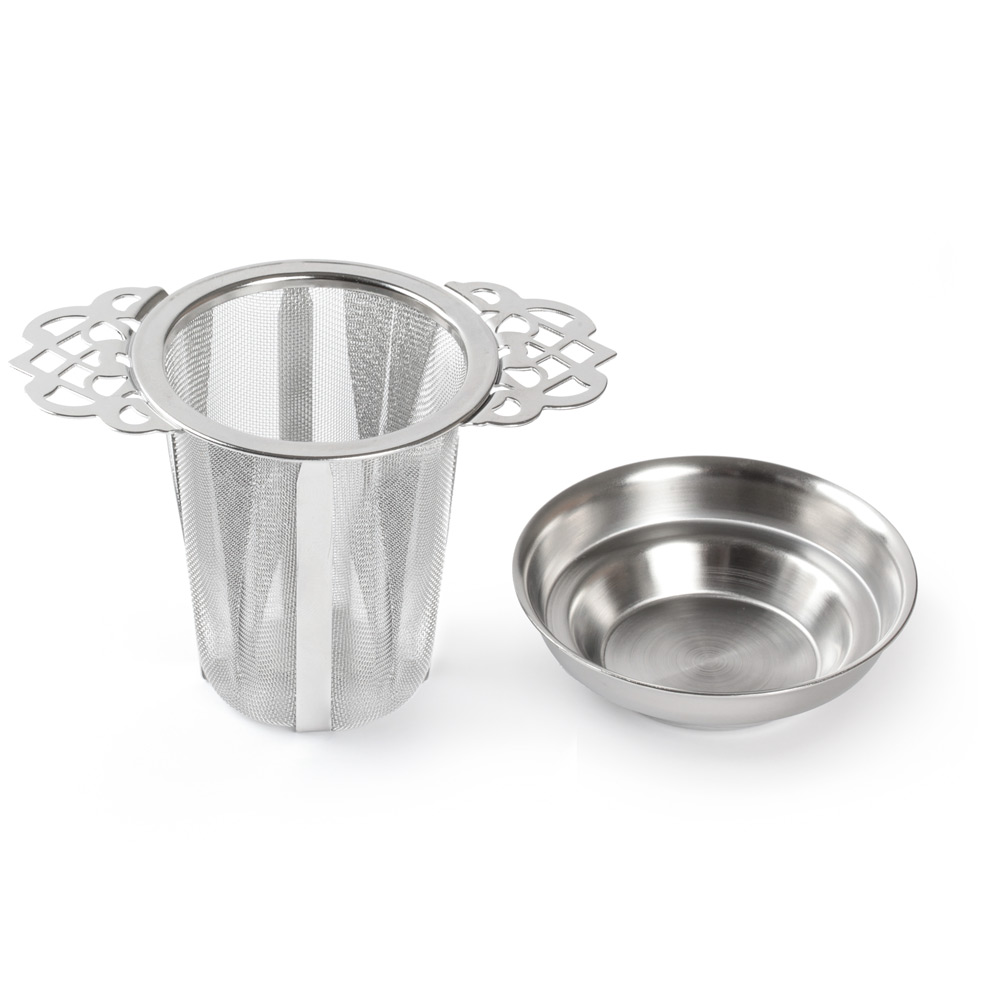
Ball infusers are usually cheaper, but they can cramp the leaves. If you buy one, choose a model with a wide opening so you can fill it without packing the leaves tightly. Mesh styles fall in between. Look for fine, stiff mesh rather than flimsy wire, since loose mesh lets fine particles through. You can find general guidance on loose leaf tea brewing from the Tea Association of the USA for more background on brewing basics.
Best for: Daily drinkers who want a reusable option with a clean cup and easy cleanup. Skip if: You brew large pots most days, since a single-cup basket will feel small.
For the full range, browse our Tea Infusers to compare sizes and styles side by side.
How to Brew Loose Leaf Tea Without a Paper Bag
Brewing loose leaf without a paper bag is simpler than many people expect. You measure leaves, add hot water, steep for the right time and remove the leaves. The main change is that the leaves need space to move, and the water needs to reach them evenly.
Start by choosing an infuser or filter that gives the leaves room. Add the leaves, then pour water that is at the right temperature for the tea type. Check the packaging of your tea for specific guidance, since water temperature and steeping times vary widely. Taste as you go and adjust the time next time.
Removing the leaves at the right moment matters. Leaving leaves in too long can make tea bitter. Lift the infuser out or pull the string on a pocket as soon as the tea reaches the strength you like. A tea pocket with a string makes this step quick, and a basket infuser lets you lift the leaves out in one motion.
Watch out: if you let leaves sit in the water after steeping, the cup keeps getting stronger and more bitter, even after the water cools.
For more brewing guidance, see our loose leaf organic tea collection, and read our loose leaf tea guides before you buy.
Reusable Tea Strainers and Natural-Fiber Filters
Reusable tea strainers are often the simplest, least expensive way to switch away from paper bags. A strainer sits over your cup, and you pour tea through it. It works well for people who brew one cup at a time and want no extra materials to buy.
Natural-fiber filters offer another route. These are disposable filters made from plant fibers that hold loose leaves and let the water flow through. Because the leaves have more space, they can be a step up from a standard bag. Read each product's materials list to confirm what it is made from.
Strainers take a little more effort. You will need to rinse them after each use, and fine tea can slip through a coarse strainer. Choose a fine mesh if you dislike sediment. Filters are quicker, but they add ongoing cost and a small amount of waste.
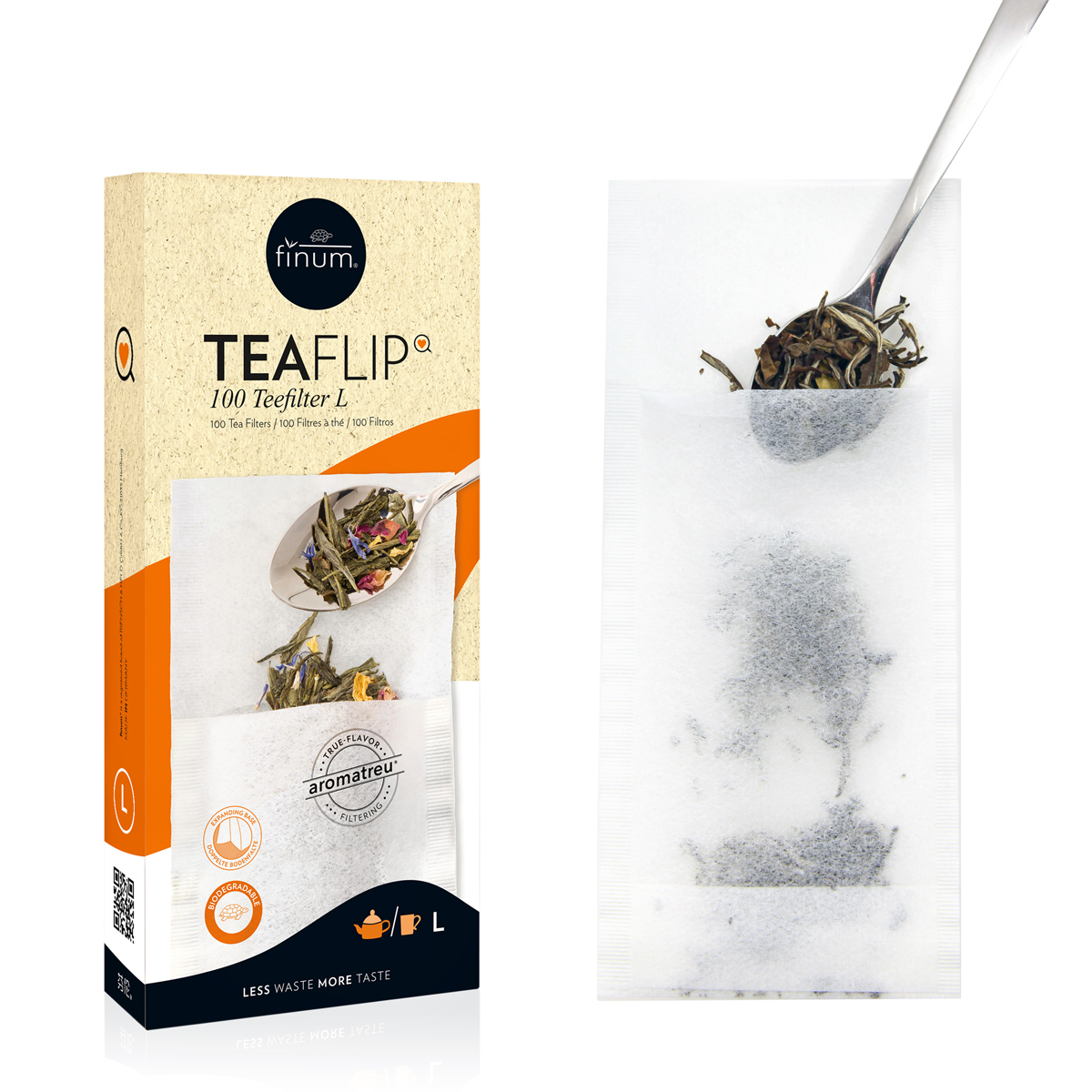
Our Finum Tea Filters (large) are made from abaca pulp, cellulose and sealing fiber, with no glue and no chlorine bleach. They are biodegradable and provide an expanded base so the tea's flavor can fully unfold. A box contains 100 filters at $7.50. They can be used in any cup, mug or pot and are great for tea on the go.
Plant-Based and Unbleached Filter Options
Plant-based and unbleached filters are the part of this category where labels do the most work and reveal the least. Two filters can both say "plant-based" while using different fibers, different sealing methods and different end-of-life paths. Understanding those differences is what separates a genuinely lower-waste choice from a marketing claim.
Start with the fiber.
Then look at how the filter is sealed.
Before you count on any filter breaking down, read the product's disposal instructions and check your local waste rules, since programs for tea filters vary.
Our Finum Tea Filters (large) are made from abaca pulp and cellulose, with no glue and no chlorine bleach. They are described as biodegradable and provide an expanded base so leaves have room to swell. A box contains 100 filters at $7.50. Our Tea Pockets (biodegradable) are made from food-grade virgin cotton fibers, contain no bleach, staple, string or tag, and close by hand. Our Tea Pockets (original) are bleach-free and adhesive-free and include a string for easy removal; they are made from a different, ultra-thin material and are disposable rather than compostable.
Comparing Alternatives on Cost, Cleanup and Waste
Most guides compare these options on price alone, which hides the trade-offs that decide whether you will keep using one. The table below scores each option on the same six criteria, convenience, cost, durability, cleanup, waste and brewing performance, so you can weigh them against your own routine rather than reconciling scattered recommendations.
| Option | Convenience | Starting Price | Durability | Cleanup | Waste | Brewing Performance |
|---|---|---|---|---|---|---|
| Brewing Basket (Finum) | High, fill, steep, lift | $17.99 | Reusable, long-lived | Rinse or dishwasher | None per use | Good leaf expansion, fine mesh keeps sediment out |
| Tea Infusers (ball/mesh) | High, compact | $17.99 | Reusable; mesh quality varies | Rinse | None per use | Ball styles restrict expansion; fine mesh drains well |
| Finum Tea Filters (large) | High, fill and drop in | $7.50 per 100 | Single use | Discard | Biodegradable abaca and cellulose | Expanded base gives leaves room |
| Tea Pockets (original) | Medium, fill and close | $7.95 per 50 | Single use | Discard | Disposable, ultra-thin material | String makes removal quick |
| Tea Pockets (biodegradable) | Medium, fill and close by hand | $7.95 per 60 | Single use | Discard | Cotton, biodegradable | Soft pocket, slower wet-through |
Cost per cup is the number that matters most. A reusable basket costs more up front but adds little per cup after the first purchase, since you replace only the tea. Disposable filters and pockets look cheap per box, but at several cups a day the boxes add up. Work out the math based on your own weekly habit.
Cleanup is the daily friction point. Reusables need rinsing before the leaves dry and stick, and fine mesh traps small particles if you skip it. Disposables are faster at the end of the day but generate waste every time. The honest test is which one you will still use in month three, not which one looks best on paper.
Brewing performance ties back to leaf space. Baskets and expanded-base filters give leaves room to expand. If flavor is your priority, favor the options that give the leaf room.
Choosing Your Setup and Ordering Octavia Tea Infusers and Filters
Choose your setup by thinking about your routine. If you brew one cup each morning and want the least waste, a reusable basket infuser is a strong choice. If you take tea to the office or travel often, a box of natural-fiber filters or tea pockets is easier to carry. If you enjoy experimenting with your own blends, the original tea pockets give you control over every cup.
Start small. Try one reusable option and one disposable option for a week. Note which one you reach for and which one feels like a chore. Most people settle on a mix, using a basket infuser at home and pockets when they are away.
Our Tea Infusers and Finum Tea Filters (large) make a reusable and a disposable pairing. Our Tea Pockets (biodegradable) and Tea Pockets (original) offer two different styles. Compare them against your own brewing habits, then order a sample size before committing to a larger box.
Whichever you choose, the goal is the same: a cleaner, fuller cup of loose leaf tea that suits your routine and your values. We hope this guide helps you find the right alternative to paper tea bags.
Frequently Asked Questions
Which tea bags do not contain plastic in the USA?
Many paper tea bags are sealed with plastic or polypropylene, so checking the packaging matters. Loose leaf tea sold in tins or paper-based packaging avoids the issue entirely. Reusable strainers and plant-based filters such as the Finum Tea Filters, made from abaca pulp and cellulose, give you a bag-style brew without a plastic lining. Read each product's material listing before you buy, and keep in mind that some plant-based filters still need composting to break down.
Do paper tea bags release microplastics?
Some tea bags sealed with plastic have been reported to release microplastics into hot water, which is why researchers and consumers have raised the question. The evidence on exposure levels is still developing, so treat the findings with caution. Avoiding heat-sealed plastic materials is a simple way to sidestep the concern. Loose leaf brewing with a stainless steel basket removes paper-bag sealing material from your cup.
How do you brew loose leaf tea without a tea bag?
Place loose tea in an infuser basket, a mesh strainer or a fill-your-own filter, then pour hot water over it and steep for the time suggested on the tea's label. The Brewing Basket (Finum) fits into a cup, mug or small teapot and includes a drip tray, which makes single-cup brewing simple. Remove the leaves once the tea reaches your preferred strength to prevent bitterness.
Are reusable tea infusers easy to clean?
Most stainless steel infusers are easy to clean. Rinse the leaves out after brewing, then wash the basket with warm water and a brush. The Brewing Basket (Finum) is dishwasher safe, which makes cleanup quick. Tea Pockets, by contrast, are single-use fill-your-own bags, so there is nothing to wash, but you do need to dispose of or compost them after each use.


Octavia Tea Sign In
Create New Account