























7 Natural Alternatives to Coffee for Energy

Last Updated: November 5, 2026
Quick Summary
The best natural alternatives to coffee for energy are caffeine-free or lower-caffeine teas, such as green teas with L-theanine, yerba mate, and matcha. Choose based on your goal: calm focus, steadier energy, or cutting back on caffeine. Time your last cup well before bed, since caffeine can linger for hours.
- Matcha Powder is stone-ground from shade-grown green tea leaves, and you consume the whole leaf.
- Some green teas contain L-theanine, an amino acid often associated with calm alertness.
- Caffeine can stay active for hours, so limit caffeinated teas in the afternoon and evening.
- Fatigue can stem from sleep, hydration, or meals, so tea works best within a broader routine.
Table of Contents
- Why People Switch Away From Coffee
- Comparing Caffeine Levels and What to Expect
- Getting Started at Home
- Natural Alternatives to Coffee for Energy at Night
- Healthy Alternatives for Energy Drinks and Energy Problems Tea Cannot Fix
- Choosing Your Next Cup From the Octavia Tea Collection
- Frequently Asked Questions
We get the same statements all the time from people being introduced to high-quality loose leaf tea. They will tell us how they love coffee. They will say coffee is easy. They will say they need the caffeine. Then there is the group that wants less caffeine but needs a drink that has flavor and can still get them going. It's about time we talked about moving from coffee to tea, or at least adding tea to a daily routine. We hope you find this useful.
Why People Switch Away From Coffee
Many people look for natural alternatives to coffee for energy because coffee's caffeine can cause jitters, an uneven crash, or trouble sleeping. Others simply want to cut back without losing the morning ritual. Knowing your reason makes it easier to choose the right replacement.
People who make the switch tend to fall into a few groups: those sensitive to caffeine, those who want steadier energy through the day, and those who want to drink less coffee overall. Each group may find a different kind of tea suits them.
The first step is deciding what you want to fix. If the problem is anxiety or a racing heart, a low-caffeine or caffeine-free option makes more sense. If the problem is an afternoon slump, a gentler caffeinated tea may be enough. Clarifying the goal first keeps the choice simple.
Comparing Caffeine Levels and What to Expect
Caffeine content varies widely across these options, and vague labels like "moderate" or "smoother" do not help you plan a morning. If you are weighing black against green, our organic black tea vs green tea comparison covers caffeine and benefits in detail. For a ranked comparison of healthy tea blends for energy, see our top picks guide. What matters is the approximate dose per serving, how quickly it hits, and how long it lasts. The table below summarizes typical ranges for each product category, with the caveat that actual levels depend on leaf grade, serving size, and steep time. Check each product page for the exact label details before you buy.
Product | Price | Typical Caffeine Range per Serving | Onset | Best For |
|---|---|---|---|---|
Matcha Powder | $48.00 | Roughly 30-70 mg per 1/2 tsp, depending on grade | 15-30 min | Focused, calm energy |
Matcha (bulk 100 g) | $48.00 | Same range as above; portion control matters | 15-30 min | Daily ritual at home |
Yerba Mate | $3.50 | Moderate; roughly 30-50 mg per cup | 20-40 min | Earthy, sustained energy |
Pineapple Guava Mate | $4.00 | Moderate to higher; mate plus black tea | 20-40 min | Fruity, all-day energy |
Citrus Breakfast | $3.50 | Higher; black tea base, roughly 40-70 mg | 20-40 min | Bright morning boost |
English Breakfast | $3.00 | Higher; black tea base, roughly 40-70 mg | 20-40 min | Classic coffee-style cup |
A practical approach is to start with a smaller serving and time your last cup well before bed, since caffeine can stay active for hours in many people.
Watch out: caffeine ranges on tea labels are estimates, not guarantees, because leaf grade and steep time swing the number. If you are sensitive, start with the lower end of the range and brew shorter rather than longer.
Getting Started at Home
Making an alternative at home is simple and inexpensive, which is one reason tea drinkers stick with it. A kettle, a teapot or infuser, and a tin of loose-leaf tea are all you need.
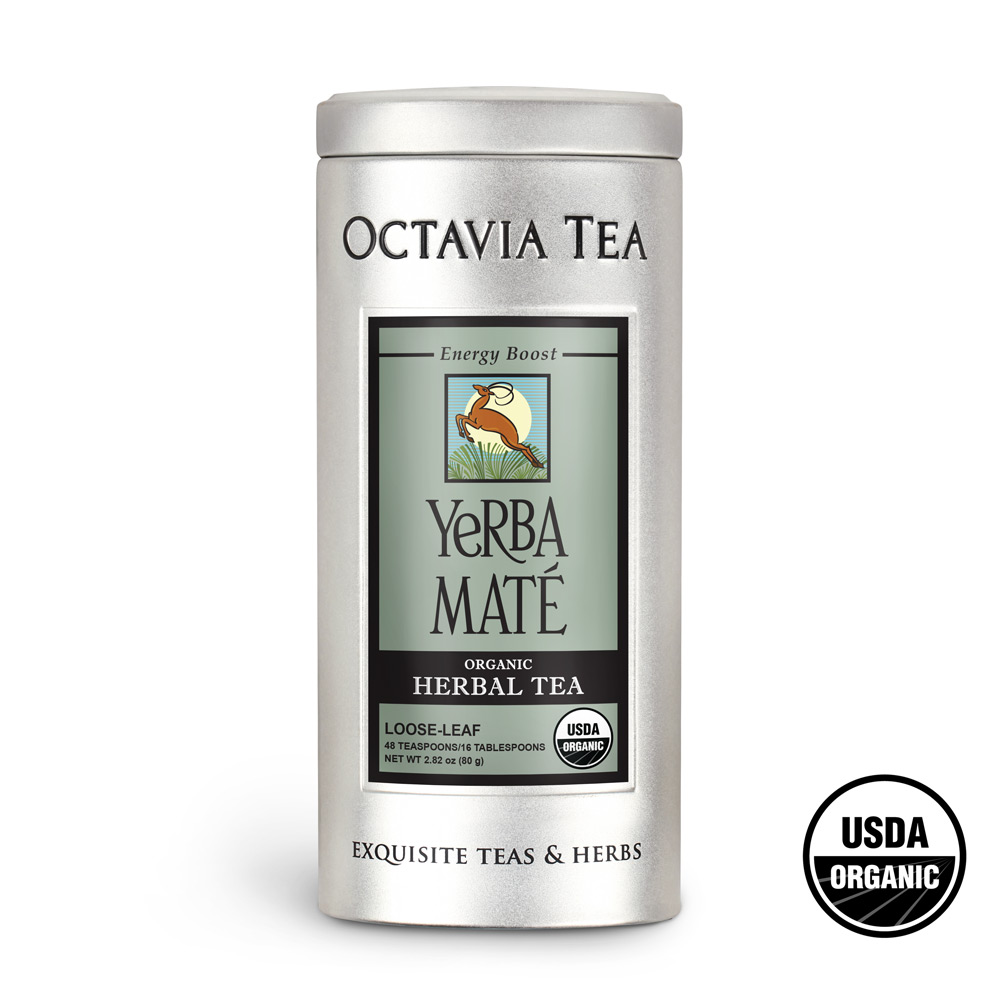
Start with Yerba Mate ($3.50). Traditionally sipped from a gourd with a silver straw, it has a strong, earthy flavor and a long history in South America. You can find Yerba Mate and steeping details on its product page. At home, steep it in hot water and enjoy it slowly over the morning.
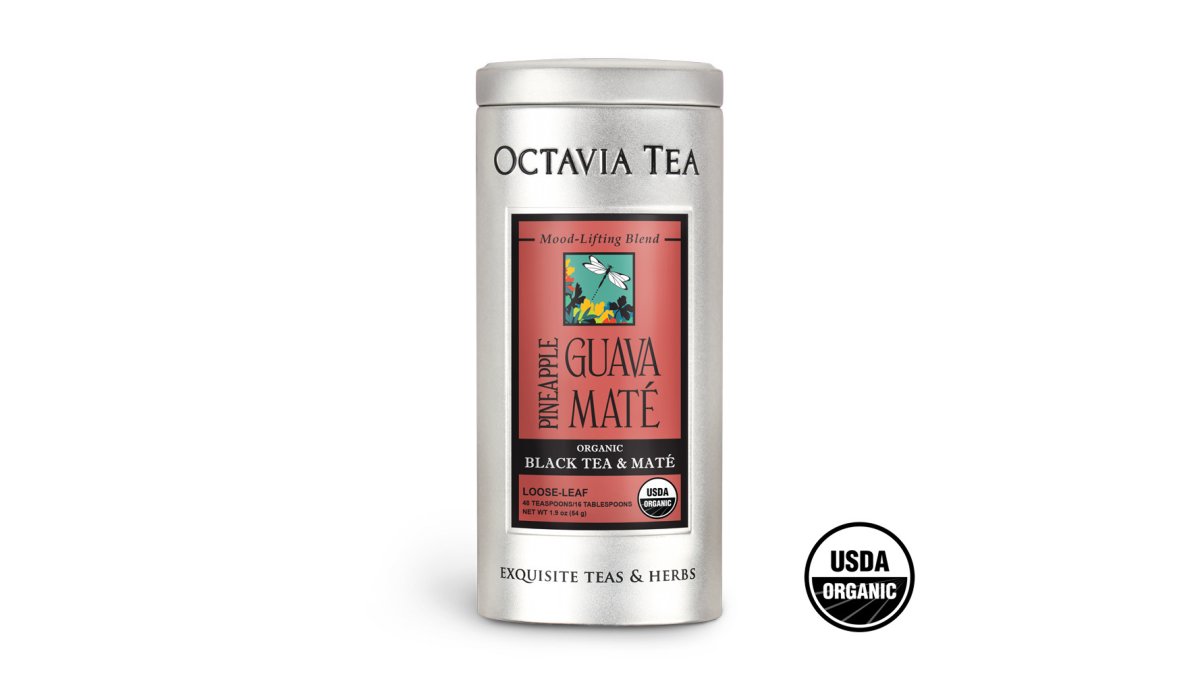
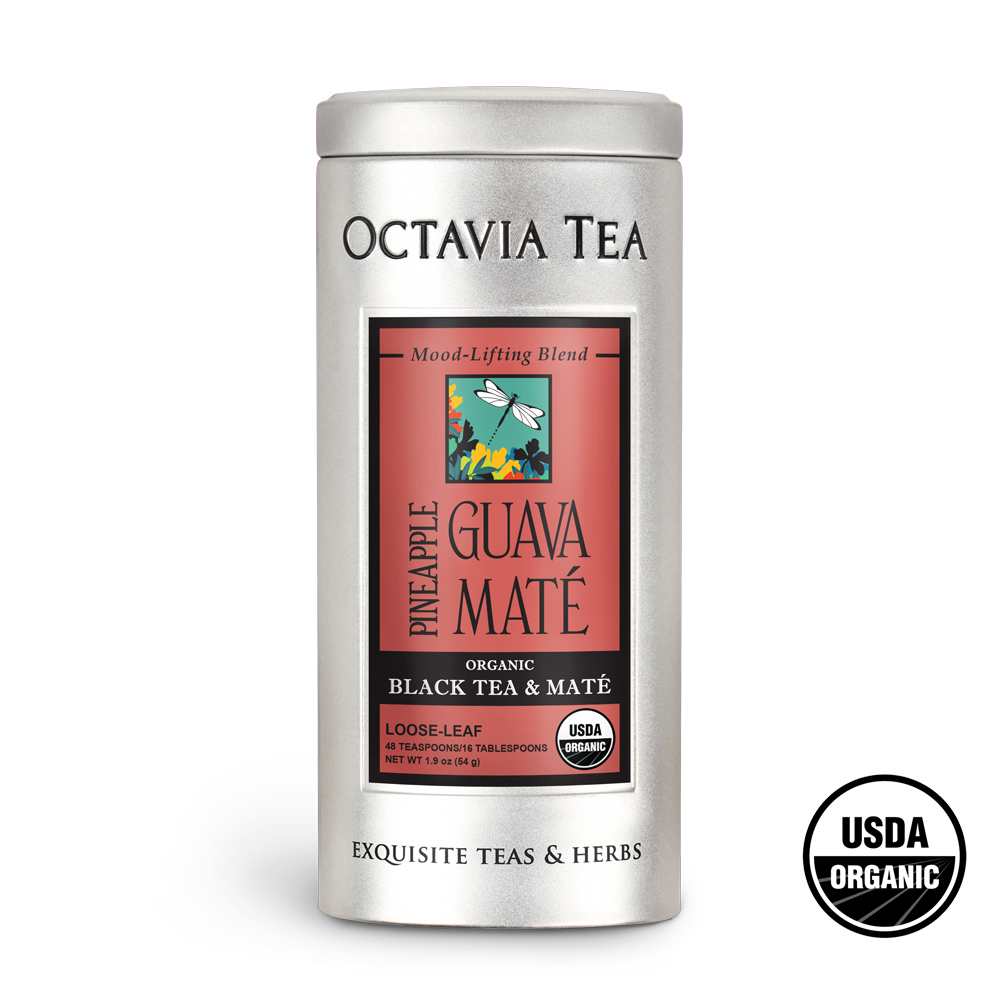
For a fruitier option, Pineapple Guava Mate ($4.00) combines organic botanicals, black tea, and yerba mate.
Follow the steeping guidance on the package for the best flavor.
Natural Alternatives to Coffee for Energy at Night
Evening energy is a different problem. You want a lift that does not keep you awake. In practice, this means choosing lower-caffeine options and brewing earlier in the day rather than at the last minute. Choosing caffeine free energy sources can make an evening lift gentler while keeping your broader daily routine in balance.
Caffeine can linger for hours, so it may help to limit caffeinated teas in the afternoon and evening (Caffeine Effects on Sleep Taken 0, 3, or 6 Hours before Going to Bed). Sensitivity varies from person to person, so pay attention to how you sleep and adjust.
For evenings, a lighter green tea such as Matcha may suit you better than a strong black tea. Save English Breakfast or Irish Breakfast ($3.50) for the morning, when a fuller-bodied cup is most useful.
Bombay Chai ($4.00) is a warm, spiced black tea with a black tea base. Simmering it into a chai latte with milk and a little sweetener makes it feel like a treat rather than a stimulant.
Healthy Alternatives for Energy Drinks and Energy Problems Tea Cannot Fix
Tea can replace a coffee habit or a sugary energy drink, but it cannot solve every energy problem, and treating it as a fix for persistent fatigue is where most switch-over advice goes wrong. The useful question is not "which drink is healthiest" but "is my tiredness a stimulant problem or something else." That distinction determines whether another cup helps or hides a problem.
Start with the mechanism. Fatigue often has causes beyond caffeine, such as too little sleep, low hydration, skipped meals, or a medical condition. Caffeine can mask tiredness but does not address these underlying causes, so tea works best as part of a broader routine.
If your fatigue is new, severe, or lasts more than a couple of weeks despite adequate sleep, it is worth speaking with a healthcare provider rather than adding another stimulant.
For everyday slumps, habits such as staying hydrated, keeping regular sleep times, and eating balanced meals support energy. A cup of green tea or mate can fit alongside those habits.
If you are moving away from energy drinks specifically, the swap is mostly about sugar and dose. A mate or green tea blend can fill the same ritual slot as an energy drink. Octavia Tea hand-blends our teas with natural flavor essences and pure essential oils, and each product page lists its ingredients.
If you find yourself needing a stimulant to function most days, it is worth talking to a healthcare provider.
Choosing Your Next Cup From the Octavia Tea Collection
The best alternative depends on what you want from your cup. For a matcha-style ritual, start with Matcha Powder. For an earthy mate flavor, try Yerba Mate or Rainforest Mint ($3.50), which pairs mate with peppermint. For a classic breakfast-style cup, English Breakfast and Irish Breakfast remain the strongest picks.
Sampling two or three options before committing to a full tin is a good way to find your preference. Note how each one makes you feel an hour later, not just in the first sip. That honest check is the fastest route to a replacement you will actually keep drinking.
Frequently Asked Questions
What can I replace coffee with for energy?
Good swaps include yerba mate, green tea and matcha, and black tea blends such as Pineapple Guava Mate, which pairs black tea with yerba mate for a steady lift. Each option contains caffeine, so check the product page for details. Start with one cup in the morning and see how your focus and jitters respond before adding more.
How can I increase my energy without coffee?
Energy without coffee usually depends on sleep, hydration, regular movement and steady meals, with a warm drink as a helpful ritual rather than the main fix. Rainforest Mint, which blends yerba mate with peppermint, is one flavorful option to try. If fatigue persists for weeks, it is worth discussing it with a healthcare provider.
What are the best caffeine-free alternatives to coffee?
Caffeine-free choices in this category are herbal infusions, which are naturally free of caffeine and work well as warm, comforting drinks at any time of day. Note that many blends marketed as energizing still contain caffeine, so check the product description before buying. Read the individual product page for ingredient details rather than relying on general category claims.
What are good alternatives to coffee for energy at night?
For evening drinking, choose lower-caffeine or caffeine-free options and keep the cup small, since caffeine can disrupt sleep for some people. Herbal blends and green teas such as Zen Super Green, which contains L-theanine, are options to explore. Avoid stronger black teas and matcha in the hours before bed if you are sensitive to stimulants.
Explore the full range at Octavia Tea and find a loose-leaf blend that fits your mornings and evenings.


Octavia Tea Sign In
Create New Account