























Organic Black Tea vs Green Tea: Health Benefits Compared

Table of Contents
- Same Plant, Very Different Tea
- Organic Black Tea vs Green Tea: Antioxidant Profiles Compared
- Caffeine Content in Black vs Green Tea
- Health Benefits: Heart, Brain, and Beyond
- Why Organic Certification Changes the Health Equation
- Brewing Temperature and Preparation: How They Affect Nutrient Bioavailability
- Best Organic Loose Leaf Tea Brands and Picks to Try
- Which Tea Should You Choose?
Last Updated: August 27, 2026
Both green and organic black tea come from the same plant, yet they produce dramatically different effects on your body and your cup. At Octavia Tea, we source over 120 organic loose leaf teas directly from estate gardens. Below, we compare antioxidant profiles, caffeine content, and specific health outcomes so you can make an informed choice.
Same Plant, Very Different Tea
Both black and green tea come from Camellia sinensis, a flowering plant cultivated across Asia for thousands of years. The leaf is identical at harvest. What separates them entirely is oxidation.
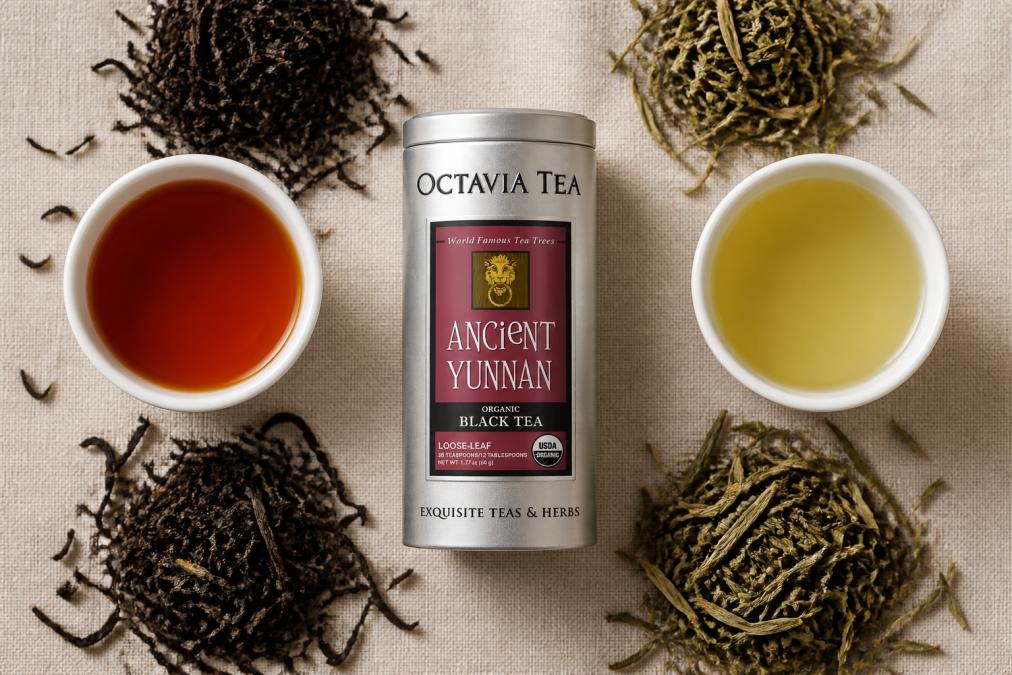
Oxidation: The Process That Separates Them
Oxidation is the enzymatic browning process that occurs when freshly harvested tea leaves are exposed to oxygen. Green tea is non-oxidized: leaves are heated quickly after picking to halt the process. Black tea is fully oxidized: leaves are rolled, bruised, and left to react with oxygen until they turn deep brown.
This single difference drives every downstream distinction. Oxidation converts colorless catechins in fresh leaves into darker compounds called theaflavins and thearubigins. It changes flavor from grassy to malty, color from pale gold to deep amber, and alters the antioxidant profile in ways with real health implications. Green tea preserves the chemistry of the fresh leaf; black tea transforms it.
Organic Black Tea vs Green Tea: Antioxidant Profiles Compared
Green tea and black tea do not compete on the same antioxidants. They each deliver a distinct class of polyphenols, and both have meaningful health value.
Property | Green Tea | Black Tea |
|---|---|---|
Primary antioxidants | Catechins, EGCG | Theaflavins, Thearubigins |
Oxidation level | Non-oxidized | Fully oxidized |
Caffeine per 8 oz | Lower (25-45 mg) | Higher (40-70 mg) |
Flavor profile | Grassy, vegetal, sweet | Malty, bold, earthy |
Brew temperature | 160-180°F | 200-212°F |
Best for | Sustained calm focus | Morning energy, gut support |
Green Tea: EGCG and Catechins
Green tea's headline compound is epigallocatechin gallate, or EGCG, a polyphenol that remains intact because the leaf was never oxidized. EGCG is one of the most studied plant compounds in nutrition science, with research consistently linking it to anti-inflammatory activity, metabolic support, and cellular protection against free radicals. Because the leaf is processed minimally, green tea retains a broader spectrum of catechins alongside EGCG, highly bioavailable when brewed at the correct temperature.
Black Tea: Theaflavins and Thearubigins
Oxidation doesn't destroy antioxidants; it converts them. When catechins oxidize, they polymerize into theaflavins (responsible for the bright orange-gold color) and thearubigins (the darker compounds that give black tea its depth). These are different antioxidants with their own documented effects on cholesterol levels, gut microbiome diversity, and inflammation. Theaflavins have been studied for their effect on LDL cholesterol and cardiovascular markers. Thearubigins contribute to black tea's distinctive tannin structure and demonstrate antioxidant activity through different mechanisms than EGCG. Choosing between them isn't about which is "stronger", it's about which polyphenol profile aligns with your specific health priorities.
Caffeine Content in Black vs Green Tea
Green tea typically contains 25-45 mg of caffeine per 8-ounce cup; black tea generally falls in the 40-70 mg range. Both are well below coffee, but the gap is meaningful if you have caffeine sensitivity.
What makes green tea feel gentler isn't just caffeine quantity, it's the presence of L-theanine, an amino acid that modulates how caffeine affects the brain. L-theanine promotes calm alertness, smoothing out the stimulant effect. Black tea also contains L-theanine, but at lower concentrations relative to its caffeine load, producing a sharper, more immediate energy response.
Health Benefits: Heart, Brain, and Beyond
Both teas show meaningful, overlapping evidence across multiple health domains, with different mechanisms driving similar outcomes.
Cardiovascular and Blood Pressure Support
Green tea's catechins, particularly EGCG, appear to support endothelial function and may help modulate blood pressure over time. Black tea's theaflavins have been studied specifically for their effect on LDL cholesterol and arterial flexibility. Regular tea drinkers tend to show more favorable cardiovascular markers than non-drinkers. The Harvard T.H. Chan School of Public Health's overview of tea and heart health notes that both green and black tea consumption are associated with reduced cardiovascular risk. If blood pressure management is your primary goal, green tea's EGCG profile is the more studied option. For cholesterol support, black tea's theaflavin content is a legitimate contender.
Cognitive Function and Mental Alertness
Green tea's combination of caffeine and L-theanine produces "alert calm", improved focus and reaction time without the cortisol spike of higher caffeine loads. Black tea's higher caffeine concentration produces faster, more pronounced alertness, useful for morning routines. Both deliver comparable cognitive activation to coffee, with the added benefit of polyphenols that coffee doesn't contain.
Metabolism, Inflammation, and Successful Aging
Green tea's EGCG has the strongest research backing for metabolic rate support. The catechin-caffeine combination appears to enhance thermogenesis more effectively than caffeine alone. Black tea's thearubigins support gut microbiome diversity, increasingly linked to systemic inflammation reduction and immune function. Both teas contribute to reducing oxidative stress, the accumulation of free radicals that accelerates cellular aging. The NIH's National Center for Complementary and Integrative Health on tea research provides a useful summary of current evidence on tea and anti-inflammatory pathways.
Why Organic Certification Changes the Health Equation
Conventionally grown tea can carry residues from synthetic pesticides, herbicides, and fertilizers, compounds that work directly against the detoxification and anti-inflammatory benefits you're drinking tea to get. USDA Certified Organic tea must be grown without synthetic pesticides or chemical fertilizers, with third-party audits of farming practices. For a beverage consumed daily, that distinction matters. green tea weight loss.
Organic cultivation methods, including crop rotation, composting, and integrated pest management, produce tea from healthier soil, which many agronomists argue translates to a more complete nutrient profile in the leaf.
Brewing Temperature and Preparation: How They Affect Nutrient Bioavailability
Brewing method directly determines how much of either tea's polyphenol content reaches your bloodstream.
Green tea is particularly sensitive to water temperature. Brew it with boiling water and you degrade EGCG before drinking, producing a bitter cup with diminished antioxidant capacity. The correct range is 160-180°F, with 2-3 minutes steeping time to extract catechins without pulling excessive tannins.
Black tea is more forgiving. Fully oxidized leaves are designed for boiling water, 200-212°F, and 3-5 minutes steeping time. Adding milk to black tea can bind to theaflavins and reduce their bioavailability. If drinking black tea for its polyphenol content, drink it plain or with lemon, which enhances catechin stability.
Tea Type | Ideal Brew Temp | Steep Time | Key Bioavailability Tip |
|---|---|---|---|
Green tea | 160-180°F | 2-3 minutes | Lower temp preserves EGCG |
Black tea | 200-212°F | 3-5 minutes | Avoid steeping with iron-rich meals |
Cold brew (green) | Cold water | 6-10 hours | Gentler extraction, less bitterness |
The Linus Pauling Institute's micronutrient research on tea polyphenols covers polyphenol bioavailability in detail.
Best Organic Loose Leaf Tea Brands and Picks to Try
Octavia Tea is our top recommendation for anyone serious about organic loose leaf tea. All teas are USDA Certified Organic, sourced directly from estate gardens, and hand-blended using only natural flavor essences and pure essential oils, no artificial ingredients.
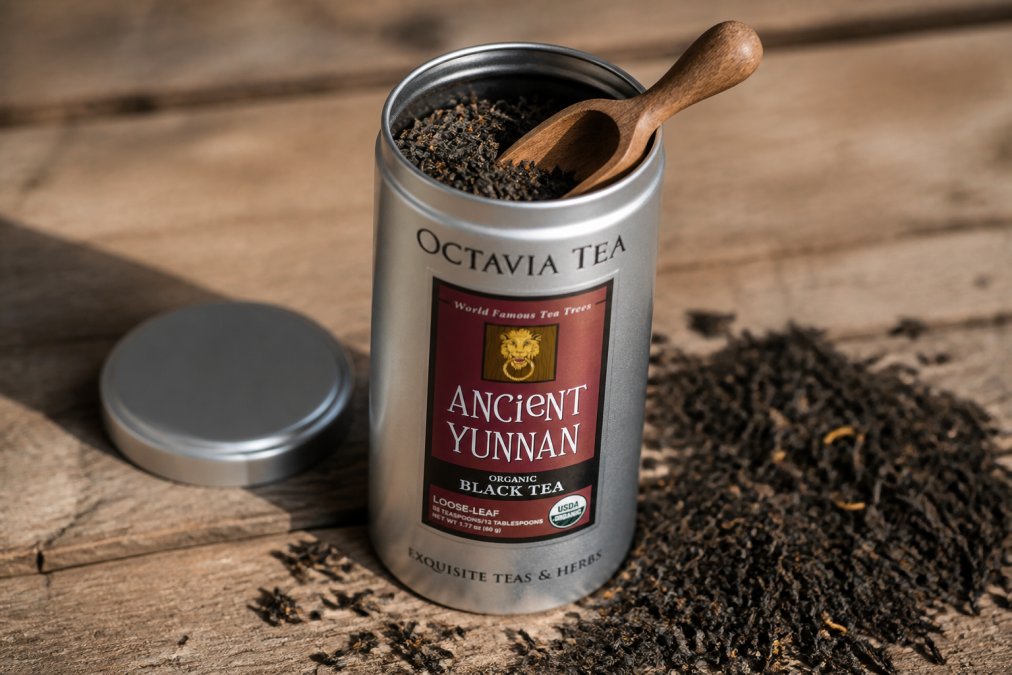
For organic black tea:
- Ancient Yunnan, Harvested from ancient tea trees in Yunnan Province, this fully oxidized black tea offers complex notes of ripe fruit, cedarwood, peppery spice, and sweet raisin with a cocoa-tinged finish. Rich in antioxidants and described as having anti-aging properties. Starting at $3.50.

- English Breakfast, A single-estate Assam black tea with bold, full-bodied character. Strong, uplifting, and rich in protective antioxidants. The reliable daily driver. Starting at $3.00.
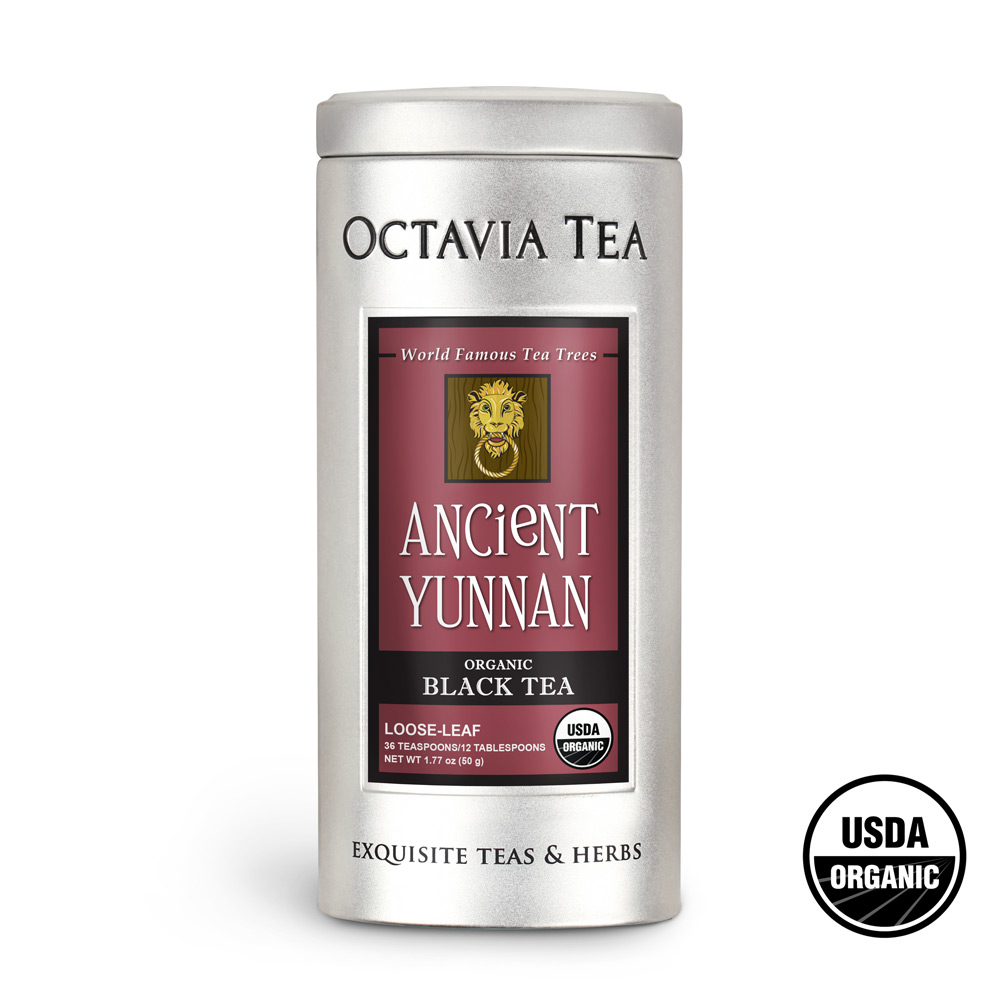
For organic green tea:
- Dragonwell, China's most famous green tea. Broad, flat leaves deliver an orchid-like fragrance with buttery, roasted chestnut flavor. Rich in antioxidants and noted for promoting mental alertness. Starting at $3.50.
- Bi Luo Chun, One of the first teas picked in early spring. Buttery, sweet, and complex, smoother than most green teas. Highly regarded among connoisseurs. Starting at $4.00.
- Blueberry Green, A customer favorite pairing antioxidant-rich green tea with blueberries and hibiscus. Works beautifully as cold brew (one tablespoon per cup of cold water, refrigerate 6-10 hours). Starting at $3.50.
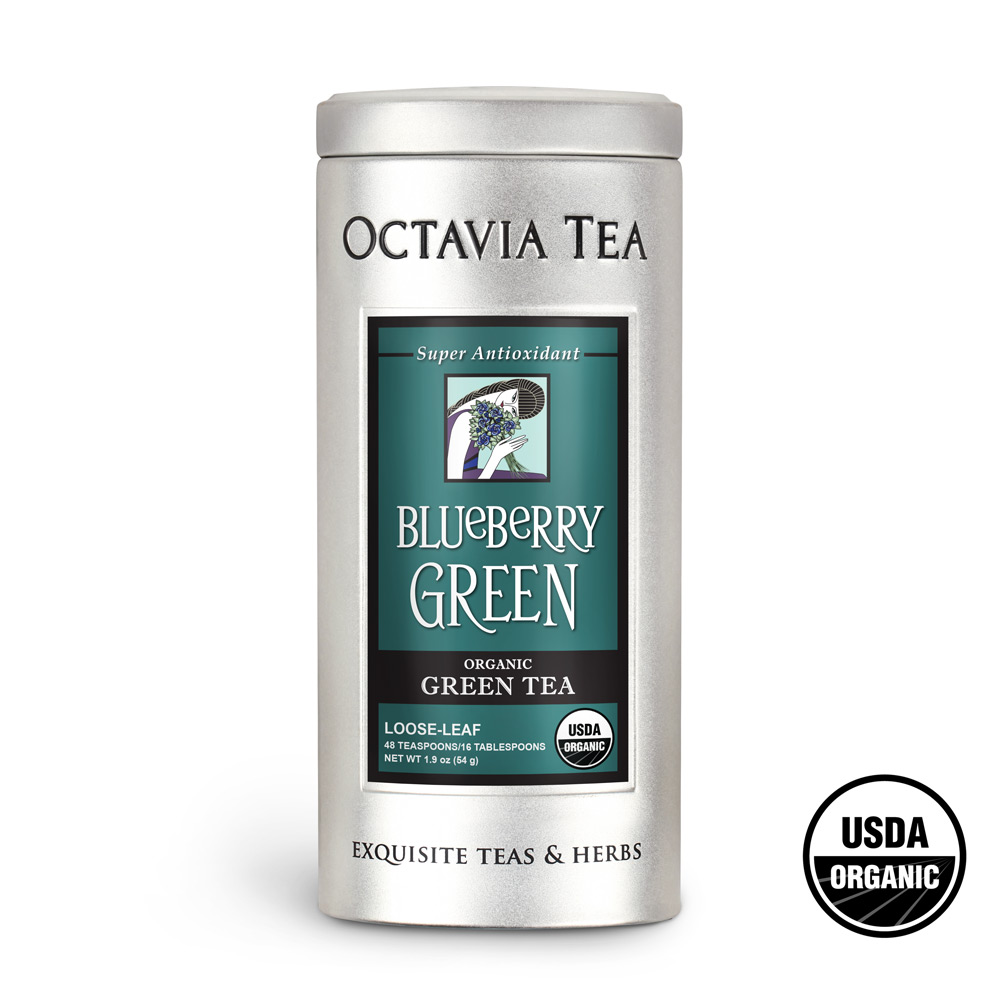
When evaluating any organic loose leaf tea brand, look for USDA Certified Organic status, direct estate sourcing, and transparent ingredient labeling.
Which Tea Should You Choose?
The choice comes down to three questions: What health outcome matters most to you? What's your relationship with caffeine? When are you drinking it?
Choose green tea if your priorities are:
- Metabolic support and thermogenesis
- Calm, sustained cognitive focus
- Lower caffeine load with L-theanine modulation
- Maximum EGCG and catechin content
Choose black tea if your priorities are:
- Morning alertness and stronger caffeine response
- Cardiovascular support via theaflavin content
- Gut microbiome diversity and digestive support
- Bolder, more complex flavor profile
For most people: drink both. Green tea in the morning or early afternoon for focus; black tea when you need a more immediate lift. The polyphenol profiles are complementary, not competing. What matters most is that the tea is genuinely organic, the health benefits attributed to either type assume a leaf free from synthetic pesticide residue.
Frequently Asked Questions
Is it healthier to drink black tea or green tea?
Neither is universally healthier — they offer different benefits. Green tea delivers higher concentrations of EGCG and catechins, which are linked to metabolism support and cognitive function. Organic black tea provides theaflavins and thearubigins, polyphenols associated with heart health and cholesterol management. The best choice depends on your wellness goals, caffeine sensitivity, and flavor preference. Drinking either type daily as part of a balanced diet contributes meaningful antioxidant intake.
How do caffeine levels compare between black and green tea?
Organic black tea typically contains 40–70 mg of caffeine per 8 oz cup, while green tea ranges from 20–45 mg per cup. Both are well below coffee's 95–200 mg range. Steeping time and water temperature affect final caffeine content — longer steeps and hotter water extract more caffeine. If you have caffeine sensitivity, green tea is the gentler option, though both teas deliver caffeine alongside L-theanine, which moderates the stimulant effect and supports steadier alertness.
What are the primary antioxidant differences between black and green tea?
Both teas come from Camellia sinensis, but their antioxidant profiles diverge during processing. Green tea is non-oxidized, preserving catechins — especially epigallocatechin gallate (EGCG) — at high levels. Black tea undergoes full oxidation, converting those catechins into theaflavins and thearubigins. These compounds have distinct effects: EGCG is well studied for inflammation reduction, while theaflavins show promise for cholesterol and cardiovascular support. Organic cultivation reduces pesticide interference with these polyphenols.
Does organic certification affect the health benefits of tea?
USDA Certified Organic tea is grown without synthetic pesticides or fertilizers. Conventionally grown tea can carry pesticide residues on the leaf surface, which end up in your cup during steeping. Some research suggests pesticide exposure may interfere with the antioxidant activity of polyphenols. Choosing certified organic loose leaf tea means you get the full nutrient profile the leaf produces — without chemical residues diluting those benefits or adding unwanted compounds to your daily cup.
Is black tea good for liver and kidney health?
Moderate black tea consumption is generally considered safe for healthy adults and may offer some liver-protective effects through its polyphenol content. Theaflavins have shown anti-inflammatory properties in research settings. However, black tea contains oxalates, which in very high amounts may contribute to kidney stone formation in people already prone to them. Most health professionals suggest one to three cups daily as a reasonable amount. If you have existing kidney or liver conditions, consult your doctor before making tea a major part of your diet.


Octavia Tea Sign In
Create New Account