























Best Oolong Teas to Pair With Gourmet Sweets

Last Updated: November 10, 2026
Quick Summary
The best oolong teas for gourmet sweets depend on the dessert's weight and main flavor. Creamy desserts suit Jin Xuan Milk Oolong, caramel and toffee sweets suit Caramel Toffee, fruit desserts suit Strawberry Rose Champagne, and dark chocolate suits Honey Orchid Dancong. Match the tea's body to the dessert's body, then check temperature.
- Jin Xuan Milk Oolong ($4.50) has a creamy texture and a long tropical fruit finish that cuts richness.
- Caramel Toffee ($3.50) echoes caramel and buttery toffee desserts with deep caramel and toffee notes.
- Strawberry Rose Champagne ($3.50) blends roses with strawberry, peach and apple for fruit sweets.
- Honey Orchid Dancong ($4.50) offers dark honey and orange marmalade notes that complement dark chocolate.
- Warm desserts pair best with freshly brewed tea, while cold desserts need a cooler or lighter floral oolong.
Table of Contents
- Best Oolong Teas to Pair With Gourmet Sweets
- How Oolong Flavor Profiles Shape Dessert Pairings
- Oolong Tea and Dessert Pairing: Matching Weight and Sweetness
- Creamy and Caramel Oolongs for Rich Desserts
- Fruit-Forward Oolongs for Gourmet Fruit Sweets
- Best Tea for Chocolate Desserts: Roasted and Dancong Picks
- How to Brew Oolong Tea for Dessert Service
- Choosing Your Dessert Oolong and Where to Start
- Frequently Asked Questions
Best Oolong Teas to Pair With Gourmet Sweets
Oolong tea is a versatile partner for gourmet desserts, and Octavia Tea carries a range of oolong teas that suit a variety of desserts. The right oolong depends on how heavy or delicate your dessert is, and on whether you want the tea to echo a flavor or contrast with it. This guide covers how to match oolong profiles to sweets, which Octavia Tea blends fit each style, and how to brew them for dessert service.
The table below summarises which Octavia Tea oolongs suit each style of dessert, based on the blends covered in this guide.
| Dessert style | Oolong | Key note |
|---|---|---|
| Creamy, buttery sweets | Jin Xuan Milk Oolong ($4.50) | Creamy texture, long tropical fruit finish |
| Caramel and toffee desserts | Caramel Toffee ($3.50) | Deep caramel and buttery toffee notes |
| Fruit sweets | Strawberry Rose Champagne ($3.50) | Roses with strawberry, peach and apple |
| Dark chocolate | Honey Orchid Dancong ($4.50) | Dark honey, orange marmalade, floral-cedar finish |
| Chocolate desserts | Amber Dragon | Caramel and dark wildflower honey undertones |
Oolong tea prices by blend
How Oolong Flavor Profiles Shape Dessert Pairings
Oolong sits between green and black tea in oxidation, and that range produces very different cups. Lightly oxidized oolongs tend to taste floral and green, while heavily oxidized ones taste roasted, toasty and full-bodied. The oxidation level is the first thing to check when pairing, because it sets how much tannin structure and mouthfeel the tea brings to the table.
Floral vs. Roasted Oolong Characteristics
Floral oolongs carry aromatic lift and a lighter body, which makes them good partners for delicate sweets like custards and fruit desserts. Roasted oolongs bring deeper notes of nut, caramel and toast, and their fuller body stands up to rich, dense desserts. A simple rule: match delicate with delicate and rich with rich, then use the tea's aroma to bridge the two.
Oolong Tea and Dessert Pairing: Matching Weight and Sweetness
Pairing works on three axes at once: weight, sweetness, and temperature. Weight is the body of the tea against the body of the dessert. Sweetness is the residual sugar in the cup against the sugar on the plate. Temperature is how the tea's heat meets the sweet's heat or chill. Get the first two roughly right and the third becomes the detail that separates a good pairing from a memorable one.
The mechanism behind weight is tannin and oxidation. Lightly oxidized oolongs, the floral, green-leaning styles, carry less astringent structure and a thinner body, so they sit lightly on the palate and let delicate sweets speak first. Heavily oxidized and roasted oolongs build more tannin and a fuller, oilier mouthfeel; that structure coats the palate and can stand up to butter, cream, and chocolate without being flattened. A common pattern is that the tea should be roughly as heavy as the dessert, or one step lighter, never two steps heavier, or the sweet disappears.
Sweetness follows a similar logic. A dessert that is already very sweet paired with a very sweet tea reads flat, because the palate has no contrast to reset against. Teas with a mineral finish, a citrus edge, or a lightly roasted bitterness refresh the palate between bites and make the next bite taste like the first. This is why a roasted oolong with dark honey notes can work with a caramel tart, while a milk oolong with the same dessert can taste cloying.
Temperature is the axis most guides skip. A warm pastry and a warm cup amplify each other's aromatics, which is why a freshly baked almond croissant and a just-brewed roasted oolong feel like a matched set. A cold sorbet or a chilled panna cotta does the opposite: it numbs the palate slightly, so a hot, highly aromatic tea reads louder and can overwhelm the sweet. With cold desserts, let the tea cool for a minute or two off the boil, or choose a lighter floral oolong whose aroma is clear rather than forceful. The reverse also holds, a room-temperature tea alongside a warm dessert can taste muted, so serve warm sweets with a freshly brewed cup.
A practical sequence for any dessert: identify the dominant texture (cream, butter, fruit, chocolate), pick an oolong whose body matches it, then adjust sweetness with a mineral or citrus-leaning tea if the dessert is heavy, and finally check temperature, warm with warm, cool with cool, or deliberately contrast a hot tea with a cold sweet only when the tea is delicate enough to survive it.
Watch out: a very tannic, heavily roasted oolong served boiling hot next to a cold fruit dessert is the most common mismatch, the heat and structure together bury the fruit.
Creamy and Caramel Oolongs for Rich Desserts
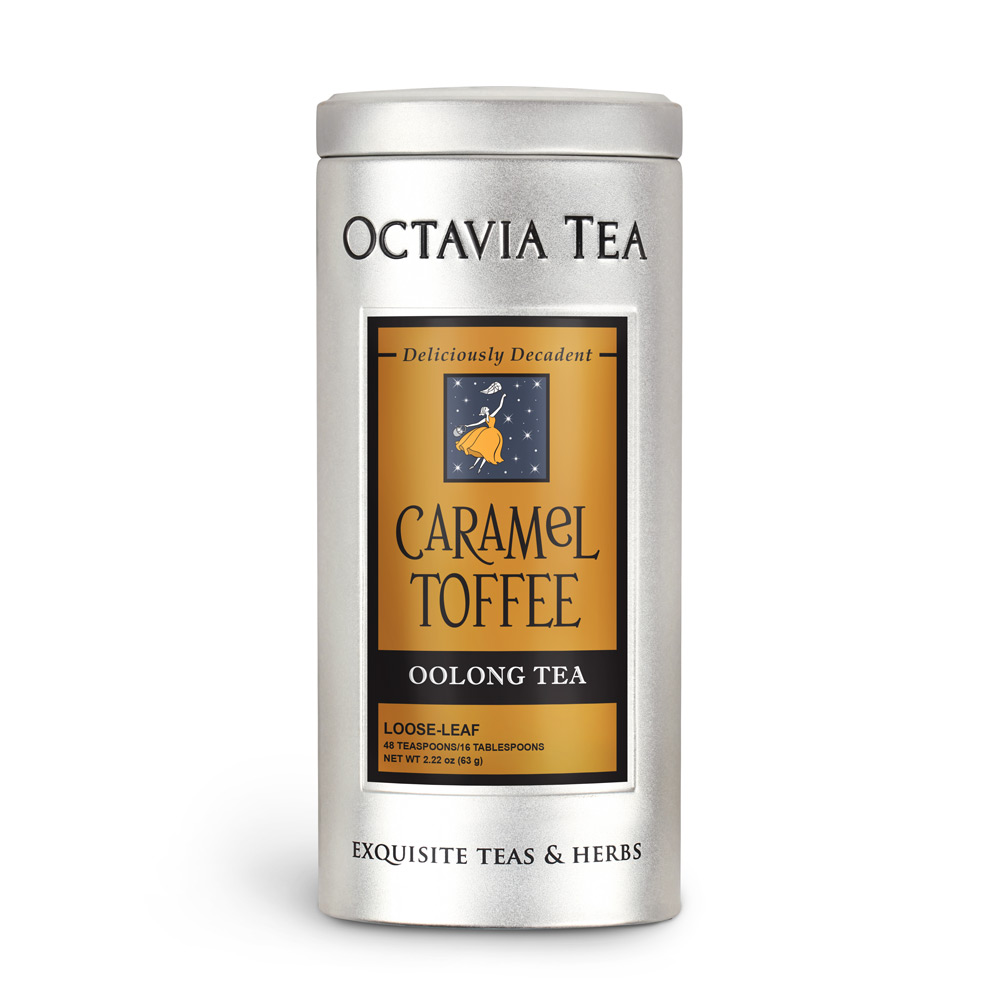
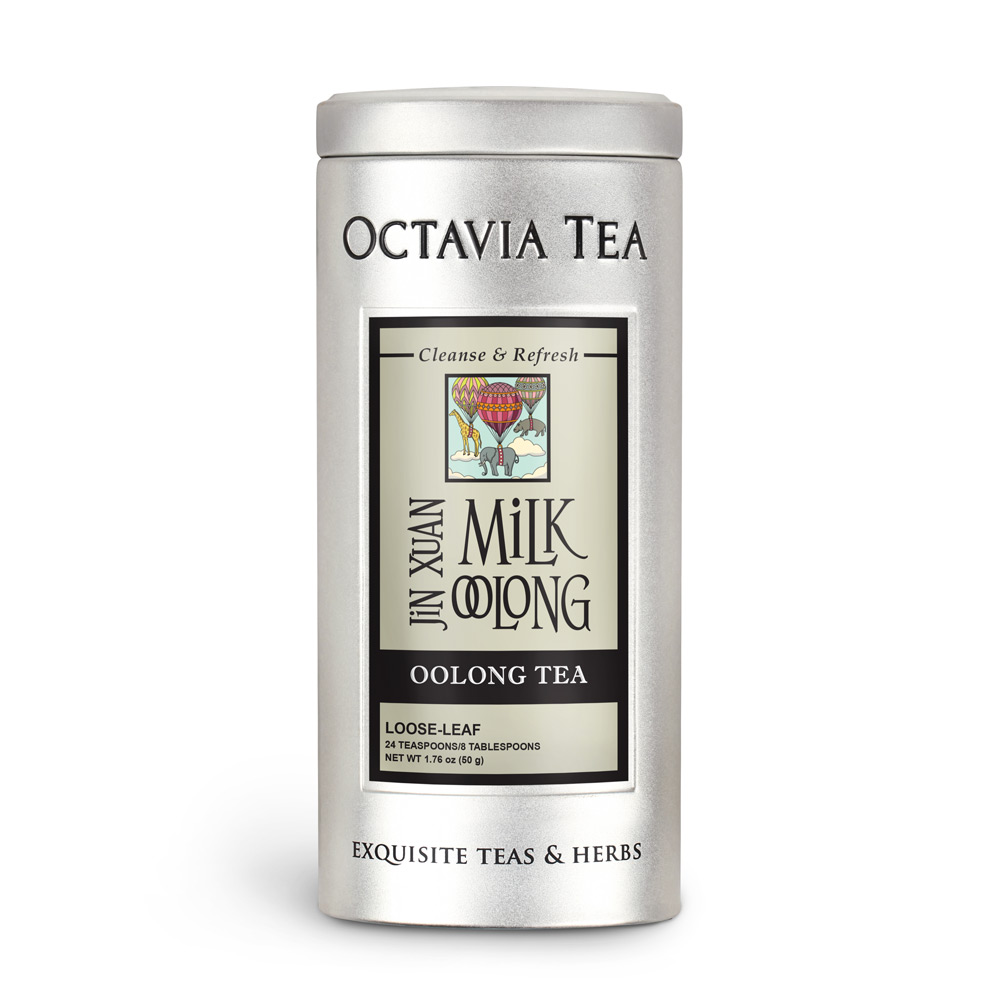
Creamy and caramel oolongs suit rich, buttery desserts. Jin Xuan Milk Oolong ($4.50) delivers a creamy texture and smooth, sweet flavor, with a long tropical fruit finish that cuts through richness. Caramel Toffee ($3.50) pairs deep caramel and buttery toffee notes with a heavily oxidized oolong, so it echoes dessert flavors directly.
Fruit-Forward Oolongs for Gourmet Fruit Sweets
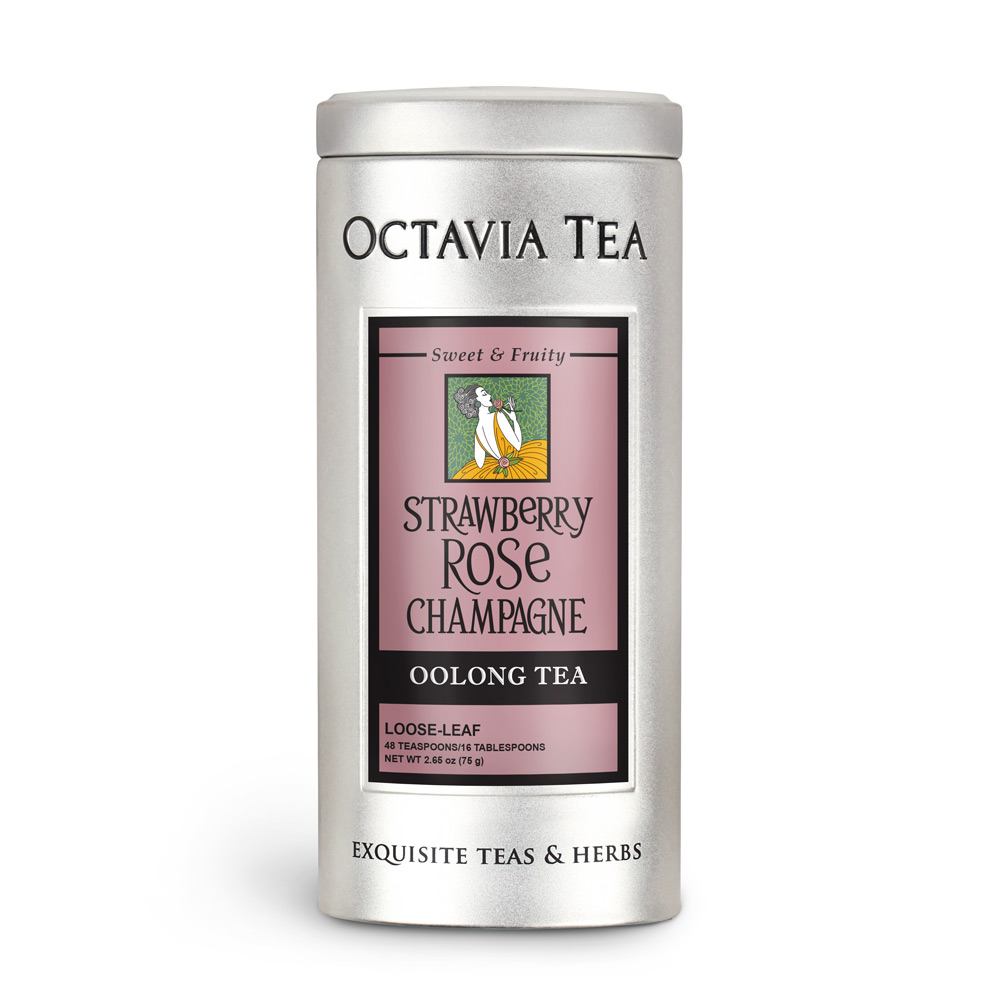
Fruit desserts call for floral or fruit-forward teas that brighten rather than compete. Strawberry Rose Champagne ($3.50) blends roses with strawberry and a hint of peach and apple, so it mirrors fruit desserts while keeping a sweet, well-balanced cup.
Best Tea for Chocolate Desserts: Roasted and Dancong Picks
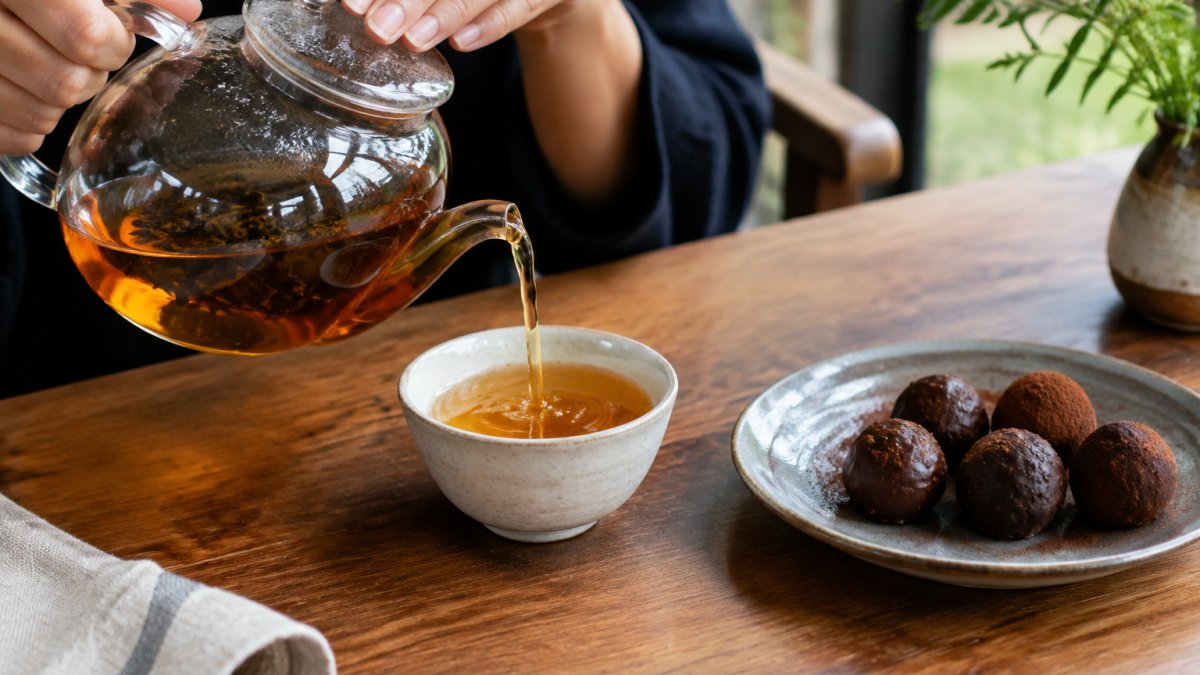
Dark chocolate pairs well with roasted oolong and dancong styles, which bring toasted, honeyed and mineral notes. Honey Orchid Dancong ($4.50) offers dark honey, orange marmalade and a floral-cedar finish that complements chocolate truffles. Amber Dragon is a roasted oolong with caramel and dark wildflower honey undertones. You can sample the Phoenix Dancong Ya Shi "Duck Shit" before committing to a bulk order.
How to Brew Oolong Tea for Dessert Service
Brewing for dessert service is different from brewing for a tasting flight, because the tea has a job: it has to hold its own against sugar and fat without turning bitter or going mute. The variables that matter most are water temperature, leaf amount, steep time, and how long the tea sits before it reaches the table.
Water temperature is the first lever. Lighter, floral oolongs generally do best with water somewhat below a boil; check the product page for guidance on each blend. Roasted and more heavily oxidized oolongs can take water closer to a full boil, which draws out the toasty, caramelized notes that pair with rich desserts. If you are unsure of a specific blend, start slightly cooler and increase on the next steep; it is easier to add heat than to remove bitterness.
Leaf amount and steep time trade off against each other. More leaf and a shorter steep gives a brighter, more aromatic cup with less astringency, usually the better choice for dessert, where you want aroma to bridge to the sweet rather than tannin to dominate. Less leaf and a longer steep pulls more body and tannin, which suits dense chocolate desserts but can overpower fruit. Check the product page for guidance on each blend, then adjust leaf first and time second.
Re-steeping is where oolong earns its place at the dessert table. Most oolongs hold up to several infusions, and the later steeps often turn sweeter and softer, which is exactly what you want as the dessert course progresses from a bright fruit tart to a richer chocolate finish. Brew a first steep for the fruit course and a second, longer steep for the chocolate, and the same leaf carries the whole meal.
Serving temperature matters as much as brewing temperature. A tea that is too hot when it reaches the table will read as bitter and will overpower a cold dessert; let it rest briefly after brewing. For a multi-course dessert service, brew in small batches and top up rather than making one large pot that cools unevenly.
Watch out: over-steeping a light floral oolong is the fastest way to lose the aroma that makes it pair well with fruit, if the cup turns dull and astringent, shorten the next steep rather than adding more leaf.
Choosing Your Dessert Oolong and Where to Start
Start with the dessert's weight and main flavor. For creamy or caramel desserts, look at the milk and caramel oolongs. For fruit, try the floral and fruit-forward blends. For chocolate, choose a roasted or dancong oolong. If you are new to loose-leaf tea, a sample of one or two blends is the simplest way to find your match. Octavia Tea's full collection is a good place to browse these options side by side.
Frequently Asked Questions
What desserts pair well with oolong tea?
Oolong pairs well with desserts that match its body. Creamy and caramel desserts suit lightly oxidized, milky oolongs, because the tea's buttery notes sit alongside the cream rather than fighting it. Roasted oolongs work with nutty, toasted desserts, and floral oolongs suit fruit-based sweets. Start with a tea you already enjoy and taste it alongside a small bite before committing to a full dessert course.
Which oolong tea goes best with chocolate?
Roasted and darker oolongs generally pair best with chocolate because their toasted, caramel-like notes complement cocoa rather than competing with it. Caramel Toffee, a heavily oxidized oolong, is one option from Octavia Tea's range to try. Lighter floral oolongs can be overwhelmed by chocolate, so save them for fruit or pastry courses.
Should oolong tea be served hot or iced with sweets?
Serve oolong hot when pairing it with gourmet sweets, since warmth lets the aroma and floral or roasted notes come through and keeps the texture of the tea rounded. Iced oolong can work for a casual fruit dessert in warm weather, but cold temperatures mute aromatics, so the pairing is less distinct. Brew a small pot, let it cool slightly, and taste it with the dessert to judge the balance yourself.
How should you brew oolong tea for a dessert pairing?
Brew oolong with water that is hot but not at a rolling boil, and steep for a short first infusion so the tea does not turn bitter or astringent. Gongfu-style brewing with a small teapot and loose leaf lets you taste each infusion as the flavor changes. Check the product page for guidance on each blend, since leaf style varies across oolongs.


Octavia Tea Sign In
Create New Account