























Which Loose Leaf Teas Have the Most Caffeine?

Last Updated: November 11, 2026
Quick Summary
Black tea usually has the most caffeine among true loose leaf teas, but actual loose leaf caffeine depends on dry leaf dose, leaf grade, water temperature, and steep time. Most caffeine releases in the first steep, and matcha can deliver a strong dose because you consume the whole leaf. Weigh your leaf and keep brewing variables fixed to compare teas fairly.
- Weigh dry leaf on a kitchen scale rather than scooping by volume.
- Most caffeine comes out early, so long steeps mainly add bitterness.
- Fine, broken leaf releases caffeine faster than whole-leaf grades.
- Count repeat infusions in your total, since later steeps still release caffeine.
- Rooibos and chamomile are naturally caffeine-free true alternatives.
Table of Contents
- Why Loose Leaf Caffeine Levels Vary So Much
- How Much Caffeine Is in Black Tea
- Green Tea Caffeine Content Across Styles
- White, Oolong and Matcha: Where They Fall
- How Much Caffeine in Tea vs Coffee
- Does All Tea Have Caffeine?
- Choosing Your Next Loose Leaf Tea at Octavia Tea
- Frequently Asked Questions
Why Loose Leaf Caffeine Levels Vary So Much
Loose leaf caffeine levels vary widely because no two cups are brewed from the same amount of leaf, water, or time. A tea's caffeine is pulled out of the leaf during steeping, so the dry-leaf dose, cup size, water temperature, and steep time all change the final number in your cup. The tea type matters too, but preparation often matters just as much.
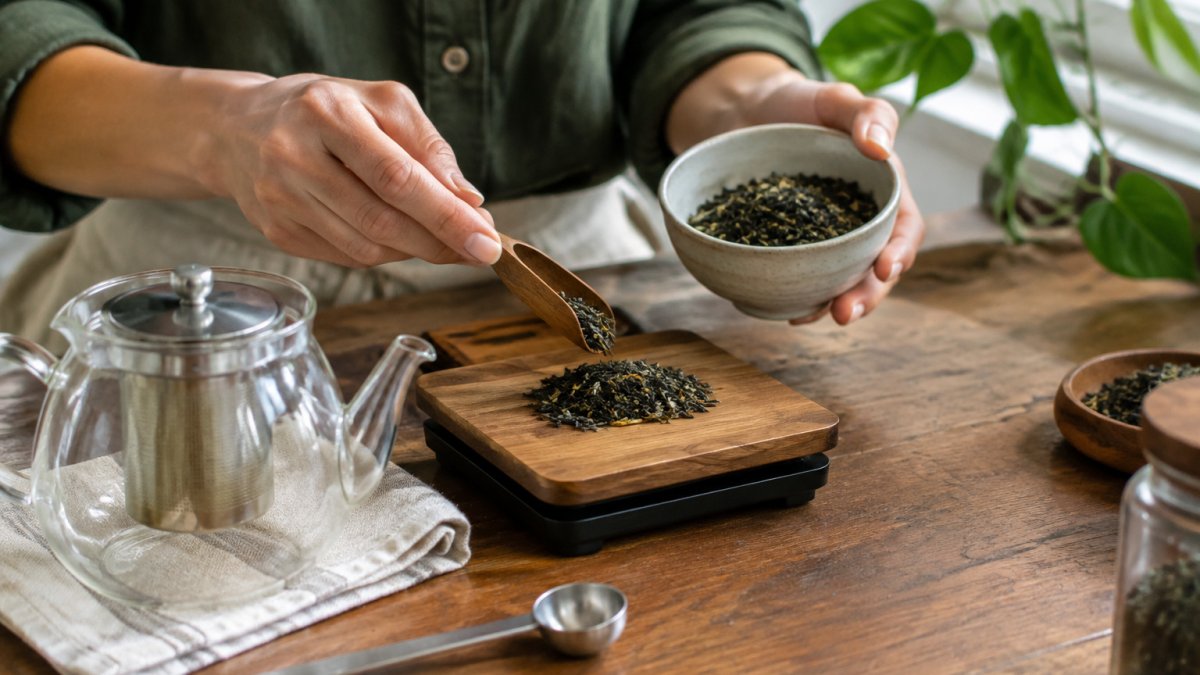
Start with the dry leaf. A heaping teaspoon of a fine, broken black tea holds more caffeine per gram than a large, whole-leaf green tea, and it releases that caffeine faster. Two teas labeled "black tea" can therefore produce noticeably different cups. Leaf grade, cultivar, growing altitude, and processing style all shape the caffeine a leaf carries into the cup. To see how leaf size and brewing differ between loose leaf and bagged tea, read Loose Leaf Tea vs Tea Bags.
Water temperature and steep time carry the most weight during brewing. Hotter water and longer steeps pull out more caffeine. Our approach is simple: measure your leaf by weight, time your steep, and keep those variables fixed when you compare teas. That makes differences between teas visible, rather than hidden by brewing habits.
Keep in mind that caffeine levels are estimates that vary with preparation.
How Much Caffeine Is in Black Tea
Black tea is usually the highest-caffeine true tea in a typical loose leaf lineup, but the loose leaf caffeine in your cup depends more on how much dry leaf you use and how long you steep than on the label "black tea." Strong styles and generous doses generally land toward the higher end of the range, while lighter grades or short steeps land lower. Check the product page for brewing guidance rather than relying on a fixed number.
The mechanism is straightforward. Caffeine is water-soluble and sits inside the leaf cells. Hot water at a full boil swells the leaf, dissolves the caffeine, and carries it into the cup. Broken or fine grades expose more leaf surface area per gram, so they release caffeine faster and more completely in the first few minutes. Whole, large-leaf grades release more slowly, which is why two teas both sold as "black tea" can taste similar in strength but deliver different caffeine loads at the same steep time.
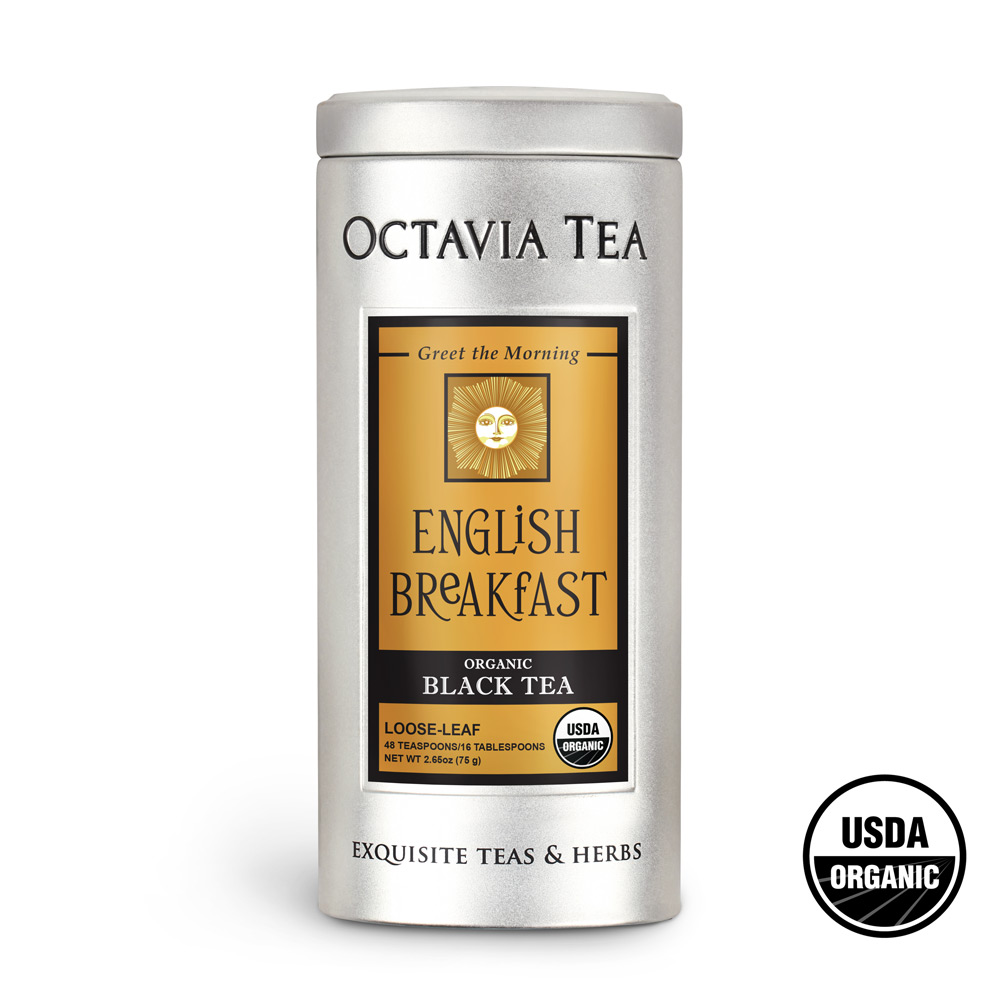
Our English Breakfast is a single-estate Assam from India, a style known for bold, full-bodied flavor. Assam leaves are sturdy and tend to hold plenty of caffeine, so this is a good choice if you want a strong morning cup. For a milder black tea, look for lighter grades or shorter steeps.
To make your own comparison meaningful, fix the variables. Weigh your dry leaf on a small kitchen scale rather than scooping by volume, because a heaping teaspoon of fine black tea can weigh noticeably more than a level teaspoon of whole-leaf green. Use the same water volume and the same steep time for each tea you compare, and note the result. A common pattern is that a 2-gram dose in 8 ounces of water steeped for 3 minutes lands in the middle of the black tea range, while a 3-gram dose at 5 minutes pushes toward the high end. Check the product page for recommended brewing guidance rather than relying on a fixed number from us or anyone else.
Watch out: steeping black tea for a very long time does not keep adding caffeine indefinitely. Most of the caffeine is extracted early, and a long steep mostly pulls additional tannins that make the cup bitter and astringent without a proportional caffeine gain.
The table below sums up the main factors that change how much caffeine ends up in your cup.
| Factor | Effect on caffeine | Note |
|---|---|---|
| Dry leaf dose | More leaf, more caffeine | Weigh your leaf rather than scooping by volume |
| Leaf grade | Fine, broken leaf releases faster | Whole-leaf grades release more slowly |
| Steep time | Most caffeine comes out early | Long steeps mainly add bitterness |
| Water temperature | Hotter water pulls more caffeine | Full boil is typical for black tea |
| Repeat infusions | Later steeps release less | Count every infusion in your total |
Green Tea Caffeine Content Across Styles
Green tea caffeine varies more than most people expect, because style and processing change the outcome. Pan-fired, steamed, and shade-grown greens all behave differently in the cup.
Gyokuro Imperial is shade-grown before harvest, which raises its amino acid L-theanine and gives it a deep, sweet, umami character. Shading changes the leaf chemistry, so judge caffeine release by the brewing method rather than assuming it from the name "green tea."
Hojicha Dark Roast is a roasted green tea, and roasting lowers its perceived strength and gives it a toasty, caramel profile. For a side-by-side look at how white and green teas compare on caffeine and antioxidants, see that guide. Many people find it a gentler choice for evening drinking. Zen Super Green, which blends sencha with matcha, sits at the more intense end of the green tea range.
When comparing greens, brew each at its recommended temperature and time. Water that is too hot can make a green tea taste harsh and pull more bitter compounds from the leaf.
White, Oolong and Matcha: Where They Fall
White, oolong, and matcha sit at different points on the caffeine spectrum, and the differences are easier to understand when you compare them under the same brewing conditions rather than by category name. Because you consume the whole leaf, matcha commonly delivers more caffeine per serving than a steeped green tea of the same dry weight. Your dose, water volume, temperature, and steep time all move the amount in your cup.
The mechanism explains most of the spread. White tea is made from young buds and early leaves that are minimally processed, and the delicate leaf structure releases caffeine gently, especially at the lower water temperatures usually recommended for it. Oolong is partially oxidized, and its rolled or balled leaf style means the leaf unfurls over the steep, so caffeine release builds across the first minute or two rather than hitting all at once. Compare matcha with regular green tea powder by taste, caffeine, and benefits.
Silver Needle is made from first-flush spring buds and produces a delicate, clear cup. Its caffeine still depends on dose and steep. Ali Shan High Mountain, a Taiwanese high-mountain oolong, has a floral aroma and mineral finish, and its caffeine depends heavily on how long you steep it and whether you resteep the same leaves.
Repeated infusions are the part most published ranges leave out. Loose leaf tea is often steeped several times, and caffeine does not all come out in the first pour. Caffeine typically comes out most in the first steep, with later steeps releasing less (Let's have another cup of green tea!). If you resteep the same leaves, your total caffeine across the session can exceed a single-cup estimate, so count the infusions, not just the first cup. Zen Super Green, which blends sencha with matcha, sits at the more intense end of the green tea range for the same reason matcha does: the powder stays in the cup.
When comparing these styles, brew each at its recommended temperature and time, and use the same dry-leaf weight and water volume for each. Water that is too hot can make a green tea taste harsh and pull more bitter compounds from the leaf, which muddies a side-by-side comparison. If you want to test the matcha difference yourself, compare matcha and a standard green at the same dry-leaf weight and note the difference in both flavor and perceived strength.
How Much Caffeine in Tea vs Coffee
Brewed coffee usually contains more caffeine per cup than brewed tea, but the gap depends on the coffee's roast and strength and the tea's style and dose. A strong black tea can approach a lighter coffee, while a delicate white tea sits well below a typical coffee serving.
The real difference is in how the drinks are consumed. Coffee is commonly brewed in a larger, more concentrated cup, while tea is often steeped more gently. Tea also releases caffeine over several infusions, which can extend your intake across a session.
If you are tracking intake, use the dry-leaf weight and cup size you actually brew, rather than a generic average.
Does All Tea Have Caffeine?
Not all tea contains caffeine. True teas, which come from the Camellia sinensis plant, including black, green, white, oolong, and pu-erh, all contain caffeine. Herbal infusions, such as chamomile, are made from flowers, herbs, or other plants and generally contain none.
Rooibos, the South African base of African Rose, is also naturally caffeine-free. Yerba mate comes from a different plant and contains caffeine, so do not assume it is caffeine-free. Check each product's listing and confirm the details before choosing it for a caffeine-sensitive routine.
For caffeine-free choices, Calming Chamomile and African Rose are the starting points. Keep in mind that "caffeine-free" describes the base ingredient, and blends can include added ingredients, so read the label.
Choosing Your Next Loose Leaf Tea at Octavia Tea
Pick your tea by the caffeine level you want and the flavor you enjoy. For a strong morning cup, our English Breakfast offers a bold Assam base. Explore the English Breakfast tea for a robust, high-caffeine black tea. For a gentler green, try Hojicha Dark Roast. For a delicate, low-intensity option, Silver Needle is a good choice. For a caffeine-free evening drink, Calming Chamomile or African Rose works well.
If you want a higher-caffeine green option, our Zen Super Green matcha blend offers a stone-ground powder for a more concentrated cup. You can also buy matcha directly from our green tea collection. Measure your dose the same way each time, and adjust water temperature and steep time to suit your taste.
Octavia Tea offers a curated selection of over 120 organic loose leaf teas. Shop the collection, start with one or two teas at the strength you prefer, and find the cup that works for your routine.
Frequently Asked Questions
What loose leaf tea has the highest caffeine content?
Among common loose leaf teas, black tea generally contains the most caffeine per cup, while green, white and oolong teas usually fall lower. Matcha, which is a powdered green tea where the whole leaf is consumed, can deliver more caffeine per serving than a standard steeped green tea. Actual amounts depend on the dry leaf dose, water volume, water temperature and steep time, so the same tea can vary noticeably from one cup to the next. Weigh your leaves and time your steep to compare cups fairly.
Does all tea have caffeine?
True teas from the Camellia sinensis plant, including black, green, white, oolong and pu'erh, all naturally contain caffeine. Herbal infusions such as chamomile and rooibos are not made from that plant and are generally caffeine-free, though yerba mate is a notable exception because it contains caffeine. If you need to limit caffeine, choose a herbal blend or a shorter steep of a lighter true tea, and check the product page for the specific blend you are buying.
Can brewing time change the caffeine content of tea?
Yes. Caffeine dissolves into hot water over the course of a steep, so a longer steep generally releases more caffeine into the cup, while a shorter steep releases less. Water temperature and the amount of leaf also matter. Because loose leaf gives you control over all three variables, you can adjust them to make a lighter or stronger cup of the same tea. Recommended steep times for specific blends are listed on each product page.
How does the caffeine in tea compare with coffee?
A typical cup of brewed coffee generally contains more caffeine than most cups of tea, but the gap depends heavily on how each drink is prepared. Brewed tea usually falls below coffee per cup, while matcha and strong black teas can approach it. Tea also releases its caffeine more gradually, which many drinkers find easier to manage across a day. Comparing equal cup sizes and preparation methods gives the clearest picture.


Octavia Tea Sign In
Create New Account