























Best Teaware for Brewing Premium Green Tea

Last Updated: October 30, 2026
Quick Summary
The best teaware for premium green tea depends on how you drink it. A glass teapot with infuser lets you watch the leaves unfurl without adding flavor, while glazed porcelain suits tasting several teas cleanly. Unglazed clay pots work well for brewing one tea family repeatedly, and a Brewing Basket fits single cups.
- The glass teapot for one holds about 16 ounces, or two cups.
- Glass imparts no unwanted taste, so the flavor comes from the tea itself.
- Unglazed clay absorbs oils over time, so dedicate each clay pot to one tea family.
- Premium green leaves need room to expand, so choose an infuser with ample depth.
- Steep first infusions short and lengthen later steeps to avoid bitterness.
Table of Contents
- Why Teaware Choice Changes the Cup of Premium Green Tea
- Our Picks: The Teaware Lineup Compared
- Glass Teapot with Infuser: Watching the Leaves Unfurl
- Clay and Ceramic Vessels: How Material Shapes Flavor
- Infusers and Brewing Baskets: Leaf Expansion Matters
- Dialing In Temperature and Steeping Time for Green Tea
- Building Your Green Tea Setup: Your Next Step
- Frequently Asked Questions
Why Teaware Choice Changes the Cup of Premium Green Tea
Premium green tea is delicate, and the vessel you brew it in shapes what reaches your cup. Green leaves are less oxidized than black tea, so they respond quickly to water temperature, steeping time and the surfaces they touch. Choosing the right teaware gives you more control over those variables. This guide from Octavia Tea compares the teaware that suits premium green tea and explains why each piece matters.
Teaware is not just decoration. The material, the infuser design and the capacity all affect how much room the leaves have to open and how evenly they release flavor. A well-matched vessel lets you brew the same tea consistently, cup after cup.
Our Picks: The Teaware Lineup Compared
Our top pick for most drinkers is the glass teapot with infuser, because it lets you watch the leaves unfurl while keeping the flavor neutral. The table below summarizes the options we cover, with the starting prices listed on the product pages.
| Product | Starting Price | Best For |
|---|---|---|
| Glass Teapot | $24.00 | Single-serving brewing and watching leaves open |
| Tokoname Teapot (red earth) | $45.00 | Fine-leaf Japanese teas |
| Beehouse Teapot | $34.00 | Serving one to two people with a removable infuser |
| Brewing Basket (Finum) | $17.99 | Brewing a single cup in a mug |
| Bamboo Whisk (Chasen) | $15.99 | Whisking matcha |
Glass Teapot with Infuser: Watching the Leaves Unfurl
If you want to see your tea develop, the glass teapot with infuser is the place to start. Glass lets you appreciate the color of each tea type and imparts no unwanted taste, which matters when the tea itself is subtle. The heat-resistant glass is also dishwasher safe, so cleanup stays simple.
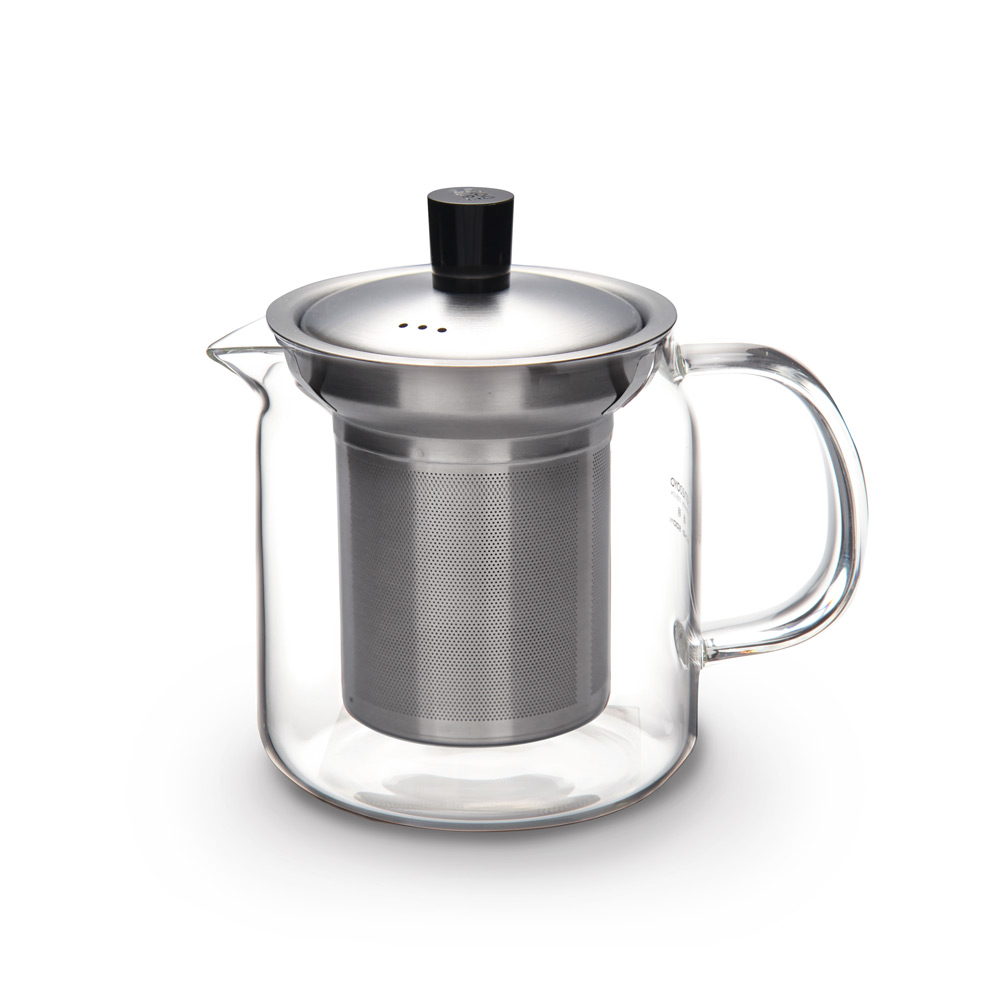
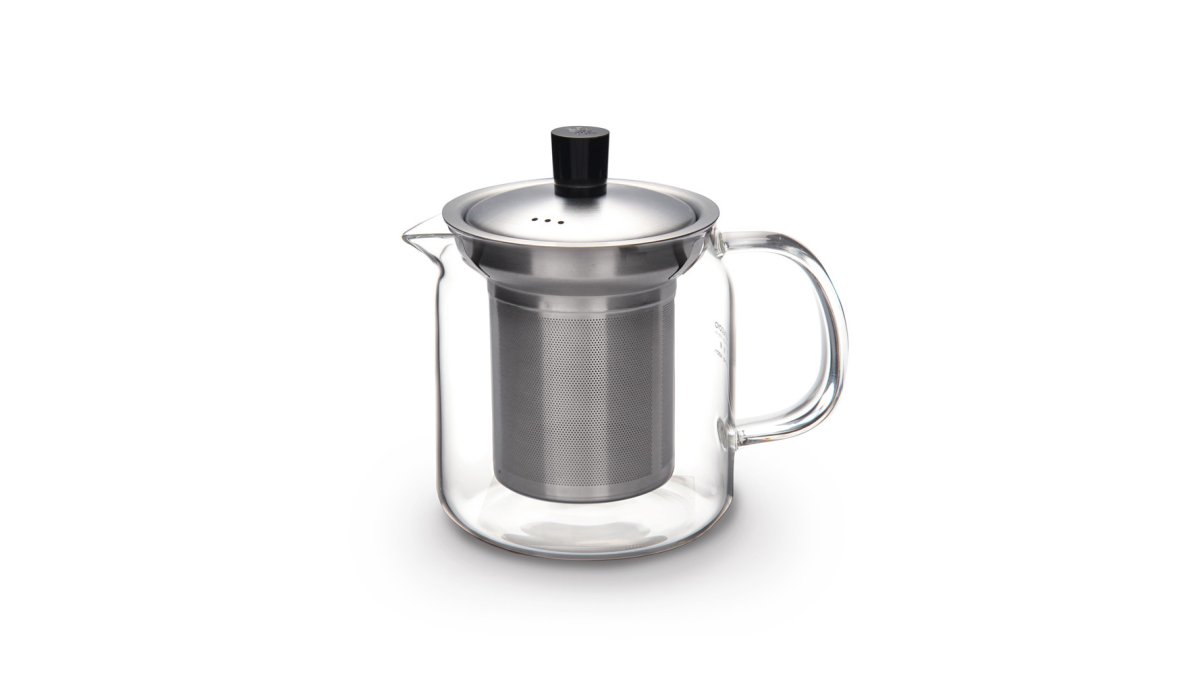
The teapot for one holds approximately 16 ounces, or two cups. It includes a stainless steel infuser basket made from a solid sheet of metal rather than flexible wire mesh. That construction keeps fine particles out of the pour and holds the tea ready for later steepings. Add a tablespoon of leaves, pour in freshly boiled water and steep for the suggested time, generally 2 to 4 minutes, adjusting for the strength you prefer.
Watch out: glass heats quickly on the outside, so handle the pot by its body rather than the hot surfaces.
Best for: single drinkers who enjoy the ritual of watching green leaves open. Skip if: you regularly brew for a group, since the 16-ounce capacity runs small.
Clay and Ceramic Vessels: How Material Shapes Flavor
Material is the quiet variable in green tea brewing. Two pots of the same size, filled with the same leaves and the same water, will produce different cups if one is glass and the other is unglazed clay, and the difference comes down to three mechanisms: how heat moves through the wall, whether the surface is porous, and how much of the aroma the material traps or releases.
Glass is the most neutral surface. It conducts heat quickly, so the water cools faster once poured, and it holds no residue from previous sessions. That neutrality is why glass is the easiest material to learn on: what you taste is the tea, not the vessel. The trade-off is heat loss. A thin glass wall sheds temperature faster than a thick ceramic or clay wall, so a delicate green tea can drift below its ideal range mid-steep if you brew slowly.
Porcelain and glazed ceramic sit in the middle. The glaze seals the surface, so the pot does not absorb oils or aroma from steep to steep, and the thicker wall holds warmth more steadily than glass. Porcelain is also the traditional choice for side-by-side tasting because it imparts essentially no flavor of its own. If you brew several green teas in the same week and want each to taste like itself, glazed porcelain is the safest pick.
Unglazed clay behaves differently. The porous surface absorbs a small amount of the tea's oils with each session, and over time the pot develops a seasoned character. You can view the clay teapot here. The Beehouse Teapot takes the opposite approach, glazed ceramic in several colors, with a removable stainless infuser basket and lid, and a capacity that suits one or two people.
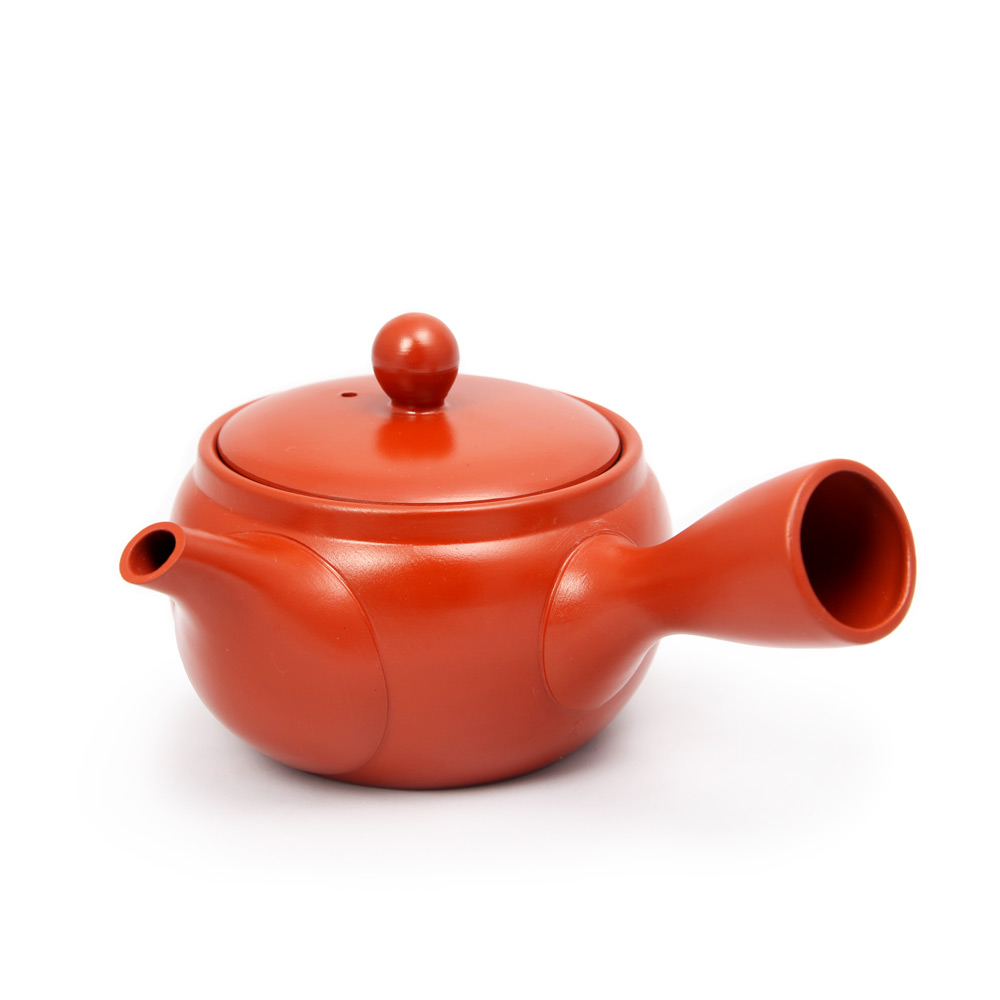
A practical way to decide: if you brew one style of green tea repeatedly and want the pot to improve with use, go unglazed clay. If you rotate teas, share the pot with guests, or want to taste each tea cleanly, go glazed porcelain or glass. If you want to watch the leaves open, glass wins on visibility even though it loses on heat retention.
Best for: drinkers who brew the same green tea family often and want a pot that seasons over time (clay); drinkers who rotate teas or serve guests (glazed ceramic). Skip if: you want to brew many different green teas in one vessel without cross-over, choose glazed porcelain or glass instead.
Infusers and Brewing Baskets: Leaf Expansion Matters
Premium green leaves need room to expand. A cramped infuser keeps them from opening fully, which can leave the cup thin. This is where the infuser design matters most.
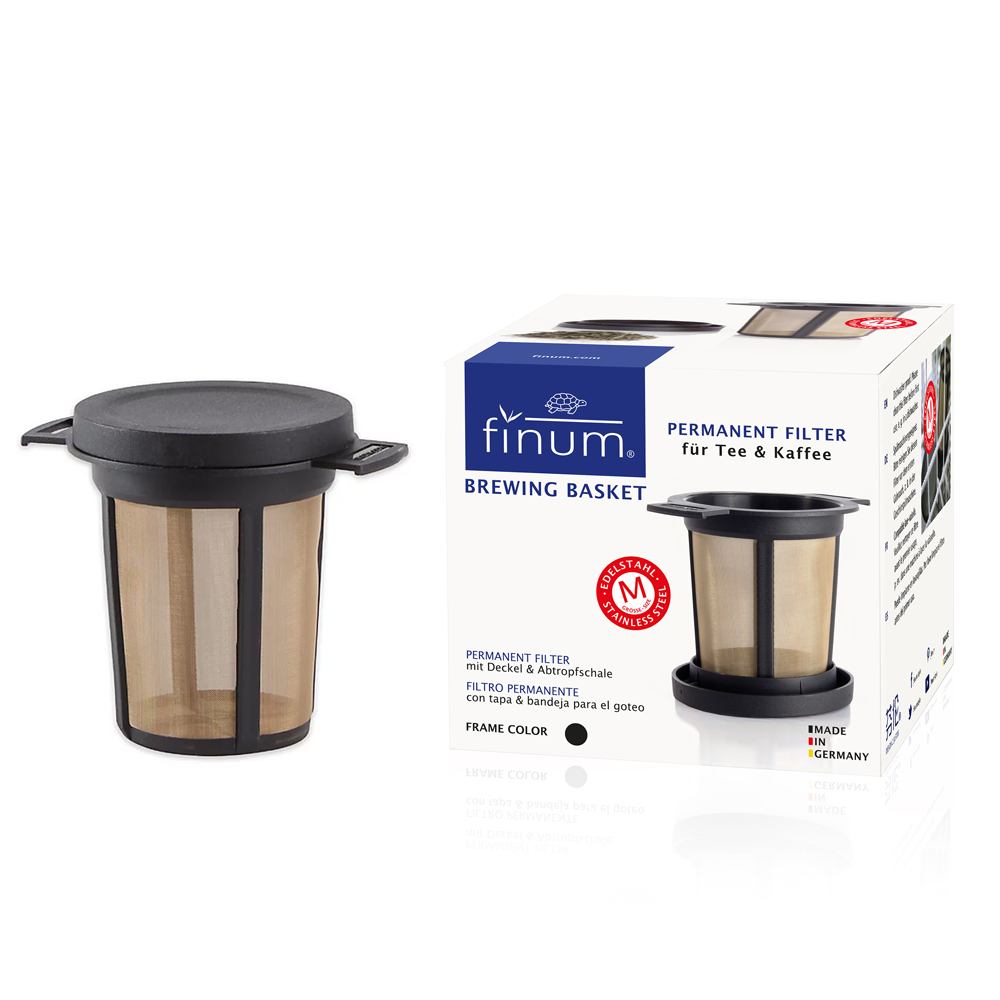
The Brewing Basket from Finum is built for single cups. It fits into your cup, mug or small teapot, and its tightly woven stainless steel micro-mesh keeps the smallest leaves out of your drink. Its depth allows water to flow through and gives the leaves space to fully expand, which supports a more flavorful infusion. It is dishwasher safe and includes a drip tray.
Best for: drinkers who brew one cup at a time in a mug. Skip if: you want to brew a full pot for several people at once.
Dialing In Temperature and Steeping Time for Green Tea
Your vessel only works as well as the brewing parameters you give it, and green tea is the least forgiving of the major tea types when those parameters drift. The reason is chemical: green leaves are minimally oxidized, so the compounds that turn bitter extract quickly once the water is too hot or the steep runs too long. Cooler water and shorter steeps slow that extraction and let the sweeter, more savory notes come forward first.
A useful mental model is that temperature and time trade off against each other. Hotter water extracts faster, so a short steep at a higher temperature can taste similar to a longer steep at a lower one, but the hotter, longer combination is where bitterness concentrates. Most practitioners find that delicate green teas do best when the water is allowed to rest after boiling, and when the first steep is kept short, with later steeps lengthened slightly to compensate for the leaves giving up their flavor more slowly.
Leaf-to-water ratio matters as much as temperature. A common pattern is to use enough leaf that the first steep is flavorful in a short window, rather than packing the infuser and steeping longer. When leaves are crowded, water cannot circulate evenly, some leaves over-extract while others barely open, and the cup tastes flat and harsh at the same time. This is why infuser volume, not just mesh fineness, belongs in the same conversation as temperature. Check the product page for the leaf amount the maker recommends for each tea, since leaf size and style vary enough that a single ratio will not fit every green tea.
Re-steeping is where premium green tea rewards good teaware. Whole-leaf teas generally hold up to several infusions, and each infusion shifts the balance: the first is often the most aromatic, the middle steeps the sweetest, and the last turns softer and more vegetal. A pot or basket that lets you lift the leaves out cleanly between steeps, rather than leaving them sitting in water, is what makes multi-steep brewing practical. If your vessel traps the leaves in a small basket, drain it fully between pours so the leaves are not stewing while you drink.
Matching Brewing Method to Vessel
| Method | What to Watch | Vessel That Fits |
|---|---|---|
| Teapot with infuser | Heat loss through the wall; drain fully between steeps | Glass teapot or clay teapot |
| Single cup with basket | Leaf crowding in a small basket; short first steep | Brewing Basket (Finum) |
| Gongfu-style small pours | Many short steeps; consistent water temperature | Small clay or porcelain pot |
A few practical adjustments that make the biggest difference: pre-warm the pot with hot water and discard it before adding leaves, so the first steep does not lose heat to a cold wall; pour water down the side of the vessel rather than directly onto the leaves, which reduces agitation and harshness; and taste at the short end of the range first, then lengthen the next steep rather than starting long and trying to fix a bitter cup.
Best for: drinkers who want to brew the same tea consistently and explore multiple infusions. Skip if: you prefer a single strong cup, in that case, use more leaf and a slightly longer steep rather than hotter water.
Building Your Green Tea Setup: Your Next Step
Start with the vessel that fits how you drink. A single-cup drinker can begin with the Brewing Basket, while someone who enjoys a pot can choose the glass teapot with infuser or a clay teapot for Japanese leaves. Add the matcha tools only if you plan to whisk matcha.
Once you have a vessel, build your routine around it: measure your leaves, control the water temperature and keep steeping times short. Explore the full range of teaware on the Octavia Tea site to find the piece that suits your cup.
Frequently Asked Questions
What teaware is best for brewing premium green tea?
For most people, a glass teapot with a stainless steel infuser or a fine-mesh brewing basket gives the cleanest result for premium green tea. Glass adds no taste of its own and lets you watch the leaves open. Clay suits drinkers who want a rounder, slightly mineral cup. Choose by how you brew: a single cup suits a brewing basket, while a one-person teapot like the 16-ounce Glass Teapot suits a slow, shared ritual.
Is a glass teapot good for brewing green tea?
Yes. Glass is heat-resistant and imparts no unwanted flavors, so the tea tastes like the leaves. The Octavia Tea Glass Teapot includes a stainless steel infuser basket that strains leaves as you pour and holds them for later steepings. Because you can see the color develop, it is easy to stop the steep before the tea turns bitter. It is dishwasher safe and holds about 16 ounces, or two cups.
What should I look for in a tea infuser for green tea?
Look for a solid or tightly woven stainless steel mesh and enough depth for the leaves to expand. Green tea leaves open more than many people expect, so a cramped basket can limit water flow and mute the flavor. The Brewing Basket (Finum) uses fine micro-mesh and a deep design that leaves room for full expansion, and it fits most cups and small teapots. Check the product page for capacity and cleaning details.
Does teapot material affect the taste of green tea?
Material can change the cup. Glass is neutral and shows the tea's color, which helps you judge strength. Unglazed clay, like the Tokoname Teapot, is often described by tea drinkers as adding a subtle mineral or sweet quality, and it is traditionally paired with Japanese teas with fine, needle-like leaves. Ceramic glazes are a matter of taste. Try one vessel with the same tea before deciding.


Octavia Tea Sign In
Create New Account