























How to Source Fair Trade Herbal Tea for Your Business

Last Updated: October 29, 2026
Quick Summary
Fair trade herbal tea is tea grown and traded under a system that sets minimum prices, requires fair pay for workers and farmers, and verifies those conditions through a third-party certification body. Source it by defining your criteria first, then confirming each supplier's certificate number and scope statement against the certifier's database.
- Certified fair trade means an independent body audits the supply chain against published standards.
- Ask every supplier for their minimum order, restock speed, and whether they can hold a consistent lot.
- Verify a certificate by checking its number against the certifier's database and reading the scope statement.
- An expired certificate is not proof of current practice, so always confirm the expiration date.
- For small businesses, low minimums and fast restocks often beat a marginally lower unit price.
Table of Contents
- Step 1: Define What Fair Trade Means for Your Herbal Tea Program
- Step 2: Build Your Ethical Tea Sourcing Criteria Before You Shop
- Step 3: Find Fair Trade Tea Suppliers That Fit Your Volume
- Step 4: Run Tea Supplier Due Diligence and Verify the Claims
- Step 5: Compare Wholesale Herbal Tea Suppliers on Cost and Terms
- Step 6: Audit Traceability and Sustainable Packaging Requirements
- Start Your Wholesale Tea Sourcing with Octavia Tea
- Frequently Asked Questions
Step 1: Define What Fair Trade Means for Your Herbal Tea Program
Sourcing fair trade herbal tea starts with one honest question: what do you actually want the label to guarantee? Fair trade herbal tea is tea grown and traded under a system that sets minimum prices, requires fair pay for workers and farmers, and verifies those conditions through a third-party certification body (Why is Fair Trade Important).
That definition matters because the label is not a single thing. It covers a set of promises about pay, labor conditions, and how money moves back to farming communities.
Certified Fair Trade vs. Direct Trade: What the Labels Actually Promise
Certified fair trade means an independent body audits the supply chain against published standards. Those standards typically cover fair pay, safe labor conditions, restrictions on child labor, and a social premium paid to cooperatives.
Direct trade means you or your supplier buy straight from the farm, with terms you negotiate yourselves. There may be no auditor at all. The promise rests on the relationship and on whatever documentation the buyer asks for.
Here is the practical difference for a buyer:
- Certified trade gives you a paper trail you did not have to build.
- Direct trade gives you flexibility and often closer relationships, but the burden of proof sits with you.
- Many reputable suppliers use both. Certification covers the base; direct relationships add depth.
Direct trade and certification are different models, and buyers should understand both before they choose a supplier. If you are still shaping your program, our guide on how to start a herbal tea business covers the legal, sourcing, and profitability groundwork that comes before supplier selection.
Step 2: Build Your Ethical Tea Sourcing Criteria Before You Shop
Write your criteria down before you talk to a single supplier. Buyers who shop first and define standards later end up rationalizing whatever the supplier already offers.
A workable ethical tea sourcing checklist looks like this:
- Certification status: which third-party certification, and can the supplier show the certificate?
- Farm identification: can they name the farms or cooperatives behind each blend?
- Pay model: how are farmers paid, and is there a premium above commodity rates?
Match these criteria to what your customers actually ask for. If you are unsure which blends to prioritize, our roundup of the best herbal teas for evening relaxation shows which botanicals customers reach for most, so your sourcing criteria reflect real demand rather than guesswork.
Step 3: Find Fair Trade Tea Suppliers That Fit Your Volume
Fair trade tea suppliers fall into three rough groups: importers who hold certification across a broad catalog, estate-direct suppliers who work farm by farm, and regional distributors who carry both.
Volume is where most small buyers get stuck. Large importers often set minimums that suit grocery chains, not a boutique gift shop or a spa. Ask each supplier three questions up front:
- What is your minimum order?
- How often do you restock a sold-out blend?
- Can you hold a consistent lot across reorders?
The third question is the one buyers forget. A blend that tastes different every quarter will cost you customers.
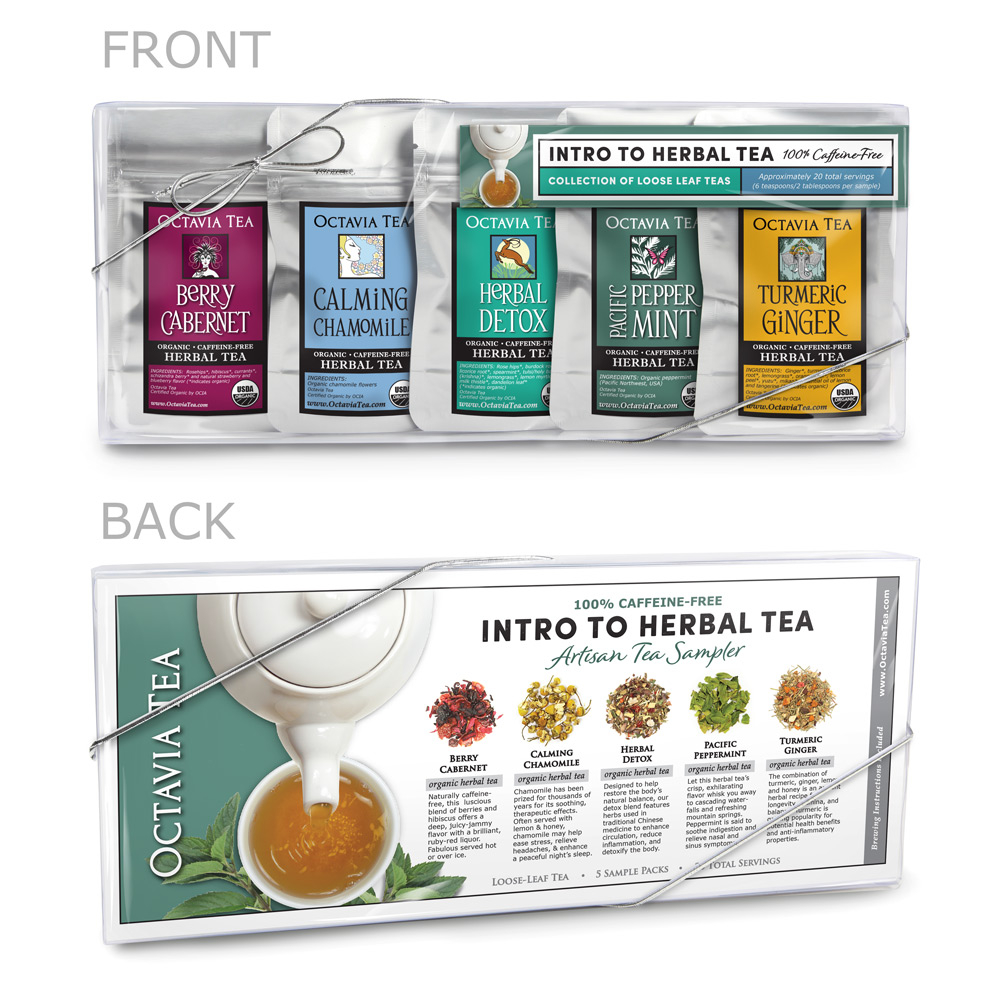
Before committing to a full wholesale account, sample widely. The Intro to Herbal Tea sampler includes five organic herbal teas, roughly 20 total servings, with brewing instructions included.
Step 4: Run Tea Supplier Due Diligence and Verify the Claims
Tea supplier due diligence is the step where most sourcing programs quietly fail. Suppliers talk about ethics fluently; far fewer can produce documents.

The mechanism is simple: every ethical claim should resolve to a document, and every document should resolve to a scope. A certificate is not a vibe, it is a record with a certifier, a certificate number, a scope statement, and an expiration date.
How to Verify a Fair Trade Certificate, Step by Step
Ask for the certificate, not the logo. Then work through this sequence:
- Identify the certifying body. Note the organization named on the certificate. Different certifiers publish different lookup tools, but most maintain a searchable database of certified operations.
- Check the certificate number against the certifier's own database. Do not rely on a PDF alone; confirm the record is live and current.
- Read the scope statement. This is the part buyers skip. The scope tells you which products, facilities, or product categories the certification actually covers. A certificate that covers a packing facility is not the same as one that covers the tea itself.
- Confirm the expiration date. Certificates renew on a cycle. An expired certificate is not proof of current practice.
- Match the certificate to the lot. Ask the supplier to connect the certificate to the specific blend or lot you are ordering. If they cannot, you have found your answer.
A common pattern is that a supplier holds valid certification for one product line and markets the whole catalog under it. The scope statement is how you catch that.
Build a Verification File You Can Defend
Keep a simple audit trail: dated copies of certificates, the name and title of who sent them, the date you verified each one against the certifier's database, and a note on scope.
For direct trade relationships where no third-party certificate exists, the file looks different. Ask for the farm name, the harvest date, the terms of the purchase, and any internal social-responsibility documentation the supplier maintains.
Spotting Greenwashing in Tea Supply Chains
Greenwashing in tea usually shows up in vague language. Watch for these signals:
- Claims like "ethically sourced" with no certifier named
- Certification logos used without a certificate number
- Farm stories that cannot be matched to a specific lot
A supplier who answers questions with documents is worth ten who answer with adjectives. When a claim cannot be resolved to a document, treat it as marketing rather than verification, and price your risk accordingly.
Step 5: Compare Wholesale Herbal Tea Suppliers on Cost and Terms
Cost comparison is not just the per-unit price. The number on the invoice is the smallest part of the decision. What actually determines whether a supplier works for your business is how the unit price interacts with minimums, restock speed, lot consistency, and the cash you have tied up in inventory at any given moment.
The mechanism is a landed-cost and cash-cycle view. A lower unit price on a large opening order can cost more than a higher unit price on a small one, because the difference is capital you cannot deploy elsewhere while the inventory sits. Build a simple scorecard across these columns:
| What to Compare | Why It Matters | What to Ask |
|---|---|---|
| Unit cost | Sets your margin | Price per unit at your order size |
| Minimum order | Ties up cash | Lowest opening order accepted |
| Restock speed | Prevents stockouts | Typical lead time on reorders |
| Lot consistency | Protects your menu | Can they hold a lot across orders? |
| Certification | Backs your claims | Certificate number and scope |
| Packaging | Meets your standards | Plastic-free and recyclable options |
| Shipping terms | Changes true landed cost | Free shipping threshold, if any |
The Price Premium, Weighed Honestly
Fair trade and certified-organic teas typically carry a premium over commodity herbal tea, and that premium is real. The question is not whether it exists but whether your customers will pay for it and whether your cash cycle can absorb it. A practical way to decide:
- Start with your sell-through. If a blend moves slowly, a large opening order at a lower unit price is a trap. A smaller order at a higher unit price keeps cash free for the blends that actually sell.
- Model the reorder, not just the first order. The first order is a test; the reorder is the business. A supplier with fast restocks lets you run leaner inventory, which often beats a marginal unit-price advantage.
- Price the risk of inconsistency. A blend that tastes different every quarter costs you customers, and customer loss is more expensive than any unit-price difference. Lot consistency belongs in the cost model, not outside it.
For small businesses, the cost-benefit math usually favors a supplier with low minimums and fast restocks over one with a marginally lower unit price and a large opening order. Cash tied up in inventory you cannot sell is the real expense, and it is the expense most buyers forget to put in the spreadsheet.
Terms Worth Negotiating
Beyond price, ask about payment terms, whether the supplier will hold a lot across reorders, and whether they offer a sampler or trial size before a full commitment. You can review wholesale cost and terms to compare suppliers on pricing and account requirements. A supplier confident in their product will usually find a way to let you test it. That willingness is itself a signal.
Octavia Tea offers low minimums for wholesale accounts.
Step 6: Audit Traceability and Sustainable Packaging Requirements
Traceability means you can follow a finished product back through each handler to the farm and harvest (Food Traceability: One Ingredient in a Safe and Efficient Food Supply). Ask your supplier to walk one blend through that chain, start to finish.
On packaging, set your requirements before you order:
- Plastic-free packaging where the product allows it
- Recyclable or compostable outer cartons
- Bulk formats that cut packaging per serving
Retail presentation is part of this audit. Tester jars let customers see, smell, and experience each tea, which supports packaging and customer-experience decisions for your program.
Start Your Wholesale Tea Sourcing with Octavia Tea
Building a fair trade herbal tea program takes real work: criteria, documents, verification, and a cost model that survives contact with your cash flow. Most buyers underestimate the verification step and overestimate the label.
We can shorten that path.
Get started with Octavia Tea and build a tea program you can defend to your customers, one verified lot at a time.
Frequently Asked Questions
How do I find fair trade herbal tea suppliers?
Start with suppliers that publish their certification details and sourcing relationships openly. Look for third-party certification marks on the product listing, ask which estates or cooperatives the herbs come from, and request documentation before placing a wholesale order. Suppliers who answer those questions quickly and specifically are usually the ones worth a sample order. Octavia Tea, for example, sources directly from estate gardens and carries USDA certified organic status, which gives buyers a verifiable starting point.
How can I verify a tea supplier's fair trade claims?
Ask for the certification body's name, the certificate number, and the scope of what is certified, then check the certifier's public database. Request an audit trail showing which farms supplied a given lot, and compare the supplier's stated labor and fair pay practices against the certification standard. If a supplier cannot produce a certificate number or names only vague 'ethical partnerships,' treat the claim as unverified and request more before committing to a wholesale herbal tea order.
Is organic tea automatically fair trade?
No. Organic certification addresses how crops are grown, such as restrictions on synthetic pesticides and fertilizers, while fair trade certification addresses labor conditions, fair pay, and community investment. A tea can be certified organic without any fair trade certification, and the reverse is also possible. Buyers who care about both should look for both credentials, or ask the supplier directly about worker welfare and living wage practices if only one certification is present.
What documents should a wholesale tea supplier provide?
Request current organic certificates with certificate numbers, fair trade certification details where claimed, a lot-level audit trail linking finished product to source farms, and ingredient specifications for any flavored or blended teas. For retail buyers, ask about packaging material composition if plastic-free or zero waste goals matter to you. A supplier organized enough to hand these over without delay is also more likely to have genuine supply chain transparency behind the paperwork.


Octavia Tea Sign In
Create New Account