























How Antioxidants in Tea Improve Brain Function

Last Updated: October 23, 2026
Quick Summary
How antioxidants in tea improve brain function comes down to polyphenols that survive digestion, enter the bloodstream, and cross the blood-brain barrier in small amounts. These compounds support the body's antioxidant defenses and influence inflammation and cell-survival signaling, while L-theanine and caffeine together support calm, steady focus.
- Green tea catechins appear in blood plasma roughly half an hour to two hours after drinking.
- L-theanine increases alpha brain wave activity, a pattern linked to relaxed wakefulness.
- Observational studies showing benefits typically involve three or more cups daily over years.
- Use water just below boiling and steep two to three minutes for maximum antioxidants.
- Most headlines about tea and the brain come from cell cultures or rodents, not human trials.
Table of Contents
- How Tea Antioxidants Reach the Brain
- Tea Polyphenols and Brain Health: Catechins, Flavonoids, and What They Do
- Green Tea Benefits for Brain: Memory, Attention, and Cognitive Performance
- L-Theanine and Focus: The Calm-Alert Effect
- How Much Green Tea to Drink Daily for Brain Benefits
- Brewing and Preparation: Getting the Most Antioxidants Per Cup
- What the Research Really Shows: Human Evidence vs. Lab Findings
- Frequently Asked Questions
How Tea Antioxidants Reach the Brain
Tea contains bioactive compounds called polyphenols, the tea antioxidants everyone talks about. But drinking a cup and getting those compounds into your brain are two different events.
Some tea polyphenols are absorbed in the small intestine; others reach the colon, where gut bacteria break them into smaller molecules that pass into the blood.
Most research here is observational or lab-based, so we flag what is proven and what is still guesswork.
From the Cup to the Bloodstream
Absorption begins fast. Catechins, the main polyphenols in green tea, appear in blood plasma within roughly half an hour to two hours of drinking, according to human pharmacokinetic reviews of green tea catechins.
The catch: absorption is low. Most catechins pass through unchanged. What your body does absorb gets processed by the liver, which tags the molecules for faster clearance.
So the compounds circulating in your blood are not identical to the ones in the leaf. They are metabolites, and they are what your brain actually sees.
Crossing the Blood-Brain Barrier
The blood-brain barrier is a filter that keeps large and unwanted molecules out of brain tissue.
Some tea metabolites get through. Lab studies show that certain catechin metabolites and L-theanine, an amino acid found almost exclusively in tea, can cross it. L-theanine is small and structurally similar to glutamate, which gives it a route in.
Crossing the barrier is a prerequisite, not a result. The dose that reaches brain tissue from normal drinking is small and short-lived.
Tea Polyphenols and Brain Health: Catechins, Flavonoids, and What They Do
Tea polyphenols are the plant compounds that give tea its color, bitterness, and antioxidant activity. The main families are catechins (especially EGCG in green tea) and flavonoids such as quercetin and kaempferol.
They act in two ways: neutralizing unstable molecules and influencing signaling pathways tied to inflammation and cell survival.
That second role is the one researchers find most promising for brain health.
Antioxidant Defenses and Oxidative Stress
Oxidative stress is the damage caused when unstable molecules outnumber your body's defenses. The brain is unusually exposed: it uses a lot of energy, holds a lot of fat, and has weaker antioxidant defenses than other organs (Neuroprotective Effect of Antioxidants in the Brain).
Tea polyphenols support the body's own antioxidant defenses: they scavenge free radicals directly and appear to nudge the body to produce more protective enzymes. If you want to browse antioxidant-rich teas you can actually buy, that page is a good place to start.
Inflammation and Brain-Cell Health
Chronic low-grade inflammation is linked to cognitive decline and dementia risk in observational research, and tea polyphenols show anti-inflammatory effects in lab models.
In human studies the picture is softer: regular tea drinkers often show lower inflammation markers, but lifestyle factors confound this. Reading "anti-inflammatory in mice" as "protects your brain" is a common mistake, those are not the same claim.
Green Tea Benefits for Brain: Memory, Attention, and Cognitive Performance
The strongest human evidence for green tea benefits for brain function involves attention and cognitive performance, not long-term protection.
In practice, green tea may sharpen focus for an hour or two. It is unlikely to make you measurably smarter.
Older adults are studied most for cognitive decline.
Correlation, not causation. People who drink tea daily may simply have healthier routines.
NIH National Center for Complementary and Integrative Health on green tea summarizes the evidence carefully: promising, preliminary, and not a substitute for treatment.
L-Theanine and Focus: The Calm-Alert Effect
L-theanine produces what researchers call the calm-alert state. It is an amino acid found in tea leaves, and it works alongside caffeine rather than against it.
The mechanism is fairly well characterized. L-theanine increases alpha brain wave activity, a pattern linked to relaxed wakefulness. Caffeine blocks sleepiness signals.
That is why tea feels different from coffee. For a closer look at how green tea and herbal options compare on caffeine and calming herbs, see this herbal tea vs green tea comparison for stress relief.
Doses matter: studies typically use isolated L-theanine in amounts higher than a single cup provides. Matcha and shade-grown green teas carry more L-theanine than most teas, one reason they feel smoother.
How Much Green Tea to Drink Daily for Brain Benefits
There is no official recommended green tea intake for brain health. Observational studies that show benefits typically involve three or more cups daily, sustained over years, so a reasonable target is 3 to 5 cups of green tea spread through the day. If you are still deciding on a daily habit, this guide to the healthiest tea to drink daily compares green, black, and herbal teas along with their caffeine levels.
Three practical notes:
- Start lower. Two cups daily for a week, then build up. Green tea on an empty stomach bothers some people.
- Consistency beats volume. Daily regular tea drinking over months is what the studies measure, not one large dose.
- Whole leaf over extracts. Supplements deliver concentrated doses with more risk and less enjoyment.
Caffeine, Sleep, and Timing
Caffeine is the limiting factor for most people. Green tea carries roughly a third of coffee's caffeine per cup, but it adds up, and sleep quality matters for memory consolidation. Our rule: last cup by early afternoon. If you are sensitive to caffeine, use cooler water and a shorter steep.
Brewing and Preparation: Getting the Most Antioxidants Per Cup
Brewing turns the chemistry in the leaf into the chemistry in your cup. Catechins and caffeine are water-soluble and extract at different rates depending on temperature, time, and leaf surface area, so understanding that extraction curve beats memorizing a single recipe.
Hot water swells the leaf and carries soluble compounds into the liquor by diffusion. Heat speeds diffusion, so hotter water pulls more total solids, catechins, caffeine, and bitter tannins, in less time, and smaller leaf pieces expose more surface area.

Which Compounds Extract When
Catechins, the polyphenols most studied for brain and vascular effects, extract efficiently in hot water, rising with temperature and time up to a point. Caffeine follows a similar curve, so you cannot fully separate the two by brewing alone.
If you want the most antioxidants per cup, use water just below boiling and give the leaf a couple of minutes.
A Consistent Comparison Across Tea Types
Processing changes the starting chemistry before brewing begins. Green tea is minimally oxidized, retaining more of its original catechins, with EGCG the most discussed.
Green and matcha tend to lead on catechin content, black tea offers a distinct polyphenol profile, and white sits in between depending on the leaf.
| Goal | Water Temp | Steep Time | Best Leaf Style |
|---|---|---|---|
| Maximum antioxidants | Just below boiling | 2-3 minutes | Loose leaf green |
| Calm focus, less caffeine | Cooler water | 1.5-2 minutes | Shade-grown or matcha |
| Everyday drinking | Moderate | 2 minutes | Sencha, blended green |
| Iced tea | Moderate | Cold brew, several hours | Fruit-forward green blends |
Use filtered water and loose leaf where you can, leaf surface area and freshness both affect extraction. A single-cup brewing basket makes loose-leaf brewing easy and keeps fine leaves out of your cup. For a concentrated option, matcha powder delivers the whole leaf.
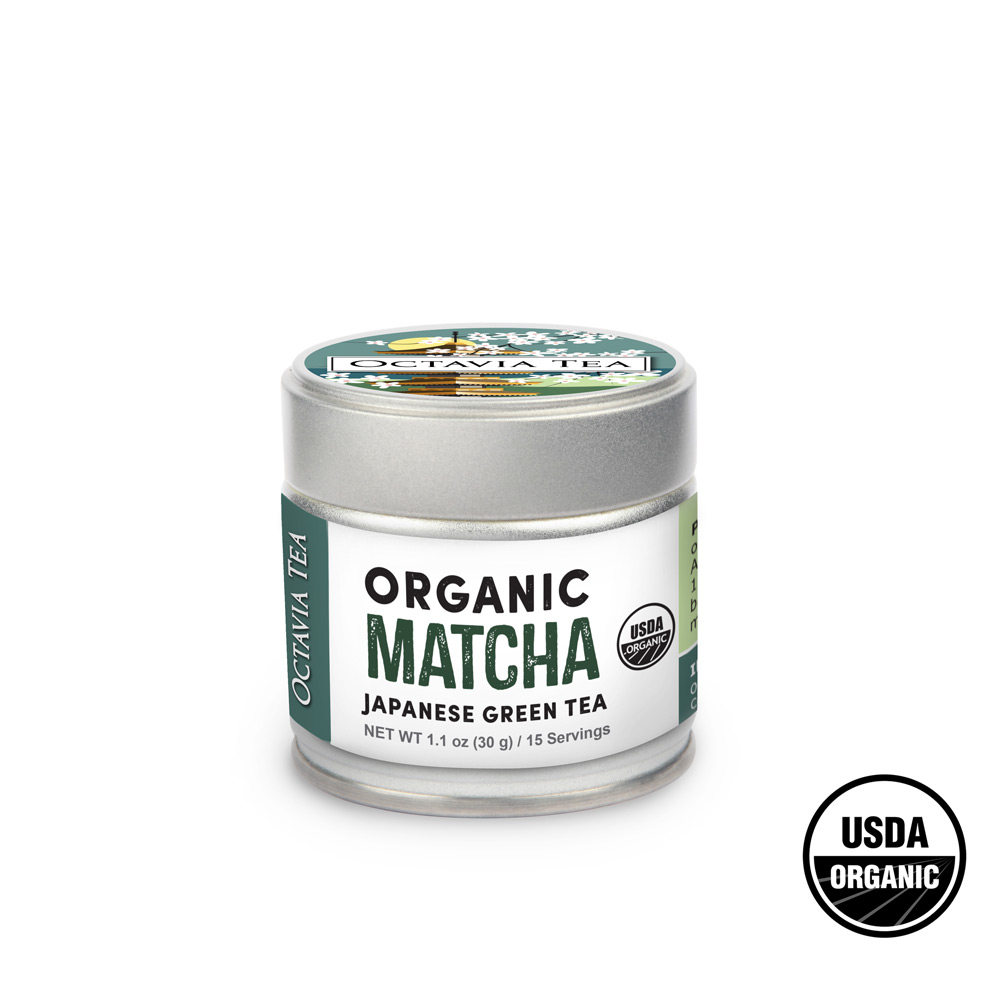
Store tea away from light, heat, and moisture. Old leaf loses its tea antioxidants long before it loses its flavor, so buy in amounts you will finish and keep the tin sealed.
If you are dialing in a new tea, change one variable at a time, temperature first, then time. A short, cooler steep is the easiest way to keep the calming L-theanine while trimming caffeine and bitterness.
What the Research Really Shows: Human Evidence vs. Lab Findings
The gap between lab results and human outcomes is the most important thing to understand here, and it is not a knock on the science, it is how biology works. A cell culture or rodent model can be dosed with a precise concentration of a purified compound.
Most headlines about tea and the brain come from cell cultures or rodents.
Here is how to grade the evidence you encounter:
- Cell and animal studies: strong and consistent for mechanisms. Tea polyphenols show neuroprotection and reduced oxidative stress in these models, but the doses are not what a cup delivers.
- Observational human studies: consistent direction, weak certainty. Regular tea drinkers show better cognitive outcomes and lower dementia risk, but lifestyle confounds are real and cannot be fully removed.
- Randomized human trials: few, small, and short. They support modest effects on attention and cognitive performance, not on disease prevention.
- Genetic predisposition: some evidence suggests benefits vary by genotype, which helps explain inconsistent trial results and is a reminder that one person's response is not everyone's.
How to Read a Tea-and-Brain Headline
A useful filter: ask what was measured, in whom, and for how long.
Alzheimer's disease and other dementias develop over decades. No short trial can prove tea prevents them, and no observational study can rule out that healthier habits travel together. The realistic claim is that tea is a low-risk daily habit with plausible, modest support for brain function over time.
The most trustworthy tea-and-brain claim is the one that names its evidence type. "Associated with" and "shown in cells" are honest; "proven to prevent" is not.
Frequently Asked Questions
Which tea is best for brain function?
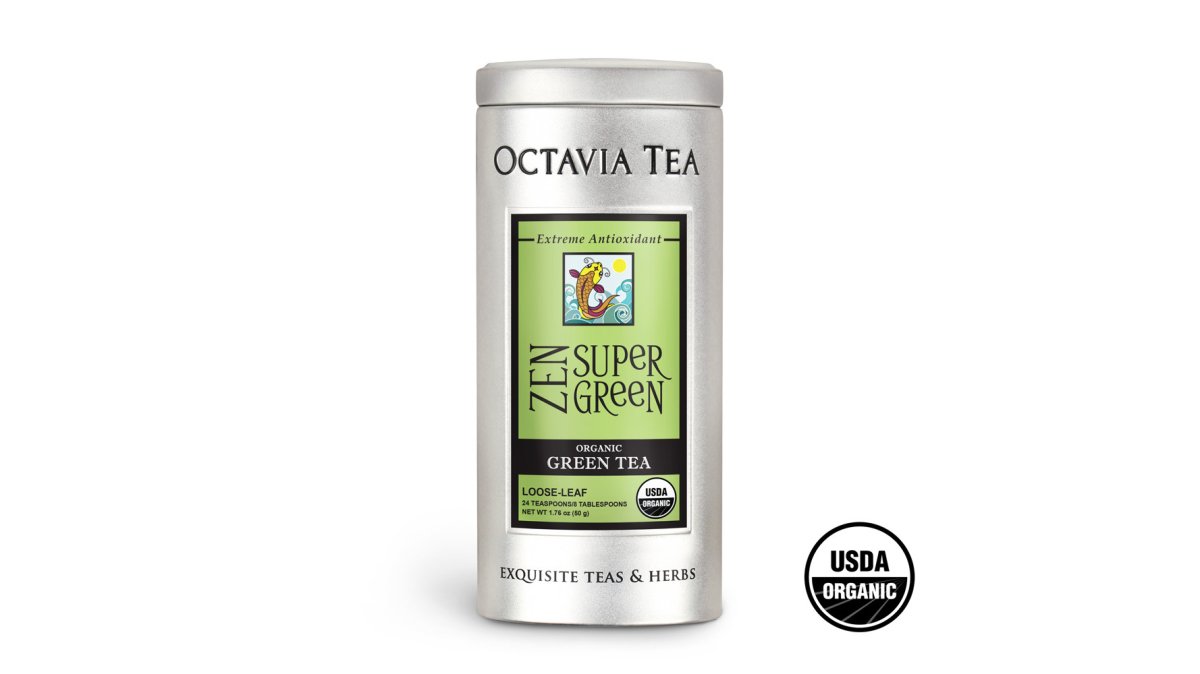
Green tea, especially matcha, stands out because the whole leaf is consumed as a powder, delivering a concentrated dose of catechins and L-theanine. Matcha's shade-growing process boosts chlorophyll and antioxidant levels. For a balanced daily option, a sencha and matcha blend like Zen Super Green offers both umami depth and a high theanine content. Oolong and black teas also contain polyphenols, though their catechin profiles differ after oxidation. The best choice is one you will drink consistently, brewed at the right temperature to preserve its compounds.
Can green tea improve focus and concentration?
Green tea pairs a modest caffeine dose with L-theanine, an amino acid linked to calm alertness. This combination may support sustained attention without the jittery edge of coffee. Research on L-theanine and focus suggests benefits for attention and reaction time, particularly when paired with caffeine. Effects are subtle and build with regular tea consumption rather than a single cup. For a focused afternoon ritual, try a green tea steeped at 170°F for 1.5 to 2 minutes to preserve both caffeine and theanine.
How much tea should you drink for potential brain benefits?
Observational studies linking tea consumption to cognitive outcomes often examine habits of 2 to 3 cups daily, though no universal dose is established. A practical target is 2 to 4 cups of green tea per day, spread across the morning and early afternoon to limit caffeine's effect on sleep quality. Matcha delivers more antioxidants per cup because the leaf is ingested, so one bowl can substitute for a cup or two of steeped tea. Start lower if you are caffeine-sensitive and adjust based on how you feel.
Does brewing tea affect its antioxidant content?
Yes. Water temperature, steep time, and leaf quality all influence how many tea polyphenols and brain-health compounds end up in your cup. Green tea does best with water no hotter than 170°F and a steep of 1.5 to 2 minutes; boiling water can make it bitter and degrade some catechins. Loose leaf tea generally offers more intact leaf surface and fresher compounds than bagged dust and fannings. Reusing leaves for a second steep still yields antioxidants, though in lower amounts.


Octavia Tea Sign In
Create New Account