























Matcha Powder Alternatives for Lattes: 8 Substitutes

Table of Contents
- Why Look for Matcha Powder Alternatives for Lattes
- Quick Comparison: Matcha Powder Alternatives at a Glance
- Hojicha Powder Latte: The Roasted Green Tea Swap
- Caffeine-Free Matcha Alternative: What to Drink Instead
- Chicory Root Latte: A Coffee-Like, Caffeine-Free Option
- Turmeric Latte: Golden Milk Without the Green
- How to Choose a Matcha Substitute for Hot and Iced Lattes
- Conclusion
- Frequently Asked Questions
Last Updated: October 17, 2026
Why Look for Matcha Powder Alternatives for Lattes
Matcha has a devoted following, but it is not for everyone. Some drinkers find the vegetal, grassy intensity too much before breakfast. Others want the latte ritual without a jolt of caffeine late in the afternoon. And some simply cannot justify the cost of ceremonial-grade powder for a drink they blend with milk and sweetener.
That is where matcha powder alternatives for lattes come in. At Octavia Tea, we work with Japanese green teas every day, and we have learned that the best substitute depends entirely on why you are switching. Are you chasing a gentler caffeine curve? A different flavor profile? A caffeine-free cup you can drink at 9 p.m.?
Below, we break down the strongest options, compare them side by side, and show you how to pick the right one for hot and iced drinks.
Quick Comparison: Matcha Powder Alternatives at a Glance
Here is how the leading options stack up on flavor, caffeine, and how well they hold up in a latte.
| Option | Flavor Profile | Caffeine | Latte Color | Best For |
|---|---|---|---|---|
| Hojicha powder | Toasty, nutty, roasted | Low | Warm amber-brown | Evening lattes, coffee drinkers |
| Kukicha | Creamy, herbal, chestnut | Low | Pale green-gold | Smooth, mild green lattes |
| Genmaicha | Nutty, toasted rice | Moderate | Pale green | Filling, savory lattes |
| Sencha | Grassy, umami, fresh | Moderate | Bright green | Traditional green lattes |
| Chicory root | Roasted, coffee-like | None | Dark brown | Caffeine-free coffee swaps |
| Turmeric | Earthy, warming, golden | None | Bright yellow | Caffeine-free golden milk |
For a full breakdown of each, keep reading. We cover flavor, preparation, and who each one actually suits.
Hojicha Powder Latte: The Roasted Green Tea Swap
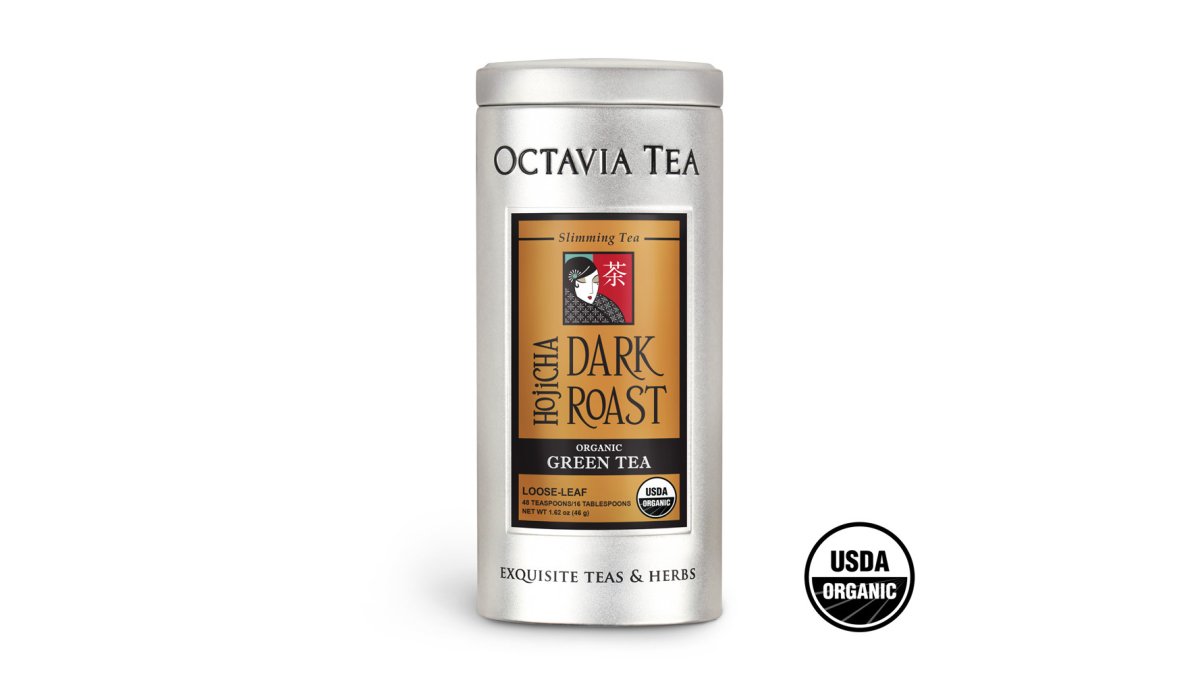
Hojicha is green tea that has been roasted, and that single step transforms everything. The roasting drives off much of the bright, grassy character and replaces it with a smooth, toasty, nutty flavor with hints of caramel and roasted barley. [Our Hojicha Dark Roast is a classic example](/hojicha-dark-roast.html): pan-fired green tealeaves with strong accents of coffee and roasted barley.
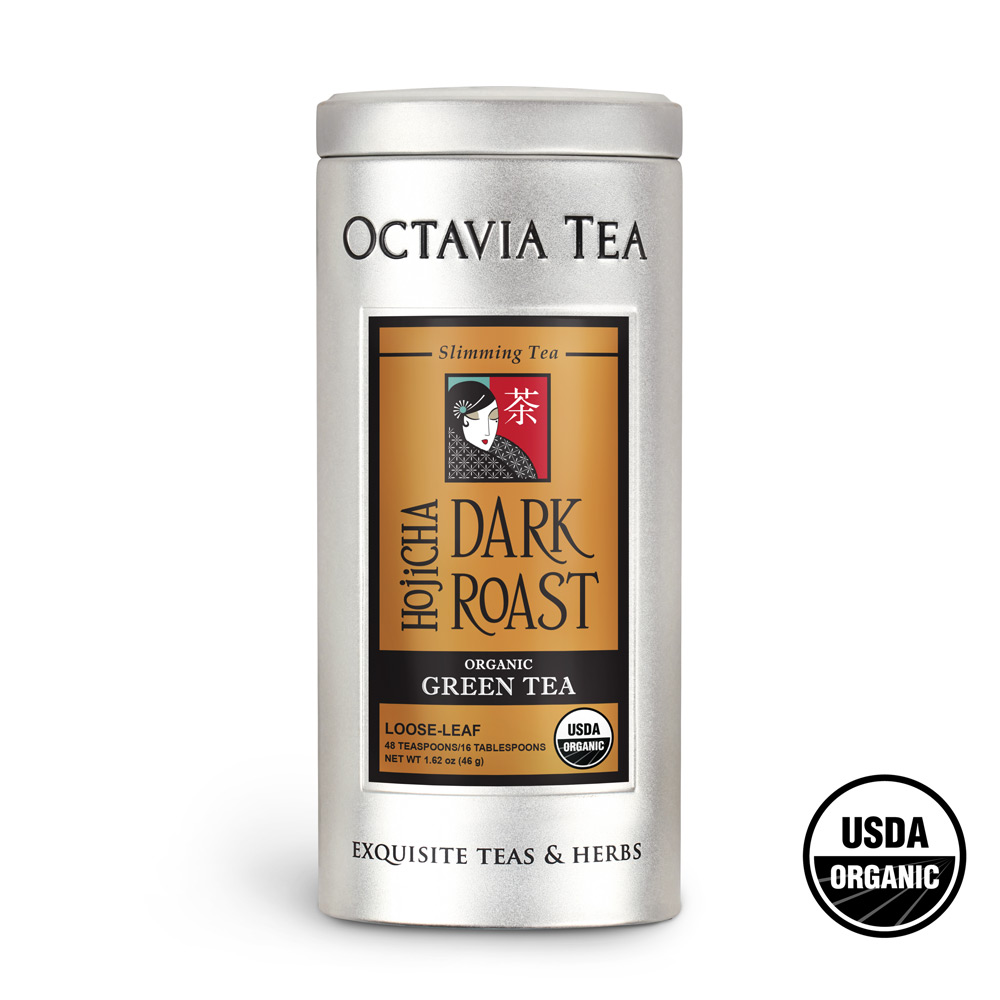
That flavor profile makes hojicha the closest thing to a coffee drinker's green tea. The hojicha powder latte has a warm amber-brown color rather than matcha's vivid green, and the roasting process reduces caffeine content compared with unroasted green tea. For anyone who wants a lower-caffeine latte that still tastes rich and satisfying, this is our first recommendation.
To make one, whisk a spoonful of powder into a small amount of hot water first, then add steamed milk. The toasty notes carry through dairy and plant milks alike.
Caffeine-Free Matcha Alternative: What to Drink Instead
A truly caffeine-free matcha alternative does not exist in the tea plant family, because every leaf from Camellia sinensis carries caffeine. If you need zero caffeine, you have to step outside tea entirely. That constraint is actually useful: it forces a clean choice between two families of caffeine-free latte powder, roasted roots and rhizomes, and dried spices, and each behaves very differently once milk hits the cup.
The mechanism matters. Chicory root is roasted and ground, and roasting develops the same dark, bittersweet compounds that give coffee its body; the powder disperses in hot water but carries fine sediment that settles as it cools, so a quick stir before each sip keeps the texture even. Turmeric powder is a dried rhizome spice, and its color and earthiness come from curcuminoids that are fat-soluble, meaning they bloom in the milk fat rather than in water. Those two behaviors point to different preparation routines and different drinkers.
| Caffeine-free option | What it tastes like in milk | Body and texture | Best preparation | Who it suits |
|---|---|---|---|---|
| Chicory root | Roasted, bittersweet, slightly woody | Medium-heavy, coffee-like | Brew a strong concentrate, then top with steamed milk | Coffee drinkers who want an evening cup |
| Turmeric (golden milk) | Earthy, warming, gently spicy | Light-medium, silky when simmered in milk | Simmer spice in milk with a fat source, then sweeten | Drinkers who never liked grassy flavors |
| Roasted grain powders (barley, rye) | Toasty, malty, mild | Light, thin unless fortified with milk fat | Whisk into hot water, add milk | Mild, kid-friendly evening drinks |
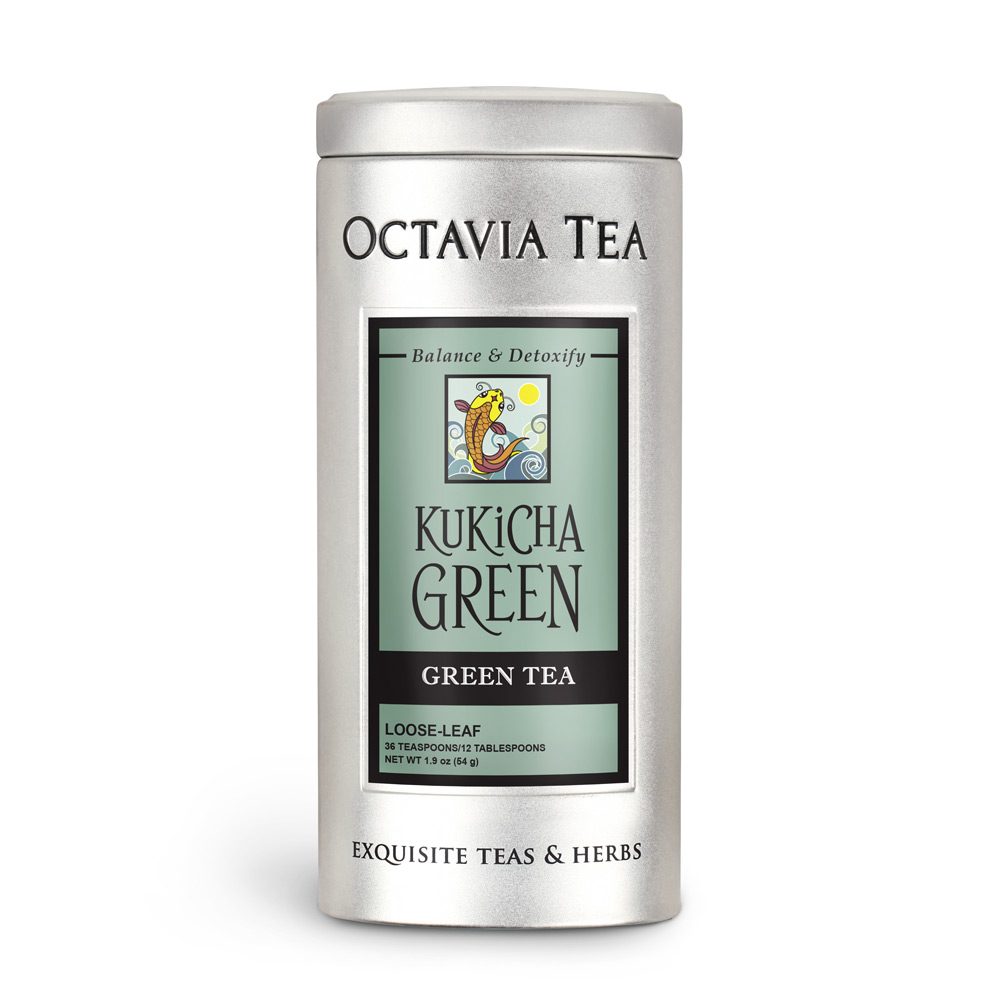
If you want to stay close to tea but reduce caffeine rather than eliminate it, roasted and stem-based Japanese teas are the better route. Kukicha, made from the twigs and stems of the tea plant, brews a gentle, creamy cup with notes of fresh herbs and chestnut. [Our Kukicha Green is a delicacy in its own right](/kukicha-green.html), and it makes a soft, mild latte that suits drinkers who find matcha too intense. Hojicha, covered above, sits in the same lower-caffeine territory with a toastier profile.
Chicory Root Latte: A Coffee-Like, Caffeine-Free Option
Chicory root is the substitute to reach for when you miss coffee more than you miss matcha. The root is roasted and ground into a powder that brews dark, bitter, and slightly woody, with a body that mimics coffee far better than any green tea can.
It contains no caffeine, which makes it a genuine evening option. The trade-off is that chicory lacks matcha's umami sweetness, so it needs milk and a little sweetener to round out the bitterness. Use it exactly as you would a coffee latte: brew a strong concentrate, then top with steamed milk.
Where chicory wins is versatility. It works hot, it works iced, and it takes flavored syrups well. Where it falls short is subtlety. If you want a delicate, grassy drink, chicory is the wrong direction entirely.
Turmeric Latte: Golden Milk Without the Green
Turmeric lattes, often called golden milk, are built on turmeric blended with warming spices and milk. The result is a bright yellow, earthy, gently spicy drink with no caffeine and no tea leaves.
The flavor is savory and warming rather than sweet or vegetal, which makes it a good fit for drinkers who never liked matcha's grassiness in the first place. It also works beautifully iced with a milk alternative such as oat or almond.
One honest limitation: turmeric powder does not dissolve the way matcha does. It settles, so stir or whisk just before drinking. A small pinch of black pepper is a common addition in traditional preparations.
How to Choose a Matcha Substitute for Hot and Iced Lattes
Start with your reason for switching, then match the substitute to it. That single question narrows the field faster than any flavor chart. But the second question, hot or iced, changes the answer again, because the same powder that tastes rich in a hot latte can turn thin and watery over ice. The mechanism is simple: cold dulls aroma compounds and melting ice dilutes the concentrate, so iced lattes need a stronger base and a powder with enough body to survive the chill.
Use this decision path. First, decide your caffeine ceiling: none (chicory, turmeric, roasted grain), low (hojicha, kukicha), or moderate (sencha, genmaicha). Second, decide your flavor direction: roasted and coffee-like (hojicha, chicory), creamy and mild (kukicha), grassy and traditional (sencha), or savory and filling (genmaicha). Third, decide hot or iced, and adjust strength accordingly. That three-step sequence resolves almost every case.
| Substitute | Hot latte | Iced latte | Taste in milk | Caffeine level | Color |
|---|---|---|---|---|---|
| Hojicha powder | Excellent | Excellent | Toasty, nutty, caramel | Low | Warm amber-brown |
| Kukicha | Very good | Good (brew stronger) | Creamy, herbal, chestnut | Low | Pale green-gold |
| Genmaicha | Good | Fair (can taste thin) | Nutty, toasted rice | Moderate | Pale green |
| Sencha | Very good | Fair (brew stronger) | Grassy, umami | Moderate | Bright green |
| Chicory root | Excellent | Excellent | Roasted, bittersweet | None | Dark brown |
| Turmeric | Good | Very good | Earthy, warming | None | Bright yellow |
A practical note on preparation: Japanese green teas prefer cooler water. Our Sencha Kagoshima brews best around 180°F for two minutes, and Kukicha benefits from water allowed to cool several minutes after boiling. Hotter water turns green tea bitter. For iced drinks, brew your tea or powder concentrate at double strength before pouring over ice, dilution from melting ice is the most common reason home iced lattes taste watery. Chicory and turmeric tolerate a full boil and actually benefit from a brief simmer to develop body.
- Cutting caffeine: Choose hojicha or kukicha for a lower-caffeine green tea latte, or chicory and turmeric for none at all.
- Chasing coffee flavor: Hojicha's roasted notes or chicory's bitterness will satisfy you; sencha and matcha will not.
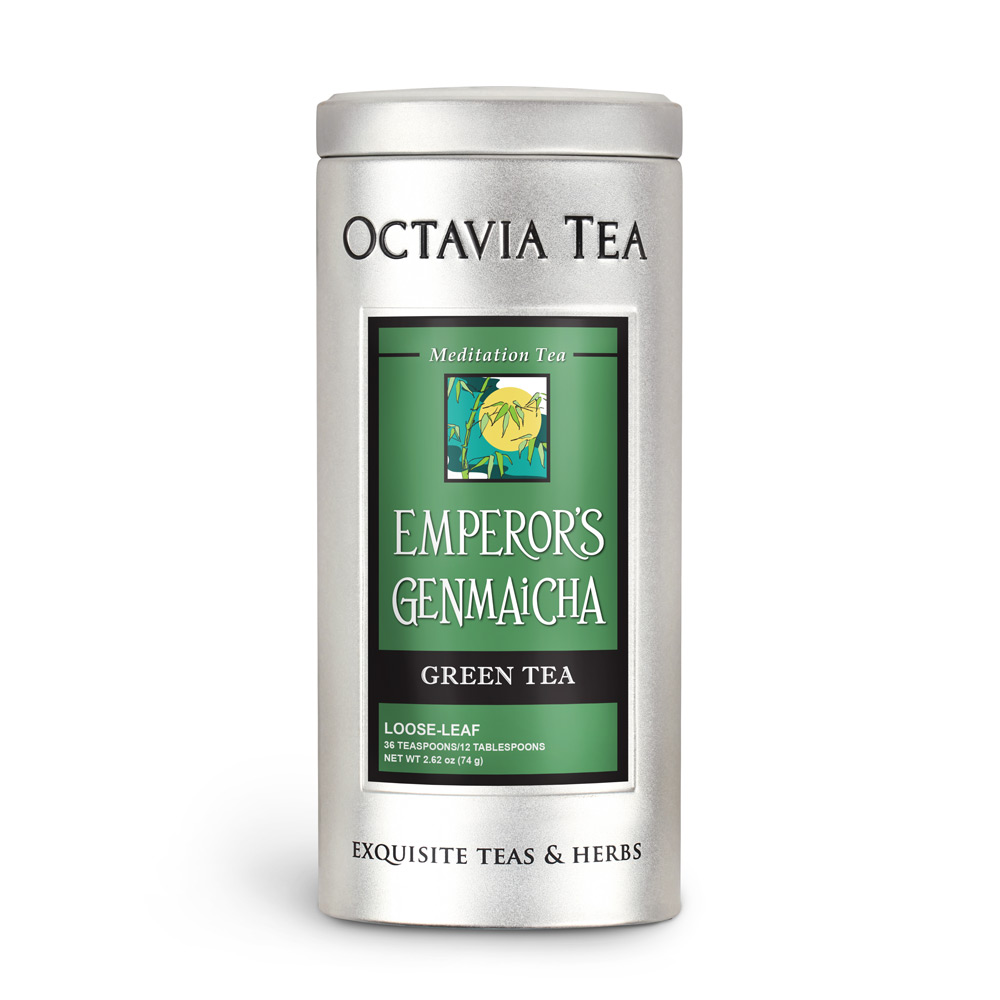
- Wanting a traditional green latte: [Our Sencha Kagoshima brings a grassy-pine aroma and deep umami](/sencha-kagoshima.html), and our Emperor's Genmaicha adds fire-toasted rice for a nutty, filling cup.
- Drinking iced: Hojicha, chicory, and turmeric all hold their flavor over ice. Delicate green teas can taste thin when chilled, so brew them stronger.
- Serving a crowd: Offer one tea-based option and one caffeine-free option so every guest has a choice.
For broader guidance on steeping temperatures and times, the tea preparation guidance from the USDA and general food-safety resources are useful references, and our own product pages list recommended brewing for each tea.
Conclusion
Finding the right matcha powder alternatives for lattes comes down to one question: what do you want your cup to do? Hojicha delivers a toasty, lower-caffeine latte that coffee drinkers genuinely enjoy. Kukicha and genmaicha offer gentler green tea character. Chicory and turmeric cover the caffeine-free side without compromise.
If you are ready to explore, our organic Japanese green teas are sourced direct from estate gardens and hand-blended with only natural flavor essences and pure essential oils. Start with Hojicha Dark Roast for a roasted latte, or browse our full collection to find your next daily cup. Add to Bag and brew your first one this week.
Frequently Asked Questions
What can I replace matcha powder with in a latte?
Hojicha powder is the closest one-for-one swap: it whisks into milk the same way and gives a toasty, nutty cup instead of a grassy one. For a caffeine-free matcha alternative, try chicory root powder or a turmeric blend. Genmaicha and sencha brewed strong also work when you want Japanese green tea flavor without the vivid green color. Each option changes taste, caffeine and color, so pick based on why you are switching.
Which matcha alternative has the least caffeine?
Chicory root and turmeric lattes contain no caffeine from tea leaves, so they sit at the bottom of the scale. Hojicha is roasted green tea and still contains caffeine, though the roasting gives it a milder, less sharp character than matcha. If caffeine is your main reason for switching, start with chicory or turmeric and treat hojicha as a lower-intensity tea option rather than a caffeine-free one.
Can hojicha powder be used to make a latte?
Yes. Hojicha powder whisks into warm milk much like matcha, producing a smooth, toasted, slightly caramel cup. Use a small amount first and adjust, since roasted powder is potent. It works hot or iced and pairs well with dairy or oat milk. For a loose-leaf version, Octavia Tea's Hojicha Dark Roast ($3.50) brews a toasty, nutty base you can combine with steamed milk.
What does hojicha taste like compared with matcha?
Matcha is grassy, bright and vegetal with a lingering umami finish. Hojicha is roasted, so it tastes nutty and toasty with notes of caramel and roasted barley, and it lacks matcha's green edge. In a latte, hojicha reads closer to a mild coffee or roasted grain drink, while matcha stays distinctly green and herbal. Neither is sweeter by nature; both depend on how much milk and sweetener you add.
Can you make a latte with roasted chicory or turmeric?
Yes. Chicory root powder dissolves into milk for a dark, coffee-like, caffeine-free latte with a slightly bitter, roasted flavor. Turmeric lattes, often called golden milk, blend turmeric with warm spices and milk for an earthy, warming drink. Both are simple to make at home and suit hot or iced preparation. Start with a small spoonful and adjust, since chicory can turn bitter and turmeric can taste strong.


Octavia Tea Sign In
Create New Account