























7 Ways to Boost Energy With Matcha

Table of Contents
- Why Matcha Delivers Calm, Sustained Energy
- 1. Start With a Quality Matcha Powder
- 2. Nail the Matcha Caffeine Content and Serving Size
- 3. Find the Best Time to Drink Matcha
- 4. Blend a Matcha Latte Recipe That Works With Your Energy Goals
- 5. Try a Matcha Smoothie Recipe for Pre-Workout Fuel
- 6. Pair Matcha With Focus-Friendly Add-Ins
- 7. Avoid the Matcha Energy Crash: Timing, Sensitivity, and Safety
- Frequently Asked Questions
Last Updated: October 17, 2026
Why Matcha Delivers Calm, Sustained Energy
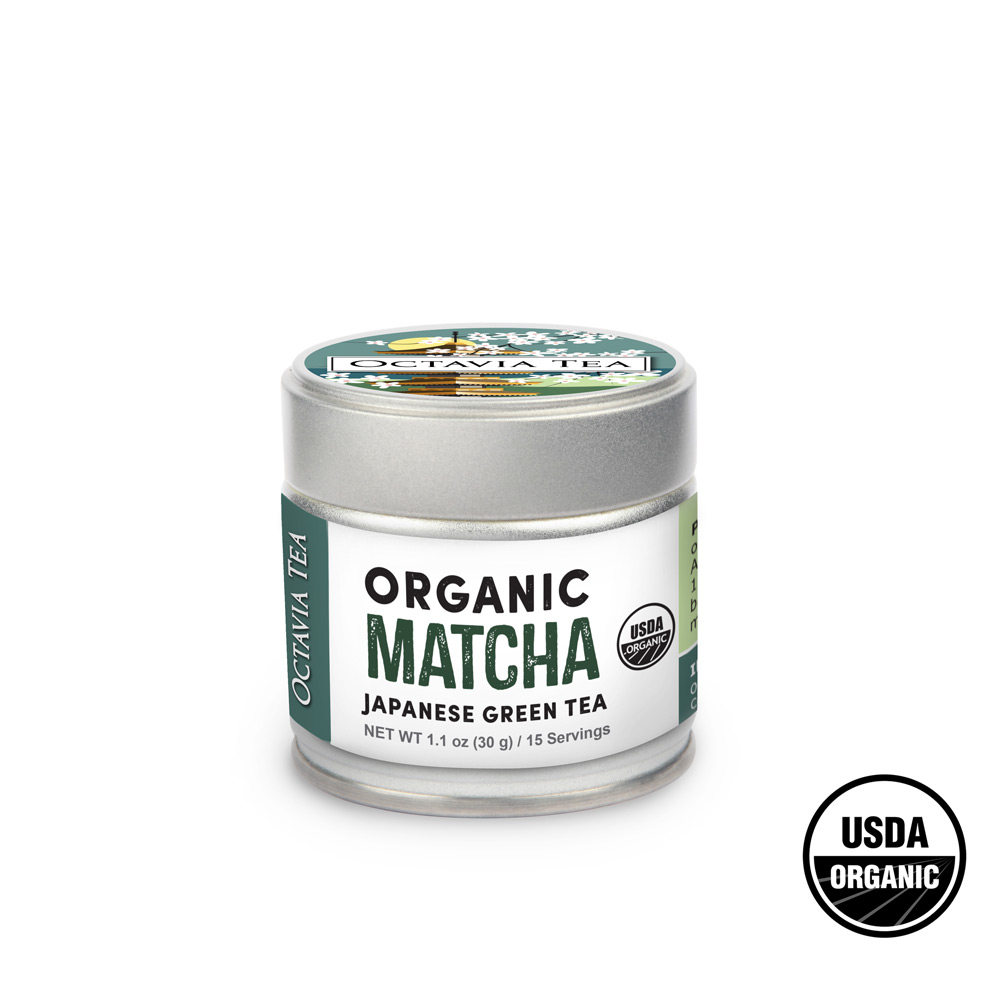
Matcha is a stone-ground green tea powder that delivers caffeine alongside L-theanine, an amino acid linked to relaxed alertness. That pairing is why so many people describe matcha energy as steady rather than sharp. This guide from Octavia Tea walks through practical ways to boost energy with matcha, from choosing the right powder to timing your last cup of the day.
The mechanism matters more than the marketing. Matcha powder comes from shade-grown tea leaves, and the shading process raises chlorophyll and amino acid levels before the leaves are ground. Because you drink the whole leaf rather than steeping and discarding it, you take in more of what the plant built. The result is a lift that feels different from coffee: smoother, slower to arrive, and less likely to leave you flat an hour later.
If you have ever felt wired after espresso and hollow afterward, that contrast is the whole point of this list.
1. Start With a Quality Matcha Powder
Quality is the first lever, and it is the one most people skip. A dull, overheated powder tastes bitter and delivers a muddier experience in the cup. Fresh ceremonial-grade matcha, stored away from light and heat, keeps its bright color and its characteristic umami sweetness.
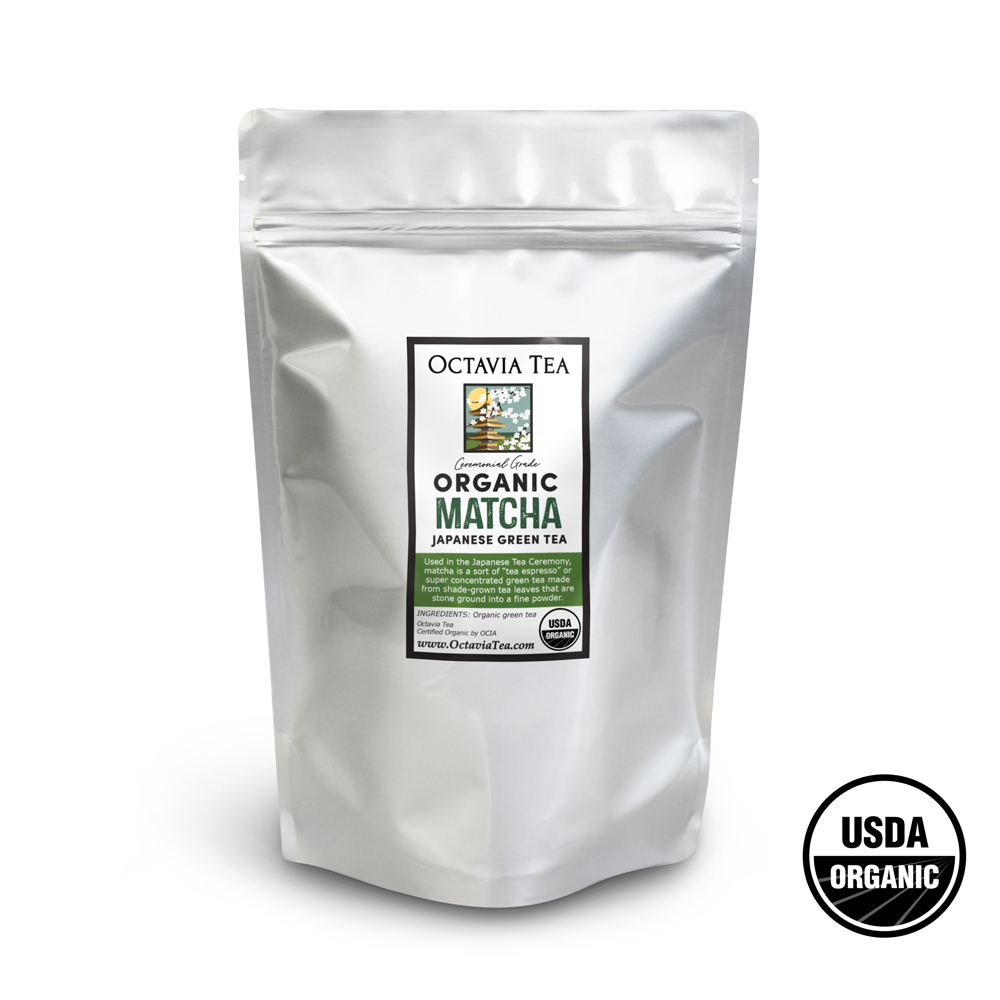
Look for vivid green color, a soft powder that sifts cleanly, and a fresh vegetal smell rather than a dusty or hay-like one. Our Matcha Powder is shade-grown and stone ground, the traditional method that preserves both flavor and the compounds behind matcha's soothing, uplifting energy. For heavier daily use, the bulk 100 g ceremonial grade keeps the same quality in a larger format.
A common mistake is buying a large tub of cheap powder and leaving it open on the counter. Matcha degrades with air and light. Store it sealed, cool, and dark, and it will taste like matcha instead of green dust.
2. Nail the Matcha Caffeine Content and Serving Size
Matcha caffeine content is the number people ask about most, and the honest answer is that it varies by grade, leaf age, and scoop size. Rather than chase a single figure, work from a range and adjust from there. Most conventionally prepared matcha falls somewhere in the range of roughly 30 to 70 mg of caffeine per one-gram serving, with stronger grades and larger scoops pushing toward the top of that band. Our Matcha Scoop measures about one gram per scoop, so two scoops gets you to a normal serving without guessing.
The mechanism is worth understanding because it explains why the same caffeine load feels different from coffee. In matcha, caffeine is bound up with catechins and arrives alongside L-theanine, the amino acid that softens the edge of a stimulant. That combination is why a two-gram cup can feel calmer than a coffee with a comparable caffeine number.
Serving size is where energy goals get made or broken. A single teaspoon gives a gentle, focused lift. Doubling up pushes you toward coffee territory and past the point where L-theanine can smooth the edges. If you are new to matcha, start small and see how your body responds before you chase a bigger dose. Check the product page for the specific grade you buy, since caffeine content is not required to be printed on the label and can differ between harvests.
| Serving | Matcha Amount | Approx. Caffeine | Energy Feel | Best For |
|---|---|---|---|---|
| Light | 1 g (1 scoop) | Lower end of the range | Gentle, subtle lift | Beginners, late afternoon |
| Standard | 2 g (1 tsp) | Mid range | Steady focus | Daily ritual, morning |
| Strong | 3 g+ | Upper end of the range | Sharper, coffee-like | Habitual drinkers only |
If you are stacking matcha on top of coffee or an energy drink, add the caffeine loads together before you decide the cup is gentle. Two grams of matcha after a morning coffee can put you well past where you intended to land.
3. Find the Best Time to Drink Matcha
The best time to drink matcha is when you need focus without a hard crash, typically mid-morning or early afternoon. Caffeine takes time to register, so drinking matcha the moment you wake up often means you peak before you actually need it.
Mid-morning, roughly an hour or two after waking, lines the lift up with your first real block of work. Early afternoon is the other sweet spot: it covers the classic afternoon slump without the jagged edge of a second coffee. If you are sensitive to caffeine, keep your last cup before mid-afternoon so it does not interfere with sleep.
4. Blend a Matcha Latte Recipe That Works With Your Energy Goals
A matcha latte recipe is simple: sift your matcha, add hot water, whisk to a froth, then top with milk. The energy question is what you add and when. Sifting first with a Matcha Sifter removes clumps so the powder whisks into a smooth, frothy cup instead of a grainy one.
For steady energy, keep added sweeteners modest. A heavily sweetened latte spikes and dips, which undercuts the whole reason you reached for matcha. Use warm water around 170°F to 180°F rather than boiling, since water that is too hot turns the powder bitter.
A basic recipe:
- Sift one teaspoon of matcha into a bowl
- Add a small splash of 170°F to 180°F water
- Whisk in a zigzag motion until frothy
- Top with warm or cold milk to taste
Iced matcha follows the same logic: whisk the matcha with a little water first, then pour over ice and milk. Cold milk alone will not dissolve the powder properly.
5. Try a Matcha Smoothie Recipe for Pre-Workout Fuel
A matcha smoothie recipe is a practical way to fuel a workout without a heavy pre-workout drink. Blend matcha with fruit, a little protein, and liquid, and you get a light lift plus real nutrients before you train.
The trick is to whisk the matcha with a splash of water before it hits the blender. Throwing dry powder straight into a blender tends to leave gritty specks. Once it is smooth, add a banana or berries, a scoop of protein if you use it, and milk or water.
For a pre-workout cup, keep it about an hour before you train so the caffeine has time to land. Pairing matcha with fruit gives you quick carbohydrate energy alongside the steady lift, which is why many people prefer it to a plain cup before exercise.
6. Pair Matcha With Focus-Friendly Add-Ins
Add-ins can extend matcha's calm energy or sabotage it, and the difference usually comes down to sugar. A clean cup with a little milk keeps the L-theanine effect intact. A cup loaded with syrup pushes you toward a spike and a dip.
Focus-friendly additions include a spoon of collagen or protein, a dash of cinnamon, or a small amount of honey. Seeds and greens blended into a smoothie add nutrients without the sugar load. If you want a stronger lift, a blend like our Zen Super Green combines sencha and matcha for a richer, more intense cup.

7. Avoid the Matcha Energy Crash: Timing, Sensitivity, and Safety
Matcha is gentler than coffee for many people, but it still contains caffeine, and sensitivity varies widely. The crash most people describe comes from too much caffeine too fast, or from sugar, not from matcha itself. Understanding the mechanism helps you avoid it: caffeine blocks adenosine, the molecule that builds up through the day and makes you feel sleepy, so it masks fatigue rather than removing it. When the caffeine clears, the adenosine that piled up behind it lands all at once, which is the dip people call a crash. L-theanine blunts the sharpness of that curve, but it does not erase the caffeine.
That is why the two levers that matter most are dose and timing. Keep servings moderate, avoid stacking matcha on top of coffee, and stop drinking it early enough that sleep is not affected. A common pattern is to set a personal cutoff based on when you go to bed: caffeine has a long half-life in the body, so a cup in the late afternoon can still be measurably active at bedtime for many people. Sleep is the real foundation of daily energy, and no cup fixes a short night.
Sensitivity is not one-size-fits-all, and it is worth tracking rather than guessing. A simple approach is to note, for a week or two, what you drank, how much, when, and how you felt two hours later and at bedtime. Look for patterns in jitters, restlessness, or a harder time falling asleep. Most practitioners find that people who are slow caffeine metabolizers notice effects from smaller amounts and need an earlier cutoff.
If you want a caffeine-light option for later in the day, our herbal blends such as Rainforest Mint give you a warming ritual without the stimulant. Keep the matcha for the hours when you actually need the lift, and let the evening ritual be caffeine-free.
Frequently Asked Questions
How long does matcha energy last?
Most people feel matcha's steady lift for about three to four hours, though it depends on your serving size and metabolism. The L-theanine in matcha smooths out the caffeine curve, so you get a gradual rise and fall rather than a sharp spike. If you drink a larger serving, expect the effect to stretch a bit longer. For most people, one serving in the morning and a smaller one after lunch keeps energy stable without disrupting sleep.
Does matcha provide steadier energy than coffee?
Many people find it does. Coffee delivers caffeine fast, which can mean a quick peak followed by a dip. Matcha's caffeine content comes bundled with L-theanine, an amino acid that promotes relaxed alertness. That combination tends to produce a calmer, longer-lasting lift. Individual response varies, but if coffee leaves you jittery or crashing by mid-morning, a matcha latte recipe with less sweetener is worth trying as a swap.
Can you drink matcha in the afternoon?
Yes, and it is a smart choice for the afternoon slump. A small serving around 2 or 3 p.m. can restore focus without the heavy crash of an energy drink. Keep the serving modest, roughly one teaspoon, and skip added sugar. If you are sensitive to caffeine, stop drinking matcha by early afternoon so it does not interfere with sleep. The best time to drink matcha is when you need steady focus, not a jolt.
How can you add matcha to your daily routine?
Start simple: whisk one teaspoon of matcha powder into 2 to 6 ounces of water heated to about 170°F to 180°F, then sip. Once that becomes a habit, branch into a matcha latte recipe or a matcha smoothie recipe for variety. Many people drink it in place of a second cup of coffee or as a pre-workout drink. Keep your matcha stored airtight and away from light so it stays fresh and flavorful.
What makes matcha calming?
Matcha contains L-theanine, an amino acid that promotes mental relaxation and alertness. Because you ingest the whole ground leaf rather than steeping and discarding it, you get more L-theanine per cup than with regular green tea. That is why matcha is often described as calm energy: the caffeine is there, but the L-theanine softens it. The result is focused alertness rather than a wired feeling.
Building steady daily energy is less about one big fix and more about a ritual you actually keep. At Octavia Tea, we source organic loose-leaf teas directly from estate gardens, and our ceremonial matcha is shade-grown and stone ground for the clean, focused lift so many of our customers reach for every morning. Start with a fresh tin of matcha and a proper scoop, and build the habit from there. Add to Bag and make your next afternoon a calmer, clearer one.


Octavia Tea Sign In
Create New Account