























10 Best Organic Teas for Stress Relief

Table of Contents
- Why Organic Teas Matter for Stress Relief
- Quick Comparison Table
- 10 Best Organic Teas for Stress Relief and Relaxation
- Best Tea for Anxiety: Choosing Between Herbal and Caffeinated Options
- Herbal Tea for Sleep: What Makes These Blends Effective
- Lemon Balm Tea Benefits and Other Calming Botanicals
- Organic Loose Leaf Tea: Why Quality Matters for Stress Support
- How to Select and Brew Stress-Relief Tea for Maximum Benefit
- Frequently Asked Questions
Last Updated: October 13, 2026
Why Organic Teas Matter for Stress Relief
Stress keeps your nervous system activated, holding cortisol and adrenaline elevated until your resilience wears down. The right herbal blend can help calm your system.
Organic teas offer purity. Grown without synthetic pesticides or herbicides, the plant's own compounds stay intact.
The organic-versus-conventional difference matters most in teas you drink daily. Loose-leaf organic blends offer purity; conventional may mean exposure to substances your body must process and eliminate.
Below are 10 of the best organic teas for stress relief and relaxation, each chosen for calming properties and ingredient quality.
Quick Comparison Table
| Tea Blend | Type | Key Botanicals | Best For | Price |
|---|---|---|---|---|
| Calming Chamomile | Herbal | Whole chamomile flowers | Sleep and evening relaxation | $3.50 |
| Moonlight Garden | Herbal | Chamomile, lavender, spearmint, rose | Spa-like wind-down ritual | $3.50 |
| Serene Dream | Herbal | Valerian root, lavender, spearmint, chamomile | Deep relaxation and sleep support | $3.50 |
| Lavender Lemongrass | Herbal | Lavender, lemongrass, lemon myrtle | Anxiety and mood balance | $4.00 |
| Berry Lullaby | Rooibos | Rooibos, blueberries, hibiscus, chamomile | Caffeine-free evening ritual | $4.00 |
| Chamomile Mango | Herbal | Chamomile, mango essence | Tropical calm with anxiety relief | $3.00 |
| Lemon Green | Green Tea | Green tea, lemon, herbs | Daytime stress relief with antioxidants | $3.50 |
| Lemon Ginger | Herbal | Lemongrass, ginger, citrus botanicals | Tension and digestive support | $3.50 |
| Lemongrass | Oolong Tea | Lemongrass, bergamot, oolong | Mental clarity and rejuvenation | $3.50 |
| Stress-Relieving Teas Sampler | Mixed | Five varieties: chamomile, white tea, green tea, herbal, black tea | Exploring what works for you | $23.00 |
10 Best Organic Teas for Stress Relief and Relaxation
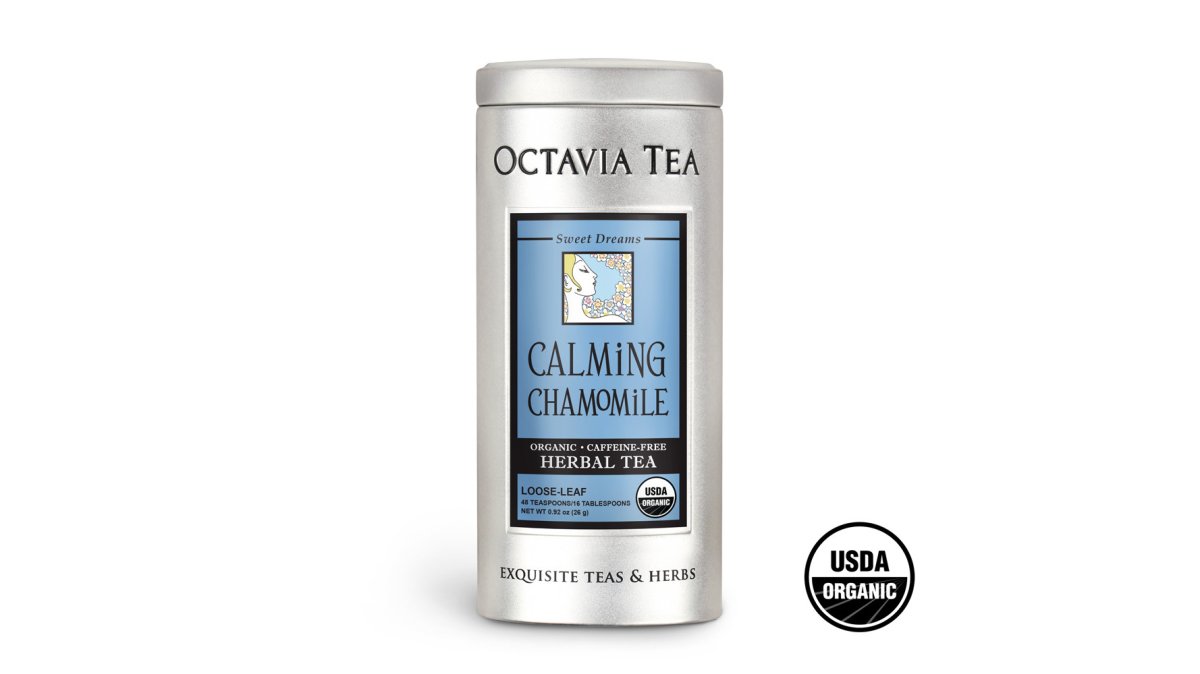
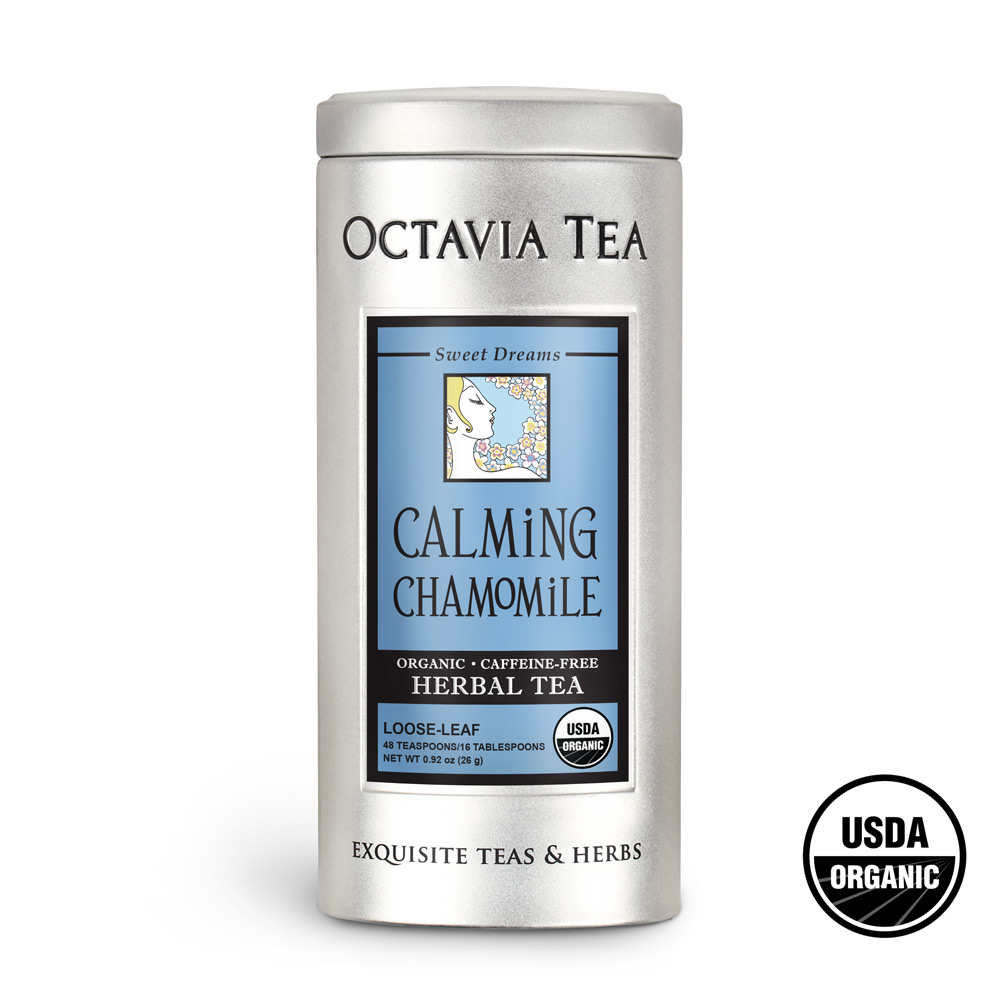
1. Calming Chamomile
Chamomile is a foundational relaxation tea, used for thousands of years to ease tension and support sleep.
Our Calming Chamomile uses whole flowers, not dust or fannings, so it retains more beneficial compounds and richer flavor; the honey-and-apple fragrance begins the calming process before your first sip.
It works well in the evening or when you need tension relief. Steep 5-7 minutes for the full effect; many people find a cup 30 minutes before bed can support sleep.
2. Moonlight Garden
This blend layers chamomile with lavender, spearmint, and rose for a spa-inspired cup. Chamomile provides a calming effect while lavender and rose can deepen the serenity.
Lavender is believed to reduce anxiety and balance mood, spearmint adds a cooling sensation, and rose brings floral elegance.
The result tastes like relaxation, ideal for the ritual of stepping out of your day; many people use it as an evening wind-down ritual.
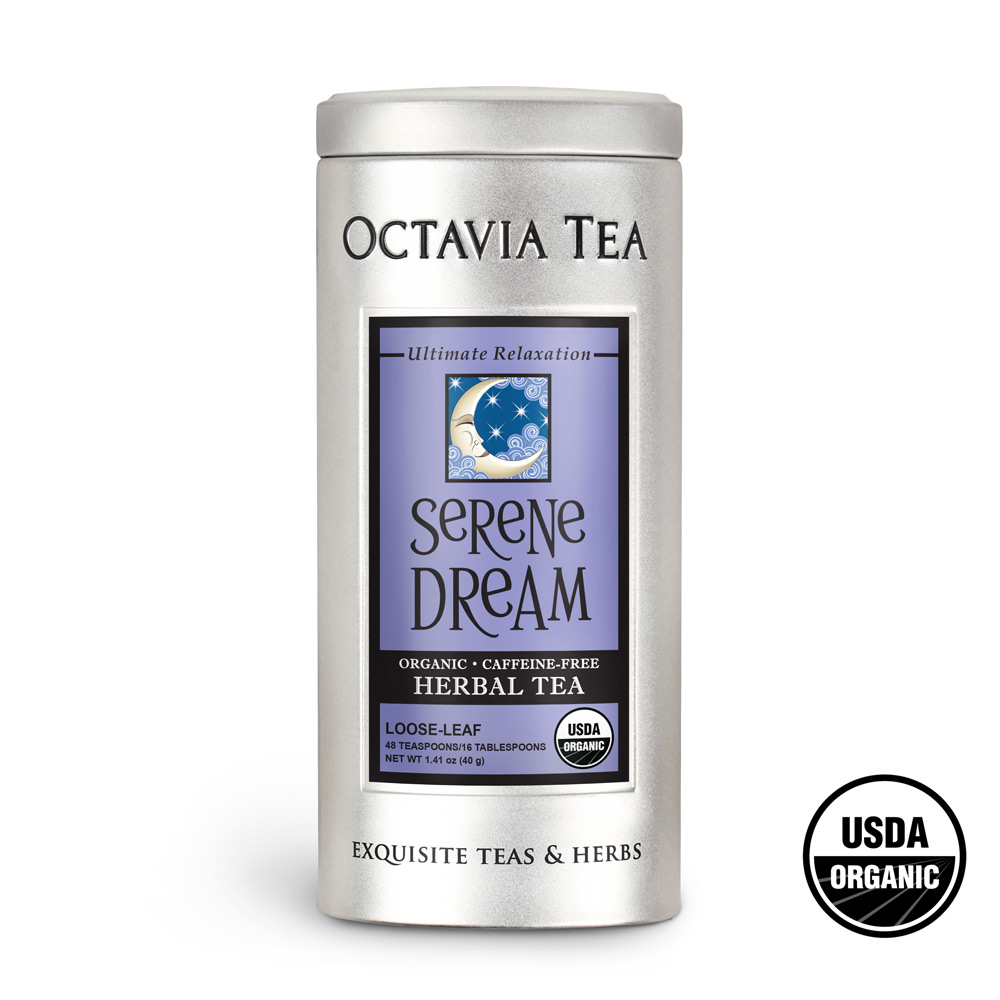
3. Serene Dream
If Calming Chamomile is your baseline, Serene Dream is a blend including valerian root, a botanical with a centuries-long reputation as a sleep aid; valerian and chamomile together can create a more pronounced effect than either alone.
Lavender and spearmint can amplify relaxation. Reach for this when regular chamomile isn't quite enough or when significant tension needs support.
Valerian root tastes earthy and complex rather than sweet or delicate. Newcomers to herbal tea may find Serene Dream intense, but those accustomed to deeper herbal flavors get noticeable results.
4. Lavender Lemongrass
Lavender and lemongrass pair well for anxiety and mood balance: lavender is believed to reduce anxiety, lemongrass can bring nerve-relaxing properties, and lemon myrtle may fight infection.
Unlike chamomile-based teas, this one can give a lighter, uplifting calm instead of heavy sedation, making it suitable for daytime stress or afternoon tension.
The flavor is bright and herbaceous with honeyed undertones, approachable even for people who usually avoid herbal tea, and the citrus notes feel refreshing rather than medicinal.
5. Berry Lullaby
Berry Lullaby answers the call for caffeine-free options, combining rooibos with blueberries, hibiscus, and chamomile.
Rooibos is naturally caffeine-free and safe any time of day, with a sweet, slightly fruity character that tastes more like a treat than medicine. Blueberries add depth and antioxidants; hibiscus brings balancing tartness.
It's a good choice if you're caffeine-sensitive or drink multiple cups daily, offering calming benefits without stimulation.
6. Chamomile Mango
Chamomile Mango brings tropical warmth to the classic calming herb; the mango essence adds sweetness and comfort without artificial flavoring, using only natural flavor essences and pure essential oils.
It suits anyone who finds straight chamomile boring or wants stress-relief tea to feel like a small indulgence. The tropical notes make it feel less clinical and more like self-care.
The calming effect is similar to pure chamomile, but the flavor is more approachable. That matters for consistency: if you enjoy your tea, you'll drink it regularly, and regular consumption can support wellness.
7. Lemon Green
Green tea contains L-theanine, an amino acid that can promote relaxation without sedation (Effects of l-Theanine on Cognitive Function in Middle-Aged and Older Subjects). With lemon and herbs, Lemon Green can support daytime wellness.
Drink this when you need to stay alert. Green tea's mild caffeine can offer mental clarity.
The flavor is gentle, with lemon-lime notes and honey-like sweetness, refreshing enough to drink multiple times daily.
8. Lemon Ginger
Ginger is a botanical that may improve circulation, reduce inflammation, and strengthen immunity. With lemongrass and citrus botanicals, Lemon Ginger is a herbal blend.
Naturally caffeine-free, it suits any time of day: ginger provides a warming spice, while lemongrass may help relax muscles and nerves.
Use it when you seek a warming, grounding blend.
9. Lemongrass
Lemongrass (the blend) is an award-winning combination of lemongrass, Italian bergamot, and oolong tea. Unlike purely herbal blends, it includes oolong, which is prized for its anti-aging and metabolism-boosting properties.
The effect is rejuvenating rather than sedating, ideal when you feel drained or foggy. The citrus fragrance invigorates while oolong's smooth, complex flavor can be grounding, making it a popular afternoon tea.
Oolong sits between green and black tea in caffeine, a middle ground for daytime stress relief.
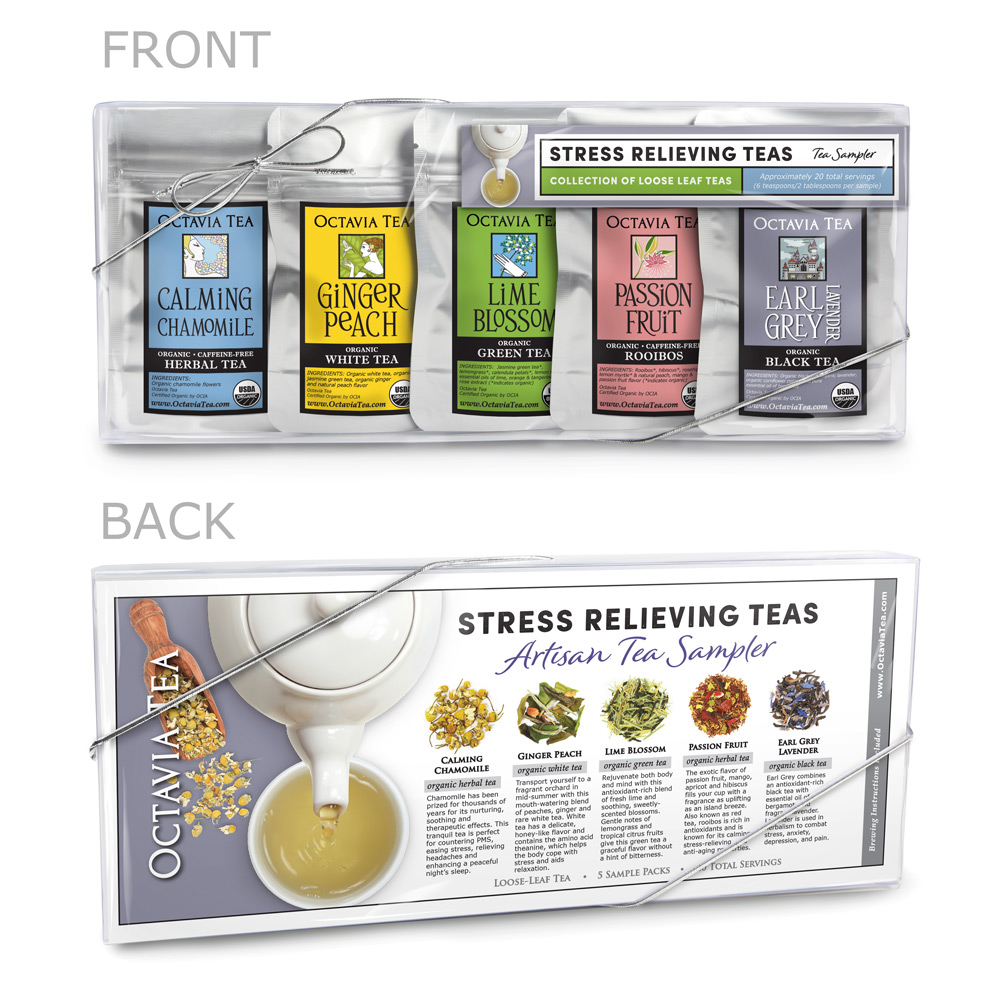
Stress-Relieving Teas (sampler) →
10. Stress-Relieving Teas Sampler
Each sample contains enough for multiple servings, so you can test each blend fairly, and brewing instructions are included, letting you experience different tea types and herbal combinations without committing to full-size purchases.
The sampler also works well as a gift or for stocking a café or retail tea selection, introducing customers to variety so they find their preferred style.
Best Tea for Anxiety: Choosing Between Herbal and Caffeinated Options
Herbal and caffeinated teas work differently on anxiety, and understanding the distinction helps you choose the right blend.
Herbal teas (chamomile, lavender, valerian root, lemongrass) contain compounds that can help calm the nervous system.
Caffeinated teas (green tea, oolong, black tea) contain L-theanine, which can promote relaxation without sedation, while caffeine can provide clarity and focus, making them suitable for daytime when you need to function.
The choice depends on your needs: if you seek evening calm, go herbal; if you need focus, a caffeinated option with L-theanine may serve you better. Many people use herbal teas in the evening and caffeinated blends during the day.
Herbal Tea for Sleep: What Makes These Blends Effective
Sleep and stress relief are deeply connected: stress can keep your nervous system activated, preventing the shift into sleep mode.
The most effective sleep-supporting teas often combine multiple botanicals: chamomile alone works, but chamomile plus valerian root plus lavender can work well, since each contributes a different mechanism.
Timing matters: brew your sleep tea 30-60 minutes before bed so the botanicals have time to work. The warm liquid also helps by raising core body temperature, which then drops.
Consistency can build effectiveness: a single cup helps, but drinking the same blend nightly can help your body recognize the signal.
Lemon Balm Tea Benefits and Other Calming Botanicals
Lemon balm deserves more attention than it gets.
Lemongrass, which appears in several of our blends, may help reduce inflammation and relax muscles and nerves. Its effect can be more physical than emotional.
Lavender, perhaps the best-known calming botanical, is believed to reduce anxiety and balance mood. Lavender-scented products are used in hospitals and clinical settings to support patient relaxation.
Spearmint adds a gentle cooling sensation. Milder than peppermint but similar in properties, it can feel psychologically calming.
These botanicals can work well in combination: chamomile, lavender, and spearmint together can offer a more comprehensive experience than any single ingredient.
Organic Loose Leaf Tea: Why Quality Matters for Stress Support
Loose-leaf organic tea offers purity and freshness compared to tea bags or conventional tea.
Purity means the tea contains only what you intend to consume.
Plants grown in healthy soil without synthetic inputs can develop stronger concentrations of their own compounds, so organic chamomile contains beneficial compounds.
Freshness matters because tea is a plant that degrades over time, and loose-leaf stays fresher longer than tea bags thanks to less surface area exposed to air and light.
The difference is noticeable: premium organic loose-leaf tea tastes richer and smells more fragrant than conventional alternatives.
How to Select and Brew Stress-Relief Tea for Maximum Benefit
Selecting the right tea starts with your stress pattern. For evening relaxation and sleep support, choose chamomile-based or valerian root blends.
Consider flavor too: if you dislike herbal tastes, Chamomile Mango or Berry Lullaby offer calming benefits in more appealing flavors, while complex herbal profiles like Serene Dream or Lavender Lemongrass will feel more satisfying.
Brewing technique affects potency. Use water heated to 200-212°F (not boiling, which can damage delicate botanicals). Steep for 5-7 minutes to extract the full compounds.
Amount matters too: about one teaspoon of loose-leaf tea per 8 ounces of water.
Consistency can build results.
Stress affects every system in your body. Start with our Stress-Relieving Teas Sampler to discover which blend works best for your body, then build a daily ritual around it.
Frequently Asked Questions
What tea is best for stress relief?
Chamomile, lavender, and lemon balm teas are among the most effective for stress relief. Chamomile has been used for thousands of years to ease tension and promote calm. Lavender is believed to reduce anxiety and balance mood, while lemon balm supports relaxation. Many people find that organic loose leaf tea blends combining multiple calming herbs, like those with chamomile, lavender, and spearmint, offer stronger results than single-herb options. The key is choosing USDA certified organic blends without artificial ingredients.
Can herbal tea help you sleep?
Yes, herbal tea for sleep can be effective when formulated with the right botanicals. Valerian root, chamomile, and lavender are traditional sleep aids used since ancient Greece and Rome. Caffeine-free blends like Serene Dream combine these herbs to support restful sleep. Rooibos-based teas like Berry Lullaby offer naturally caffeine-free alternatives. Brewing a warm cup 30 minutes before bed creates a calming bedtime ritual that can help your body wind down.
Are all herbal teas caffeine-free?
No, not all herbal teas are caffeine-free. While most herbal infusions like chamomile, lavender, and rooibos contain no caffeine, some blends incorporate tea bases that do. For example, green tea and oolong tea naturally contain caffeine, though usually less than black tea. If you're sensitive to caffeine or drinking in the evening, check the product description to confirm caffeine content. Blends labeled as 'naturally caffeine-free' like Berry Lullaby and Lemon Ginger are safe choices for nighttime relaxation.
What makes organic loose leaf tea different from tea bags?
Organic loose leaf tea offers quality, flavor, and freshness compared to tea bags. Whole leaves and botanicals retain more of their natural oils and beneficial compounds, delivering richer flavor. Loose leaf tea allows for better water circulation during brewing, extracting more of the properties from chamomile, lavender, and other herbs. Additionally, USDA certified organic loose leaf tea guarantees no synthetic pesticides or artificial additives, supporting sustainable farming practices.


Octavia Tea Sign In
Create New Account