























Best Organic Matcha for Daily Wellness

Table of Contents
- What Makes the Best Organic Matcha for Daily Wellness
- Quick Comparison: Organic Matcha Powders for Daily Use
- How to Choose Matcha Powder for Your Wellness Routine
- Ceremonial vs Culinary Matcha: Which Fits Daily Drinking
- Caffeine, Serving Size, and Daily Wellness Habits
- Matcha Freshness and Storage: Keeping Powder Vibrant
- Picking Your Daily Organic Matcha
- Frequently Asked Questions
Last Updated: October 12, 2026
What Makes the Best Organic Matcha for Daily Wellness
The best organic matcha for daily wellness is shade-grown, stone-ground green tea powder that carries verified organic certification, a vibrant green color, and a smooth umami flavor without harsh bitterness. This guide from Octavia Tea breaks down what separates a powder you will happily drink every morning from one that sits forgotten in the cupboard.
Daily wellness is the key phrase here. Plenty of matcha is sold for ceremonial occasions or for baking, and those are different products with different jobs.
Shade-Grown Leaves and L-Theanine
Shade-grown tea is tea cultivated under cover for a period before harvest, which limits direct sunlight and changes the leaf's chemistry. Growers cover the plants with tarp-like shades, and the reduced light raises chlorophyll levels while encouraging the leaf to produce more L-theanine, the amino acid behind matcha's calm, focused energy.
That shading step is what separates matcha from ordinary green tea, and it is why the powder tastes sweet and savory rather than sharp. A common mistake is assuming all green tea powder went through this process. In practice, the depth of shading and the timing of the harvest both shape the final cup, which is why two matchas at the same price can taste completely different.
Quick Comparison: Organic Matcha Powders for Daily Use
Here is how our own matcha lineup compares for everyday drinking, so you can match the format to your routine rather than guessing.
| Product | Price | Best For | Why It Works Daily |
|---|---|---|---|
| Matcha Powder | $48.00 | Traditional daily bowls | Full ceremonial character, sifted and whisked |
| Matcha (bulk 100 g) | $48.00 | Heavy daily drinkers | Ceremonial grade in a larger format |
| Zen Super Green | See product page | Lighter daily cups | Umami opening, vegetal finish, lower intensity |
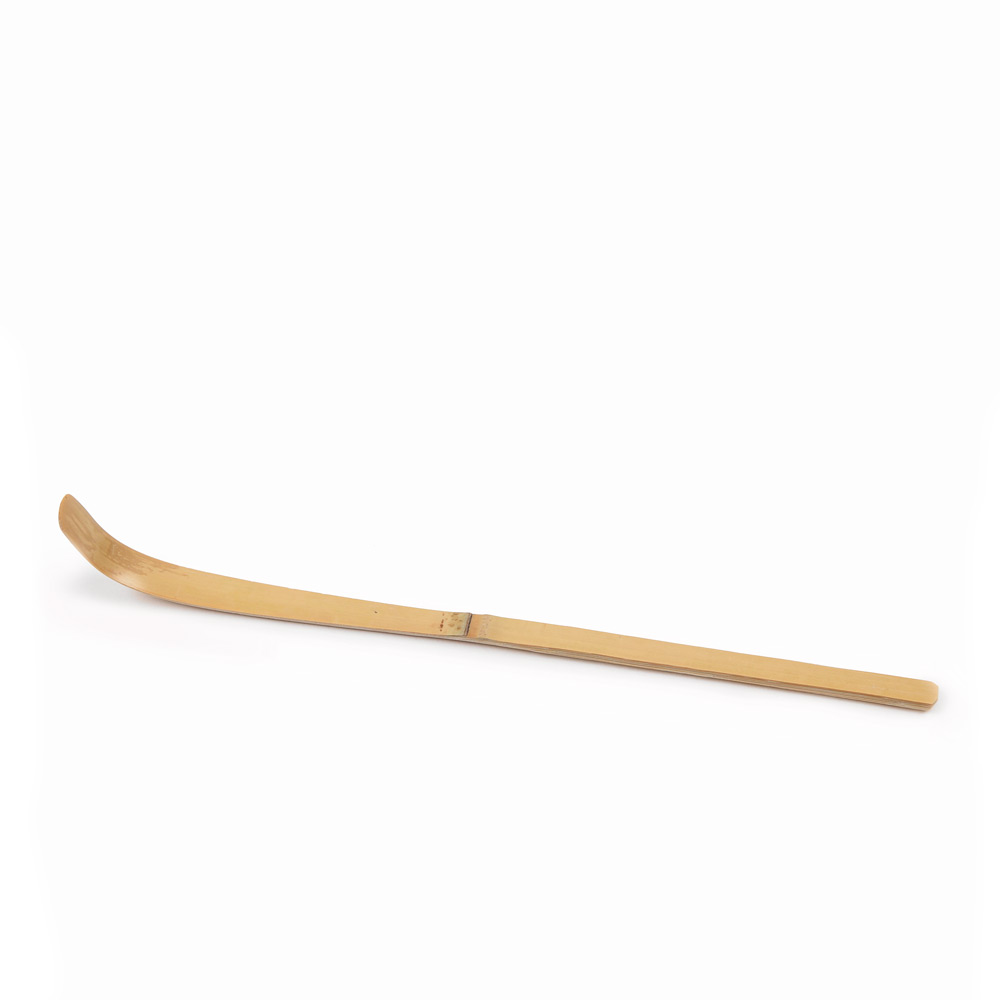
| Matcha Scoop | $5.50 | Consistent measuring | One scoop is about 1 gram |
| Matcha Sifter | $9.00 | Smooth texture | Removes clumps before whisking |
The bulk format is the one most daily drinkers land on. Ceremonial grade quality in a larger tin means you are not rationing your good matcha for weekends only.
How to Choose Matcha Powder for Your Wellness Routine
Choosing matcha powder comes down to four checks: certification you can verify, grade that matches your use, a flavor profile you enjoy plain, and a price per serving that makes daily drinking sustainable. Run every candidate through those four filters before you buy.
Start with grade, because it drives everything else. Ceremonial grade is intended for drinking with water alone. Culinary grade is blended for lattes, smoothies, and baking, where milk, fruit, or sugar will mask the sharper edges. Buying culinary grade for plain daily bowls is a false economy: you will not enjoy it, and you will stop drinking it.
Then look at the label. A matcha sold for daily wellness should tell you where the tea was grown, when it was harvested, and how it was processed. Vague origin claims are a warning sign, not a neutral detail.
Reading Organic Certification and Testing Claims
Organic certification is third-party verification that a tea garden followed defined growing and processing standards, and in the United States the relevant program is run by the USDA National Organic Program. A credible organic matcha will name its certifier rather than simply printing the word "organic" on the front of the tin.
Testing claims deserve the same scrutiny. Reputable sellers publish or provide information about pesticide residue screening and contaminant testing, including heavy metals, because tea plants take up minerals from soil. Ask for documentation. A supplier that cannot produce it is asking you to take their word for it.
At Octavia Tea, our teas are USDA certified organic, and we hand-blend using only natural flavor essences and pure essential oils with no artificial ingredients. That standard is the baseline we hold every blend to, matcha included.
Ceremonial vs Culinary Matcha: Which Fits Daily Drinking
Ceremonial matcha is the better choice for daily drinking if you take it plain with water.
Ceremonial grade comes from the first harvest, where the youngest leaves carry the most sweetness and the least astringency. It is stone-ground slowly into an ultra-fine powder and whisked into hot water. Drink it plain and you taste the difference immediately.
Culinary grade uses later harvests and often a different leaf selection. It is more strong and more bitter, which sounds like a downside until you put it in a latte or a smoothie, where that backbone holds up against milk and sweetness.
Our recommendation: keep both if your routine includes lattes. Use ceremonial grade for your morning bowl and culinary grade for blended drinks.
Caffeine, Serving Size, and Daily Wellness Habits
A standard serving of matcha is about 1 teaspoon, roughly 2 grams, which is the amount we recommend measuring with two scoops of a traditional bamboo scoop. That serving delivers caffeine, so the practical question for daily wellness is not whether matcha contains caffeine but how much, when you drink it, and how your body responds.
How Matcha's Caffeine Compares to Coffee
Matcha is made from whole ground tea leaves, so you consume the leaf rather than steeping and discarding it. That is why a bowl of matcha tends to deliver more caffeine than the same volume of steeped green tea, you are ingesting the material that held the caffeine, not just the water it passed through. Against coffee, the comparison is closer than most people expect, but the delivery is different. Coffee tends to arrive quickly and fade quickly.
If you are tracking intake, the useful move is to compare your actual serving size, not the drink category. A small bowl of matcha and a large drip coffee are not equivalent, and neither is a matcha latte made with a single scoop versus one made with three.
Why L-Theanine Changes the Experience
Matcha's caffeine arrives alongside L-theanine, the amino acid that shading encourages the leaf to produce. L-theanine is associated with a calm, focused quality of attention, and when it is present alongside caffeine, many people describe the result as steady alertness rather than a spike followed by a crash. The mechanism is not that L-theanine cancels caffeine. It modulates how the caffeine feels, which is a different thing, and it is why matcha can feel smoother than the caffeine content alone would suggest.
That said, the effect is not a free pass. If you are sensitive to caffeine, the L-theanine will not make an evening bowl a good idea.
Serving Size, Timing, and Sensitivity
A few practical guidelines for building a daily habit that works:
- Start smaller than you think you need. Try one scoop rather than two for the first week and see how your body responds.
- Drink it earlier in the day. Most people find that a morning or early-afternoon bowl fits a normal sleep schedule better than a late-afternoon one.
- Adjust before you quit. If matcha feels too stimulating, cut the serving size before you cut the habit, a half-serving often lands differently than a full one.
- Watch total caffeine, not just matcha. If you also drink coffee or tea, matcha is one input among several.
If you take medication, are pregnant, or have a condition affected by caffeine, talk to a clinician rather than relying on general guidance.
Serving Size and Cost Per Serving
Serving size also affects cost. Two grams per day means a 100-gram tin lasts roughly fifty servings, which is the number to run when you compare price per serving across formats. That calculation usually reframes which matcha is actually the affordable one, a higher-priced tin that you drink daily can cost less per bowl than a cheaper tin you ration.
Matcha Freshness and Storage: Keeping Powder Vibrant
Matcha freshness is the single most overlooked factor in daily drinking, and it is entirely within your control after the tin arrives. Stone-ground powder has a large surface area exposed to air, so it oxidizes faster than loose leaf tea.
Store matcha in an airtight container away from light, heat, and moisture. A cupboard is better than a countertop jar, and the refrigerator works only if the container is truly sealed, since condensation will ruin the powder. Buy in a size you will finish. A bulk tin is excellent value for a daily drinker and a poor choice for someone who drinks matcha twice a month.
Signs Your Matcha Has Lost Freshness
Vibrant green color is the first thing to go. Fresh matcha is bright and almost luminous; oxidized matcha turns dull, olive, or yellowish. Aroma fades next, and the flavor follows, turning flat and dusty rather than sweet and umami.
Clumping is normal and is not a freshness signal by itself. Sifting removes clumps and gives you a soft, frothy whisk, while unsifted powder tastes thin and grainy no matter how fresh it is. Judge freshness by color, smell, and taste, and treat clumping as a preparation issue to solve with a sifter.
Picking Your Daily Organic Matcha
Your daily matcha should be the one you look forward to, not the one with the most impressive label. Grade matching your preparation style, verifiable organic certification, a flavor you enjoy without additions, and a price per serving you can sustain all matter more than any single marketing claim.
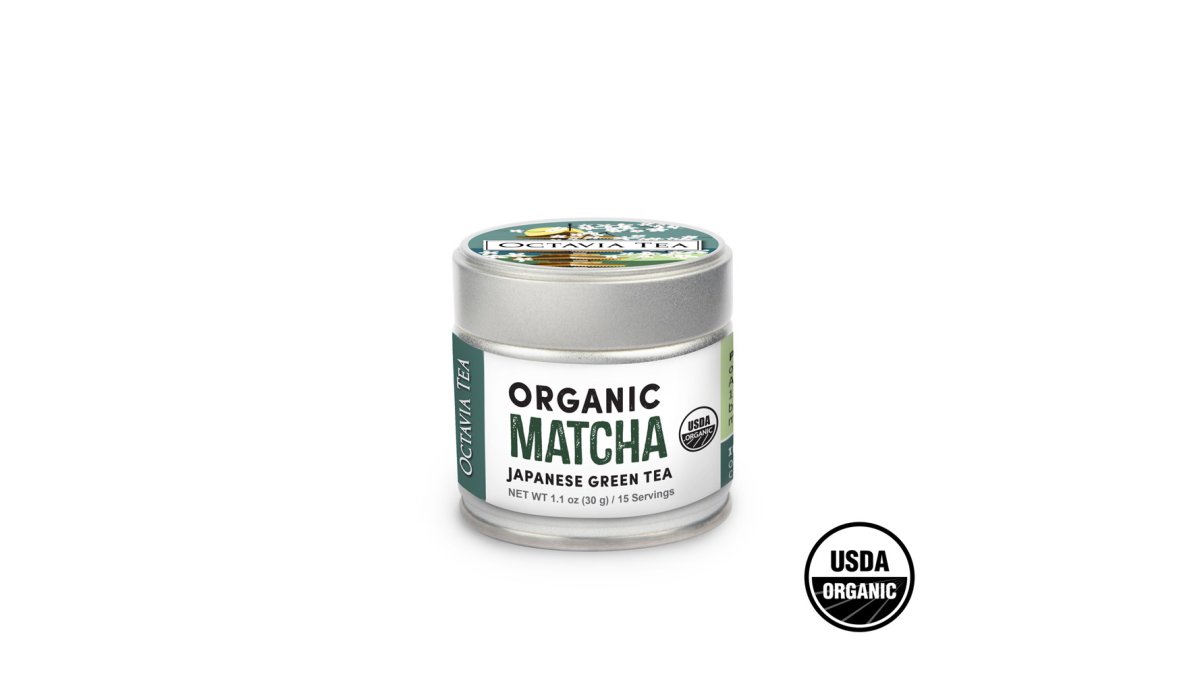
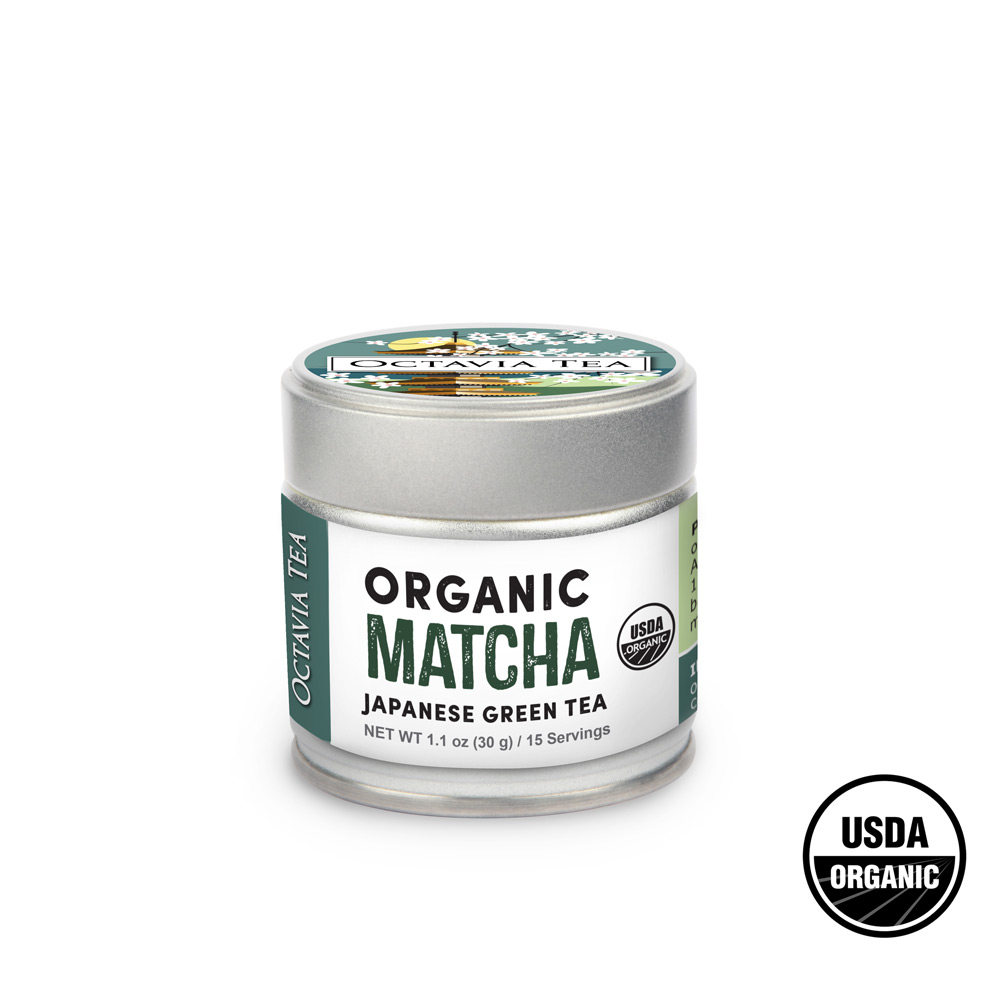
That is the standard we built our matcha selection around. Our ceremonial Matcha Powder and the 100-gram bulk format both come from shade-grown leaves stone ground into a fine, vibrant powder, with the L-theanine character that makes matcha worth drinking daily. Add a Matcha Scoop for consistent 2-gram servings and a Matcha Sifter for a smooth, frothy bowl, and you have a routine that holds up past the first week.
Frequently Asked Questions
Which matcha powder is best for daily use?
A ceremonial-grade organic matcha works best for daily drinking because it is smooth enough to whisk into hot water without added sweeteners. Octavia Tea's Matcha Powder is stone-ground from shade-grown leaves and can be prepared as a simple daily cup or blended into a latte. If you drink matcha every morning, buying a larger format like the 100 g bulk option brings the cost per serving down while keeping the same ceremonial grade.
How can you tell whether matcha is high quality?
Look at color, texture, and aroma. High-quality organic matcha has a vibrant green color, a fine powder that sifts easily, and a fresh, sweet-vegetal smell rather than a dull or hay-like one. Flavor should be smooth with umami and low bitterness. Stone-ground, shade-grown leaves from a named harvest are good signs. If the powder clumps heavily or tastes thin and grainy after whisking, it may be older or lower grade.
What is the difference between ceremonial and culinary matcha?
Ceremonial-grade matcha is made from the youngest shade-grown leaves, stone-ground into a fine powder, and intended to be whisked with hot water and drunk straight. Culinary-grade matcha is more astringent and is usually blended into lattes, smoothies, and baked goods where sweetness and other flavors balance the bitterness. For daily wellness drinking, ceremonial grade gives a smoother cup; culinary grade stretches further when you mainly use matcha in recipes.
How should you store matcha to keep it fresh?
Keep matcha in an airtight container away from light, heat, and moisture. Oxidation and humidity dull the vibrant green color and flatten the flavor, so a sealed tin in a cool cupboard works better than a clear jar on the counter. If you buy a larger format, transfer a small amount to a daily-use container and keep the rest sealed. Sifting before whisking removes clumps that form naturally as powder settles.
Building a daily matcha habit is easy to start and easy to abandon, usually because the powder in the tin was the wrong grade, the wrong freshness, or the wrong price for how often you actually drink it. Octavia Tea offers over 120 organic loose leaf teas sourced direct from estate gardens, all USDA certified organic and hand-blended without artificial ingredients, so the matcha you reorder tastes like the matcha you loved. Add to Bag and start with a tin built for everyday drinking.


Octavia Tea Sign In
Create New Account