























Does Soil Quality Really Change How Tea Tastes?

Last Updated: November 4, 2026
Quick Summary
Soil quality tea determines flavor because roots absorb dissolved minerals from the rhizosphere and convert them into polyphenols, amino acids, and aromatic oils. Soil pH governs nutrient bioavailability, so balanced acidity supports bright, mineral character while mineral-poor or waterlogged ground yields flat, astringent cups.
- Tea plants perform best in strongly acidic soil where iron and manganese stay soluble and available.
- Nitrogen-heavy, mineral-poor soil raises catechins relative to amino acids, producing firm astringency and thinner sweetness.
- Volcanic soil is prized because it is mineral-rich and well-drained, supporting healthy roots and concentrated flavor.
- Test pH before amending anything else, since every other mineral decision depends on it.
- Compare a high-mountain oolong against a rocky-terrain tea brewed identically to taste the soil signature.
Table of Contents
- Why Soil Quality Decides What Your Tea Tastes Like
- Soil pH, Mineral Uptake and the Chemistry of a Bitter Cup
- Nitrogen, Polyphenols and Amino Acids: The Flavor Balance
- Volcanic Soil, Elevation and the Terroir Behind High-Mountain Oolong
- How Organic Tea Farming Practices Change the Soil and the Leaf
- How to Identify High-Quality Loose Leaf Tea Without a Lab
- Soil Testing at Home and the Climate Shift Reshaping Tea Gardens
- Taste the Terroir: Picking a Tea That Shows Its Soil
- Frequently Asked Questions
Why Soil Quality Decides What Your Tea Tastes Like
Soil quality tea is the single most underrated variable in the cup. The same cultivar, picked at the same maturity and processed by the same hands, will taste different grown in rocky mineral ground than in rich volcanic loam. At Octavia Tea, we source from estate gardens precisely because the ground beneath a bush writes much of its flavor.
The mechanism is straightforward. Roots draw water and dissolved minerals from the rhizosphere, the narrow zone of soil directly influenced by root activity, and those compounds travel into the leaf. What the plant absorbs shapes the polyphenols, amino acids, and aromatic oils that later become astringency, umami, and aroma in your cup.
Below, we break down how soil composition, pH, and farming practice translate into flavor, and how to taste the difference yourself.
From Rhizosphere to Cup: The Short Version
Terroir in tea is the combined effect of soil, elevation, climate, and cultivation on leaf chemistry. Soil contributes the mineral and nutrient base; the plant converts that base into flavor compounds through its metabolic pathways.
Three soil factors matter most:
- Mineral availability: well-drained soil with balanced minerals supports mineral uptake into the leaf.
- pH levels: soil pH governs which nutrients the plant can actually absorb, not just which are present.
- Organic matter: healthy microbial communities cycle nutrients and support root health over the long cultivation duration of a tea garden.
Old, deep-rooted bushes draw from a wider substrate than young plantings, which is one reason ancient-tree teas carry such layered flavor.
Soil pH, Mineral Uptake and the Chemistry of a Bitter Cup
Soil pH is the master switch for nutrient bioavailability, and tea is unusual among crops in how far it will tolerate acidity. The tea plant (Camellia sinensis) performs best in strongly acidic ground, and the availability of iron, manganese, zinc, and aluminum shifts sharply as pH changes. What matters for flavor is not which minerals are present in the soil but which ones the root can actually take up at the current pH.
The mechanism runs through root chemistry. In acidic conditions, iron and manganese become more soluble and more readily absorbed, and both are cofactors in the enzyme systems that build polyphenols and aromatic precursors in the leaf. As pH climbs toward neutral, those same minerals lock into less soluble forms and uptake falls, even in mineral-rich ground. Push pH too low, below the plant's comfort zone, and aluminum solubility rises to the point where it can interfere with root function and stall the nutrient flow that feeds leaf development (Alleviating aluminum toxicity in plants).
That is why soil acidification and soil health are practical concerns, not agronomy jargon. A garden that drifts too far in either direction loses the mineral balance that makes a distinctive cup. The flavor consequence is easiest to see as a sensory map:
| Soil condition | What shifts in the leaf | What you taste |
|---|---|---|
| Balanced acidity, adequate iron and manganese | Steady polyphenol and aromatic precursor development | Bright structure with a clean, mineral finish |
| Nitrogen-heavy, mineral-poor | Catechins and polyphenols skew higher relative to amino acids | Firm astringency, briskness, thinner sweetness |
| Low pH with excess soluble aluminum | Root stress, uneven nutrient uptake | Flat, muddy cup with little aromatic lift |
| Near-neutral pH, minerals locked up | Reduced iron and manganese uptake | Dull liquor, short finish, muted aroma |
The practical takeaway for soil quality tea growers is to test pH before amending anything else, because every other mineral decision depends on it. Watch out: lime and sulfur products move pH slowly and can overshoot, so adjust in small steps and retest rather than chasing a target number in one pass.
Nitrogen, Polyphenols and Amino Acids: The Flavor Balance
The flavor of tea comes down to a tug-of-war between two compound families. Polyphenols and catechins supply structure, brightness, and astringency. Amino acids, especially L-theanine, supply umami, sweetness, and a calming quality.
Nitrogen availability tilts that balance. Nitrogen supports the plant's production of amino acids, and nitrogen fixation and nutrient cycling in living soil help keep supply steady. Leaf chemistry shifts accordingly: more amino acid development reads as a softer, more savory cup, while polyphenol-dominant leaf reads as brisk and firm.
Organic fertilization versus synthetic fertilizers changes this dynamic over time. Synthetic inputs can deliver nitrogen fast, while organic matter feeds the microbial communities that release nutrients gradually. The slow route tends to support more even leaf chemistry across a season, which is why organic tea farming practices matter to flavor and not only to philosophy.
Volcanic Soil, Elevation and the Terroir Behind High-Mountain Oolong
Volcanic soil is prized for tea because it tends to be mineral-rich and well-drained, two conditions that support healthy roots and concentrated flavor. Elevation compounds the effect: cooler air and dense fog slow plant growth, so the bush packs its minerals and flavor compounds into fewer, hardier leaves.

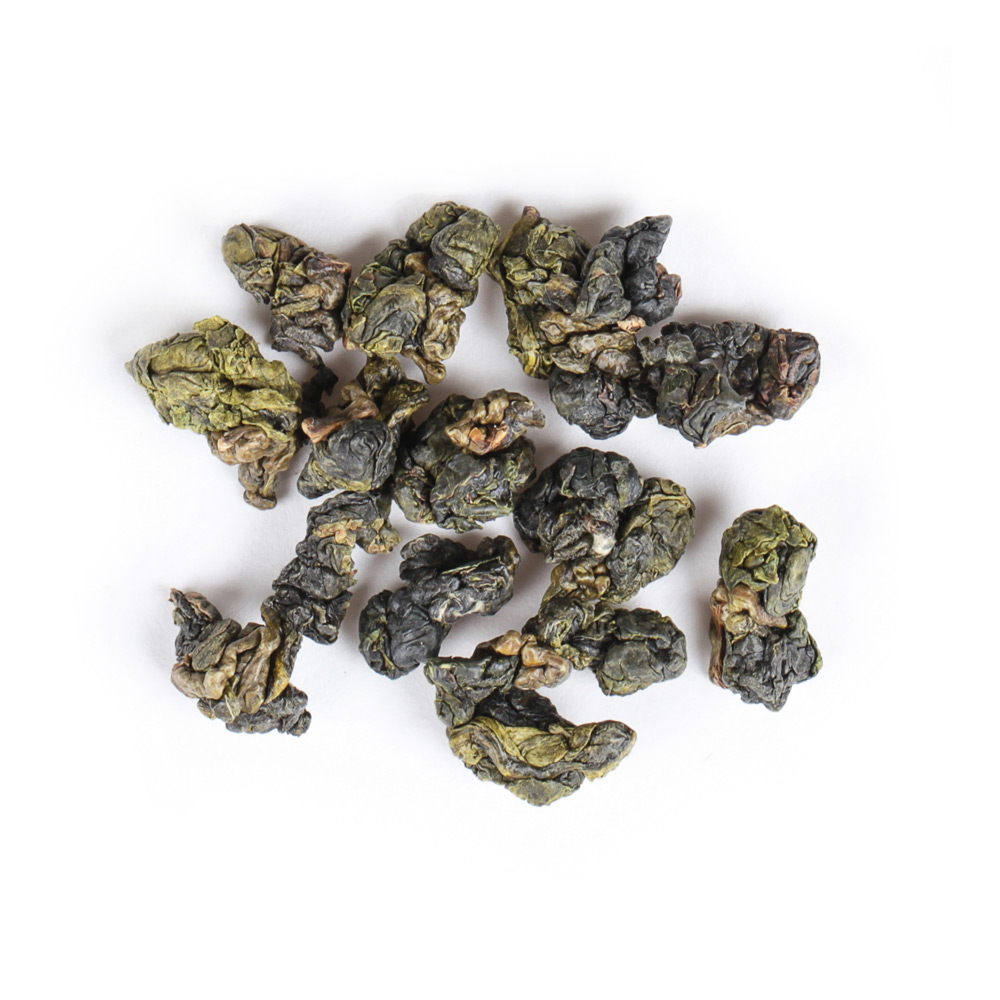
High-mountain oolong is the clearest illustration. Our Ali Shan High Mountain comes from alpine gardens where fog and extreme weather produce a floral aroma, creamy mouthfeel, and a mineral finish that reads directly as terroir. Teas grown in volcanic ground elsewhere, like our Sencha Kagoshima, show how that same soil type shapes a very different leaf.
How Organic Tea Farming Practices Change the Soil and the Leaf
Organic tea farming practices build soil rather than deplete it, and the flavor case rests on how nitrogen and minerals arrive at the root. Compost, cover crops, and living mulch feed the microbial communities that drive nutrient cycling, and that biological activity supports root health and steady mineral uptake season after season.
Synthetic nitrogen fertilizers and organic matter release nitrogen at different rates. Organic matter releases nitrogen more gradually as microbes mineralize it, which can support a steadier supply across the flush.
There are real trade-offs. Organic systems depend on active soil biology, and that biology is sensitive to compaction, waterlogging, and abrupt pH swings; a garden with poor drainage will not get the same benefit from compost that a well-drained one will. Synthetic inputs are faster to correct a deficiency but do less to build the rhizosphere over time, and heavy use can disrupt the microbial communities that cycle nutrients. The practical middle ground many growers take is to build organic matter first, then use targeted inputs only where a soil test shows a specific gap.
At Octavia Tea, every tea in our catalog is USDA certified organic, which means the farming behind the leaf follows defined soil and input standards. You can read more about how we source and what those standards mean in practice.
How to Identify High-Quality Loose Leaf Tea Without a Lab
You do not need a laboratory to judge leaf quality. Your senses will tell you most of what matters, and a few simple checks separate fresh, well-grown leaf from the rest.
- Look at the leaf: whole, intact leaves with consistent color suggest careful growing and handling. Dust and broken fragments do not.
- Smell before brewing: fresh leaf carries a clear, clean aroma. Flat or papery smells suggest age or poor storage.
- Watch the steep: well-grown leaf unfurls and yields layered flavor rather than a single flat note.
- Taste for balance: a good cup balances astringency against sweetness and umami instead of tipping hard in one direction.
- Check the finish: mineral depth and a lingering finish often signal nutrient-dense growing conditions.
Once you have good leaf, brewing decides the rest. Our guide to brewing perfect loose leaf tea covers water temperature, leaf ratios, and steep times for every tea type.
Soil Testing at Home and the Climate Shift Reshaping Tea Gardens
Home soil testing is more accessible than most gardeners assume. Simple pH kits and basic nutrient tests let small-scale growers check pH levels and mineral balance before planting or amending, and repeat testing tracks soil health over time.
For tea specifically, the priorities are pH, drainage, and organic matter. Test pH first, since it governs bioavailability of everything else. Check drainage by observing how water moves through the substrate after rain. Add organic matter to feed the microbial communities that cycle nutrients.
Climate change is reshaping this picture. Shifting rainfall and warmer seasons alter soil acidification rates, moisture retention, and nutrient cycling in tea regions, The gardens that adapt their soil practices first will protect leaf chemistry as conditions move.
Taste the Terroir: Picking a Tea That Shows Its Soil
The fastest way to understand the impact of soil quality on tea flavor profiles is to taste teas grown in distinctly different ground side by side. Compare a mineral-driven high-mountain oolong against a rich, low-grown leaf, and the soil signature becomes obvious.
We suggest starting with teas that wear their terroir openly:
| Tea | Growing Conditions | Flavor Signature | Best For |
|---|---|---|---|
| Ali Shan High Mountain | High elevation, fog, mineral soil | Floral, creamy, mineral finish | Tasting elevation and mineral soil |
| Li Shan | Alpine, slow-grown leaf | Tropical floral, buttery, mineral | Comparing high-mountain terroirs |
| Monkey Picked Tung Ting | High elevation, medium roast | Toasty, nutty, long finish | Roasted oolong fans |
| Big Red Robe | Rocky, mineral-rich terrain | Deep mineral, roasted character | Rocky-soil flavor contrast |
Choose one high-mountain oolong and one rocky-terrain tea, brew both with the same water and leaf ratio, and taste them back to back. The difference in mineral finish and astringency is the soil talking.
Frequently Asked Questions
How does soil pH affect the taste of tea?
Tea plants take up minerals most efficiently in acidic soil. When pH drifts too high, the plant absorbs less iron, manganese and zinc, and the leaf can taste flat or dull. When pH drops too low, aluminum becomes more available and can stress the roots, which often shows up as harshness or a thin body in the cup. Growers adjust pH with organic matter and careful fertilization rather than guessing.
What minerals in soil contribute to tea flavor?
Potassium supports the amino acids behind umami and sweetness. Magnesium sits at the center of chlorophyll and influences how well the leaf photosynthesizes. Zinc and manganese affect enzyme activity tied to aroma formation. Iron plays a role in the catechins that give tea its structure and astringency. The mineral profile of the soil, plus how well the roots can access those minerals, shapes the balance of sweet, savory and bitter notes in the finished leaf.
Does organic soil management improve tea quality?
Organic tea farming practices build organic matter and microbial communities in the soil. Look for certification on the package rather than relying on the word natural.
How does volcanic soil influence tea flavor profiles?
Volcanic soil tends to be well-drained and rich in minerals like potassium and magnesium, which supports the amino acids and aromatics that give high-mountain oolong its floral lift and creamy body.
Soil quality is not an abstraction you read about; it is something you can taste in the first sip of a well-grown leaf. Octavia Tea sources over 120 organic loose leaf teas directly from estate gardens, hand-blends with natural flavor essences and pure essential oils, and ships free on retail orders over $65. Start with a high-mountain oolong, taste the terroir for yourself, and see how much the ground beneath a bush really changes the cup. Add to Bag and begin your own side-by-side tasting.


Octavia Tea Sign In
Create New Account