























Why Sustainable Tea Farming Matters for Flavor: A Guide

Last Updated: November 6, 2026
Quick Summary
Sustainable tea farming matters for flavor because healthy soil and diverse gardens tend to produce slower-growing, more complex leaves that carry more of the compounds behind aroma and sweetness. Soil minerals, shade management, and biodiversity shape flavor potential, though cultivar and processing share the credit.
- Deep roots reach minerals that shallow root systems never touch, feeding aroma precursors in the leaf.
- Shade management has the most direct and best-documented flavor link of the organic practices.
- Oriental Beauty depends on insects that a sprayed, sterile field would kill.
- Climate change shifts harvest timing, making the same garden taste different season to season.
- Look for a named certification and a named garden rather than unregulated terms like eco-friendly.
Table of Contents
- Sustainable Tea Farming and the Flavor in Your Cup
- How Soil Health Affects Tea Flavor
- Organic Tea Farming Practices and What They Change
- Biodiversity in Tea Gardens: The Flavor Case for a Messier Field
- Climate Change and Tea Quality: What's Already Shifting
- Where Flavor Claims Outrun the Evidence
- How to Buy Tea That Reflects Its Growing Conditions
- Choosing Your Next Cup at Octavia Tea
- Frequently Asked Questions
Sustainable Tea Farming and the Flavor in Your Cup
Sustainable tea farming is the practice of growing tea in ways that protect soil, water, biodiversity, and the people who work the land over the long term. At Octavia Tea, we source from estate gardens, and the difference that growing conditions make shows up in the cup. This guide explains why sustainable tea farming matters for flavor, what the evidence actually supports, and how to read a tea label without being misled. Because the same care for soil, water, and biodiversity shapes how crops grow, sustainable farming practices offer a useful lens for understanding flavor across both tea and coffee.
The short version: healthy soil and diverse gardens tend to produce slower-growing, more complex leaves. Those leaves carry more of the compounds that become aroma and sweetness once they hit hot water.
How Soil Health Affects Tea Flavor
Soil health affects tea flavor because the minerals and organic matter in the ground shape what the plant can absorb, and those compounds end up in the leaf. A tea bush grown in living, well-structured soil draws up a broader range of nutrients than one fed on synthetic inputs alone, and the difference shows up in the chemistry of the finished leaf.
Soil health is the capacity of soil to function as a living system, supporting plant roots through organic matter, microbial life, and balanced mineral content. When that system degrades, the plant still grows, but the leaf tends to be flatter in flavor and thinner in body. The mechanism runs through the plant's own chemistry, since nitrogen availability influences the balance of compounds such as L-theanine and catechins that shape sweetness and astringency in the leaf.
Minerals, Roots, and the Compounds That Become Aroma
Deep roots reach minerals that shallow root systems never touch. Tea plants grown in mineral-rich ground take up more of the precursors that turn into aroma compounds during processing. That is why a single-garden tea can taste so specific: the terroir, meaning the combined effect of soil, altitude, and climate, is doing real work. These are tendencies, not guarantees, cultivar and processing can override soil effects entirely, and a skilled maker can coax very different cups from the same field.
Our Himalayan Imperial Black comes from one small garden in the Himalayan foothills of Nepal, and its character reflects exactly that kind of high-altitude, single-origin soil. If you want a Japanese example, our Sencha Kagoshima grows in volcanic soil, and the cup carries a green, mineral brightness that is hard to fake.
What You Can Actually Measure
Soil health is not a matter of faith. Growers and researchers track a handful of indicators that connect directly to how the bush performs: soil organic matter, which reflects how much living and decaying material the ground holds; microbial activity, which drives nutrient cycling; and water-holding capacity, which buffers the plant through dry spells.
Watch out: soil biology is one input among several, and processing can erase its advantages. A beautifully grown leaf that is poorly withered, rolled, or fired will not taste better than a well-made leaf from ordinary ground. Treat soil as the foundation of flavor potential, not a guarantee of it.
Practical takeaway: when a tea tastes vivid and layered rather than simply "strong," soil biology is often part of the reason, but cultivar, altitude, harvest timing, and processing share the credit.
Organic Tea Farming Practices and What They Change
Organic tea farming practices replace synthetic fertilizers and pesticides with compost, cover crops, and biological pest control.
Comparing the Core Practices
Composting feeds soil microbes and builds organic matter, improving structure and water retention over successive seasons.
Ground cover and cover crops protect the soil surface from erosion and heat, host beneficial insects, and add organic matter when they are cut back into the ground.
Shade management is the practice with the most direct and best-documented flavor link.
Reduced chemical inputs lower runoff into waterways and reduce disruption to soil life, and they often slow leaf growth, slower growth is frequently associated with denser flavor rather than watery bulk, though the effect varies by cultivar and season.
Agroforestry, or growing tea among trees, adds shade, leaf litter, and habitat. It tends to build resilience against heat and drought and can contribute to the shaded, slower-growth conditions that favor sweetness, but it also complicates picking and can reduce yield per acre.
The Trade-offs Nobody Advertises
These practices do not improve every tea in every place. Outcomes vary by region, cultivar, processing method, and farm conditions. A practice that builds organic matter in one soil may behave differently in another; a shade regime that sweetens one cultivar may mute another.
Watch out: "organic" on a package is a production claim, not a flavor guarantee. The USDA National Organic Program sets the standards behind that label, and it is worth knowing what they do and do not cover, the seal addresses production methods, not sensory quality.
The honest position is that these practices protect the conditions that make good flavor possible over time. They are not a flavor switch, and the strongest evidence for a flavor effect sits with shade management and slow, balanced nutrition rather than with any single label.
Biodiversity in Tea Gardens: The Flavor Case for a Messier Field
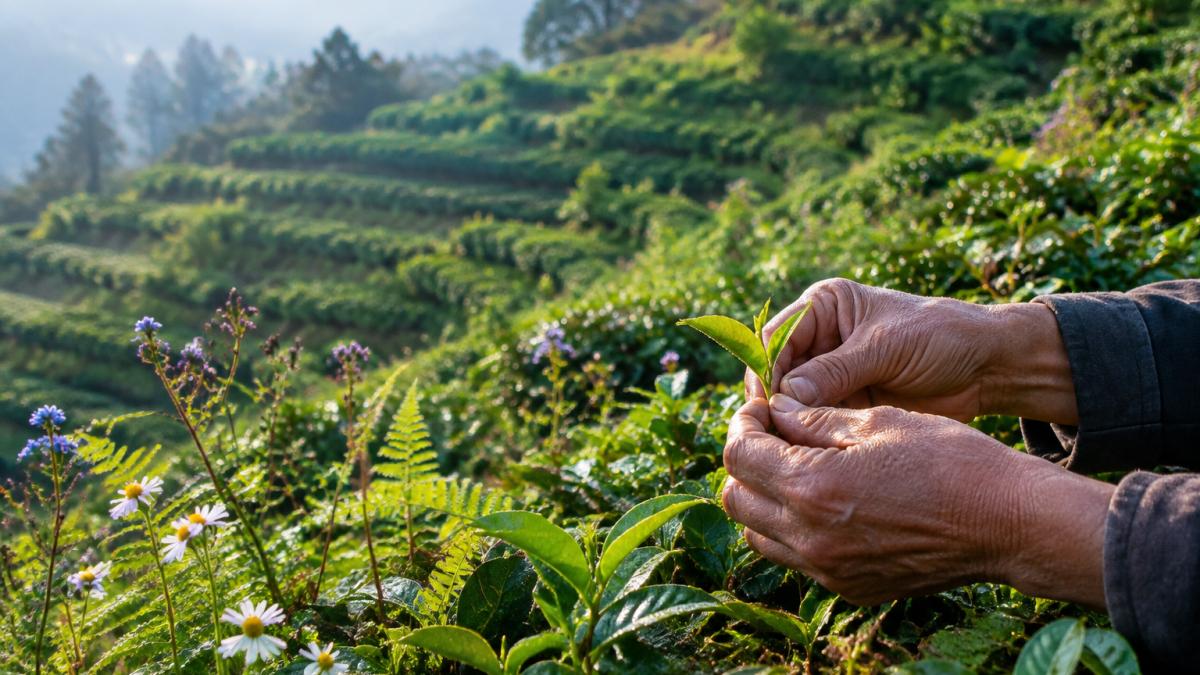
Biodiversity in tea gardens protects the ecosystem that surrounds the plant, and in some teas that ecosystem directly creates flavor. A field with shade trees, hedgerows, and ground cover holds moisture, hosts beneficial insects, and keeps soil temperatures steadier than a bare monoculture.
The Oriental Beauty Example
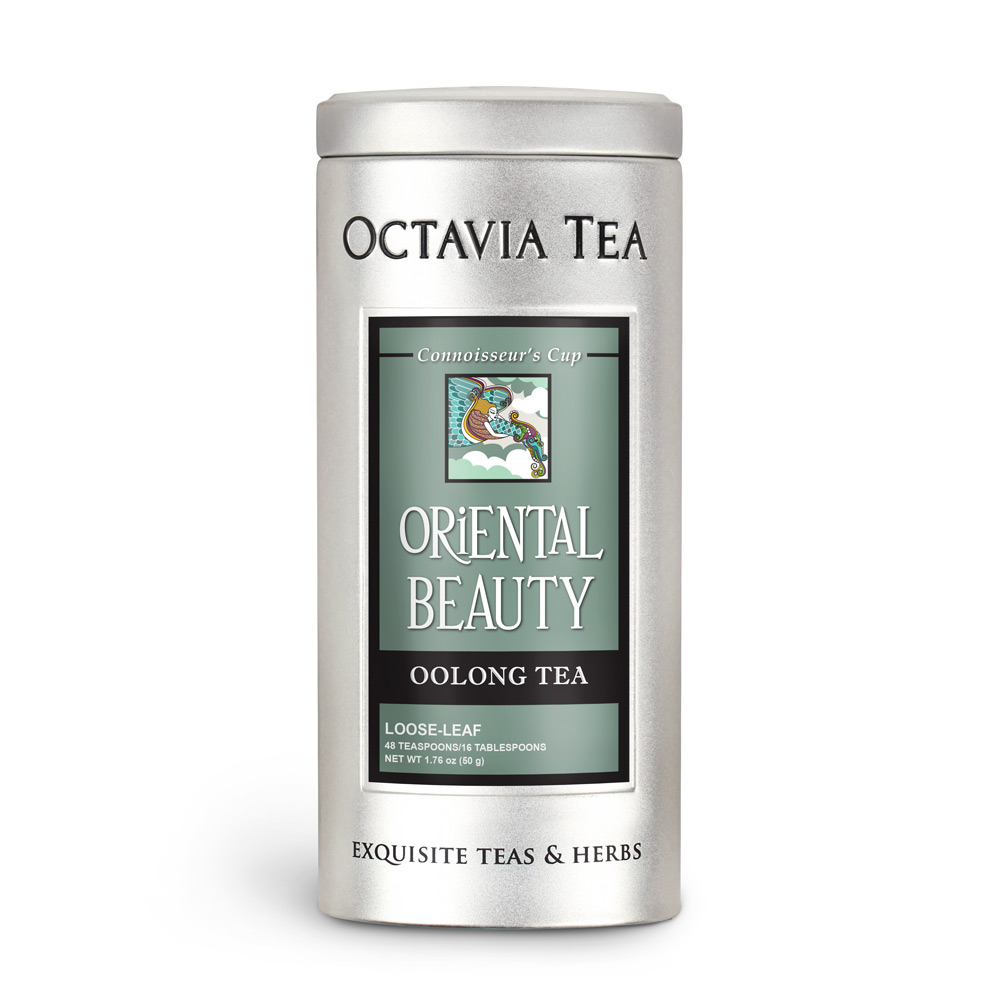
Oriental Beauty is the clearest case of biodiversity shaping flavor.
You cannot produce that flavor in a sprayed, sterile field, because you would be killing the very insect that starts the process. Our Oriental Beauty is a direct taste of what a biodiverse garden can do.
Climate Change and Tea Quality: What's Already Shifting
Climate change and tea quality are linked through harvest timing. Higher temperatures and shifting weather patterns move when the bushes flush, and the timing of that flush drives what the finished tea tastes like.
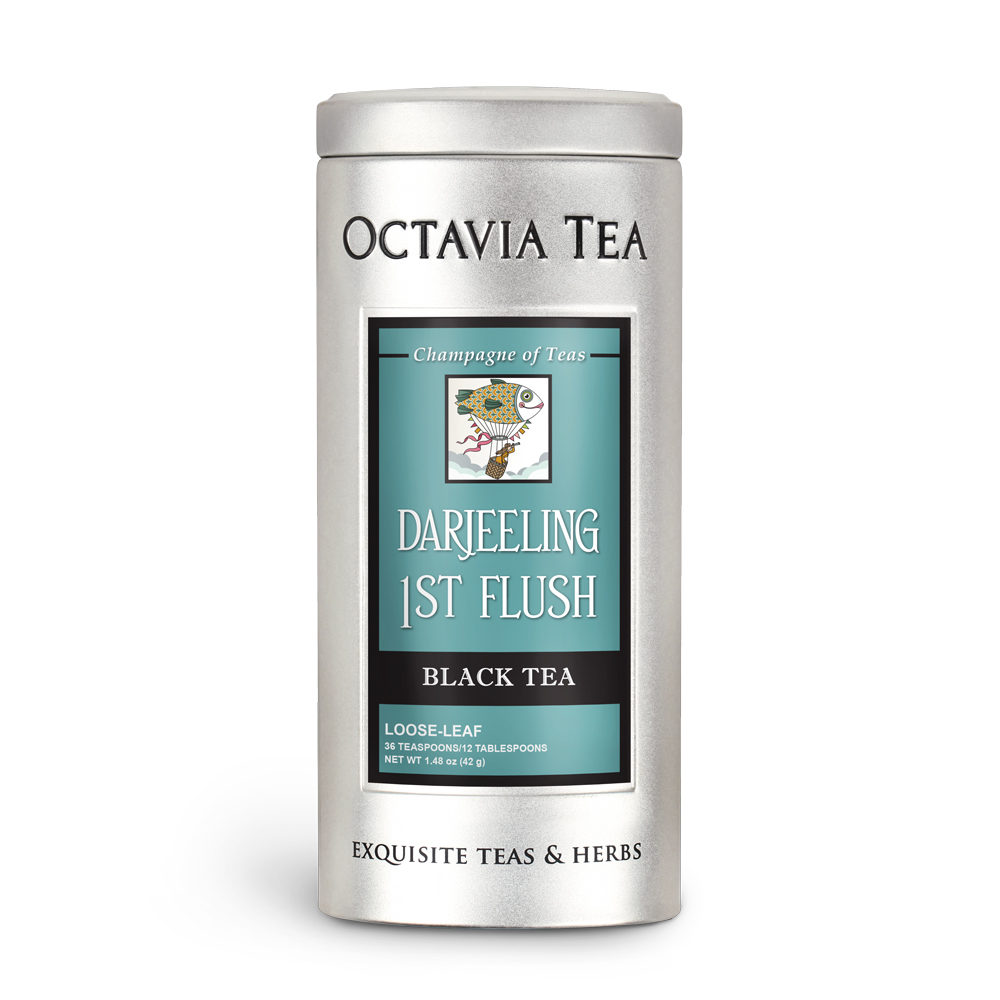
For drinkers, the practical effect is variability. A garden that produced a bright, floral first flush one season may deliver something rounder the next. Our Darjeeling 1st Flush is a good tea to taste with this in mind: it is a classic first-flush style, and its muscat and floral character is exactly the kind of profile that depends on getting the harvest timing right.
Where Flavor Claims Outrun the Evidence
Flavor claims outrun the evidence when marketing borrows the language of sustainability without the farming behind it. "Grown with care" and "eco-friendly" are not regulated terms, and they tell you nothing verifiable about soil, water, or labor.
How to separate a real claim from a marketing one:
- Look for a named certification. A third-party organic seal is auditable. A decorative leaf icon is not.
- Look for a named garden or region. Single-origin teas are traceable in a way that anonymous blends are not.
- Treat flavor claims as sensory, not scientific. "Tastes brighter because of soil biology" is a reasonable working theory; nobody can prove it cup by cup.
- Be skeptical of absolutes. No responsible grower claims every sustainable tea tastes better. Context, processing, and freshness matter just as much.
The honest position is that sustainable practices protect the conditions that make good flavor possible over time. They are not a flavor switch.
How to Buy Tea That Reflects Its Growing Conditions
Buying tea that reflects its growing conditions comes down to a short, repeatable checklist. Use it the next time you stand in front of a shelf or a product page.
- Is there a named certification, such as a USDA organic seal, that you can verify?
- Does the listing name a garden, estate, or growing region rather than a vague country of origin?
- Does the flavor description use specific sensory language, like muscat, cocoa, or wet stone, instead of generic praise?
- Is the harvest or flush named, so you know when the leaf was picked?
- Does the seller explain how the tea was grown, not just how it tastes?
| What You See | What It Usually Means | What to Do |
|---|---|---|
| Named garden plus organic seal | Traceable, auditable growing conditions | Buy with confidence |
| Region only, no certification | Some traceability, unverified methods | Ask the seller how it was grown |
| "Eco-friendly" with no detail | Marketing language, no evidence | Treat as unverified |
| Specific sensory notes | Grower knows the leaf well | Worth trying |
Choosing Your Next Cup at Octavia Tea
Choosing well gets easier once you know what to look for, and we built our catalog around exactly that. We carry over 120 organic loose leaf teas sourced direct from estate gardens, all USDA certified organic, hand-blended with natural flavor essences and pure essential oils and nothing artificial.
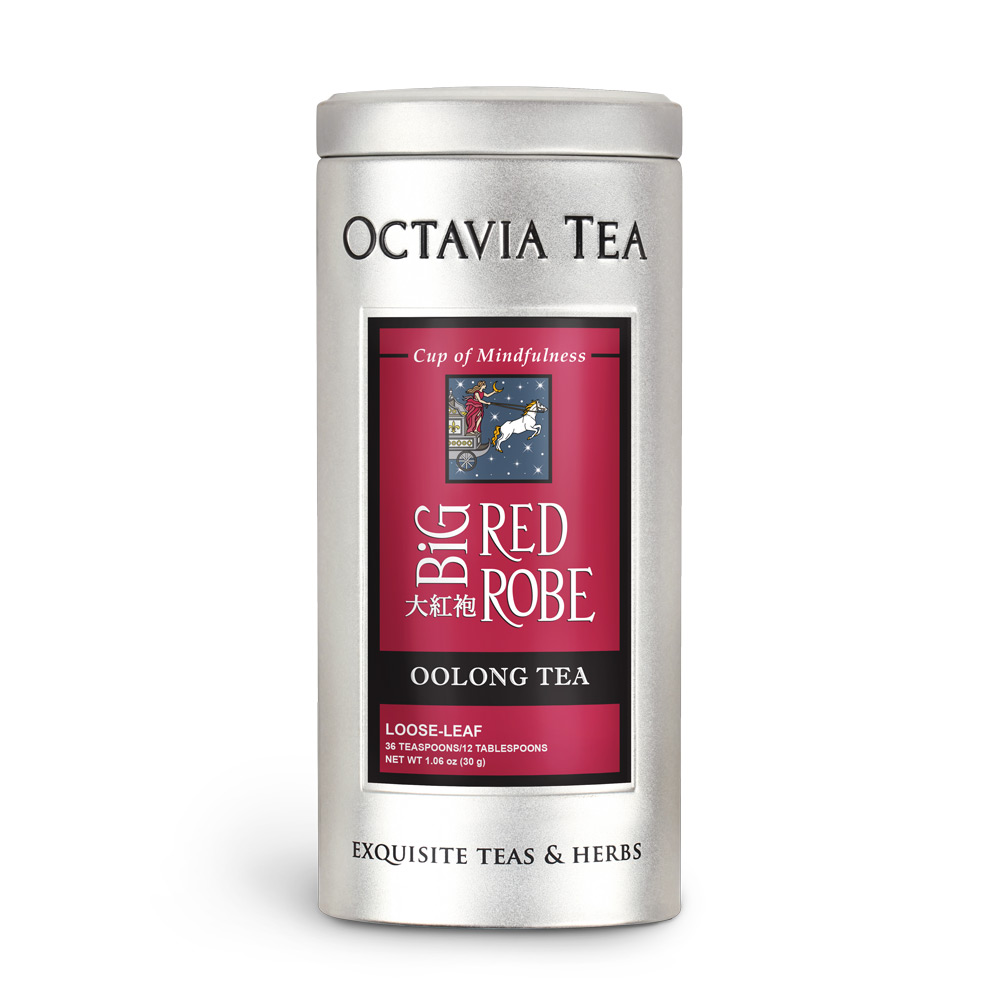
Start with a single-garden tea and taste the difference for yourself. If you want to see how growing conditions shape a cup, try our Eight Immortals Dancong, or our Big Red Robe, which tastes of cinnamon, dry cocoa, and wet stone.
When you are done steeping, put the leaves to work rather than in the trash. Our guide on how to dispose of used tea leaves the eco-friendly way covers composting, mulching, and safe binning so your ritual stays responsible to the last step.
Frequently Asked Questions
How does soil health affect tea flavor?
Tea plants take up minerals from the soil, and those minerals feed the compounds that become aroma and taste in the leaf. Deep-rooted, older bushes reach mineral-rich layers that shallow-rooted plants cannot, which is one reason wild-grown and estate-grown teas can taste more layered. Soil with good organic matter and active biology also supports steadier nutrient availability through the season, so the leaf develops more evenly. When soil is degraded, yields may hold up for a while, but the flavor profile tends to flatten.
Does organic tea taste different from conventionally grown tea?
Not automatically, and anyone who promises a guaranteed flavor difference is overselling it. Organic tea farming practices change how the field is managed, which can influence leaf quality over time, but the harvest, processing, and cultivar matter just as much. What you can verify is what's absent: synthetic fertilizers, pesticides, and herbicides. Look for third-party certification such as USDA Organic on the label rather than relying on flavor claims alone.
Can climate change alter the taste of tea?
Yes. Higher temperatures and shifting weather patterns move harvest timing, and harvest timing is one of the biggest flavor levers in tea. Flushes that once arrived predictably can come early, late, or unevenly, which changes the balance of compounds in the leaf. Growers at high elevation have some buffer, since cooler air slows leaf development, but the effect is real across appellations. This is why climate resilience and sustainable tea farming are increasingly discussed together.
What should tea drinkers look for when choosing sustainably grown tea?
Start with certification you can check, then look at origin detail. A label that names the estate, the harvest, or the appellation tells you more than a generic country of origin. Ask how the tea was grown and whether the seller can describe the farming relationship. At Octavia Tea, for example, the catalog is USDA certified organic, so the farming claim is tied to something specific rather than a slogan.
The challenge is simple: most tea buyers never get to taste what growing conditions actually do, because they never know what they are drinking. Get started with Octavia Tea and taste single-garden, certified organic leaf where the farming is part of the flavor. Add to Bag and brew your first cup this week.


Octavia Tea Sign In
Create New Account